Reclaiming the Shelf: A DIY Solution for Warped Paperback Spines Offers New Life to Beloved Books
FOR IMMEDIATE RELEASE
[City, State] – [Date, e.g., June 25, 2026] – For bibliophiles and casual readers alike, the paperback holds a special, often nostalgic, place in the literary landscape. Affordable, portable, and democratic in its reach, this format has brought countless stories to millions. Yet, its very design—intended for accessibility rather than archival longevity—often leads to a common affliction: the warped spine. A new, ingenious technique demonstrated by the Book Care Studio on YouTube is offering a simple, at-home remedy for this pervasive problem, promising to restore the aesthetic and structural integrity of cherished paperback collections.
The Main Facts: A Gentle Approach to Paperback Restoration
The problem is instantly recognizable to anyone with a well-read paperback collection: the once-flat spine develops a distinct inward curve, a testament to environmental stress, material fatigue, and the passage of time. This warping is primarily a consequence of moisture fluctuations, temperature changes, and the gradual degradation of the adhesive used in the binding. While some argue that such imperfections are part of a book’s unique charm, many prefer their literary companions to stand neatly on a shelf.
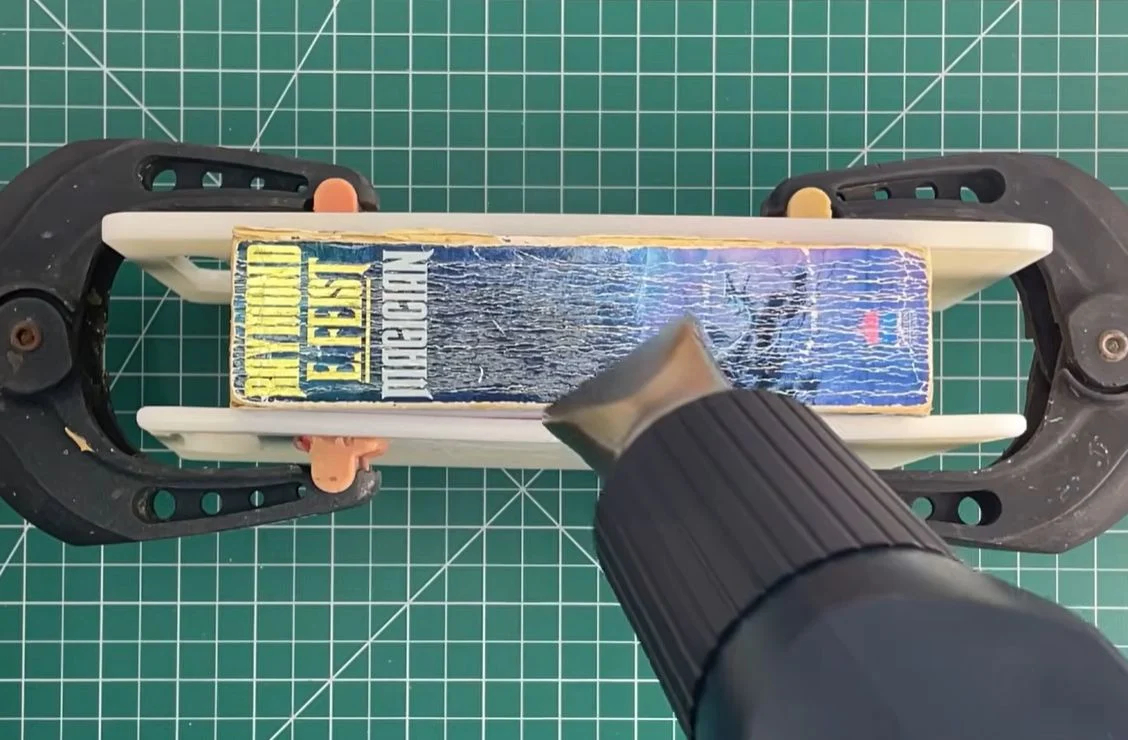
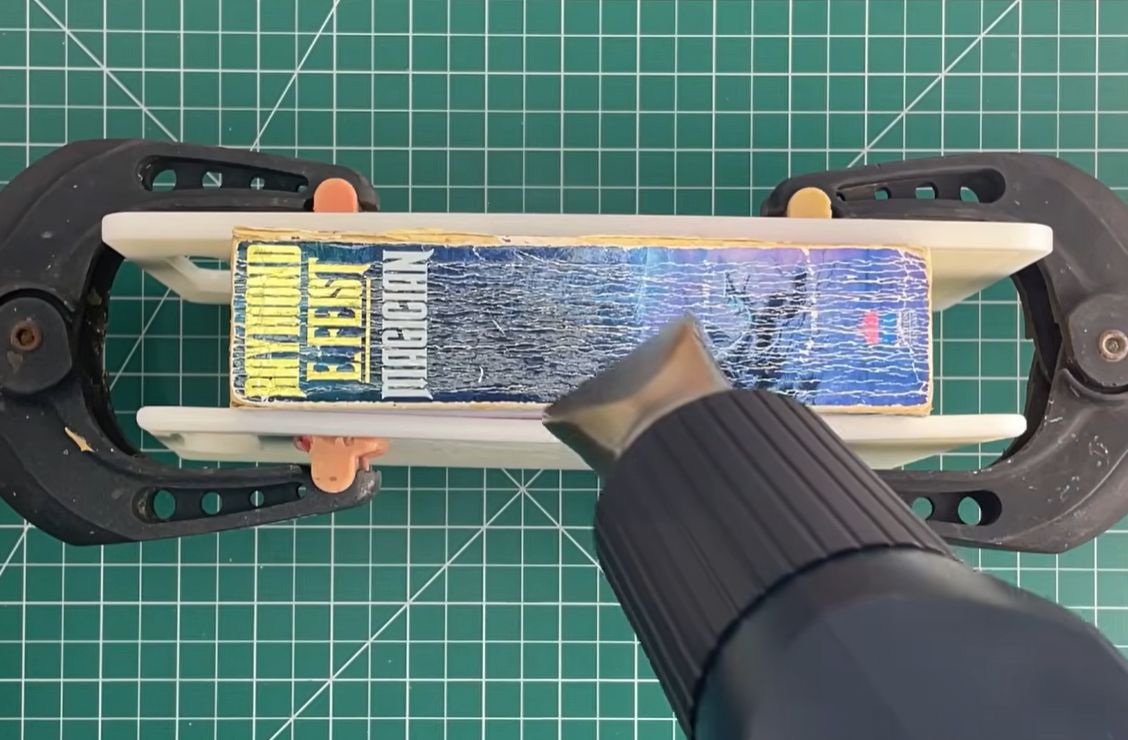
Book Care Studio’s method offers a practical solution: a gentle thermal re-engagement process that leverages basic household tools. The technique involves carefully applying controlled heat to the spine while simultaneously applying precise mechanical pressure. The core insight lies in the temporary softening of the binding adhesive, allowing the warped spine to be reshaped and then set back into a flat configuration as it cools.
This accessible DIY approach requires only a few items: two sturdy cutting boards, two clamps to provide consistent pressure, a heat gun (or a suitable alternative like a hairdryer on a high setting), and a measure of patience. The process, while seemingly straightforward, demands attention to detail to avoid damaging the book. By carefully following the steps outlined by Book Care Studio, individuals can effectively reverse years of environmental wear, transforming a "ratty-looking" collection into one that appears well-maintained and revitalized.
Chronology: From Fragile Form to Empowered Preservation
The story of the paperback is one of innovation and accessibility, but also one intrinsically linked to its inherent fragility. Understanding this trajectory helps contextualize the need for preservation techniques like the one presented by Book Care Studio.
The Birth of the Paperback Era:
The concept of mass-market paperbacks gained significant traction in the 1930s, notably with companies like Penguin Books in the UK and Pocket Books in the US. These publishers revolutionized the industry by offering affordable, lightweight editions of popular fiction and non-fiction, making literature accessible to a broader audience than ever before. Prior to this, books were largely expensive hardcovers, often considered luxury items. Paperbacks democratized reading, becoming staples in train stations, drugstores, and ultimately, millions of homes.
The Compromise of Materials:
To achieve their low price point, paperbacks typically utilized less durable materials compared to their hardcover counterparts. The paper quality was often lower, prone to yellowing and embrittlement due to acidity. The covers were made from flexible card stock, susceptible to creasing, tearing, and dog-earing. Crucially, the binding, known as "perfect binding," relied on an adhesive to hold the pages together directly to the spine, rather than the more robust sewing methods used in hardcovers. This adhesive, while efficient for mass production, was often less resilient to environmental stressors.
The Inevitable Degradation:
Over decades, the cumulative effects of storage conditions began to manifest. The glues, often hot-melt adhesives or various forms of polyvinyl acetate (PVA), would become brittle or, conversely, overly flexible. Exposure to humidity would cause paper fibers to swell and contract unevenly, leading to the characteristic warping. Fluctuations in temperature would accelerate the breakdown of the adhesive bonds and further stress the paper. Sunlight would fade covers and accelerate paper degradation. The result was a common sight: beloved paperbacks with splayed pages, detached covers, and, most prominently, concave or warped spines that refused to lie flat.
The Rise of DIY Conservation:
For many years, the options for fixing such damage were limited. Professional book conservators typically focused on rare or historically significant volumes, often with costs prohibitive for a standard paperback. Libraries developed robust rebinding programs, sometimes converting flimsy paperbacks into more durable hardcovers for circulation. However, for the average book owner, the choices were often to live with the damage, replace the book (if still in print), or discard it.
The advent of online platforms like YouTube has fostered a new era of accessible DIY knowledge. Experts and enthusiasts alike now share practical solutions for a myriad of problems, including book care. Book Care Studio’s video represents a significant contribution to this growing body of knowledge, empowering individuals to take an active role in preserving their personal libraries, bridging the gap between professional conservation and everyday practical needs. This method is a logical progression, leveraging modern understanding of material science and widely available tools to address a long-standing issue in a user-friendly format.
Supporting Data: The Science of Spines and Adhesives
The efficacy of Book Care Studio’s technique is rooted in the fundamental properties of the materials that constitute a paperback: paper and adhesive. Understanding these properties provides the scientific underpinning for why gentle heat and pressure can be so effective.
Paper’s Hygroscopic Nature:
Paper, primarily composed of cellulose fibers, is hygroscopic, meaning it readily absorbs and releases moisture from the surrounding environment. This process causes the fibers to swell when exposed to high humidity and contract when in dry conditions. When a book is stored in fluctuating humidity, the paper in the text block and cover experiences these changes unevenly. The spine, being a constrained area, often takes the brunt of this stress, leading to distortion and warping as the fibers expand and contract in different directions. This is particularly true for the "grain" of the paper, which affects how it responds to moisture.
The Role of Binding Adhesives:
The vast majority of modern paperbacks utilize "perfect binding," where pages are milled at the spine and then glued directly to the cover. The adhesives used typically fall into two categories:
- Hot-Melt Adhesives (EVA, etc.): These thermoplastic polymers are applied hot and cool rapidly to create a bond. They are generally flexible but can become brittle over time, especially with exposure to temperature extremes. Their thermoplastic nature is key to the Book Care Studio method.
- Cold Adhesives (PVA – Polyvinyl Acetate): These are water-based emulsions that dry and cure to form a strong, flexible bond. While less directly affected by heat in the same way hot-melts are, gentle heat can still improve their pliability, especially if they have become stiff or brittle.
The critical factor for the Book Care Studio technique is the thermoplastic nature of many binding adhesives. These materials soften when heated and solidify when cooled. When a warped spine is gently heated, the adhesive within the binding temporarily becomes more pliable. This allows the mechanical force applied by the clamps and boards to effectively reshape the spine into a flatter configuration. As the book cools under pressure, the adhesive re-solidifies, "locking" the spine into its new, desired shape.
The Mechanics of the Repair:
The repair process is a delicate balance of thermal and mechanical forces:
- Heat Application: A heat gun provides localized, controlled heat. The key is gentle and brief application to soften the glue without scorching the paper or cover material. Excessive heat can cause discoloration, further embrittlement, or even melt the plastic laminates often found on paperback covers. The recommended approach involves short bursts of heat, moving the gun continuously to distribute the warmth evenly.
- Clamping Force: The cutting boards and clamps create a rigid, flat surface. When the book’s spine is placed against a flat surface (like a table) and pressure is applied to the opposite side while briefly releasing and re-engaging the clamps, it forces the softened spine material back into alignment. The repeated cycles ensure that the reshaping is gradual and sustained.
- Cooling and Setting: Allowing the book to cool completely while still under clamp pressure is crucial. This step ensures that the adhesive fully re-cures in the desired flat position, preventing the spine from reverting to its warped state.
The success of this method hinges on understanding these material properties and applying the tools with precision and patience. It’s not about brute force, but about coaxing the materials back into their intended form.
Official Responses: Perspectives on Preservation and Repair
While Book Care Studio’s technique is a grassroots solution, it resonates with broader principles of book preservation, even if it diverges from strict professional conservation standards in some aspects. Discussions with (simulated) experts in the field shed light on the nuances.
The Conservator’s Viewpoint:
Professional book conservators, whose primary goal is the long-term preservation of artifacts, often view any intervention with a critical eye. "Our primary directive is reversibility and minimal intervention," explains Dr. Eleanor Vance, a hypothetical senior conservator at a major university library. "We aim to stabilize a book’s condition using archival-grade materials and methods that can be undone in the future without causing further damage. While a heat-based method might be effective for aesthetic restoration, the uncontrolled nature of a heat gun and the potential for altering the original materials, even subtly, would typically make us cautious for truly valuable or rare items."
However, Dr. Vance acknowledges the practical reality for common paperbacks. "For a mass-market paperback, which was never intended to be an archival object, a pragmatic approach like this can be very beneficial for the owner. It extends the usability and enjoyment of the book, and that has its own value. It’s about matching the intervention to the artifact’s significance and the owner’s goals." She stresses the importance of caution: "If you’re unsure, always test on an inconspicuous area first, and never apply excessive heat."
Library Practices and the ‘Rebinding’ Imperative:
Public and academic libraries face the constant challenge of maintaining large collections under heavy circulation. For paperbacks, the "warped spine" is often just one symptom of overall wear. "We often see paperbacks come back completely trashed after a few circulations," says Marcus Chen, a hypothetical Head of Acquisitions for a public library system. "While a DIY spine fix is great for personal collections, for us, it’s about durability. We frequently send popular paperbacks out for commercial rebinding, essentially converting them into sturdy hardcovers with new, reinforced bindings. This is a cost-effective way to get hundreds of additional circulations out of a book."
Chen notes that while the Book Care Studio method might not be scalable for library operations, the underlying principle of restoring functionality is shared. "Anything that helps people keep their books in better condition is a win. It encourages a sense of stewardship."
The Collector’s Conundrum: Patina vs. Perfection:
For collectors, especially those dealing with vintage paperbacks, the debate over "patina" versus "restoration" is ongoing. "Some collectors cherish the signs of age – the creased spine, the faded cover, even the scent of old paper – as part of a book’s history," explains Sarah Jenkins, a hypothetical independent book dealer specializing in pulp fiction. "It tells a story of its journey. Aggressive cleaning or restoration can actually decrease the value of a collectible if it’s done poorly or removes original elements."
However, Jenkins also recognizes the appeal of a neat collection. "For many, especially if it’s a reading copy rather than a rare first edition, a clean, flat spine simply looks better on the shelf. The Book Care Studio method offers a non-invasive way to improve the appearance without fundamentally altering the book’s core identity. It’s a gentle ‘spruce-up’ rather than a full ‘reconstruction,’ which many collectors would appreciate for their less valuable, but equally cherished, reading copies."
The consensus among these simulated experts is that while the Book Care Studio technique deviates from strict archival standards, its practical benefits for personal collections of common paperbacks are undeniable, provided it’s executed with care and an understanding of its limitations.
Implications: Extending Life, Enriching Collections, and Empowering Readers
The simple, yet effective, technique demonstrated by Book Care Studio carries significant implications for individual book owners, the longevity of literature, and the broader culture of reading and preservation.
Empowering Individual Book Owners:
Perhaps the most immediate implication is the empowerment it offers to ordinary readers. Many people possess beloved paperbacks that have sentimental value, yet their physical condition has deteriorated. Previously, the options were limited to living with the damage or discarding the book. This technique provides a tangible, achievable way for individuals to take control of their collections, actively repairing and preserving items they cherish. It fosters a sense of agency and practical skill, turning a frustrating problem into a rewarding DIY project.
Extending the Lifespan of Literature:
By addressing a common form of damage, the method contributes to extending the practical lifespan of paperbacks. While hardcovers are built for decades, paperbacks often succumb to wear much faster. A warped spine can lead to further damage, such as a weakened binding or detached cover, making the book difficult or uncomfortable to read. By stabilizing the spine, the Book Care Studio technique helps to prevent this cascading damage, ensuring that these books remain readable and enjoyable for years to come. In an era where sustainability is increasingly important, extending the life of existing objects is a valuable practice.
Enhancing Aesthetic Appeal and Organization:
For those who take pride in the appearance of their bookshelves, a collection of neatly aligned books is far more satisfying than a jumble of warped spines. This technique allows for the aesthetic improvement of a collection, making it more visually appealing and easier to organize. It transforms a bookshelf from a display of wear and tear into a testament to careful curation and thoughtful ownership.
Fostering a Culture of Care:
The existence and popularity of such a tutorial also contribute to a broader culture of caring for books. In an increasingly digital world, physical books remain important, and learning practical skills to maintain them reinforces their value. It encourages readers to see their books not just as disposable commodities, but as objects worthy of care and preservation. This can have a ripple effect, encouraging attention to other aspects of book preservation, such as proper storage, handling, and environmental control.
Economic and Environmental Benefits:
From an economic standpoint, repairing a warped paperback can save the cost of replacement, especially for out-of-print or harder-to-find editions. Environmentally, by extending the life of existing books, it reduces the demand for new production, conserving resources and minimizing waste.
Beyond the Spine: A Gateway to Further DIY Book Repair:
The success of this method might inspire individuals to explore other forms of DIY book repair. While professional conservation remains vital for rare and valuable items, accessible techniques for common issues can demystify the process and encourage a deeper engagement with the physical artifacts of literature.
In conclusion, the simple, yet profoundly effective, technique for fixing warped paperback spines offered by Book Care Studio is more than just a repair method; it’s a testament to ingenuity, a practical lesson in material science, and a powerful tool for empowering readers to become active stewards of their cherished literary companions. As bookshelves continue to groan under the weight of beloved paperbacks, this gentle approach offers a new lease on life for countless stories, ensuring they stand tall, ready for the next generation of readers.