A $0.20 Chip, a $100 Device: The Saga of a Malfunctioning Elgato Cam Link 4K Exposes Deeper Issues
FOR IMMEDIATE RELEASE
[City, State] – [Date, e.g., June 26, 2026] – In an era increasingly reliant on digital connectivity and high-quality streaming, devices like the Elgato Cam Link 4K have become indispensable tools for content creators, remote workers, and educators. However, a recent incident involving a critical hardware failure in one such device, meticulously documented by the YouTube channel [Bits und Bolts], has shed a harsh light on the delicate balance between consumer convenience, product longevity, and the burgeoning "right to repair" movement. The case, which saw a personal computer repeatedly shut down due to an overcurrent issue traced back to a faulty Elgato Cam Link 4K, culminates in a DIY repair that not only restored functionality but also sparked crucial conversations about planned obsolescence and manufacturer responsibility.
The Core of the Problem: A System-Wide Interruption
The ordeal began when [Bits und Bolts] encountered a perplexing and disruptive issue: his personal computer, upon boot-up, would consistently issue an error message warning of an excessive power draw from a connected USB device, promptly initiating a system shutdown. This alarming behavior, indicative of a protective measure within modern computer systems designed to prevent damage from faulty peripherals, immediately signaled a significant hardware malfunction.
Through systematic troubleshooting, involving the methodical unplugging of various USB devices, the culprit was eventually identified: an Elgato Cam Link 4K video capture device. This small, yet powerful, dongle is designed to transform DSLR cameras and other high-end devices into high-quality webcams, making its failure a significant impediment to creative and professional workflows. The revelation that a seemingly benign peripheral could trigger such a severe system response underscored the gravity of the internal defect.
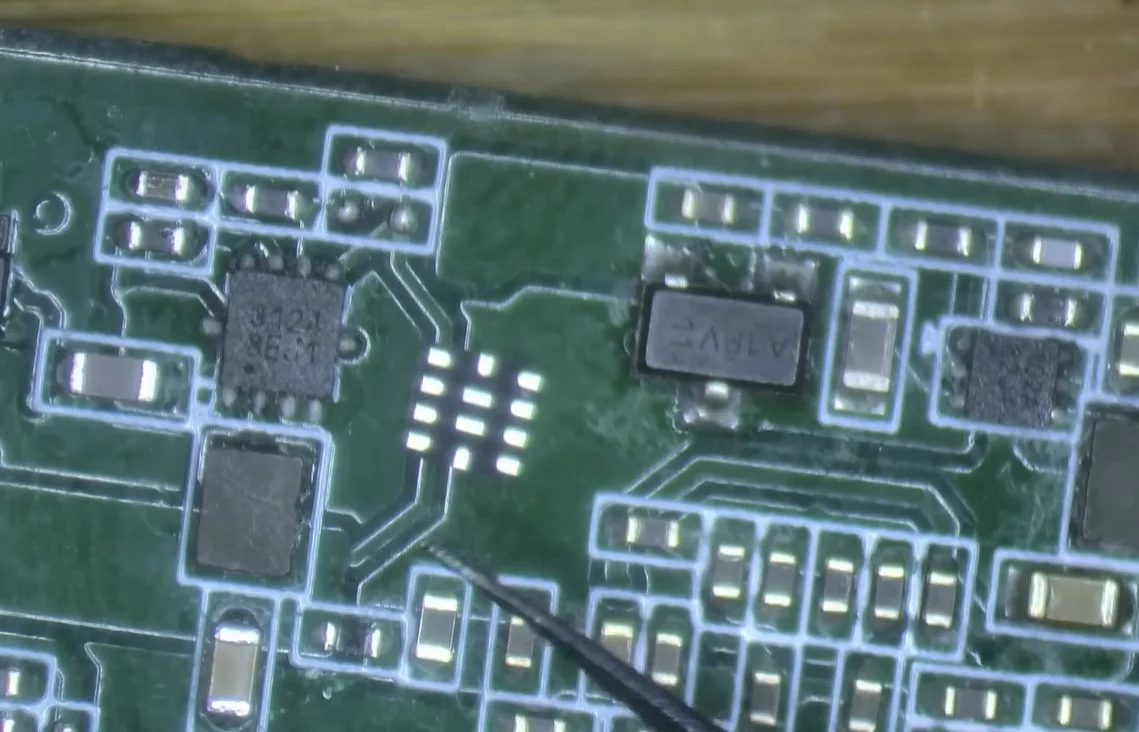
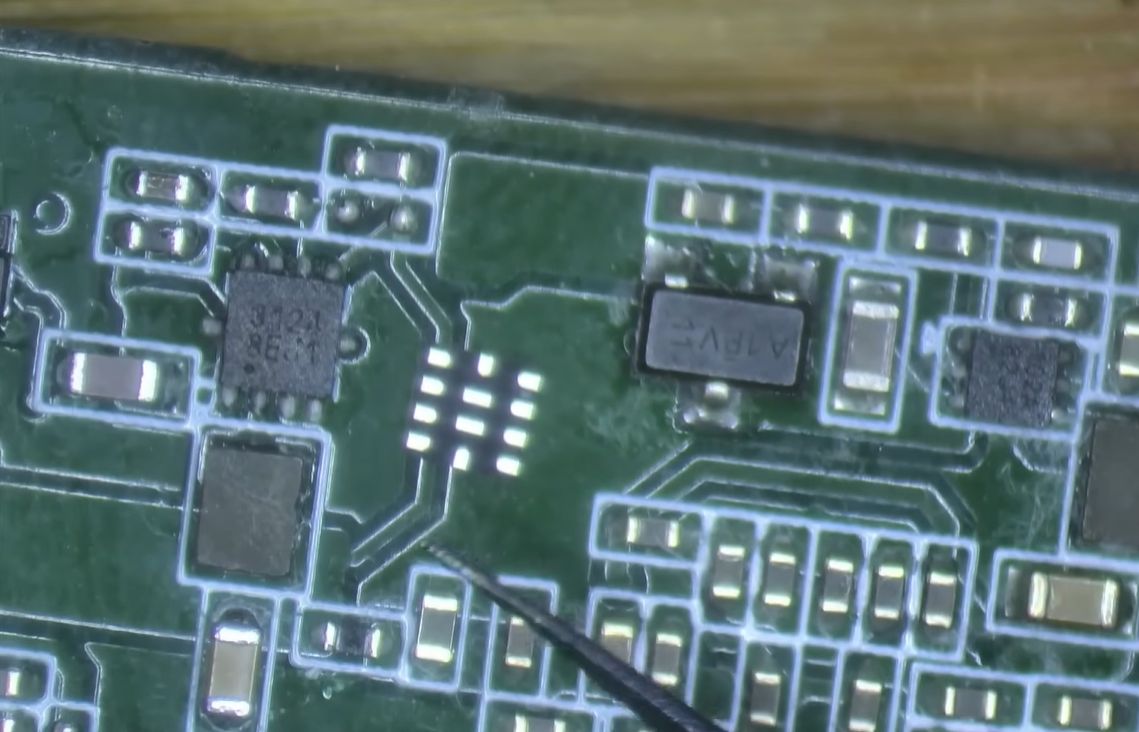
Further investigation into the disassembled device, utilizing advanced diagnostic tools such as a thermal camera, pinpointed the source of the electrical anomaly. A specific integrated circuit (IC) on the Cam Link 4K’s circuit board was observed to be overheating dramatically, signaling what was described as a "power leak" – an uncontrolled dissipation of electrical energy. This critical component, later identified as a buck regulator, had evidently failed, leading to the device’s inability to manage power efficiently and safely, thus triggering the USB overcurrent protection.
The subsequent repair, involving the replacement of a single, inexpensive component, not only rectified the immediate issue but also highlighted a broader systemic challenge within the electronics industry: the tension between proprietary design and the consumer’s right to repair, ultimately questioning the economic and environmental rationale behind discarding devices that are often easily fixable.
A Detailed Chronology of Diagnosis and Repair
The journey from system failure to successful repair is a testament to methodical diagnostics and the invaluable contributions of the independent repair community.
The Initial System Failure and Identification
The problem manifested as a critical system alert: "USB Device Over Current Status Detected," followed by an immediate shutdown of the PC. This protective mechanism is designed to prevent damage to the motherboard and other connected peripherals from an unregulated current draw. For [Bits und Bolts], this meant an abrupt halt to any work or creative endeavor, demanding immediate attention. The process of elimination, carefully disconnecting each USB peripheral one by one, eventually isolated the Elgato Cam Link 4K as the root cause. This step, while seemingly simple, requires patience and a systematic approach, often overlooked in the frustration of a system failure.
Advanced Diagnostics: Thermal Imaging and Component Isolation
With the faulty device identified, the next crucial step involved understanding the nature of the internal defect. Disassembly of the compact Elgato Cam Link 4K revealed its internal circuit board. Applying power to the device while observing it through a thermal camera quickly exposed the problem: one specific IC was radiating an abnormal amount of heat, far exceeding the operational norms for such a component. This thermal signature was a clear indicator of an internal short circuit or a catastrophic failure within the IC, causing it to draw excessive current and convert it into heat rather than regulating it for the device’s intended function. This advanced diagnostic technique is a cornerstone of board-level repair, allowing technicians to visualize invisible electrical issues.
The Unyielding Stance of Manufacturer Support
Armed with a clear diagnosis of a component-level failure, [Bits und Bolts] reached out to Elgato support, hoping for guidance or schematics that could aid in a board-level repair. However, as is often the case with many consumer electronics manufacturers, Elgato’s support channels were not equipped or authorized to provide assistance for component-level repairs. The standard response, implicitly or explicitly, points towards replacement rather than repair, leaving the owner with a $100 device deemed unfixable by its maker. This experience underscores a common frustration for consumers and independent repair technicians alike, highlighting the manufacturer’s often limited scope of support for complex technical issues beyond basic troubleshooting or warranty-covered replacements.
The Power of Community: Identifying the Culprit
Facing a dead end with official support, the owner turned to the vast resources of the online independent repair community. This is where the true resilience of the "right to repair" movement shines. Despite the cryptic markings on the overheated chip, it was discovered that this particular failure mode in the Elgato Cam Link 4K was not isolated. Research led to a crucial resource: a repair guide meticulously published by [Uldis Melderis]. This guide not only documented the exact same issue but, more importantly, identified the specific faulty component: the Texas Instruments (TI) TLV62585 buck regulator. This collaborative knowledge-sharing among enthusiasts and professionals is often the only pathway to repair for devices unsupported by manufacturers.
Sourcing and Replacing the Component
With the exact part identified, the repair transitioned from diagnosis to execution. The TI TLV62585 buck regulator, a ubiquitous component in power management circuits, was readily available from electronics suppliers for a mere fraction of the cost of the entire Cam Link 4K device – approximately $0.20 per unit. This stark price difference profoundly illustrates the economic absurdity of discarding the entire device.
The repair itself required specialized tools and skills, primarily a hot air rework station for carefully desoldering the minuscule faulty IC and precisely soldering the new one onto the densely packed circuit board. This intricate process demands a steady hand, knowledge of surface-mount device (SMD) rework techniques, and an understanding of thermal profiles to prevent damage to surrounding components.
Post-Repair Verification and Successful Restoration
Following the delicate replacement procedure, initial power tests were conducted to ensure the new component functioned as expected, with decidedly "less angry electrons" – a metaphorical way of saying the current draw was now within specifications and thermal output was normal. The device was then carefully reassembled into its original plastic casing. The ultimate test came with reconnecting the Cam Link 4K to the PC. This time, the system booted without complaint, recognizing the device, which subsequently performed its intended function flawlessly. The successful repair not only restored the device but also delivered a powerful message about the viability and value of component-level repairs.
Supporting Data: Technical Insights, Economic Realities, and Environmental Costs
The narrative of the Elgato Cam Link 4K’s repair extends beyond a single device, touching upon fundamental aspects of modern electronics, consumer economics, and environmental sustainability.
The Role of the Buck Regulator: A Critical Component
The TI TLV62585 is a synchronous buck converter, a type of DC-DC power converter designed to efficiently step down a higher input voltage to a lower output voltage. In the context of the Elgato Cam Link 4K, it likely converts the 5V power supplied via the USB port to the lower voltages (e.g., 3.3V, 1.8V) required by the device’s internal processors and other integrated circuits. These regulators are vital for ensuring stable and clean power delivery, crucial for the reliable operation of sensitive digital electronics.
Buck regulators are complex chips, integrating power switches, control logic, and feedback loops. Failures can occur due to various reasons:
- Electrical Stress: Overvoltage spikes, current surges, or prolonged operation at the edge of its specified limits can degrade internal components.
- Thermal Stress: Insufficient cooling or high ambient temperatures can accelerate wear and tear, leading to component failure.
- Manufacturing Defects: Infrequent but possible, latent defects in the chip itself can lead to premature failure.
- Component Degradation: Over time, electrolytic capacitors or other passive components associated with the regulator can degrade, impacting its stability and leading to its failure.
The "power leak" observed with the thermal camera indicates a catastrophic internal failure, likely a short circuit within the power stages of the regulator, causing it to dissipate energy as heat rather than convert it efficiently.
The Stark Economics: Repair vs. Replacement
The financial implications of this incident are particularly striking. A brand-new Elgato Cam Link 4K typically retails for around $100. The cost of the faulty component, the TI TLV62585 buck regulator, is approximately $0.20. This 500-fold difference in cost between a replacement part and a new device vividly illustrates the economic inefficiency of discarding easily repairable electronics. For consumers, this often means incurring significant, avoidable expenses. For the electronics industry, it represents a missed opportunity to build brand loyalty through repairability and sustainable practices.
The Environmental Burden of E-Waste
Beyond the economic considerations, the environmental impact is profound. Had [Bits und Bolts] not undertaken the repair, the faulty Cam Link 4K would have likely joined the growing mountain of electronic waste (e-waste). E-waste is the fastest-growing waste stream globally, laden with hazardous materials such as lead, mercury, and cadmium, alongside valuable rare earth elements. The production of new devices consumes finite resources and energy, contributing to carbon emissions and environmental degradation. The act of repairing a device, even a small one like the Cam Link 4K, directly counters this trend by extending the product’s lifespan and reducing the demand for new manufacturing. This single repair, multiplied across millions of devices, could significantly alleviate environmental pressures.
The Right to Repair Movement: A Growing Imperative
This incident serves as a compelling case study for the "right to repair" movement. This global advocacy effort champions the right of consumers and independent repair shops to access the parts, tools, and information (like schematics and service manuals) necessary to repair their own electronic devices. Proponents argue that restricting repair access leads to increased e-waste, limits consumer choice, and fosters monopolies for manufacturers and authorized service centers. Legislation supporting the right to repair has gained traction in various jurisdictions, including several U.S. states and the European Union, seeking to compel manufacturers to make repair resources more accessible. The difficulty in obtaining board-level repair assistance from Elgato directly fuels the arguments of this movement.
Official Responses: A Conspicuous Silence and Industry Trends
Elgato, like many other electronics manufacturers, operates within a business model that often prioritizes new product sales and official service channels over independent, component-level repairs. While their customer support is generally geared towards troubleshooting and warranty replacements, the lack of provision for board-level repair assistance is a widespread industry practice.
Manufacturer Justifications and Their Challenges
Manufacturers often cite several reasons for not supporting component-level repairs directly:
- Warranty Concerns: Repairs performed by unauthorized parties can void warranties, creating liability issues.
- Complexity and Specialization: Modern electronics are incredibly complex, requiring specialized tools and expertise. Manufacturers argue that untrained individuals attempting repairs could cause further damage or injury.
- Business Model: The economics often favor selling new devices. The cost of maintaining an extensive parts inventory, providing detailed schematics, and training a global network of component-level repair technicians for every product line can be prohibitive.
- Intellectual Property: Manufacturers may be reluctant to release schematics or internal documentation due to concerns over intellectual property theft or reverse engineering.
However, these justifications are increasingly challenged by environmental concerns, consumer demand for product longevity, and the rise of a highly skilled independent repair community. The fact that a third-party, [Uldis Melderis], had already identified the faulty part and published a repair guide for the Cam Link 4K demonstrates that such repairs are indeed feasible for those with the right skills and information.
The Broader Industry Landscape
The Elgato case is not unique. From smartphones to farm equipment, manufacturers have historically employed various tactics to control the repair ecosystem, including:
- Soldering components to motherboards: Making upgrades or replacements difficult.
- Proprietary fasteners and glues: Requiring specialized tools for disassembly.
- Software locks: Preventing devices from functioning with unauthorized parts.
- Lack of official parts availability: Forcing consumers to rely on aftermarket or salvaged components.
This trend has fueled the "right to repair" movement, advocating for policy changes that would mandate manufacturers to provide parts, tools, and manuals to consumers and independent repair shops. The lack of an official response or support for such a common failure in the Cam Link 4K further solidifies the movement’s arguments for greater transparency and accessibility in repair.
Implications: Towards a More Sustainable and Empowered Future
The successful repair of the Elgato Cam Link 4K by [Bits und Bolts] carries significant implications across consumer empowerment, economic sustainability, and environmental responsibility.
Consumer Empowerment and Skill Development
This incident serves as a powerful illustration of consumer empowerment. By taking matters into his own hands, [Bits und Bolts] not only saved money but also gained valuable technical experience. It highlights the importance of developing practical electronics repair skills and the critical role of online communities and independent technicians in sharing knowledge and resources. In an increasingly disposable society, the ability to diagnose and fix complex electronics is a valuable life skill that fosters independence and critical thinking. It encourages a shift from passive consumption to active engagement with technology.
Economic Benefits and the Circular Economy
The economic implications are clear: repairing a $100 device for $0.20 is a substantial saving. If such repairs were more widely supported and accessible, it could significantly reduce consumer spending on new electronics. Furthermore, it paves the way for a more robust circular economy, where products are designed for durability, reuse, and repair, rather than a linear "take-make-dispose" model. This fosters local repair businesses, creates specialized jobs, and keeps wealth within communities. The market for spare parts and repair services could become a significant economic sector, offering alternatives to simply buying new.
Environmental Responsibility and E-Waste Reduction
The most profound long-term implication is the reduction of e-waste. Every device repaired is one less device ending up in a landfill or undergoing energy-intensive recycling processes. As the volume of electronic devices continues to grow exponentially, adopting a repair-first mentality is crucial for mitigating environmental damage. Manufacturers have a moral and increasing legal obligation to design products with repairability in mind, making components accessible and providing necessary documentation. This single repair, when viewed as a microcosm, represents a potential paradigm shift in how society interacts with its technological possessions.
The Future of Electronics Design and Policy
This case, alongside countless others, puts pressure on manufacturers to rethink product design and corporate policy. The ideal future involves devices designed for longevity and easy repair, with modular components, standardized fasteners, and readily available parts and schematics. Regulatory bodies, spurred by the "right to repair" movement, are increasingly examining legislation that would mandate these changes. The Elgato Cam Link 4K story is a small but significant piece of a much larger global conversation about sustainability, consumer rights, and the ethical responsibilities of technology companies. It serves as a potent reminder that often, the solution to a complex problem lies in a simple, inexpensive component, and the collective knowledge of a dedicated community.