Unlocking the Flow: How a "Smart" Water Filter’s Secrets Were Exposed for Home Automation
Main Facts
In an era increasingly defined by connectivity and the "Internet of Things," even household appliances designed for utility are becoming sophisticated digital devices. One such example is the Waterdrop G3P600 reverse-osmosis (RO) water filtration system, a premium appliance promising ultra-clean drinking water through advanced technology. However, its "smart" features, while innovative, often operate within proprietary ecosystems, limiting user control and integration. This challenge recently spurred a remarkable feat of independent engineering: the complete reverse-engineering of the Waterdrop G3P600’s smart faucet communication protocol by tech enthusiast Tomasz Wasilczyk.
Wasilczyk’s meticulous work, meticulously documented on GitHub, has not only demystified the inner workings of this advanced RO unit but has also opened the door for its seamless integration into popular home automation platforms like Home Assistant, powered by ESPHome. The project’s core achievement lies in deciphering the proprietary data stream transmitted over a simple four-pin connector linking the RO unit to its display-equipped faucet. This breakthrough now allows users to access a wealth of data – from filter health and water quality to pump status and ambient temperature – and to exert unprecedented control over their water purification system, transforming a closed appliance into an open, adaptable component of a smart home ecosystem.
The motivation behind this endeavor was rooted in a common frustration among smart device owners: the desire for interoperability. While the Waterdrop G3P600 boasts a "smart" faucet with a 7-segment display and an array of LEDs, its intelligence was, by design, self-contained. Wasilczyk sought to break down these digital barriers, enabling the RO system to communicate with other smart devices and respond to user-defined automation rules. This initiative not only exemplifies the spirit of the "right to repair" and user empowerment but also showcases the potential for hobbyists to drive innovation and enhance the functionality of consumer electronics beyond their manufacturer’s original intent. The successful integration of the Waterdrop system into Home Assistant now offers practical benefits ranging from predictive maintenance for filters to sophisticated water quality monitoring, proving that with enough curiosity and technical prowess, the secrets of even the most sophisticated appliances can be unveiled for the benefit of the broader community.
A Deep Dive into the Chronology of Discovery
The journey to unlock the Waterdrop G3P600’s secrets was a methodical process, characteristic of dedicated reverse engineering efforts. It began with an initial observation, progressed through hypothesis and testing, and culminated in a functional, integrated solution.
The Initial Spark: Curiosity Meets Complexity
Tomasz Wasilczyk, upon acquiring the Waterdrop G3P600 RO system, was immediately impressed by its capabilities and its "smart" faucet. This faucet wasn’t merely a dispenser; it was a digital interface, featuring a prominent 7-segment display and an array of indicator LEDs. These visual cues provided real-time feedback on the system’s operational status, water quality, and filter life. However, the elegance of this design also presented a conundrum: how did the faucet receive this information from the main RO unit? The connection point was a simple four-pin cable, a standard interface that often belies a complex underlying communication protocol. Wasilczyk recognized this as an opportunity, a digital puzzle waiting to be solved. His initial curiosity quickly evolved into a focused engineering challenge, driven by the desire to integrate the RO unit into his existing home automation infrastructure, specifically for use with ESPHome and Home Assistant. He envisioned a system where he could monitor water quality remotely, receive alerts for filter changes, and potentially even automate aspects of the water purification process.
Unraveling the Serial Link
The four-pin connector was the gateway. Standard practice in electronics reverse engineering dictates that such connectors often carry power, ground, and some form of data communication. Wasilczyk’s first hypothesis was a serial link – a common and relatively simple method for two devices to exchange data. Using tools like a multimeter and potentially a logic analyzer (though not explicitly stated in the original brief, these are standard for such tasks and would be employed), he set about identifying the function of each pin. His investigation quickly confirmed the presence of a 5-volt power line, a ground connection, and, crucially, a data line operating at a standard baud rate of 9,600. This discovery was a pivotal moment, as a known serial link with a defined baud rate significantly simplifies the subsequent steps of protocol analysis. The stability and clarity of the signal at this rate indicated a robust, though proprietary, communication channel.
Decoding the Data Stream
With the physical layer of communication understood, the next challenge was to decipher the language spoken over this serial link. Wasilczyk initiated a process of observation and correlation. He meticulously monitored the data flowing across the serial connection while simultaneously observing the corresponding changes on the faucet’s display and LEDs. For instance, when the faucet indicated a "filter change required," he would note the specific data packets being transmitted. Similarly, changes in water quality readings (often displayed as TDS – Total Dissolved Solids) or the activation of the pump would be cross-referenced with the serial data. This iterative process allowed him to build a "dictionary" of the protocol, mapping specific bytes or sequences of bytes to operational parameters like filter health, water quality metrics, pump status, the system’s internal air temperature, and the current state of the faucet (e.g., dispensing water, idle). This data-rich stream proved to be far more extensive than initially anticipated, offering a comprehensive view of the RO unit’s internal diagnostics and operational state.
From Theory to Hardware: The Custom PCB
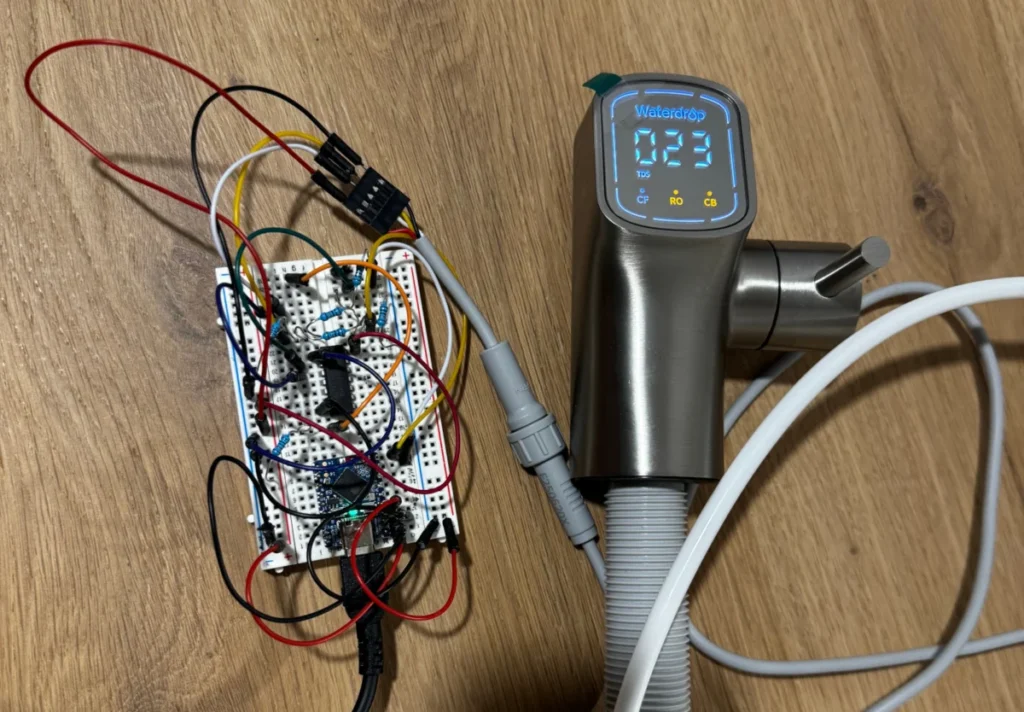
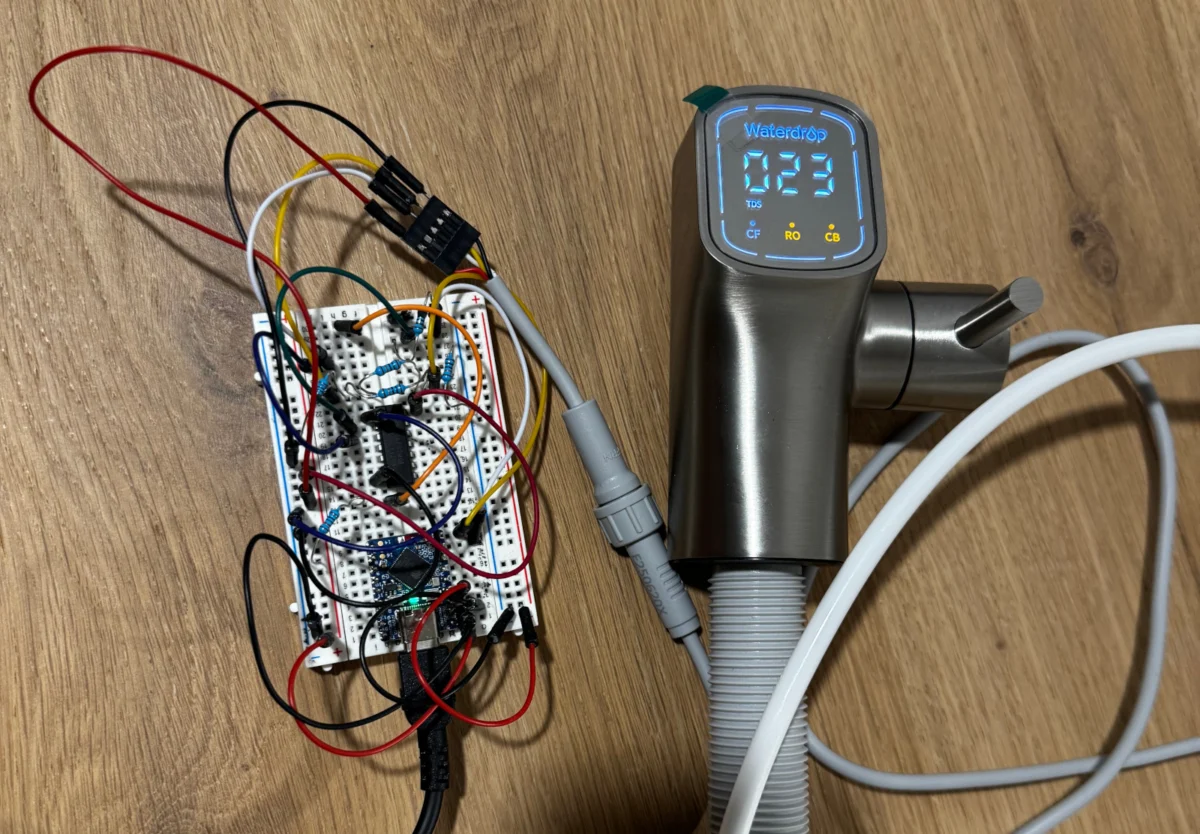
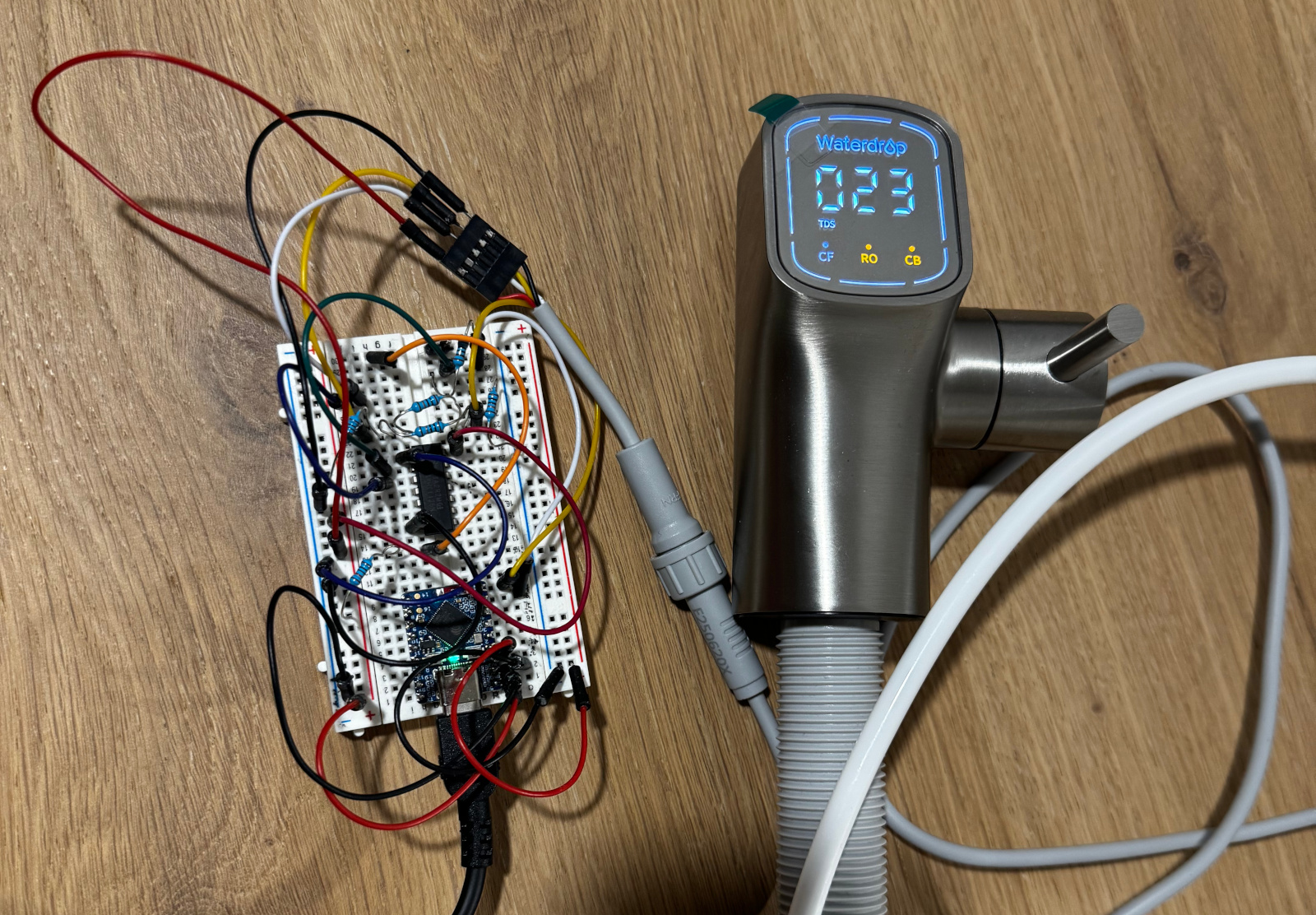
Armed with a clear understanding of the protocol, the next logical step was to create a physical interface that could interpret and interact with this data. While software analysis was crucial, a dedicated piece of hardware was necessary to bridge the gap between the Waterdrop unit and the home automation system. Wasilczyk embarked on designing a custom Printed Circuit Board (PCB). This PCB would act as an intermediary, receiving the serial data from the RO unit, processing it, and then transmitting it in a format compatible with ESPHome – a firmware that allows Espressif microcontrollers (like the ESP32 or ESP8266) to be easily integrated into Home Assistant. The design process involved selecting appropriate components, laying out the circuit, and iterating on the design to ensure stability, reliability, and compatibility with both the Waterdrop protocol and the ESPHome platform. The creation of this custom hardware was a testament to the practical application of the reverse-engineered protocol, transforming theoretical knowledge into a tangible, functional device.
Powering Up and the Unforeseen Glitch
With the custom PCB designed and fabricated, the moment arrived to power up the new interface and connect it to the RO unit. To make the custom hardware self-sufficient, Wasilczyk attempted to tap into the RO unit’s internal power supply. This is a common practice in DIY electronics projects to avoid external power bricks. However, this step introduced an unexpected challenge. In an unfortunate misstep, a 24-volt line was mistakenly connected where a 12-volt supply was expected. The result was a blown fuse within the RO unit. This incident, while minor in its long-term impact, highlighted the inherent risks of modifying consumer electronics and served as a crucial learning experience. It underscored the importance of meticulous verification of voltage lines and power requirements during the integration phase. Fortunately, a replacement fuse quickly rectified the issue, and with the correct power supply identified and utilized, the custom PCB successfully came to life.
Integration into the Smart Home Ecosystem
With the custom hardware now operational and correctly interfaced with the Waterdrop RO unit, the final phase of the project commenced: integration into the home automation system. The custom PCB, running ESPHome firmware, was configured to expose the decoded data points as sensors and controls within Home Assistant. This process involved defining entities for filter health (e.g., filter A percentage, filter B percentage), water quality (e.g., input TDS, output TDS), pump status, and even the faucet’s operational state. Through Home Assistant’s flexible dashboard interface, Wasilczyk could now visualize all this data in real-time, create automation rules based on specific thresholds (e.g., "notify me when filter A drops below 10%"), and even potentially trigger actions based on water quality readings. The journey from a proprietary, closed system to an open, fully integrated smart appliance was complete, demonstrating the profound impact of user-driven innovation.
Supporting Data and Technical Underpinnings
The success of Wasilczyk’s project is built upon several foundational technical concepts and market trends that highlight the significance of his work.
The Rise of Reverse Osmosis Systems
Reverse osmosis (RO) technology has become a cornerstone of advanced water purification, particularly for residential use. Unlike simpler filters that rely on mechanical straining or activated carbon, RO systems use a semi-permeable membrane to remove a vast array of contaminants, including dissolved solids, heavy metals, bacteria, viruses, and even certain pesticides. This results in exceptionally pure drinking water, often with a significant reduction in total dissolved solids (TDS). The increasing demand for cleaner, safer drinking water, coupled with concerns over tap water quality, has propelled RO systems into mainstream consumer markets. As these systems have become more prevalent, manufacturers have begun incorporating "smart" features, such as digital displays for filter life and water quality, automated flushing cycles, and sometimes even app-based monitoring. The Waterdrop G3P600 represents a high-end iteration of this trend, offering sophisticated monitoring through its dedicated smart faucet. However, the "smartness" often comes at the cost of interoperability, creating a walled garden effect that limits how users can integrate these devices into broader smart home ecosystems.
The Power of Home Automation: ESPHome and Home Assistant
The true value of Wasilczyk’s reverse engineering lies in its ability to bridge the Waterdrop RO system with open-source home automation platforms. ESPHome and Home Assistant are two such powerful tools that have revolutionized how hobbyists and professionals alike manage their smart homes.
- ESPHome: This is an open-source framework that allows users to easily create custom firmware for ESP8266/ESP32 microcontrollers. Instead of writing complex C++ code, users define their device’s functionality in a simple YAML configuration file. ESPHome then compiles the firmware, which can be flashed onto the microcontroller. This makes it incredibly accessible to integrate custom sensors, actuators, and communication protocols (like the one Wasilczyk deciphered) into a unified smart home environment. Its strength lies in its simplicity and its native integration with Home Assistant.
- Home Assistant: This is a free and open-source software platform designed for local control of smart home devices. It acts as a central hub, allowing users to connect and automate a vast array of devices from different manufacturers, regardless of their proprietary protocols (if an integration exists). Home Assistant emphasizes privacy, local control, and a highly customizable user interface. It allows for complex automation rules, data logging, and visual dashboards, transforming a collection of disparate smart devices into a cohesive, intelligent home.
By leveraging ESPHome and Home Assistant, Wasilczyk could bypass the Waterdrop system’s proprietary limitations, gaining granular control and visibility that would otherwise be impossible. This approach embodies the spirit of open-source collaboration and user empowerment, providing alternatives to manufacturer-dictated ecosystems.
The Protocol Revealed: A Look at the Data
The successful reverse engineering of the Waterdrop G3P600’s serial protocol yielded a treasure trove of data. Wasilczyk discovered that the four-pin connection facilitated a constant exchange of detailed operational parameters between the RO unit and the smart faucet. This included:
- Filter Health: Individual remaining life percentages for each filter stage (e.g., pre-filter, RO membrane, post-carbon filter), crucial for timely replacements and maintaining water quality.
- Water Quality (TDS): Readings for both incoming tap water (before filtration) and outgoing purified water (after filtration), allowing users to monitor the efficiency of the RO membrane and overall system performance.
- Pump Status: Indication of whether the internal pump is active, providing insight into the system’s operational cycles.
- System Temperature: Internal temperature readings, which could be useful for diagnostics or for understanding environmental impacts on system performance.
- Faucet State: Information about whether the faucet is currently dispensing water, idle, or in a specific mode.
This extensive data set moves beyond simple on/off control, enabling genuinely intelligent automation. Imagine an automation that alerts you if the TDS of your purified water unexpectedly rises, indicating a potential membrane issue, or an alert when a filter’s life drops below 5%, automatically adding it to a shopping list. This level of data-driven management enhances convenience, ensures optimal performance, and can lead to significant cost savings by optimizing filter replacement schedules.
The Significance of Open-Source Contributions
Wasilczyk’s decision to document his findings and release the code on GitHub is a cornerstone of the open-source ethos. His repository, "twasilczyk/waterdrop-esphome," serves as a blueprint for others who own similar Waterdrop systems or are interested in applying reverse engineering techniques to their own smart devices. This act of sharing fosters a community of innovation, allowing others to learn from his work, contribute improvements, and expand the functionality even further. Open-source contributions like this democratize technology, providing alternatives to proprietary solutions and promoting a culture of collaboration and knowledge sharing among enthusiasts worldwide. It also acts as a counterpoint to the common industry practice of locking users into specific brands or ecosystems.
Official Responses and Industry Context
In the context of such independent reverse engineering projects, the official stance of manufacturers often remains silent or, if addressed, typically cautions against unauthorized modifications.
Manufacturer’s Perspective (Hypothetical/General)
Waterdrop, like many other manufacturers of "smart" appliances, has not issued an official response to Wasilczyk’s specific hack. This is typical. From a manufacturer’s perspective, proprietary protocols serve several purposes:
- Control and Quality Assurance: They allow the company to maintain strict control over the device’s functionality, ensuring consistent performance and preventing unauthorized modifications that could lead to malfunctions or safety hazards.
- Warranty Protection: Unauthorized tampering with internal components or communication protocols almost invariably voids product warranties. This is a significant disincentive for most consumers.
- Ecosystem Lock-in: Proprietary protocols are a key component of building a brand-specific ecosystem. By limiting interoperability, manufacturers encourage consumers to purchase other products within their own brand or compatible partners, fostering brand loyalty and repeat business.
- Intellectual Property Protection: The design of these protocols can be considered intellectual property, representing significant research and development investment.
- Planned Obsolescence (Debatable): While not always explicitly stated, some argue that proprietary systems contribute to planned obsolescence by making devices harder to repair or integrate as technology evolves, pushing consumers towards newer models.
While these are valid business considerations, they often clash with consumer desires for greater control and flexibility over products they own.
The "Right to Repair" and User Empowerment
Wasilczyk’s project is a powerful example of the "right to repair" movement in action. This global movement advocates for consumers’ ability to repair, modify, and customize their own products, rather than being forced to rely solely on manufacturers for costly repairs or replacements. It challenges practices like proprietary parts, software locks, and sealed designs that make independent repair difficult or impossible.
By reverse-engineering the Waterdrop RO system, Wasilczyk effectively demonstrated that technical barriers, even when intentionally erected by manufacturers, can be overcome. This empowers consumers by:
- Extending Product Lifespan: Enabling repairs and upgrades that might otherwise be unavailable or prohibitively expensive.
- Reducing E-Waste: By making devices more repairable and adaptable, the need for premature disposal is lessened.
- Fostering Innovation: Allowing independent developers and users to create new functionalities that manufacturers might not have considered or prioritized.
- Promoting Data Ownership: Giving users more control over the data generated by their devices.
This project underscores the argument that once a product is purchased, its owner should have the freedom to understand, maintain, and adapt it, fostering a more sustainable and user-centric approach to consumer electronics.
The Future of Smart Appliances: Interoperability vs. Proprietary Ecosystems
The smart home industry is currently at a critical juncture, wrestling with the dichotomy between proprietary ecosystems and the growing demand for interoperability. Major players often prefer to keep users within their own branded ecosystems (e.g., Apple HomeKit, Amazon Alexa, Google Home, Samsung SmartThings), which can lead to fragmentation and frustration for consumers trying to integrate devices from different brands.
However, there is a strong industry push towards open standards. Initiatives like Matter, backed by major tech companies, aim to create a unified, open-source connectivity standard for smart home devices, allowing them to communicate seamlessly regardless of brand or underlying technology. Wasilczyk’s hack, while specific to one device, resonates deeply with this broader movement. It highlights the user-driven desire for devices that "just work together," without requiring complex workarounds. As smart appliances become more ubiquitous, the ability for users to customize and integrate them will become a key differentiator, potentially forcing manufacturers to adopt more open strategies or risk being outmaneuvered by open-source alternatives and user-driven innovation.
Implications and Future Horizons
The successful reverse engineering of the Waterdrop G3P600 RO system carries significant implications, extending beyond the immediate benefits for its creator. It illuminates pathways for enhanced user control, more efficient resource management, and a broader philosophical shift in how consumers interact with their "smart" devices.
Enhanced User Control and Efficiency
The most immediate and tangible implication of Wasilczyk’s work is the unprecedented level of control and insight now available to Waterdrop G3P600 owners. Through Home Assistant, users can:
- Proactive Maintenance: Monitor filter life with precise percentages, allowing for timely ordering and replacement before water quality degrades, optimizing filter usage and preventing unexpected outages.
- Real-time Quality Assurance: Track input and output TDS levels continuously, providing instant verification of the RO membrane’s effectiveness and alerting users to any potential issues.
- Automated Alerts: Configure notifications for critical events, such as low filter life, unusually high output TDS, or even potential leaks (if additional sensors are integrated), enhancing peace of mind.
- Optimized Usage: Gain insights into water consumption patterns, which can inform decisions about water usage habits and potentially contribute to conservation efforts.
- Integration with Other Systems: For example, integrating the RO system’s status with a whole-house water shut-off valve, allowing for automatic closure if a leak is detected or if a filter issue becomes critical.
This level of detail and automation translates directly into greater efficiency, reduced waste, and a more informed approach to managing household water purification.
Data-Driven Water Management
Beyond basic monitoring, the wealth of data now accessible opens the door to sophisticated data-driven water management. By logging historical data within Home Assistant, users can:
- Predictive Analytics: Analyze trends in filter degradation to predict future replacement schedules more accurately, allowing for bulk purchases or subscription optimizations.
- Performance Benchmarking: Compare the system’s performance over time, or against manufacturer specifications, to ensure it operates at peak efficiency.
- Resource Optimization: Understand how different usage patterns impact filter life and water quality, enabling more sustainable and cost-effective operation.
- Environmental Impact Assessment: Contribute to broader understanding of household water consumption and purification needs, potentially informing local conservation efforts or personal sustainability goals.
This elevates the RO system from a passive appliance to an active, data-generating component of a smart home’s resource management strategy.
The Precedent for Consumer Device Hacking
Wasilczyk’s project sets a compelling precedent for other consumer device owners and the broader maker community. It demonstrates that with sufficient determination and technical skill, the "black boxes" of proprietary smart appliances can be opened. This encourages a culture of exploration and customization, inspiring other users to:
- Question Proprietary Locks: Challenge the notion that purchased devices should remain closed systems.
- Share Knowledge: Contribute to open-source initiatives that aim to make devices more accessible and interoperable.
- Foster Innovation: Develop new functionalities and integrations that manufacturers may never consider, leading to a more diverse and adaptable smart home landscape.
This collective effort can push the industry towards more open standards and greater transparency, ultimately benefiting consumers by giving them more control over their technology investments.
Addressing Potential Risks
While the benefits are substantial, it is crucial to acknowledge the potential risks associated with reverse engineering and modifying consumer electronics.
- Warranty Voidance: As previously noted, any unauthorized modification almost certainly voids the manufacturer’s warranty, leaving the user responsible for any subsequent repairs.
- Safety Concerns: Incorrect electrical connections, as demonstrated by the blown fuse incident, can lead to damage to the device, electrical hazards, or even fire. Users attempting similar projects must possess adequate electrical safety knowledge and exercise extreme caution.
- Malfunction: Improperly implemented protocols or hardware modifications could cause the device to malfunction, potentially impacting its primary function (in this case, water purification) or leading to leaks.
These risks underscore the importance of thorough research, careful execution, and a strong understanding of electronics and safety protocols for anyone embarking on similar projects.
What Lies Ahead for the Waterdrop G3P600
For Wasilczyk’s project, the journey is likely far from over. The initial success provides a strong foundation, but reverse engineering often reveals deeper layers of complexity and potential. Future work could involve:
- Deeper Protocol Exploration: Uncovering additional commands or data points that might allow for more advanced control, such as initiating flushing cycles, adjusting pump speeds (if hardware allows), or accessing diagnostic modes.
- Bidirectional Control: While the current focus is on reading data, exploring the possibility of sending commands to the RO unit from Home Assistant (e.g., initiating a "dispense X amount of water" command).
- Enhanced Hardware Integration: Developing a more robust or compact custom PCB, perhaps integrating it directly into the RO unit’s casing if space allows and safety permits.
- Community Contributions: Leveraging the open-source nature of the project to gather contributions from other users, leading to improved code, broader compatibility, or new features.
- Integration with Peripheral Systems: Connecting the RO system’s data with other home systems, such as smart irrigation (to optimize plant watering with purified water), or even smart refrigerators with water dispensers.
Tomasz Wasilczyk’s achievement with the Waterdrop G3P600 stands as a testament to the power of independent ingenuity. It’s a clear signal that consumers are increasingly unwilling to accept arbitrary limitations on their purchased devices. As the smart home continues its evolution, such acts of digital liberation will likely become more common, driving both innovation and a renewed focus on user empowerment and open standards within the technology landscape.