Instant Action: The Rise of High-Fidelity Browser Gaming
In the contemporary gaming landscape, the barrier to entry has traditionally been defined by hardware specifications, storage capacity, and the time-consuming process of downloading and installing massive game files. However, a silent revolution is occurring within the humble browser window. Developers are increasingly leveraging the power of WebGL, WebAssembly, and optimized game engines to deliver console-quality experiences that require nothing more than a URL.
This shift toward "instant-play" architecture is being spearheaded by platforms like itch.io, which serves as a vibrant ecosystem for independent creators. By focusing on action-oriented titles—a genre typically associated with high performance and responsiveness—developers are proving that the browser is no longer just for simple puzzles or flash-based diversions. It is now a legitimate stage for roguelites, bullet hells, and complex physics-based simulations.
The Evolution of the Browser Gaming Ecosystem
The history of browser gaming is often unfairly maligned, historically tethered to the now-defunct Adobe Flash era. While that era provided a foundation for accessibility, it was plagued by performance limitations and security vulnerabilities. The transition to HTML5 and modern JavaScript engines marked a turning point.
In recent years, the democratization of game engines like Godot, Unity (Web Export), and PICO-8 has allowed creators to bridge the gap between desktop and browser performance. The current wave of "fresh" browser games is not merely a collection of side projects; they are tightly designed, mechanically deep titles that challenge the necessity of local installation. Whether through the charm of pixel art or the complexity of deck-building roguelites, these games represent a pivot toward a more frictionless gaming future.

Spotlight: Action Titles Redefining the Browser Experience
The current cohort of browser-based action games demonstrates a remarkable diversity in design philosophy. By analyzing these projects, we can identify key trends in modern indie development.
1. The Roguelite Resurgence
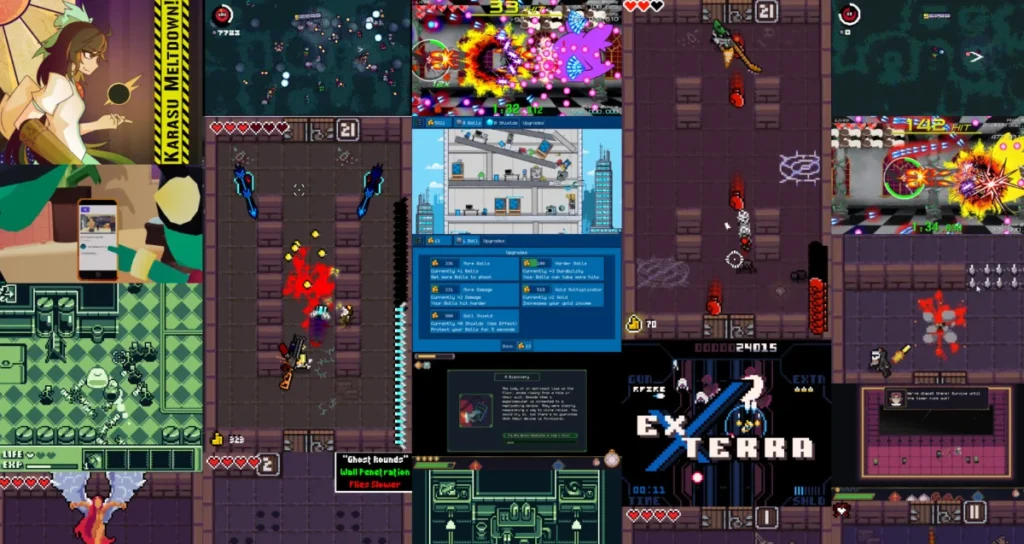
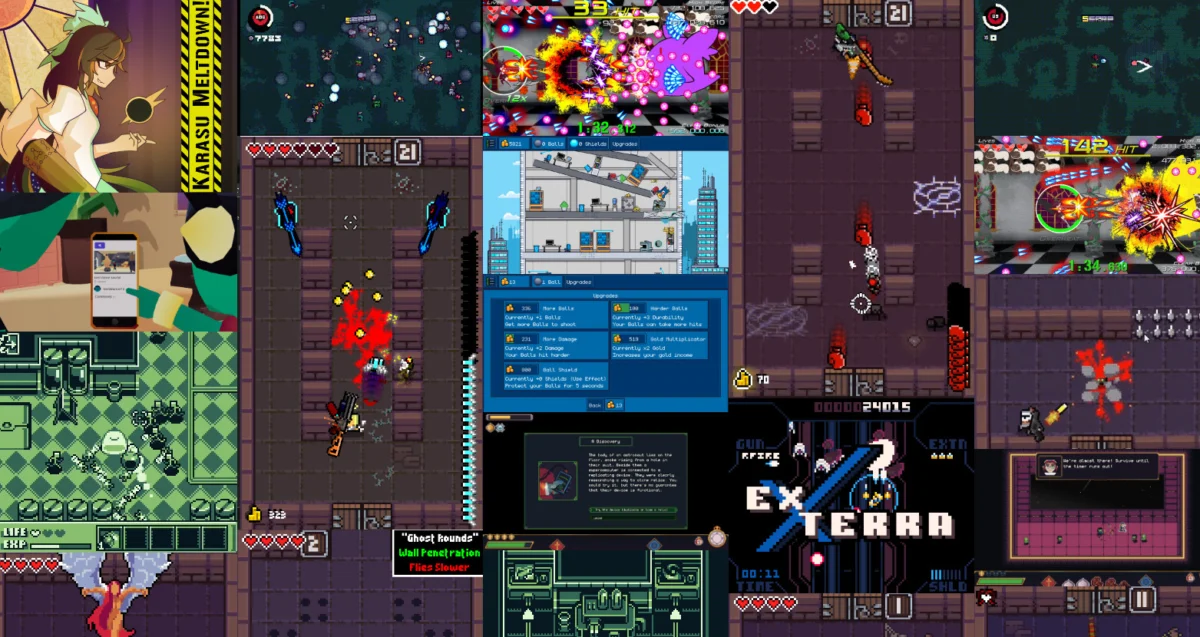
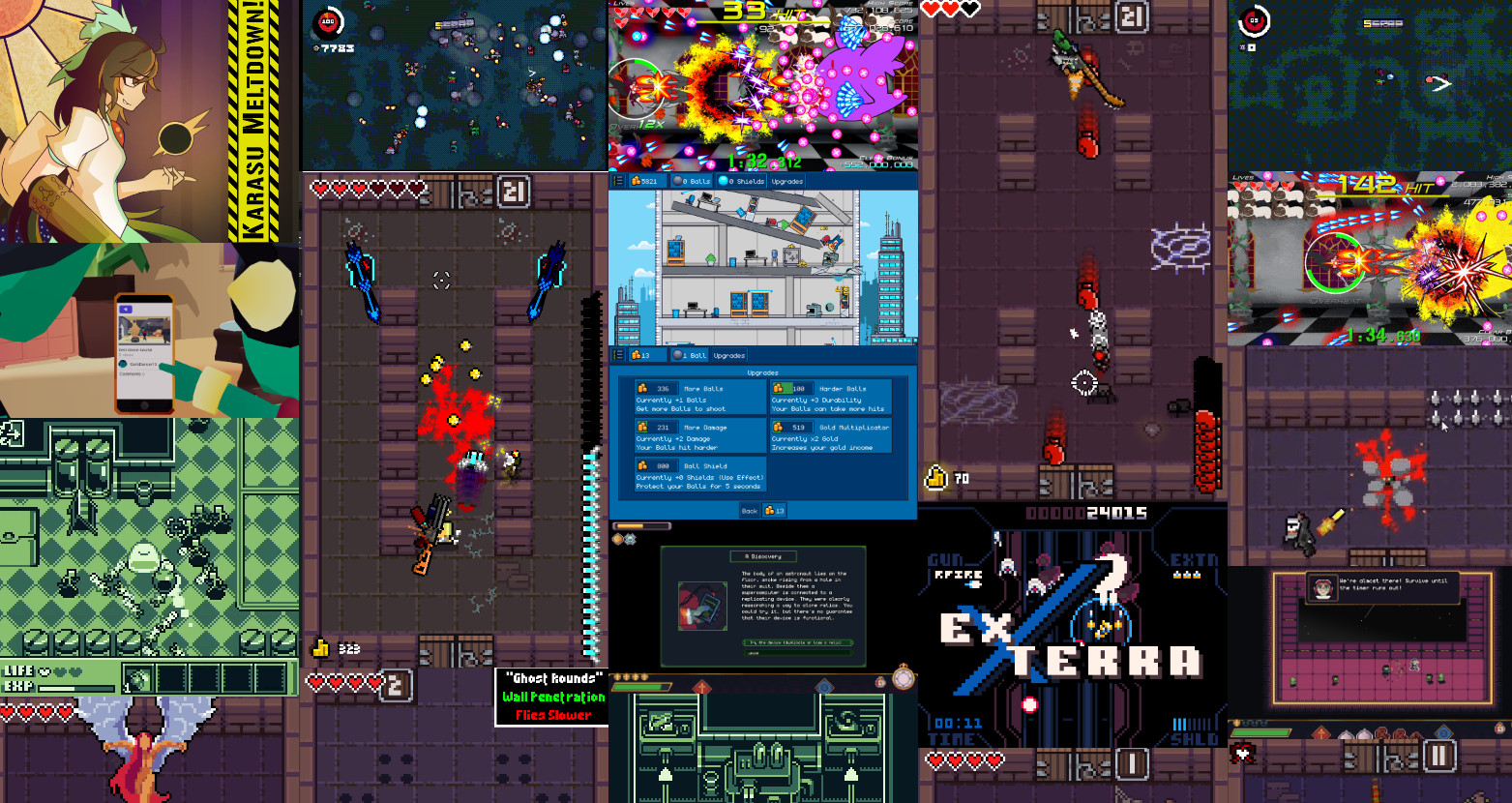
- Gun Knight: By blending dungeon crawling with "gun magic," Gun Knight utilizes procedural generation to keep gameplay fresh. The core loop—venturing into dungeons and modifying a base pistol with modular parts—highlights the importance of player agency.
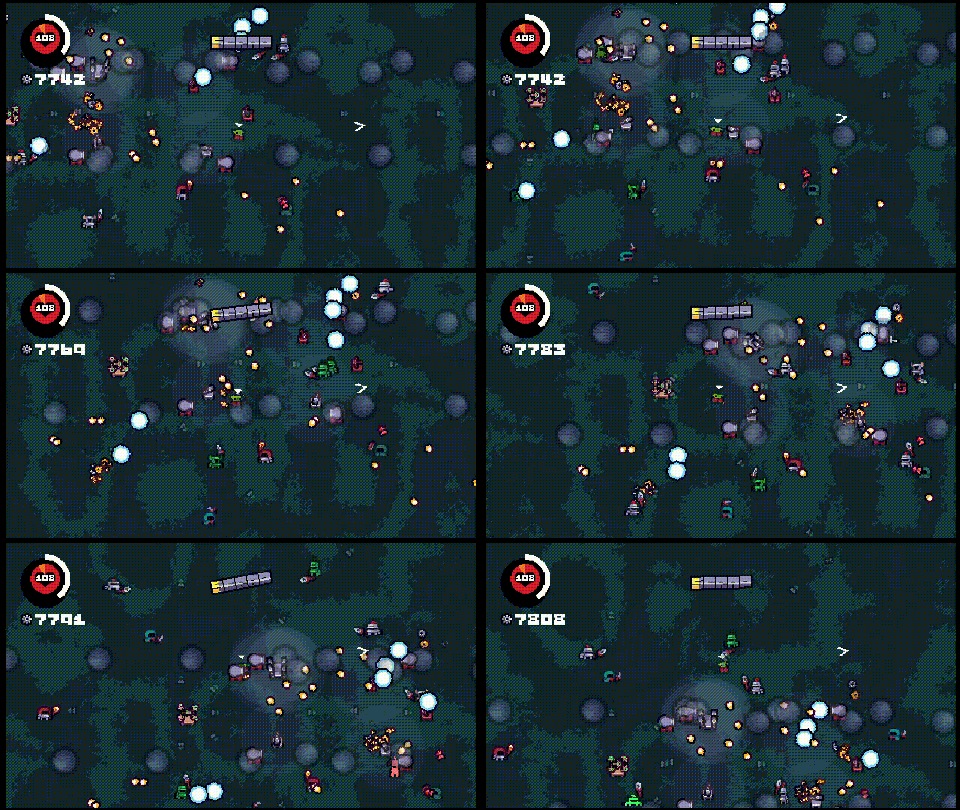
- Groblin Survivors: This title merges the "horde survivor" craze with tactical tower defense. Its success lies in the balance between active combat (dodging attacks) and strategic planning (placing defenses), proving that complex sub-genres can thrive in a browser.
- Moon Watch: A standout for its innovative use of time-manipulation mechanics, Moon Watch introduces deck-building elements to the survival genre. It demonstrates how "post-jam" development can result in highly polished, cohesive mechanics.
2. Precision and Performance: Shmups and Bullet Hells
- EX TERRA: Utilizing the PICO-8 engine, this title offers a focused, high-score-driven experience. Its emphasis on close-quarters combat and a robust shield mechanic demonstrates that browser games can cater to the "hardcore" audience that demands mechanical precision.
- KARASU MELTDOWN!: Created under the constraints of a game jam, this bullet hell title emphasizes the "caravan" style of play, where survival is intrinsically linked to the scoring system. It serves as a masterclass in how time-constrained development (three weeks) can lead to highly refined, arcade-style gameplay.
3. Experimental Physics and Narrative
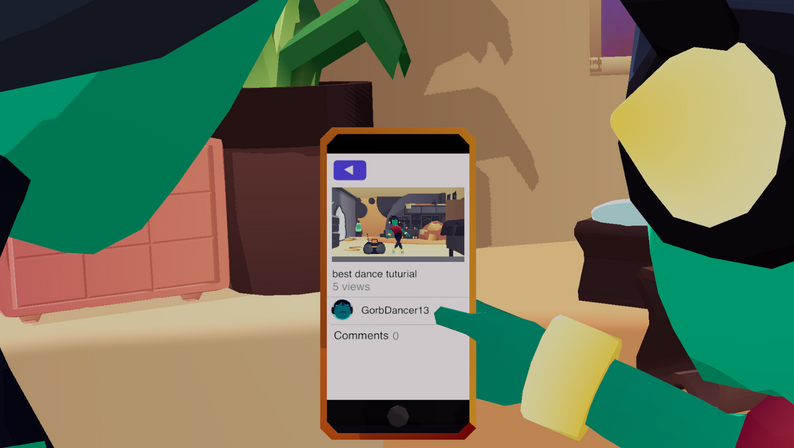
- Portal to the Cosmobeat: Moving away from combat, this 3D title focuses on rhythm and narrative. It underscores the versatility of browser engines in handling three-dimensional environments and lighthearted storytelling.
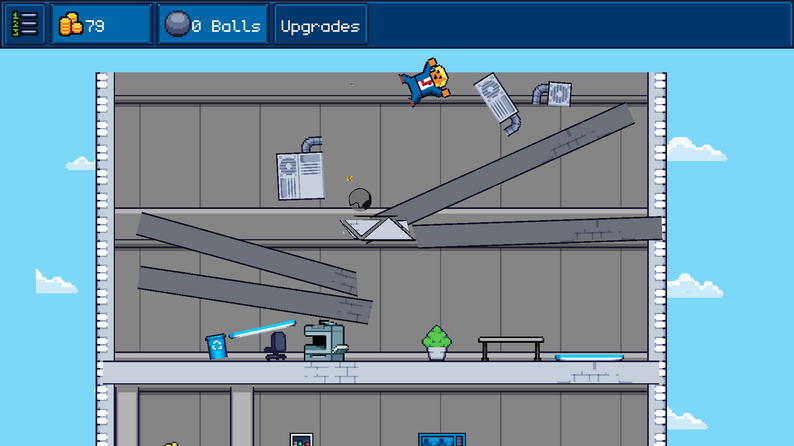
- Plummet Panic: A product of the Godot Wild Jam, this game focuses on the "incremental" feel. By rewarding the player with money and floor destruction, it provides a satisfying progression loop that keeps players engaged through repeated, quick-fire sessions.
- Slime 3k: Demake: This title serves as a fascinating study in aesthetics. By opting for a "demake" style reminiscent of the Game Boy era, the developers not only evoke nostalgia but also optimize the game for the lower hardware overheads of browser-based play.
Supporting Data: Why Accessibility Matters
The shift toward browser-native action games is not merely a stylistic choice; it is a data-driven response to shifting player habits. Industry data suggests that the "drop-off rate" for games increases significantly with every minute spent on installation or registration.
- Frictionless Entry: By eliminating the "download-install-patch" cycle, developers observe a significantly higher conversion rate from "curiosity" to "player."
- Hardware Agnosticism: Modern browser games are increasingly hardware-agnostic. A game like Slime 3k: Demake can run on a high-end workstation or a dated school laptop with equal stability, expanding the potential audience base by millions.
- Community Engagement: As seen on itch.io, the ability to leave feedback directly on the game page creates a tight feedback loop. Players are more likely to provide constructive criticism on a project they have played within seconds of discovering it.
Official Perspectives: The Indie Developer’s Stance
Independent developers often cite the browser as a "testing ground" for larger ideas. In many cases, a browser-based prototype serves as the "Minimum Viable Product" that eventually grows into a full-scale commercial release.
"The goal is to remove the friction between the player’s interest and the game experience," notes one developer in the community. "When a player can jump into a bullet hell, experience the mechanics, and see the potential of the game in under ten seconds, they are much more likely to support the project financially or through community advocacy."
Furthermore, the game jam culture (such as the Godot Wild Jam or Gunner Parade) has become a catalyst for innovation. These events force developers to prioritize core mechanics over extraneous features, resulting in the high-impact, short-form gameplay that thrives in browser environments.
Implications for the Future of the Gaming Industry
The implications of this movement are significant for both the developer and the consumer.

- Lowering the Barrier to Game Development: As engines become more web-friendly, the threshold for entering the industry drops. Aspiring developers no longer need to navigate the complexities of console SDKs or platform-specific deployment to get their work in front of an audience.
- The Rise of the "Micro-Session": The popularity of these titles points to a changing consumption model. Modern gamers, often limited by time, increasingly value experiences that can be fully enjoyed in 10- to 15-minute bursts. The browser game perfectly encapsulates this "snackable" content philosophy.
- Potential for Monetization: While many of these titles are currently free, the success of games like EX TERRA (which offers a paid version alongside a free browser trial) shows that the browser can act as a potent marketing funnel. Developers can offer a "vertical slice" in the browser to entice players to purchase the full, high-fidelity experience.
Conclusion: A New Frontier
The perception of the browser as a platform solely for "light" gaming is rapidly becoming obsolete. Through the integration of advanced graphics, complex physics engines, and innovative roguelite mechanics, developers are crafting experiences that rival their standalone counterparts in depth and excitement.
For the average gamer, this means a weekend of endless discovery. Whether you are fighting vampires on the moon, navigating a bullet-ridden hellscape, or helping a sentient blob of goo, the next great gaming experience is likely only a click away. As the tools for browser development continue to mature, we can expect this trend to accelerate, further blurring the line between "desktop" and "web" gaming and ultimately empowering a new generation of creators to reach a global audience with unprecedented ease.
If you are looking to explore these titles further, the itch.io platform remains the premier hub for these projects. The community is active, the games are evolving, and the only requirement is a modern browser and a sense of adventure. What will you play next?