The Raspberry Pi RAM Lockdown: A Controversial Shift in Hardware Philosophy
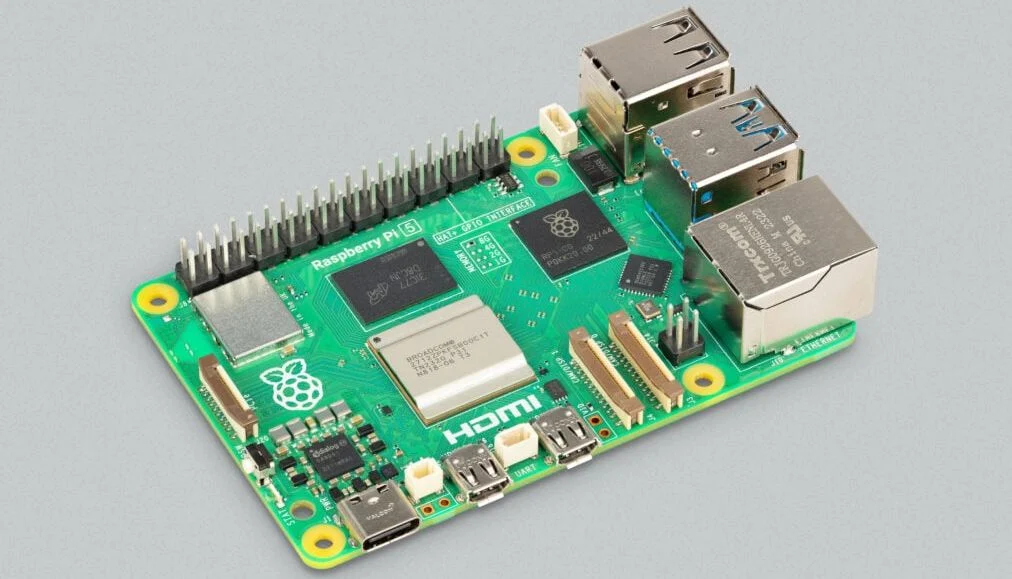
For over a decade, the Raspberry Pi has been the gold standard for open-source hardware enthusiasts, educators, and embedded systems engineers. Its ethos—characterized by accessibility, modularity, and a community-first approach—has made it the go-to platform for countless projects. However, a recent discovery regarding the firmware of newer Raspberry Pi models has sent ripples of concern through the community. It appears that the Raspberry Pi Foundation has implemented strict firmware-level lockdowns that prevent users from modifying or upgrading the system’s RAM, effectively curbing the ability of enthusiasts to repair or enhance their hardware.
Main Facts: The Firmware "Handcuffs"
The controversy centers on recent updates to the Raspberry Pi’s EEPROM firmware. Since early 2024, the firmware has been updated to include verification checks that enforce strict compatibility between the board and its installed RAM module.
In a recent technical deep dive, prominent technology educator and hardware enthusiast Jeff Geerling highlighted that the Raspberry Pi firmware now actively interrogates the board’s hardware identity. If the firmware detects a RAM configuration that does not match the factory-encoded specifications—or if an unauthorized module is detected—the system will either refuse to recognize the additional memory or, in many cases, fail to boot entirely.
This mechanism is not merely a passive diagnostic tool; it is an active gatekeeping protocol. Each Raspberry Pi board is embedded with a unique identifier—a "signature" of sorts—that catalogs the specific model, RAM capacity, and the identity of the RAM manufacturer. The firmware compares this data against the physical hardware present. If the data does not align, the device effectively "bricks" itself until the original configuration is restored.
Chronology of the Lockdown
The transition toward this restrictive model did not happen overnight, but rather through a series of incremental updates that caught many users off guard.
- Early 2024: Reports began surfacing on the official Raspberry Pi forums regarding boot failures after firmware updates. Users who had attempted to swap or repair RAM modules found their boards unresponsive.
- Mid-2024: Geekworm, a company known for Raspberry Pi accessories and hardware modifications, published a blog post clarifying the issue. They identified that the board’s EEPROM, which stores the bootloader and low-level firmware, had been updated to check for specific factory RAM metadata.
- Late 2024 – Early 2025: As more users encountered the issue, a formal ticket was opened on the
rpi-eepromGitHub repository (Issue #761). The discussion on this thread confirmed that the firmware was indeed locking out third-party or unauthorized RAM configurations, citing "stability and security" as the implied reasons for the change. - Current Status: The community is currently stuck in a cycle of downgrading to older EEPROM versions to bypass these checks, though this is a temporary and insecure solution that leaves users vulnerable to other firmware bugs.
Supporting Data: Why the Restriction Exists
The Raspberry Pi Foundation’s stance, as deduced from the aforementioned GitHub discussions and external analysis, suggests that these measures are intended to prevent the sale of "fraudulent" or "re-binned" RAM modules.
According to documentation provided by hardware vendors like Geekworm, the Raspberry Pi 5 and other recent models use specific memory chips that are calibrated to the board’s power delivery and signal integrity. The Foundation argues that unauthorized RAM modules—even those that are technically compatible—may not meet the rigorous power specifications required for stable operation. In the past, unscrupulous vendors have been known to "re-mark" lower-capacity or slower RAM chips as high-end, high-capacity components, selling them to unsuspecting users.
However, the "fix" implemented via firmware is perceived by many as an overreach. Instead of providing a warning or allowing users to override the check, the firmware makes the board effectively unusable. For the average user, this might seem like a safety feature; for the tinkerer, it is a direct attack on the right to repair.
The Philosophical Divide: Ownership vs. Control
The core of the frustration lies in the disconnect between the Raspberry Pi’s branding and its current trajectory. The Raspberry Pi was born out of a desire to make computing accessible and "hackable." When a user purchases a device, they expect to hold agency over it.
Jeff Geerling and other prominent voices in the space have pointed out the irony of this situation. In an era where even some monolithic tech giants are beginning to concede on "right-to-repair" issues, the Raspberry Pi—a platform that prides itself on being "open"—is adopting practices that mirror the restrictive, walled-garden approaches of companies like Apple.
When you purchase a PC or even many modern single-board computers (SBCs), you generally have the freedom to upgrade your RAM. Even in the professional GPU market, enthusiasts often modify hardware to suit specific needs. By locking the RAM, the Raspberry Pi Foundation is signaling a shift away from the "hacker" demographic and toward a "consumer electronics" demographic. This is a profound shift for a project that began with the intent of demystifying hardware for children and hobbyists.
Implications for the Future
The implications of this lockdown are far-reaching, affecting three primary groups: the DIY community, the industrial sector, and the educational sector.
1. The DIY and Hobbyist Community
For the hobbyist, the ability to repair or upgrade a device is a hallmark of the hobby. If a RAM chip fails on a Pi, the board is now effectively electronic waste. This contradicts the sustainability narrative that many open-source projects aim to uphold. If the Foundation continues this trend, we may see a migration of the enthusiast community toward RISC-V alternatives or other SBC platforms that offer more transparency and less firmware-level gatekeeping.
2. Industrial and Embedded Systems
Many companies use Raspberry Pi boards in industrial automation and kiosk applications. For these users, reliability is paramount. While the Foundation argues that "locking" the RAM improves stability, it also prevents these companies from performing long-term maintenance. If a fleet of 500 Pi-based units develops a memory issue in three years, the prospect of having to replace every single motherboard rather than simply swapping a memory chip is a significant financial burden.
3. The "Open Hardware" Credibility Gap
Perhaps the most damaging implication is to the reputation of the Raspberry Pi brand. By adopting hardware-pairing, the Foundation risks alienating the very people who propelled it to global success. If the Pi becomes a "black box" where the user is merely a renter rather than an owner, it loses the unique appeal that sets it apart from off-the-shelf devices like the Apple TV or proprietary streaming boxes.
Conclusion: A Call for Transparency
The Raspberry Pi Foundation faces a critical juncture. While preventing the proliferation of low-quality or fraudulent hardware is a legitimate concern, the method of enforcement—firmware-level lockdowns—is fundamentally at odds with the spirit of the project.
The community is not asking for a Wild West of unverified components; they are asking for transparency. If the Foundation wishes to maintain its status as the leader in the SBC space, it should consider implementing a "Developer Mode" or an "Advanced Settings" toggle that allows users to bypass these checks at their own risk.
As it stands, the current policy feels like a departure from the open-source ethos that defined the Raspberry Pi’s rise to prominence. If the goal is to protect the user, it should be done through education and diagnostic reporting, not by turning a programmable, open-source-friendly computer into a locked-down appliance. The Raspberry Pi has the opportunity to lead by example, proving that hardware can be both reliable and user-modifiable. Whether they will seize that opportunity or continue down the path of restrictive proprietary control remains to be seen. The community, meanwhile, will continue to watch the EEPROM updates with a wary eye.