Local AI Weekly: Navigating the Frontier of Truly Private Computing
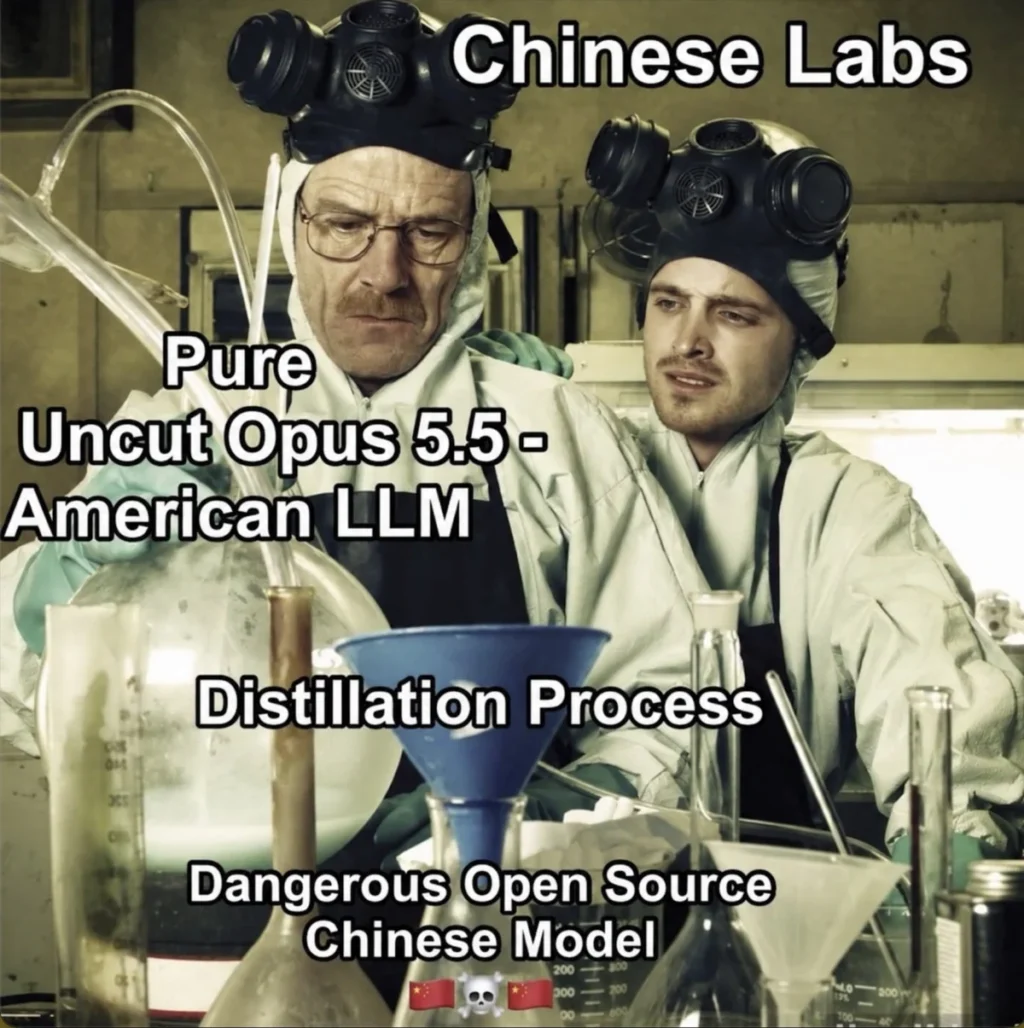
Welcome to the fourth edition of Local AI Weekly. In an era where the term "Local AI" is increasingly becoming a marketing buzzword rather than a technical definition, it is more important than ever to scrutinize the tools we invite into our digital workflows. Today, we peel back the layers of the "local" label to distinguish between true offline sovereignty and the growing trend of "thin-client" AI applications.
The Definition Crisis: What is Truly "Local"?
The industry is currently facing a semantic crisis. When a software vendor markets an "AI-powered tool," the phrase "Local AI" often obscures more than it reveals. Does the model reside on your hardware, processing data within your local memory, or is your computer merely acting as a glorified browser window for a remote server?
Before integrating any new AI tool into your workflow, users must conduct a three-point audit:
- Inference Location: Does the heavy computational lifting—the actual generation of intelligence—happen on your local GPU/CPU, or is it occurring in a data center?
- Authentication Hurdles: Does the software require a persistent internet connection or a cloud-based account to function?
- Licensing and Autonomy: Does the EULA permit the user to retain control over their data, or does it grant the provider a "usage license" for your inputs?
The gold standard remains tools that function entirely in a "zero-trust" environment, requiring no network handshake to perform their designated tasks.

Chronology of Developments: From Decentralized Chat to Desktop Assistants
The Move to Decentralized Communication
The team at It’s FOSS has recently transitioned its internal communication infrastructure from Discord to Buzz. This shift represents a broader movement toward decentralized communication protocols. Created by Jack Dorsey’s team, Buzz is designed to facilitate interaction not just between humans, but between agents. Its ability to host agents on remote servers or local harnesses via the Agent Communication Protocol (ACP) marks a significant evolution in collaborative AI. While the platform currently faces minor friction—such as limitations with clipboard image pasting and selective desktop notifications—it represents a compelling step toward a more modular, decentralized future.
Klara: The KDE Plasma AI Assistant
Kubuntu developer Rick Timmis is currently spearheading the development of Klara, a specialized desktop AI assistant engineered specifically for the KDE Plasma environment. Unlike general-purpose chatbots, Klara is designed to interface directly with the operating system, aiming to provide voice-controlled desktop management. While currently in an active state of "work in progress," the promise of a native, privacy-focused assistant for Linux users is a significant development. With a lifetime license model, Timmisun Limited is positioning this as a long-term utility for the power-user community.
The Nuance of OpenMuse
OpenMuse, an MIT-licensed personal-agent application, has also entered the spotlight. While it provides a robust framework—complete with a browser worker and Docker-based Linux integration—it serves as a cautionary tale regarding the definition of "local." While you can self-host the interface, the initial setup requires a CopilotKit Intelligence key, and its default configuration leans heavily on cloud providers for complex tasks. It is currently a piece of self-hosted software rather than a strictly offline agent, serving as a reminder that "open-source" does not always equate to "air-gapped."
Supporting Data: Efficiency Through Model Distillation
A major hurdle for local AI deployment has historically been the resource cost. Users often believe they need massive, multi-billion parameter models to handle simple logic. However, the industry is shifting toward Model Distillation.

The Case of OpenDecider
The emergence of OpenDecider highlights the potential for modest models. Designed for bounded, classification-style tasks—such as routing support tickets or categorizing emails—OpenDecider demonstrates that you don’t need a massive, monolithic brain to achieve high accuracy.
- Nano Model: ~400M parameters, requiring approximately 2.0 GiB of VRAM.
- Small Model: A Qwen-based adapter, requiring roughly 8.9 GiB.
By using a large "teacher" model to train a smaller "student" model, developers can deploy specialized, high-speed triage systems that run efficiently on consumer-grade hardware.
Official Responses and Industry Shifts
The Linux Foundation’s New Certification
The Linux Foundation has officially recognized the rising importance of this ecosystem by launching the Model Context Protocol Associate (MCPA) certification. As AI agents become the new "API" of the digital age, this certification serves as a validation for professionals looking to prove their expertise in building interoperable AI systems. For those looking to solidify their resume in the evolving landscape of open-source AI, this credential provides a clear, standardized learning path.
NVIDIA’s "PAIR" Strategy
NVIDIA’s recent September announcement regarding its PAIR (Parallel AI/Remote) architecture highlights a significant push to simplify local deployment. By streamlining the path for local-model setup in environments like Hermes and OpenClaw, NVIDIA aims to lower the barrier to entry for local inference. While the "one-click" Windows installation is leading the charge, the Linux implementation is currently in the beta phase.

NVIDIA also reported significant performance gains, claiming up to a 1.9x throughput increase via llama.cpp optimizations on the RTX 5090. However, users should treat vendor-provided benchmarks as "best-case scenarios" rather than guaranteed performance on legacy or varied hardware setups.
AI Jargon: The Mechanics of Distillation
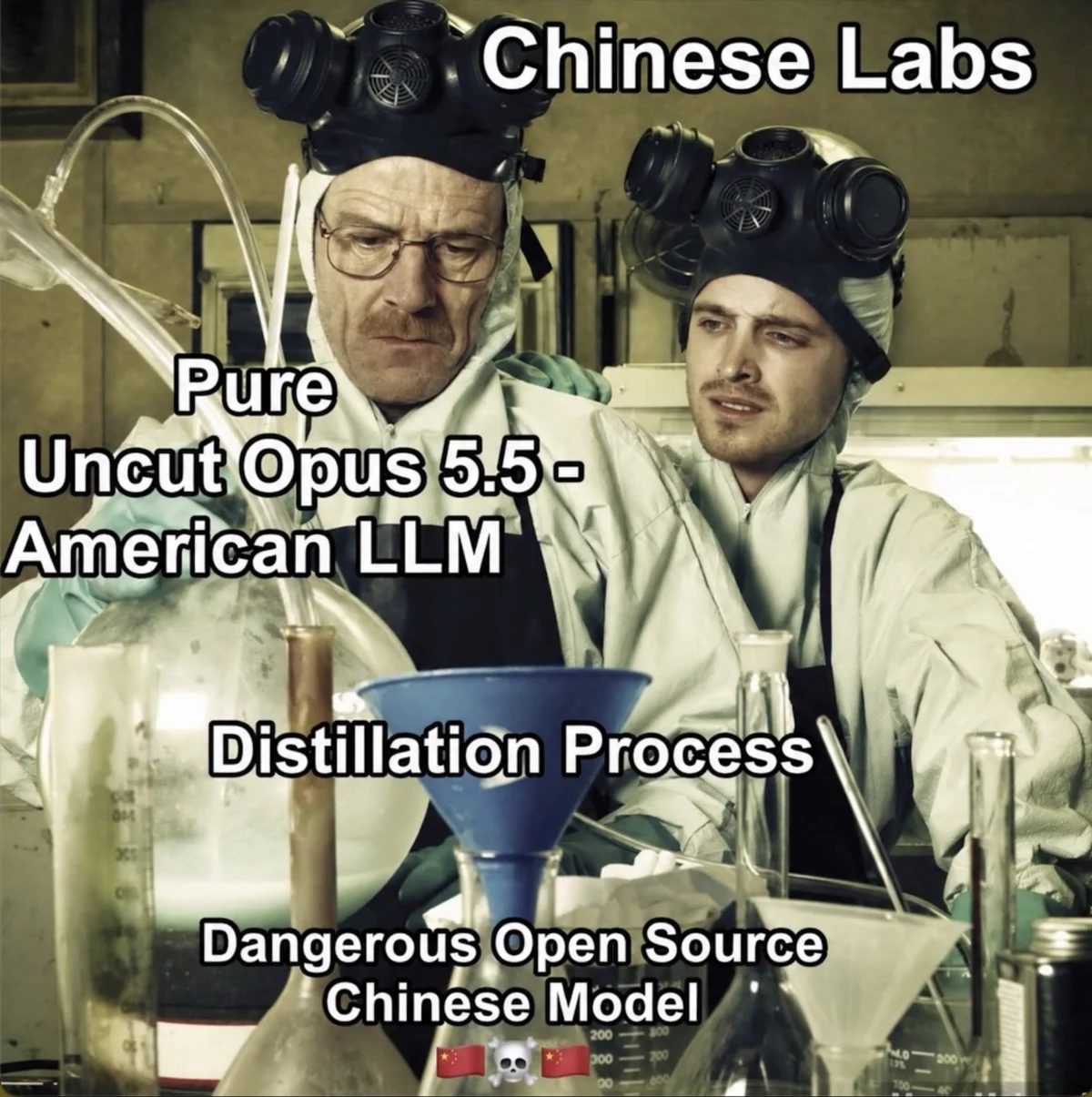
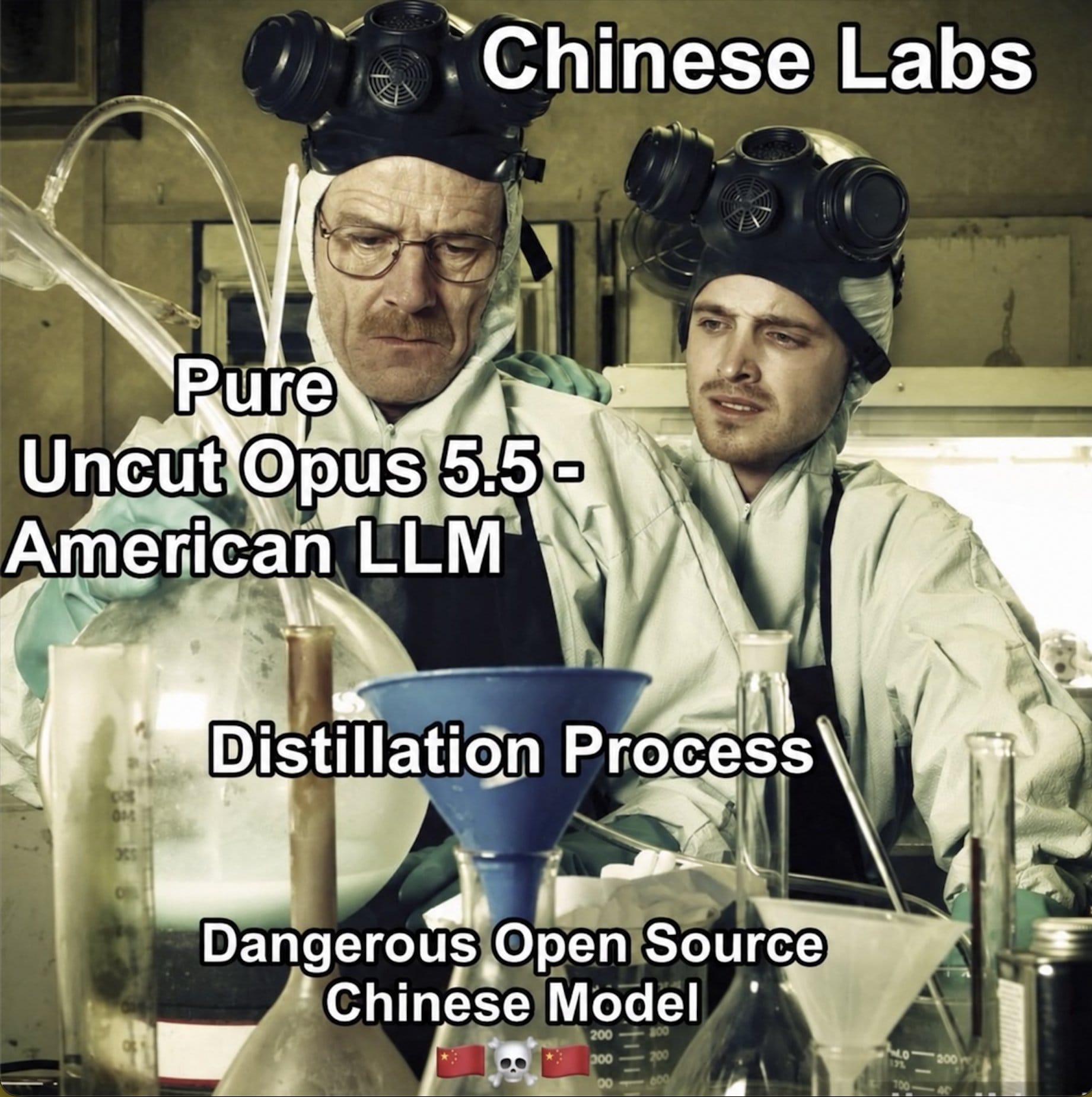
To better understand why smaller models are becoming so effective, it is helpful to look at Knowledge Distillation.
Imagine a master architect (the Teacher Model) who has spent decades studying every building ever constructed. This architect has a vast, complex brain that is difficult to replicate. Now, imagine an apprentice (the Student Model) who is eager to learn but lacks the massive storage capacity of the master.
Instead of forcing the apprentice to read every textbook in the library, the master architect allows the apprentice to observe their workflow. The apprentice watches how the master simplifies a complex problem, which shortcuts they take, and how they arrive at a decision. Through this "observational training," the student learns the master’s logic without needing the master’s massive brain.

In technical terms, the student model learns to approximate the probability distribution of the teacher’s output. The result is a compact, high-efficiency model that retains the "smart shortcuts" of its predecessor, making it ideal for the local hardware constraints of an average Linux workstation.
Implications: The Necessity of Backup and Redundancy
The transition to local AI brings new responsibilities regarding data management. Unlike cloud services, where the provider maintains the state, a local agent is entirely your responsibility.
Quick Tip: Securing Your Hermes Agent
For users of the Hermes agent framework, the risk of data loss or configuration corruption is non-trivial. It is imperative to maintain a regular backup routine:
- Use the Native Backup: Execute
hermes backupto generate a compressed archive containing your configuration, state, and memory. - Automate: Utilize a cron job to trigger these backups on a schedule, ensuring you are never more than a day away from a clean recovery point.
- Off-site Encryption: Never store these raw ZIP files in a Git repository. Because these archives often contain sensitive credentials and conversational history, they must be encrypted before being moved to a secondary, off-site storage location.
Final Thoughts: The Path Forward
The "Local AI" movement is no longer a niche hobby for developers; it is a fundamental shift in how we approach privacy, performance, and control. Whether it is through specialized tools like Klara, optimized architectures like OpenDecider, or robust backup protocols for your agents, the goal remains the same: reclaiming agency over the computational tools we use every day.
As we continue to navigate this landscape, remember that the best AI tool is not necessarily the one with the most hype—it is the one that respects your hardware, secures your data, and stays out of the cloud whenever possible.
See you next week as we continue to track the open-source AI revolution.
If this article provided value, consider supporting It’s FOSS. We have been an independent voice for Linux for 14 years. By becoming a Plus member, you ensure our continued ability to provide ad-free, high-quality analysis of the Linux and AI ecosystem.