Bridging AI and Cross-Platform Development: Bringing Reinforcement Learning to Flutter with TensorFlow Lite
The landscape of mobile development is undergoing a paradigm shift. As machine learning (ML) models become increasingly sophisticated, the challenge has shifted from simply training these models to deploying them efficiently across diverse ecosystems. For years, the divide between specialized Android-native AI implementation and the demand for cross-platform flexibility has been a hurdle for developers. Today, that barrier is dissolving.
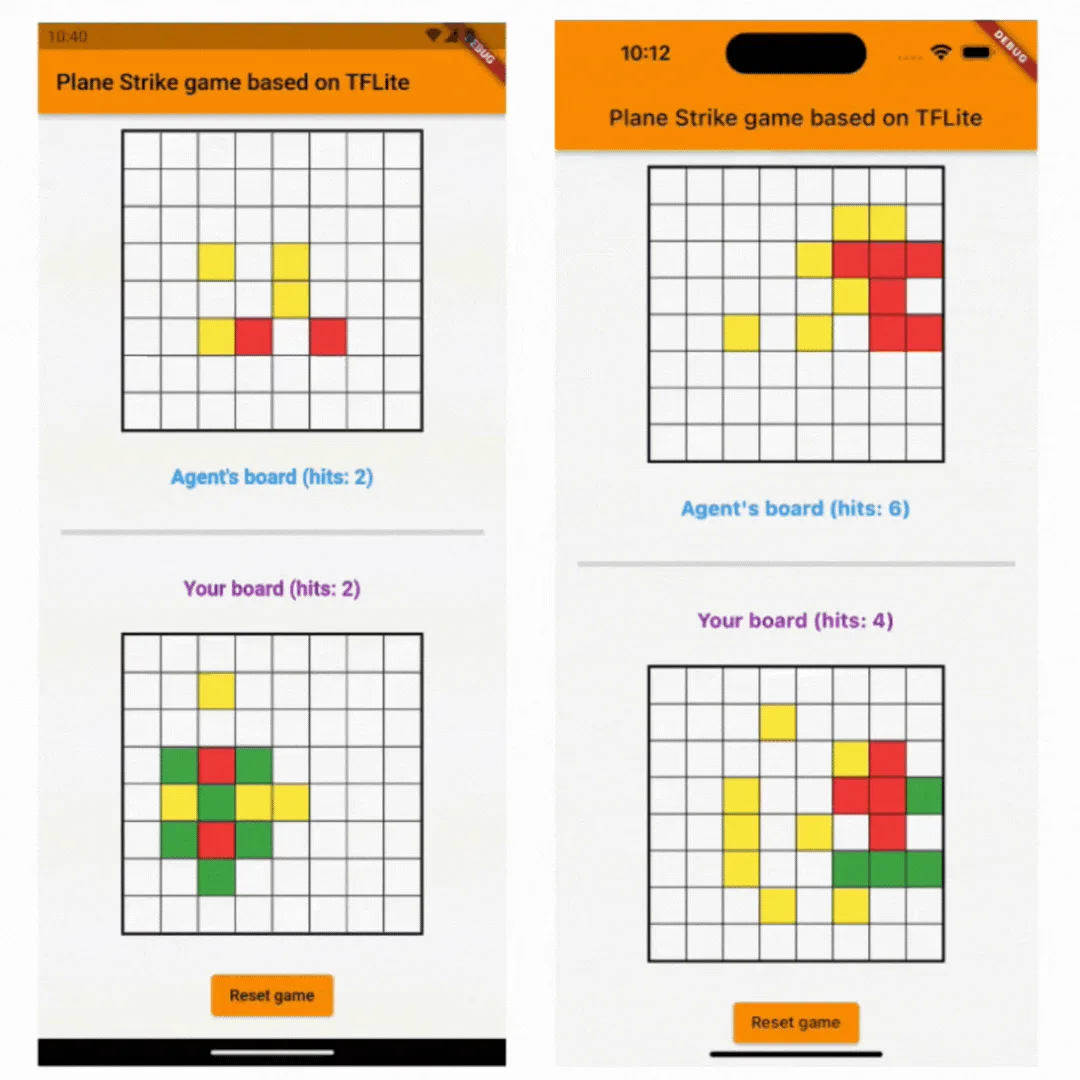
Following a series of successful explorations into deploying Reinforcement Learning (RL) agents on Android, Google’s Developer Advocate Wei Wei has announced the final chapter of their instructional series: a comprehensive guide to porting "Plane Strike," an intelligent board game, to the Flutter framework. By leveraging the recently released TensorFlow Lite (TFLite) Plugin for Flutter, developers can now deploy high-performance, edge-based AI models simultaneously across iOS and Android.
Main Facts: The Convergence of TFLite and Flutter
The core of this development is the democratization of edge AI. Previously, developers looking to integrate TensorFlow models into mobile applications faced the prospect of writing redundant code for different platforms. The new TFLite plugin for Flutter changes this dynamic by providing a unified interface for model inference.
The "Plane Strike" project serves as a practical, pedagogical benchmark. It demonstrates that an AI agent, trained via TensorFlow and JAX, does not need to be tethered to a single platform. The project utilizes a TFLite interpreter to load pre-trained models directly into a Flutter environment. By passing the state of the game board into the interpreter, the model performs inference in real-time, calculating the most statistically advantageous "strike" position. This allows for a responsive, intelligent gaming experience that runs entirely on-device, preserving user privacy and eliminating the need for constant cloud connectivity.
A Chronology of the Project’s Evolution
The path to this cross-platform milestone was paved through three distinct phases, each addressing a specific layer of the machine learning deployment stack.

Phase 1: The Foundation (2021)
The initiative began in October 2021, when the TensorFlow team introduced a reference application for "Plane Strike." The goal was to prove that mobile devices were capable of hosting RL agents. This phase focused on the basics: training a model, converting it to the TFLite format, and integrating it into an Android-native application.
Phase 2: Advancing the Architecture (2022)
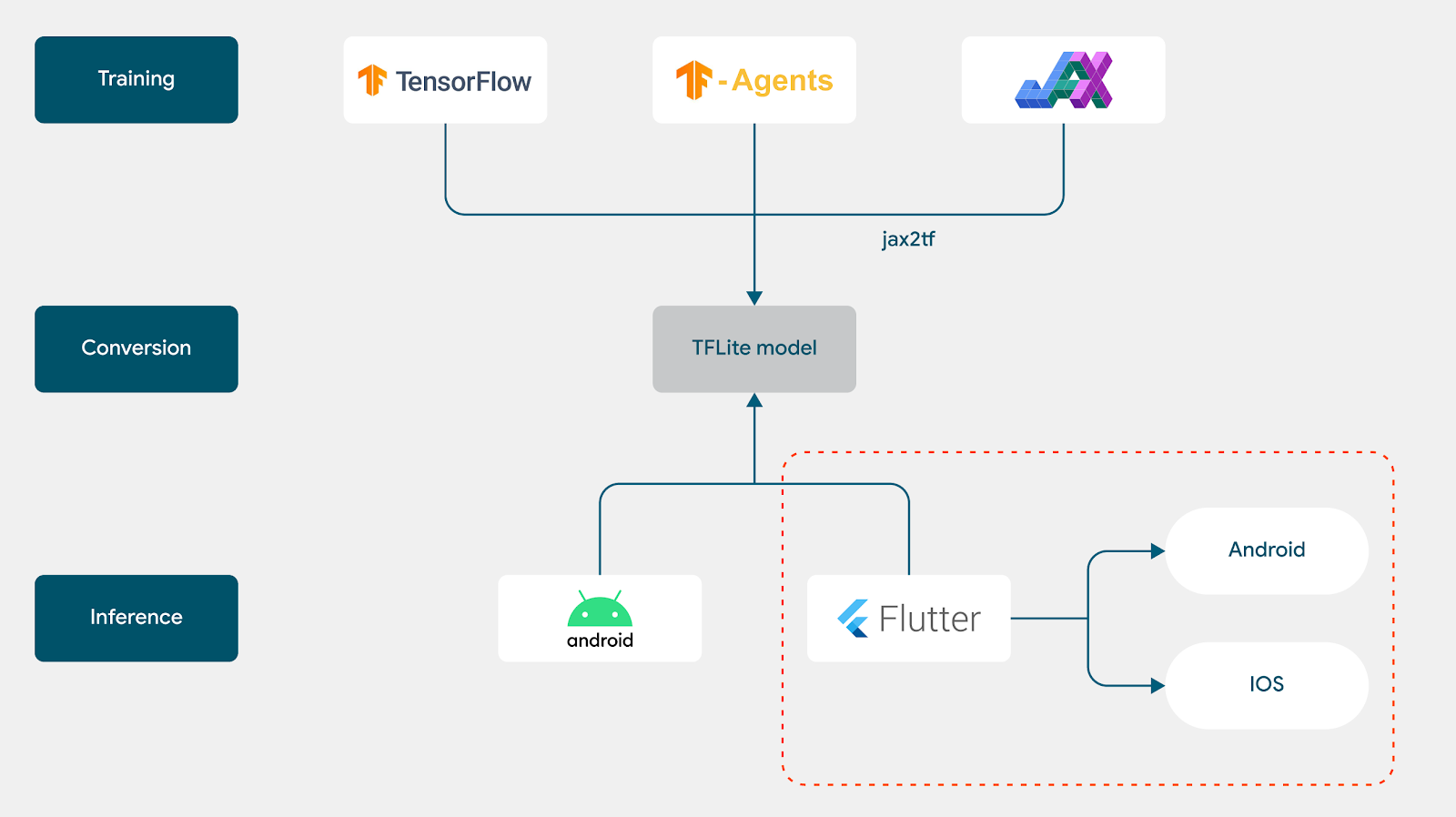
In September 2022, the team pushed the envelope further by incorporating JAX into the training pipeline. JAX, known for its high-performance numerical computing and automatic differentiation, allowed for more efficient model training. This phase emphasized that the choice of training framework—whether TensorFlow or JAX—does not limit the final deployment, provided the output is a standardized TFLite model.
Phase 3: Cross-Platform Expansion (2023–2024)
With the official release of the TensorFlow Lite Plugin for Flutter in mid-2023, the final piece of the puzzle fell into place. The current project represents the culmination of these efforts, transforming the native Android-only solution into a seamless cross-platform experience. Developers can now write a single codebase in Dart, utilizing the TFLite plugin to handle the heavy lifting of inference on both iOS and Android devices.
Supporting Data: Efficiency and Implementation
The implementation process reveals the efficiency of modern edge-ML tools. Loading a model in Flutter is now a streamlined, asynchronous operation. As shown in the developer documentation, initializing the interpreter is as straightforward as:
void _loadModel() async
  _interpreter = await Interpreter.fromAsset(_modelFile);
The inference logic is equally elegant. When the game board state (represented as a 2D array) is passed into the model, the interpreter processes the input and returns a probability distribution across the board. The system then utilizes an argmax function to identify the optimal move.

Technically, the "Plane Strike" application treats the board as a grid. By reshaping the output from the TFLite interpreter into a format compatible with the board size, the agent can parse the complex neural network output into a simple integer index, representing the next move. This efficiency is critical for mobile applications where battery life and latency are paramount. By running these computations on the device’s local processor, the app avoids the latency spikes associated with network-based model inference.
Official Perspectives and Expert Insight
"We have heard from the Flutter developer community that it would be interesting to make the app cross-platform," notes Wei Wei. This sentiment highlights the core philosophy behind Google’s current developer relations strategy: listening to the community to bridge the gap between advanced research and practical, developer-friendly tools.
The transition to Flutter is not merely a convenience; it represents an acknowledgement that the "Write Once, Run Anywhere" mantra is becoming the standard expectation for AI-integrated applications. By providing the plugin, the TensorFlow team is effectively lowering the barrier to entry for developers who may be experts in Flutter but are newcomers to the nuances of AI deployment. The official documentation and GitHub repositories act as a roadmap, ensuring that the transition from a trained model to a functional, interactive game is transparent and reproducible.
The Broader Implications for the Industry
The implications of this development reach far beyond board games. The ability to deploy Reinforcement Learning agents on Flutter devices opens the door for a new generation of intelligent applications.
1. Ubiquity of Edge AI
By removing the barrier of platform-specific coding, Google is accelerating the adoption of edge AI. Whether it is in healthcare (analyzing biometric data), finance (real-time anomaly detection), or creative tools (generative design), developers can now build sophisticated AI features into apps that reach the entire mobile market simultaneously.
2. Standardization of Model Deployment
The reliance on the TFLite format as a universal container for models is a significant win for the ecosystem. It allows data scientists to focus on model accuracy and architecture while allowing app developers to focus on user experience, knowing that the bridge between the two—the TFLite interpreter—is reliable and performant.
3. The Shift Toward On-Device Intelligence
As privacy concerns regarding data transmission grow, the move toward on-device inference becomes more than just a technical preference—it is a competitive advantage. Applications that can "think" on the user’s phone, without sending sensitive information to a server, are increasingly preferred by users and regulators alike.
4. Future-Proofing Development
For developers, the lesson here is clear: the future of app development is hybrid. By integrating AI-ready plugins into frameworks like Flutter, the industry is creating a future where AI features are not "add-ons" but core components of mobile software architecture.
Looking Forward: Next Steps for Developers
While this concludes the current series on "Plane Strike," it serves as a springboard for further innovation. The developers are encouraged to experiment with the source code, which is available on GitHub. Suggestions for further exploration include:
- Optimizing Model Size: Investigating techniques like post-training quantization to further reduce the memory footprint of the models.
- Expanding the Game Logic: Moving beyond simple board games to more complex simulations or predictive UIs.
- Integrating Sensors: Exploring how real-time sensor data (accelerometer, camera) can be fed into the RL agent to influence gameplay.
As the lines between mobile development and machine learning continue to blur, projects like this serve as essential guideposts. The tools are now in the hands of the developers; the only remaining variable is the scale and creativity of the applications yet to be built. As Wei Wei concluded, the team looks forward to seeing how the community leverages these tools to redefine what is possible on mobile hardware.