The Resurgence of Measles: A Critical Crossroads for Public Health and Antiviral Innovation
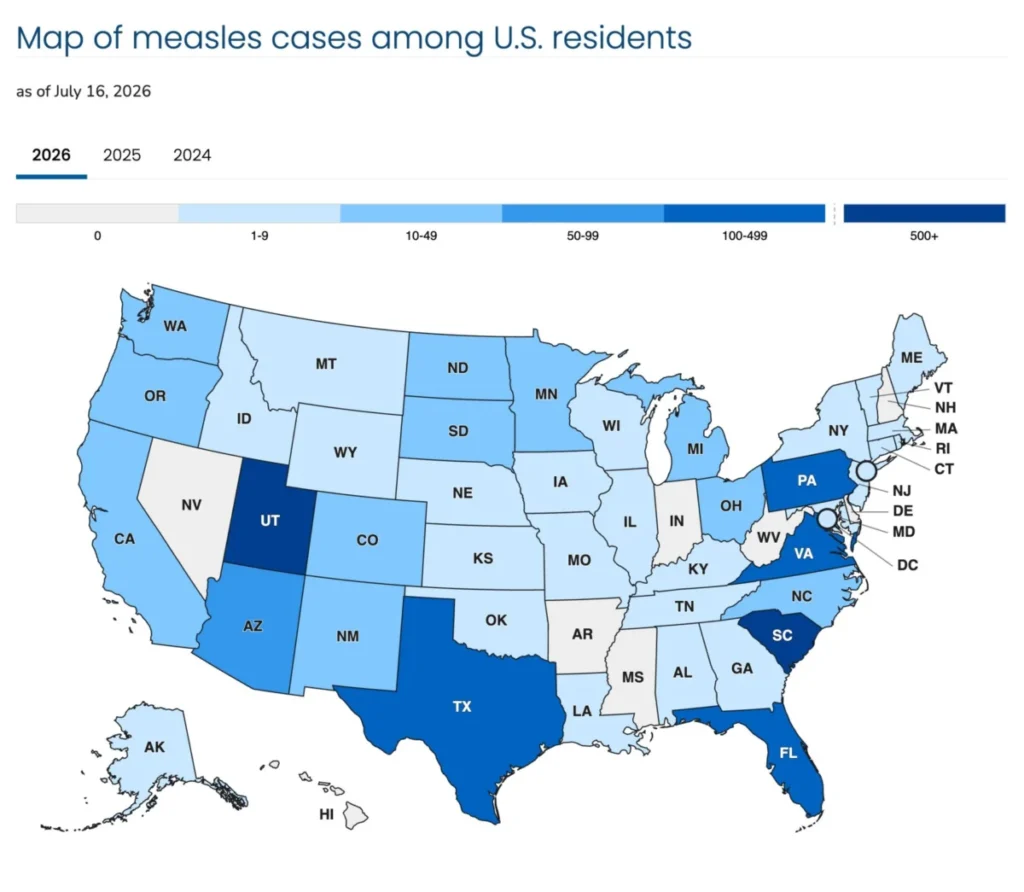
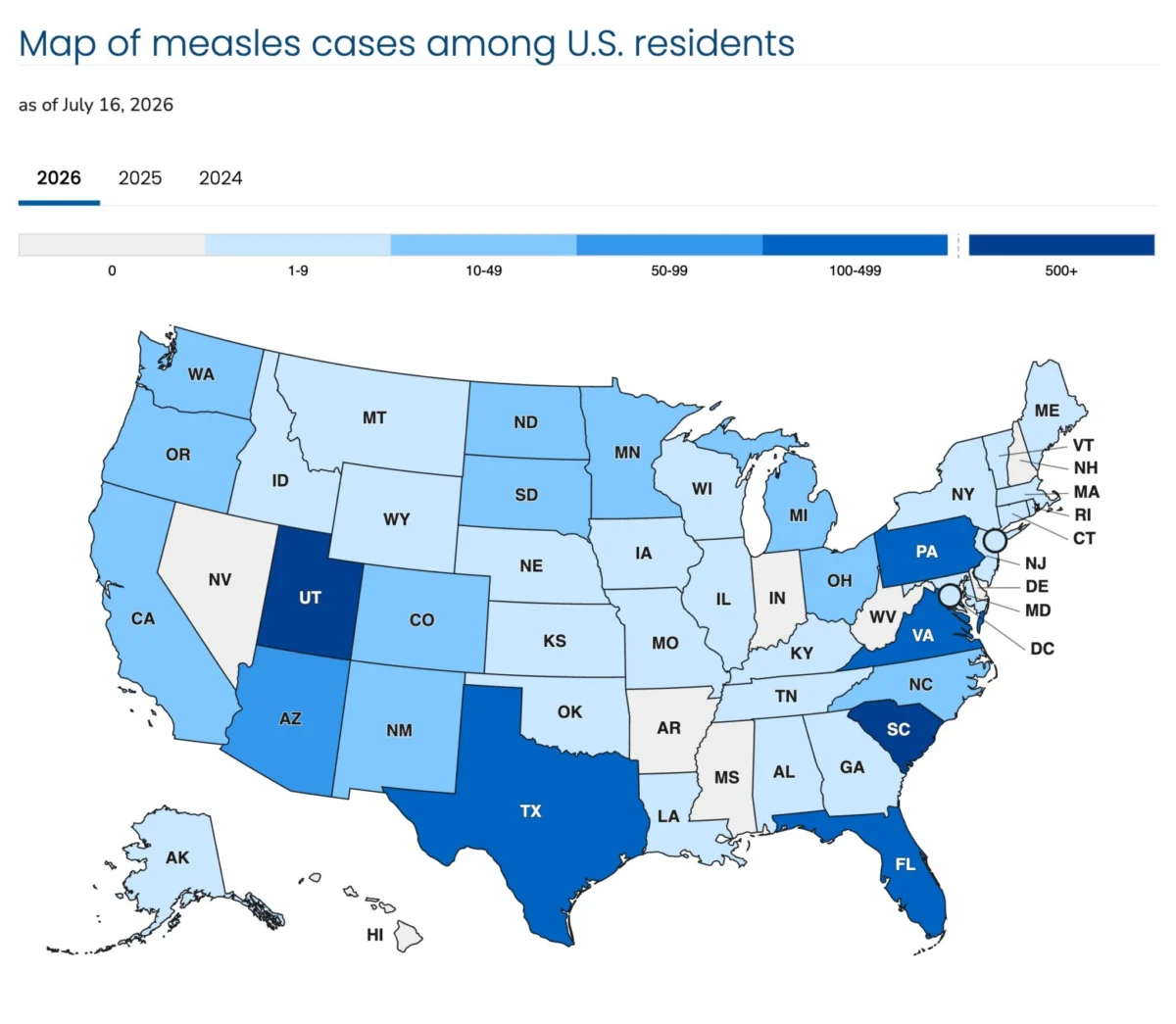
The United States, a nation that officially declared measles eliminated in 2000, is currently grappling with a public health crisis of unprecedented scale in the 21st century. As of mid-July 2026, the country has recorded 2,260 confirmed cases of the virus—a staggering figure that eclipses the entirety of the 2025 caseload and represents the highest infection rate in over two decades. With 34 new, widespread outbreaks currently being tracked by the Centers for Disease Control and Prevention (CDC), the scientific community is shifting its focus from simple preventative measures to the urgent development of therapeutic interventions.
Amidst this backdrop of rising infections, a team of researchers at Georgia State University’s Center for Translational Antiviral Research (CTAR) has unveiled promising data regarding a novel oral antiviral candidate, GHP-88310. Published in Nature Microbiology, the study offers a potential breakthrough in how we might contain future measles outbreaks, suggesting that the era of relying solely on vaccination may be evolving into a multi-layered defense strategy.
The Chronology of an Eliminated Disease’s Return
To understand the severity of the 2026 surge, one must look at the historical trajectory of the disease. For twenty-six years, the United States maintained a status of "elimination," defined by the interruption of continuous transmission for at least 12 months. This success was primarily attributed to high-coverage, two-dose vaccination programs.
However, the late 2020s have seen a systematic erosion of these foundations. The trend began to shift in the early 2020s, characterized by localized clusters of unvaccinated individuals. By 2025, health officials observed a disturbing uptick in cases, yet 2026 has proven to be an inflection point. By the end of the second quarter of 2026, the infection count had already surpassed the total number of cases for the previous year. This rapid acceleration suggests that the virus is finding new, susceptible cohorts with ease, moving beyond isolated pockets into broader community transmission.
Supporting Data: Why Vaccination Rates Matter
The primary driver of the current crisis is a well-documented decline in immunization rates. Vaccine hesitancy, exacerbated by misinformation and pandemic-era disruptions in routine pediatric healthcare, has left a significant portion of the population vulnerable to the highly contagious measles virus.
The R0 (reproduction number) of measles is among the highest of any human virus, often cited as being between 12 and 18. This means that a single infected person can transmit the virus to up to 18 others in an unvaccinated population. The current data from the CDC suggests that we are witnessing the biological reality of this high R0 in real-time. As population immunity dips below the critical threshold required for herd immunity (typically around 95%), the virus is no longer merely circulating; it is thriving.
This environment has created an urgent need for "ring therapies"—antiviral treatments that can be administered to people who have been exposed to the virus to prevent infection, thereby "ringing" the outbreak and stopping it from spreading further.
A Breakthrough in the Laboratory: The Role of GHP-88310
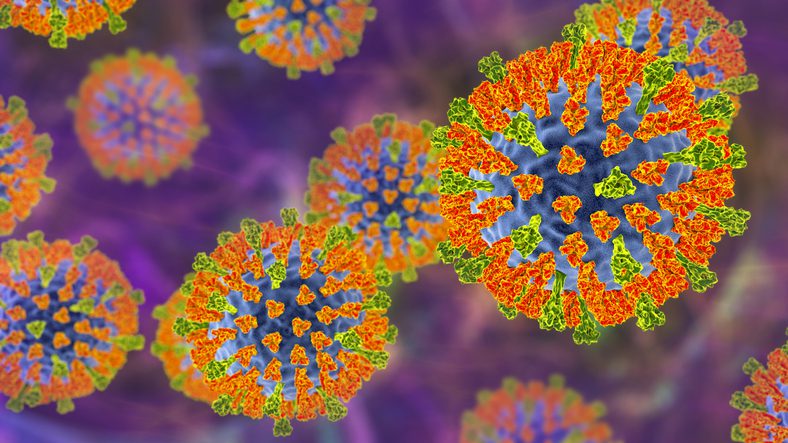
As the medical community looks for ways to augment traditional vaccination, GHP-88310 has emerged as a frontrunner. This oral drug candidate is a broad-spectrum orthoparamyxovirus polymerase inhibitor. Its mechanism of action involves targeting the viral polymerase, the enzyme responsible for replicating the virus’s genetic material. By effectively "stalling" the replication process, the drug prevents the virus from reaching the high titers necessary for symptoms to manifest and for transmission to occur.
The Ferret Model: Replicating Human Transmission
The researchers at Georgia State, led by Dr. Richard Plemper, utilized a ferret model to test the drug. Ferrets are the gold standard for studying measles-like disease because they contract and transmit canine distemper virus (CDV), which mimics the pathology and respiratory transmission patterns of human measles.
The study design was rigorous. The team established two distinct transmission models:
- Direct-Contact Model: Simulating high-density household transmission where individuals interact physically.
- Airborne Transmission Model: Simulating common indoor settings, such as classrooms, offices, or public transit, where the virus travels through shared airspace without direct contact.
"We designed the study to recapitulate viral spread between people with direct contact… and between more distant social contacts, for example in classrooms or other indoor settings that bring people into proximity without direct interaction," explained Dr. Plemper.
Results: Preventing the Unpreventable
The results, which appeared in Nature Microbiology, were described by researchers as "unprecedented." When GHP-88310 was administered twice daily to air-exposed ferrets, it completely prevented the transmission of the virus. Even more promising, the study showed that once-daily prophylactic administration allowed for complete survival, with all air-contact animals undergoing successful seroconversion—meaning their immune systems recognized the virus without the animals suffering from the disease.
Perhaps most critically, when the drug was used therapeutically—meaning it was given after the animal was already infected—it shortened the contagious phase of the source animal by five days. In clinical terms, this could be the difference between a patient spending weeks in quarantine and a much shorter, less economically disruptive recovery period.
Official Responses and Scientific Perspective
The academic community has reacted with significant optimism. Dr. Carolin Lieber, a postdoctoral fellow in the Plemper lab, noted the sheer potency of the compound. "We were very excited to see that GHP-88310 given by mouth completely prevented airborne transmission in our ferret model of measles," Lieber stated. "This finding is unprecedented for a viral polymerase inhibitor and demonstrates the extraordinary antiviral potency of this drug."
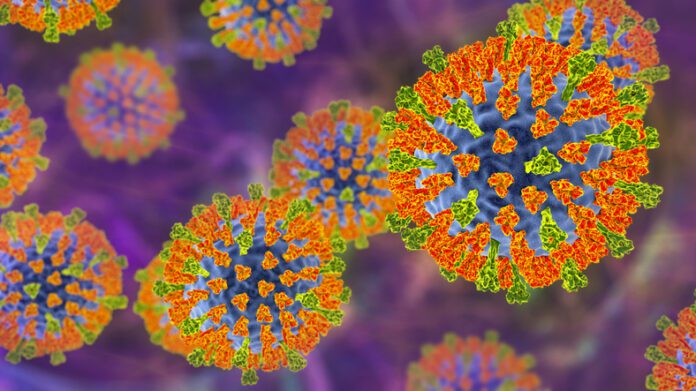
The implications of this research are being watched closely by public health officials. While no drug can replace the fundamental necessity of the measles vaccine, an antiviral provides a "fail-safe" mechanism. If a vaccine is missed, or if an individual is immunocompromised and cannot mount a strong response to a vaccine, GHP-88310 could serve as a vital secondary barrier.
Implications: The Future of Outbreak Management
The shift toward therapeutic intervention represents a maturing of our public health strategy. Historically, measles management has been binary: you are either vaccinated, or you are at risk. With the development of GHP-88310, the paradigm shifts to a three-pronged approach:
- Prevention: Maintaining high-coverage vaccination as the primary defense.
- Containment: Using GHP-88310 as a ring-prophylactic to block transmission when an outbreak does occur.
- Treatment: Using the drug to reduce the duration of illness and the contagious period for those already infected.
Economic and Social Impact
The economic burden of a measles outbreak is severe. Hospitals face immense pressure, schools are forced to close, and individuals are required to undergo prolonged, often unpaid, isolation periods. If GHP-88310 proves to be as effective in human trials as it has in the ferret model, the ability to "shorten the contagious phase" could save billions in lost productivity and healthcare costs.
"If equally applicable to human hosts, it may shorten the severe social and economic burden of prolonged quarantine of patients and further aid outbreak management," Dr. Plemper noted.
Conclusion: Moving Toward Clinical Trials
The success of GHP-88310 in the laboratory is a testament to the power of sustained investment in translational research. As the world navigates the 2026 measles crisis, the scientific focus is now firmly fixed on the next phase: moving the candidate through formal human clinical trials.
While the data from the Plemper lab provides a beacon of hope, it is a reminder that science must always stay one step ahead of viral evolution. The resurgence of measles is a complex issue rooted in sociology, public policy, and biology. However, by marrying robust, evidence-based vaccination campaigns with the cutting-edge pharmaceutical advancements seen in the GHP-88310 research, the medical community may eventually close the door on this resurgence, restoring the "eliminated" status that the nation held for so long.
For now, the world waits as the investigators ready this promising candidate for its most critical test yet: the human patient. If successful, GHP-88310 may well become the most important tool in the modern physician’s kit for managing the viral threats of the 21st century.