The Foldable Crossroads: Samsung Galaxy Z Fold 8 vs. Z Fold 8 Ultra
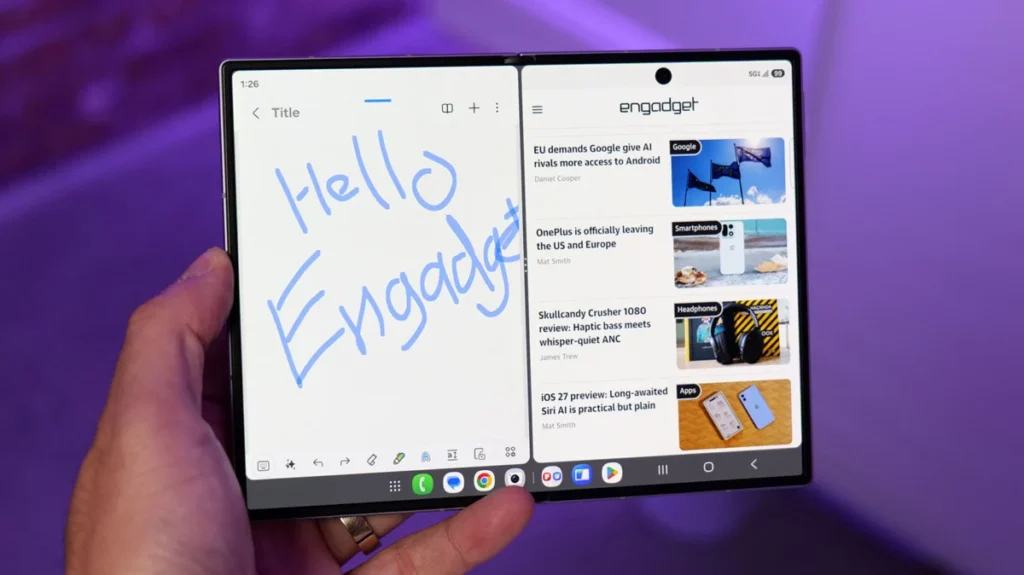
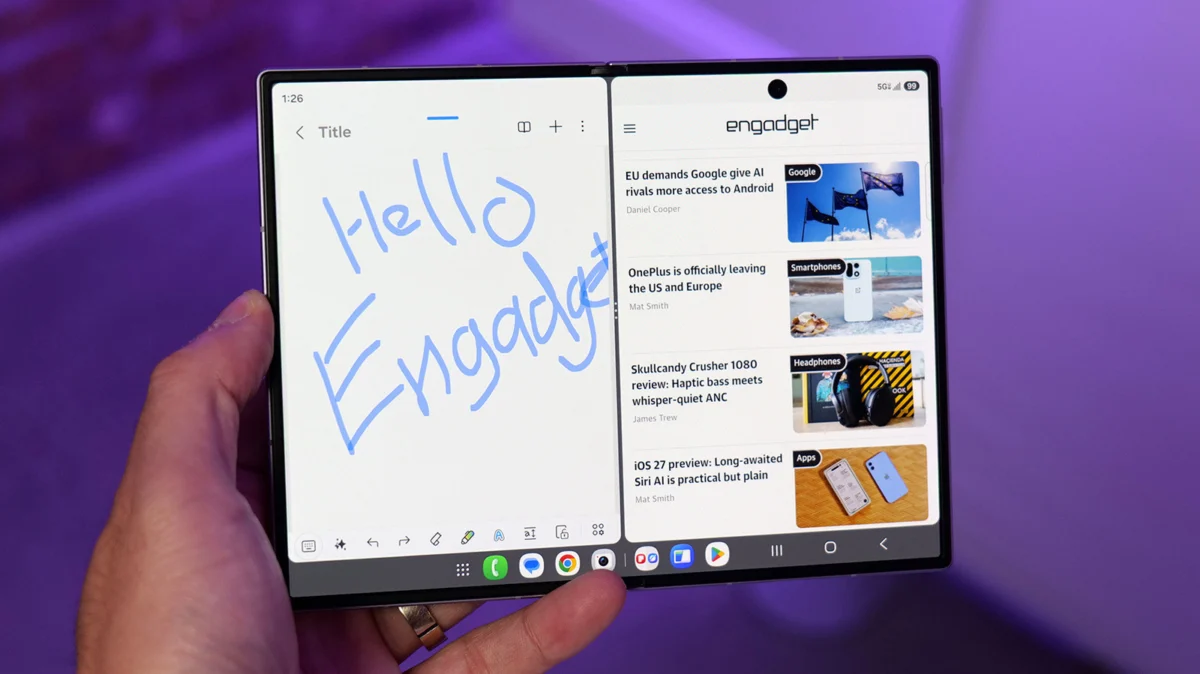
Following a highly anticipated Galaxy Unpacked event in London, Samsung has officially redefined its high-end mobile roadmap. For the first time in the company’s history, the foldable category is splitting into two distinct paths: the standard Galaxy Z Fold 8 and the premium Galaxy Z Fold 8 Ultra. With the former starting at $1,899.99 and the latter commanding a $2,099.99 price tag, consumers are being asked to choose between a revolutionary new form factor and a refined, top-tier powerhouse.
Main Facts: A Tale of Two Foldables
The introduction of the "Ultra" moniker to the foldable lineup signifies Samsung’s attempt to cater to two different segments of the power-user demographic.
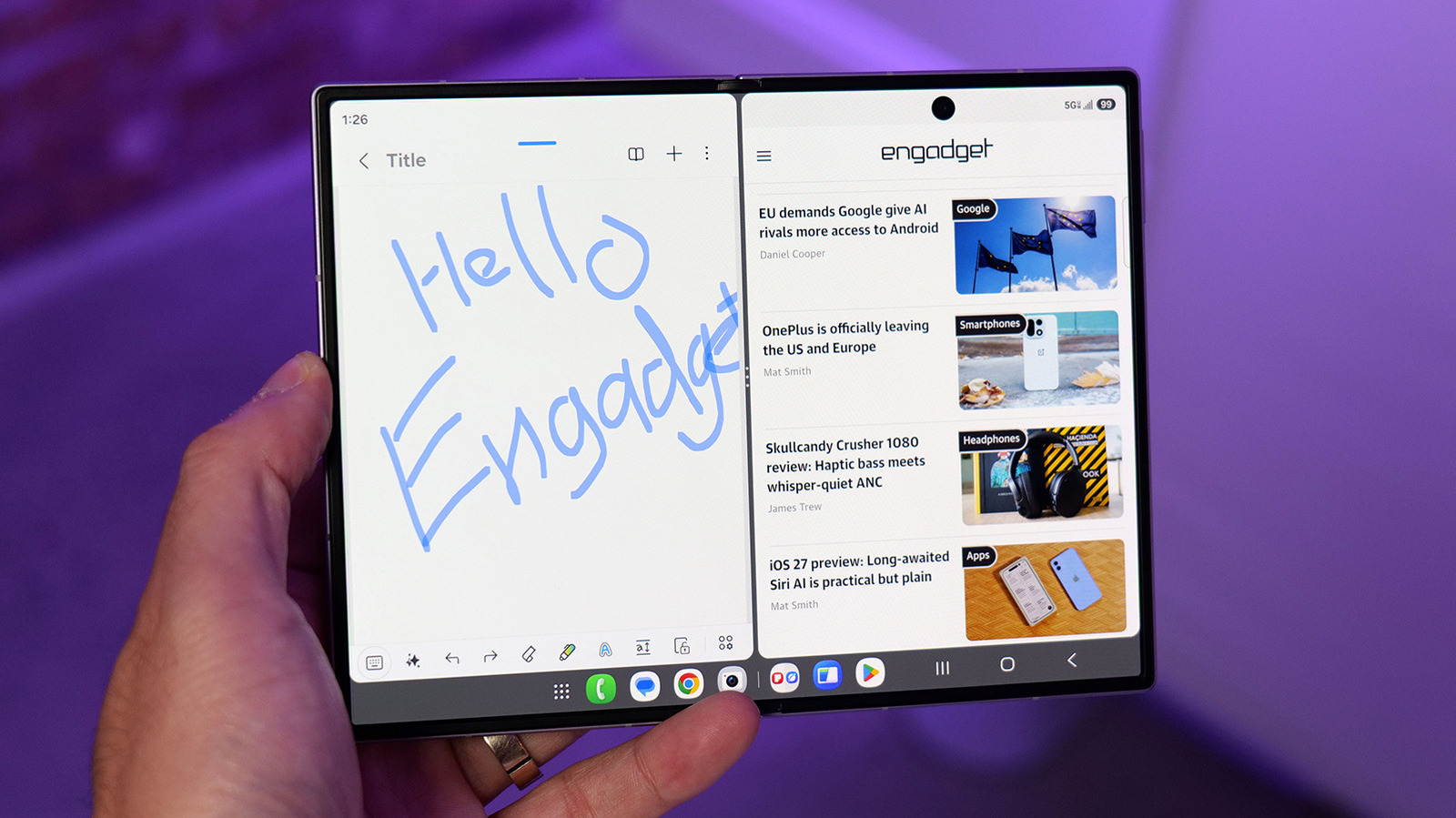
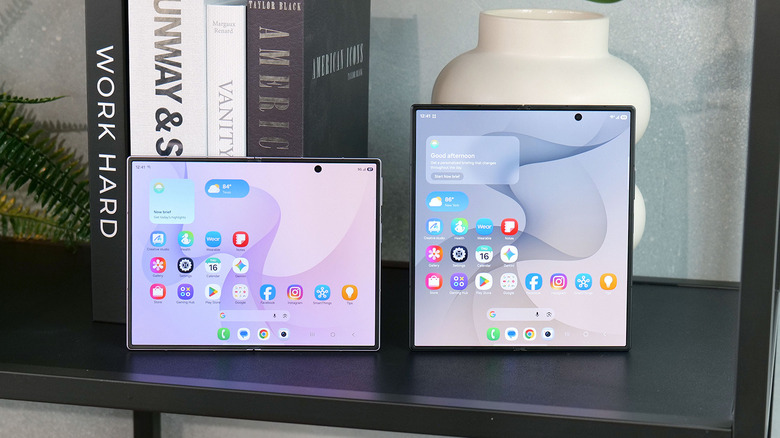
The Galaxy Z Fold 8 arrives as a bold departure from the previous design language. It features a shorter, wider footprint, aimed directly at critics who found the tall, narrow aspect ratio of the Z Fold 7 series uncomfortable for typing or consuming standard media. It packs a 5.5-inch cover screen and a 7.6-inch main display, all housed in a chassis that is significantly more compact.
Conversely, the Galaxy Z Fold 8 Ultra serves as the spiritual successor to the traditional Z Fold design. It is taller and slimmer, mirroring the ergonomic profile of previous generations while pushing the envelope on hardware specifications. It sports a larger 6.5-inch cover display and an 8-inch main inner display, offering a more expansive "tablet-in-your-pocket" experience. Both devices benefit from Samsung’s new "Flex Titanium" display technology, which promises increased durability and a substantially reduced screen crease.
Chronology of Development: From Concept to Unpacked
The road to the Z Fold 8 series has been marked by years of incremental refinement.
- The Early Era (2019–2021): Samsung established the foldable market with the original Galaxy Fold, focusing on proving the durability of the hinge and the viability of flexible OLED panels.
- The Maturation Phase (2022–2023): With the Z Fold 4 and 5, Samsung focused on software optimization, IP ratings, and refining the hinge mechanism to ensure a gapless close.
- The Pivot (2024): With the Galaxy Z Fold 7, the company reached a plateau where users began calling for a wider cover screen.
- The Unpacked Announcement (Current): At the London event, Samsung addressed these long-standing user complaints by splitting the product line. The Z Fold 8 represents the "user-requested" design, while the Z Fold 8 Ultra represents the "spec-chasing" evolution.
Supporting Data: Technical Specifications
To determine which device fits your workflow, a side-by-side analysis of the core specifications is essential.
| Feature | Galaxy Z Fold 8 | Galaxy Z Fold 8 Ultra |
|---|---|---|
| Cover Display | 5.5-inch | 6.5-inch |
| Main Display | 7.6-inch | 8-inch |
| Main Camera | 50MP | 200MP |
| Battery | 4,800mAh | 5,000mAh |
| Weight | 201g | 215g |
| Telephoto | Standard | 3x Optical / 30x Digital |
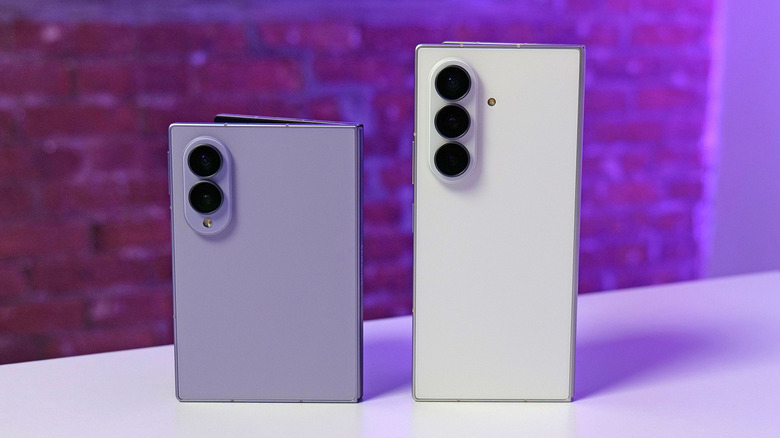
The most glaring difference is the camera array. While the Z Fold 8 is more than capable for daily photography, the Ultra’s inclusion of a 200MP main sensor and a dedicated 10MP telephoto lens puts it in direct competition with the Galaxy S24 Ultra. For mobile photographers, this difference in glass and sensor size is likely to be the deciding factor.
Furthermore, the higher resolution of the Ultra’s screens, while subtle, provides a noticeable bump in pixel density. This makes the Ultra the superior device for high-fidelity tasks like professional photo editing, detailed digital illustration, or consuming high-bitrate 4K content.
Official Responses and Strategic Positioning
During the post-launch press briefing, Samsung executives emphasized that the decision to bifurcate the line was based on "consumer fragmentation." According to Samsung’s internal research, one group of foldable users prioritizes portability and "pocketability," while another segment views the device as a desktop-replacement tool that requires maximum screen real estate.
"We are no longer forcing a single design philosophy on our users," a Samsung representative stated. "The Fold 8 is for the user who wants a modern smartphone that happens to unfold into a tablet. The Fold 8 Ultra is for the user who wants a tablet that can fold away."
This strategy also allows Samsung to defend its market share against rising competition from Chinese manufacturers who have been experimenting with ultra-thin and wider-aspect-ratio foldables for the past eighteen months. By offering an "Ultra," Samsung is effectively telling the market that they are not just competing in the foldable space—they are leading it with premium, no-compromise hardware.
Implications for the Market and the Future
The launch of the Z Fold 8 series has several profound implications for the mobile industry:
1. The Death of the "Standard" Foldable
By introducing the Ultra, Samsung has signaled that the Z Fold 8 is now the "entry-level" flagship. This implies that the standard Z Fold is destined to become more mass-market, perhaps leading to more aggressive price points in future cycles.
2. The Case for the "Pro" User
The Ultra is clearly a play for the professional demographic. By incorporating the 200MP sensor—a sensor usually reserved for the "S" series flagships—Samsung is merging its two top-tier lines. This is a massive shift for business users who previously had to choose between the productivity of the Fold or the camera prowess of the S-series Ultra. Now, they can have both.
3. Accessory Ecosystems
Both devices are "Qi2 ready," though the lack of built-in magnets remains a point of contention. As the foldable market matures, the reliance on third-party cases to provide magnetic mounting (for car mounts, wallets, or stands) is becoming a bottleneck. While Samsung has made strides in durability, the lack of native magnetic support is a legacy design choice that may need to be addressed in the Z Fold 9 or 10.
4. Software Continuity
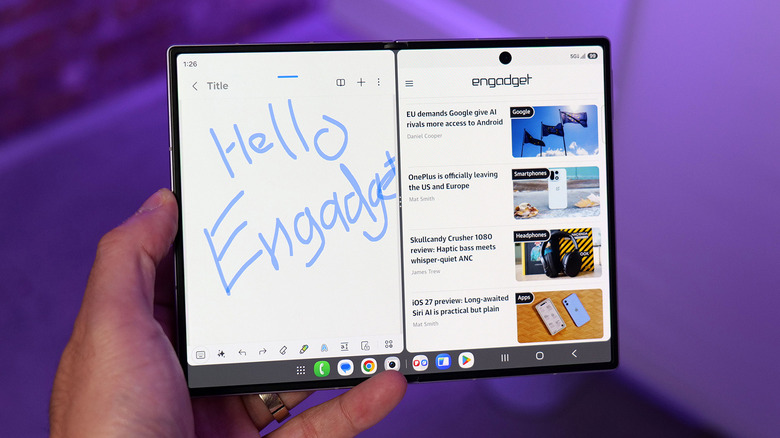
Despite the hardware differences, the software experience remains uniform. Both devices run the latest version of One UI, optimized for multitasking, split-screen workflows, and the DeX desktop environment. This ensures that users who switch between the two models will not experience a learning curve, preserving the "Samsung ecosystem" advantage.
Final Verdict: Which One Should You Choose?
The decision between the Galaxy Z Fold 8 and the Z Fold 8 Ultra ultimately boils down to three variables: ergonomics, optics, and budget.
If you are a casual user, a content consumer, or someone who found the previous generation too cumbersome, the Galaxy Z Fold 8 is the superior choice. Its wider cover screen makes it feel like a normal phone, and its reduced weight makes it easier to carry throughout the day. It is a more "human" device that prioritizes comfort.
If you are a power user, a mobile photographer, or someone who views their phone as their primary workstation, the Galaxy Z Fold 8 Ultra is the clear winner. The $200 price difference is easily justified by the significantly better camera system, the larger, higher-resolution display, and the extra battery capacity. You are paying for the "best-in-class" experience, and in the world of foldables, the Ultra is currently the zenith of what is technically possible.
Ultimately, Samsung has successfully covered the spectrum. Whether you prioritize the ease of a compact device or the capabilities of a flagship powerhouse, the Z Fold 8 series provides a sophisticated answer to the question of what a smartphone should be in 2024 and beyond.