Catastrophic Security Lapse: CISA Contractor Exposed Sensitive Federal Infrastructure on Public GitHub
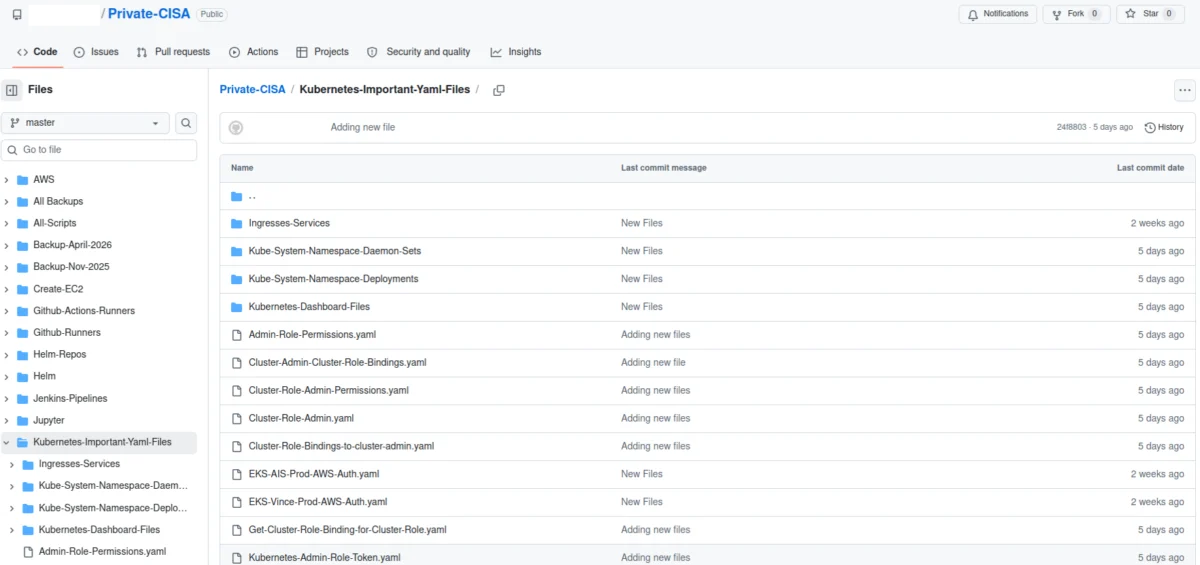
In an incident that security experts are calling one of the most significant government data leaks in recent history, a public GitHub repository maintained by a contractor for the Cybersecurity & Infrastructure Security Agency (CISA) remained open to the world for months. The repository, aptly and alarmingly titled “Private-CISA,” contained a treasure trove of highly privileged credentials, plaintext passwords, and internal technical documentation that could have allowed malicious actors to compromise critical federal infrastructure.
The exposure, which was only rectified this past weekend following external intervention, serves as a stark warning about the vulnerabilities inherent in modern DevOps practices—and the potential for catastrophic failure when individual security hygiene falls short of federal standards.
The Anatomy of an Oversight: A Chronology of the Exposure
The "Private-CISA" repository was not a momentary lapse; it was an active, ongoing security failure. According to metadata analyzed by security researchers, the repository was created on November 13, 2025. For over six months, it served as a digital "scratchpad" for a contractor employed by Nightwing, a Dulles, Virginia-based government services firm.
Timeline of the Discovery
- November 13, 2025: The "Private-CISA" repository is established, acting as a synchronization point for the contractor’s professional and personal environments.
- May 15, 2026: Guillaume Valadon, a researcher at the security firm GitGuardian—which utilizes automated scanning tools to detect exposed secrets—identifies the repository. Recognizing the gravity of the data, Valadon attempts to contact the repository owner directly. When those efforts fail, he initiates an escalation process.
- Mid-May 2026: Independent security researcher Philippe Caturegli, founder of the consultancy Seralys, conducts an audit of the repository to assess the validity and reach of the exposed credentials.
- Late May 2026: Following notifications from KrebsOnSecurity and Seralys, the repository is taken offline.
- Post-Removal: Despite the repository being deleted, researchers note that several of the exposed AWS GovCloud keys remained active for an additional 48 hours, leaving a window of vulnerability even after the initial discovery.
Supporting Data: What Was Exposed?
The scale of the exposure is staggering. By disabling GitHub’s native "secret scanning" and push-protection features—a deliberate action confirmed by the repository’s commit logs—the contractor effectively blinded the platform to the sensitive nature of the files being uploaded.
The Inventory of a Breach
The repository functioned as a directory of the agency’s internal architecture. Among the files discovered were:
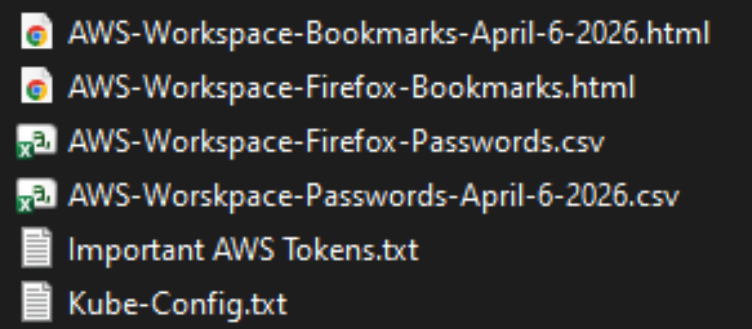
- Administrative AWS GovCloud Keys: The file "importantAWStokens" contained high-privilege credentials for three separate Amazon Web Services (AWS) GovCloud accounts. These environments are intended to host the most sensitive federal workloads, and their compromise would have granted an attacker significant control over agency cloud operations.
- Plaintext Credential Logs: A file titled "AWS-Workspace-Firefox-Passwords.csv" acted as a directory of keys to the kingdom. It contained usernames and passwords for dozens of internal CISA systems, including the "LZ-DSO" (Landing Zone DevSecOps) environment—the very heart of the agency’s secure software development pipeline.
- Artifactory Access: The repository included credentials for CISA’s internal "artifactory," a central repository for the software packages used in agency builds.
Philippe Caturegli noted that the credentials were not merely for low-level access. "The use of these keys could have allowed an attacker to move laterally across the network," Caturegli explained. "By injecting a backdoor into a commonly used software package, an attacker could ensure that every subsequent system built by CISA carried a malicious payload, effectively weaponizing the agency’s own development pipeline against it."
Official Responses and Agency Accountability
When reached for comment, CISA maintained a position of cautious investigation, though the agency’s statement did little to soothe concerns regarding the duration of the exposure.
"Currently, there is no indication that any sensitive data was compromised as a result of this incident," a CISA spokesperson stated. "While we hold our team members to the highest standards of integrity and operational awareness, we are working to ensure additional safeguards are implemented to prevent future occurrences."
The contractor involved, Nightwing, declined to provide a statement, directing all inquiries back to CISA. The silence from the contractor, combined with the agency’s vague assurances, has fueled frustration among the cybersecurity community, which questions how such a repository remained active for over half a year without being flagged by internal monitoring systems.
The Broader Implications: A Weakened Agency
The timing of this incident is particularly sensitive. CISA is currently navigating a period of profound internal disruption. Reports indicate that the agency has lost nearly a third of its workforce since the start of the second Trump administration, driven by early retirements, buyouts, and sweeping reorganizations.
The Security-Hygiene Gap
The "Private-CISA" incident highlights a dangerous disconnect between the tools used by federal employees and the security protocols required to protect them. The repository contained passwords that were trivially guessable, often following a pattern of [platform-name][current-year].
"What I suspect happened," Caturegli noted, "is that the contractor was using GitHub to synchronize files between a work laptop and a home computer. This is a common, if highly insecure, practice. But to see it done with federal credentials—and to see the deliberate disabling of security protections—is a failure of institutional training and oversight."
The Danger of "Shadow DevOps"
This incident provides a case study in "Shadow DevOps," where employees or contractors establish their own workflows outside of managed, secure environments to increase personal efficiency. When these workflows involve public platforms like GitHub, the risk profile shifts from a localized error to a national security concern.
The fact that the AWS GovCloud keys remained active for 48 hours after the repository was taken down suggests that even when the primary breach is identified, the remediation process lacks the agility required to respond to modern threats.
Moving Forward: Lessons for Federal Cybersecurity
The "Private-CISA" leak will likely serve as a foundational case study for federal cybersecurity training in the coming years. It underscores three critical lessons:
- The Failure of Automated Trust: Organizations cannot rely on the default settings of third-party platforms to protect sensitive data. As seen here, users can and will override security features if they perceive them as "inconvenient."
- The Necessity of Secret Scanning: Agencies must deploy rigorous, continuous scanning of all code repositories—including those managed by third-party contractors—to detect exposed secrets before they are indexed by search engines or discovered by malicious actors.
- The Accountability of Contractors: The incident raises questions regarding the oversight of contractors like Nightwing. If an agency cannot verify the security practices of its partners, it remains vulnerable to the weakest link in its supply chain.
As CISA works to rebuild its workforce and navigate the challenges of its current budgetary constraints, the "Private-CISA" incident serves as a stark reminder that the agency’s mandate—to protect the nation’s critical infrastructure—is only as strong as the security hygiene of the individuals behind the keyboard.
For now, the cybersecurity community remains in a "wait and see" pattern, watching to see if this incident results in a broader audit of contractor access to federal cloud environments. Until then, the exposure stands as a cautionary tale of how a simple "syncing" mistake can inadvertently open the door to the most secure systems in the federal government.