The Fall of a Digital Syndicate: Scattered Spider’s Key Operatives Plead Guilty
Introduction: A Turning Point in the Fight Against Cybercrime
In a landmark development for international cybersecurity enforcement, two young men have pleaded guilty in a United Kingdom court to criminal charges stemming from a devastating August 2024 cyberattack against Transport for London (TfL). The attack, which crippled the backbone of the Greater London area’s public transport infrastructure, serves as a grim reminder of the reach of "Scattered Spider," a prolific and elusive cybercrime syndicate that has terrorized corporate and government entities on both sides of the Atlantic.
Thalha Jubair, 20, of East London, and 18-year-old Owen Flowers of Walsall, entered their pleas on the opening day of what was originally slated to be a high-stakes, six-week trial. Their admission of guilt marks a significant victory for the UK’s National Crime Agency (NCA) and underscores the increasingly collaborative nature of international law enforcement efforts to dismantle organized hacking groups.
Main Facts: The Charges and the Scope of Deception
The charges brought against Jubair and Flowers are extensive, reflecting a career of digital disruption that began while they were still in their mid-teens. Both men admitted to conspiring to commit unauthorized acts against Transport for London’s complex computer systems, a crime that went beyond mere data theft, as it created a credible risk of serious harm to human welfare.
Owen Flowers faced additional scrutiny regarding his involvement in US-based operations. He admitted to participating in a conspiracy to infiltrate major American healthcare providers, including SSM Health Care Corporation and Sutter Health, in September 2024.
Thalha Jubair’s legal troubles extend far beyond the UK borders. In September 2025, federal prosecutors in New Jersey unsealed a sweeping indictment against him, alleging involvement in a massive campaign of computer fraud, wire fraud, and money laundering. These charges encompass 120 separate network intrusions across 47 US entities between May 2022 and September 2025. According to the Department of Justice, the collective impact of these intrusions resulted in at least $115 million in ransom payments being funneled into the pockets of the Scattered Spider syndicate.
Chronology of a Cyber-Insurgency
2022: The SMS Phishing Spree
The roots of the current legal proceedings trace back to the summer of 2022, when a massive SMS phishing campaign targeted employees at hundreds of companies. By harvesting single sign-on credentials, the group—including Jubair and other members like the recently convicted Tyler "Tylerb" Buchanan—gained access to internal networks at organizations such as LastPass, DoorDash, Mailchimp, Plex, and Signal.
2023: The Las Vegas Siege
By September 2023, the group had escalated its tactics. The ransomware attacks on MGM Resorts and Caesars Entertainment in Las Vegas brought global attention to the group’s capability to paralyze multibillion-dollar operations. Investigative reports indicate that Owen Flowers served as the media mouthpiece for the group during this period, anonymously conducting interviews to discuss the disruptions.
2024: The Attack on Public Infrastructure
The August 2024 attack on Transport for London signaled a shift toward targeting critical national infrastructure. By paralyzing the systems that manage the city’s buses, trains, and subways, the group moved from corporate extortion to disrupting the daily lives of millions, prompting an immediate and aggressive response from British authorities.
2025–2026: The Net Closes
The year 2025 saw a flurry of arrests and sentencing. In July 2025, the NCA apprehended Flowers and Jubair for their roles in attacks on UK retailers, including Marks & Spencer, Harrods, and the Co-op Group. In August 2025, Noah Michael Urban, a Florida-based member of the group, was sentenced to 10 years in federal prison. Finally, in April 2026, Tyler Buchanan pleaded guilty to his role in the group’s illicit financial activities, setting the stage for the current pleas by Jubair and Flowers.
Supporting Data: The Mechanics of the "Star Chat" Syndicate
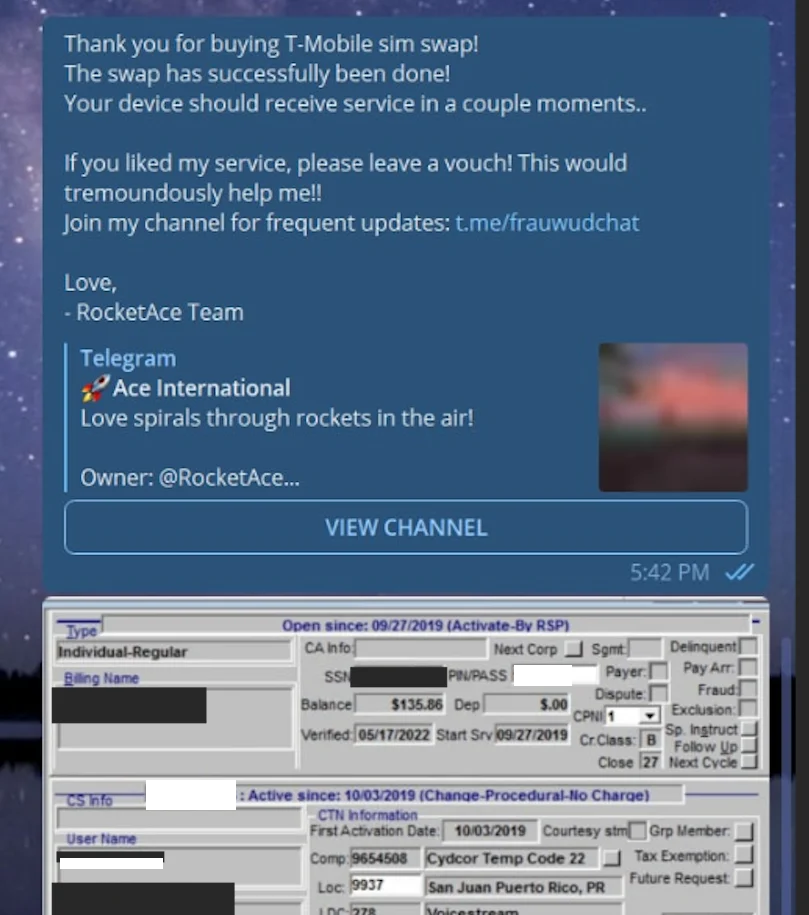
The investigative files reveal that the group’s success was built on a sophisticated, multi-layered business model. Thalha Jubair was identified as a co-operator of "Star Chat," a Telegram channel that functioned as an illicit marketplace and support hub for SIM-swapping.

The SIM-Swapping Economy
The group utilized voice- and SMS-based phishing to compromise credentials from major wireless providers. Once access was secured, they sold services that allowed them to redirect a target’s phone number to an attacker-controlled device. This enabled the interception of calls and text messages, effectively bypassing multi-factor authentication (MFA) protocols—the very defenses meant to prevent such intrusions.
The "Everlynn" Connection
Evidence surfaced last year that a young Jubair, operating under the alias "Everlynn," was engaged in a particularly sinister form of social engineering: the fraudulent "emergency data request." By compromising police and government email addresses, he would send urgent demands to major tech companies for user data, masquerading as law enforcement investigating life-or-death situations. This bypassed traditional judicial oversight and allowed the group to harvest private user data with frightening ease.
Official Responses and Legal Implications
The international legal response has been characterized by a high degree of cooperation between the FBI, the US Department of Justice, and the UK’s National Crime Agency.
For the victims—ranging from global hospitality brands to public transit authorities—the sentencing phase represents a small measure of justice. However, for law enforcement, the work continues. The Department of Justice is actively pursuing charges against other alleged Scattered Spider members, including Ahmed Hossam Eldin Elbadawy, Evans Onyeaka Osiebo, and Joel Martin Evans.
"The scale of these operations, from the targeting of healthcare providers to the disruption of transit systems, demonstrates that these individuals were not mere hobbyist hackers, but architects of a sophisticated, predatory enterprise," said a spokesperson for the US authorities following the recent pleas.
The Broader Implications: A Changing Cybersecurity Landscape
The Vulnerability of Critical Infrastructure
The attack on Transport for London has forced a reevaluation of how public infrastructure is secured. When transit networks are digitized, the "surface area" for an attack grows, and the consequences of a breach extend far beyond financial loss—they impact public safety and urban mobility.
The Rise of Youthful Cyber-Extortionists
Perhaps the most unsettling aspect of the Scattered Spider case is the age of the defendants. With individuals like Flowers beginning their criminal activities at age 15, the cybersecurity community is facing a new demographic of threat actors: digital natives who are highly skilled in social engineering and possess a disregard for the conventional boundaries of cyberwarfare.
The Future of Ransomware
While the convictions of high-profile members like Jubair, Flowers, and Buchanan provide a significant blow to Scattered Spider, the decentralization of these groups means that the threat is unlikely to disappear entirely. The "Star Chat" model of service-based hacking suggests that the tools and methodologies have been distributed among a wider network of cybercriminals, necessitating a more proactive, global defense strategy.
Conclusion: A Date with Justice
As the legal proceedings in the United Kingdom draw to a close, the focus shifts to July 15, 2026, when Flowers and Jubair are scheduled to be sentenced. Their cases will likely set a precedent for how nations handle hackers who operate across borders, targeting critical infrastructure. For the global community, these guilty pleas serve as a warning: while the internet provides anonymity for those who seek to exploit it, the persistence of international law enforcement is narrowing the space for digital criminals to hide.