Biotech at the Crossroads: John Crowley’s Blueprint for a New Era of Innovation
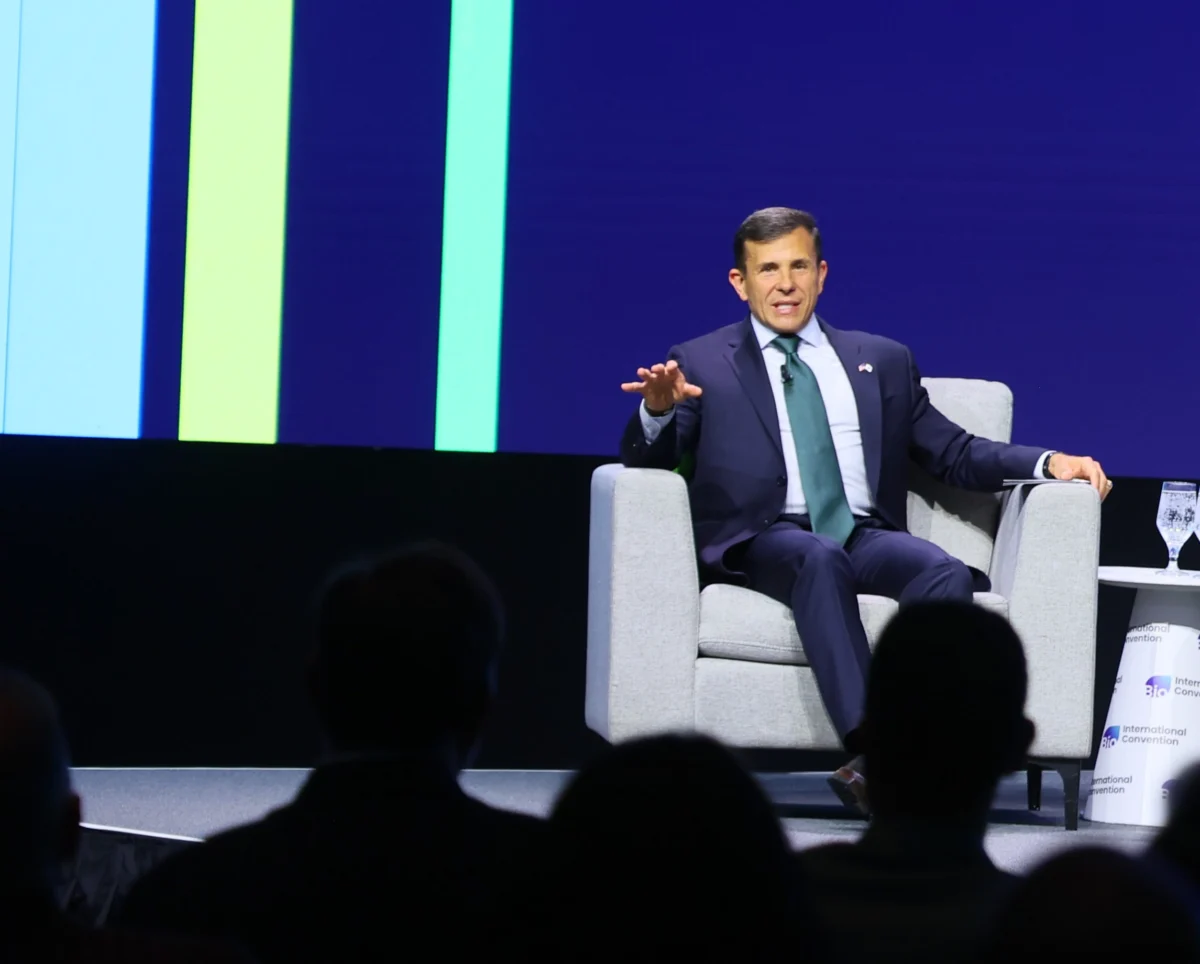
SAN DIEGO — The biotechnology industry stands at a pivotal historical inflection point. As the 2026 BIO International Convention draws to a close in San Diego, a central theme has permeated the halls of the convention center: the sector is currently trapped between the promise of unprecedented scientific discovery and the paralysis of legacy regulatory frameworks.
John Crowley, CEO of the Biotechnology Innovation Organization (BIO), delivered a sobering yet optimistic address to the roughly 20,000 attendees gathered this week. For Crowley, the future of global health hinges on whether the United States can navigate a "grassroots gauntlet" of development, modernize its regulatory posture, and outmaneuver international competitors in an increasingly complex bioeconomy.
The Main Facts: A Sector Under Pressure
The modern biotech landscape is defined by a paradox. On one hand, the tools of innovation—CRISPR gene editing, mRNA platforms, and computational biology—have never been more potent. On the other, the logistical reality of bringing a drug to market has become a high-stakes obstacle course.
Crowley’s vision for the next decade centers on three pillars: the democratization of artificial intelligence, the streamlining of FDA clinical trial protocols, and the recognition of biotechnology as a vital component of national security. He argues that while scientific failure is an inherent risk of the business, "man-made" barriers—such as bureaucratic delays, prohibitive costs, and funding gaps for small-to-mid-sized enterprises—are avoidable impediments that currently throttle human progress.
A Chronology of Resilience: From Personal Crisis to Global Leadership
To understand John Crowley’s sense of urgency, one must look at his origin story, which predates his role as the face of the global biotech lobby. In the late 1990s, Crowley was an executive in the marketing department at Bristol-Myers Squibb. His life pivoted when two of his children were diagnosed with Pompe disease, a rare form of muscular dystrophy.
Driven by the desperation of a father, Crowley left the security of a major pharmaceutical firm to enter the then-nascent world of biotech entrepreneurship. He co-founded Novazyme Pharmaceuticals in Oklahoma City.
Reflecting on his first BIO convention in 2000, held during the initial fervor of the Human Genome Project, Crowley painted a stark picture of the industry’s early years. "I was a 31-year-old CEO of a small startup with no money," he recalled. "I came to the convention, and literally nobody signed up to meet with me. I had zero credibility."
The turning point for Crowley came when he witnessed a presentation by a quadriplegic advocate who defined biotechnology simply as "hope." That singular message became the North Star for his subsequent career. After funding his company through home equity loans and credit card debt—a testament to the "grassroots" nature of biotech—he eventually steered Novazyme to a $225 million acquisition by Genzyme Corporation in 2001. This trajectory solidified his conviction: the most disruptive life-saving science often originates in university labs or patient-driven startups, not just in the R&D departments of industry giants.
Supporting Data and Strategic Challenges
As BIO moves into its next 50 years, the organization has identified two primary strategic challenges that dominated board-level discussions this year: the rapid integration of artificial intelligence and the intensifying competition with China.
The AI Divide
Artificial intelligence is poised to redefine drug discovery, from molecular modeling to predicting clinical trial outcomes. However, Crowley highlighted a growing "AI divide." Large pharmaceutical corporations possess the capital to build proprietary AI stacks and hire hundreds of data scientists. Conversely, the smaller firms—which arguably represent the industry’s primary engine of creative disruption—are falling behind due to a lack of resources.
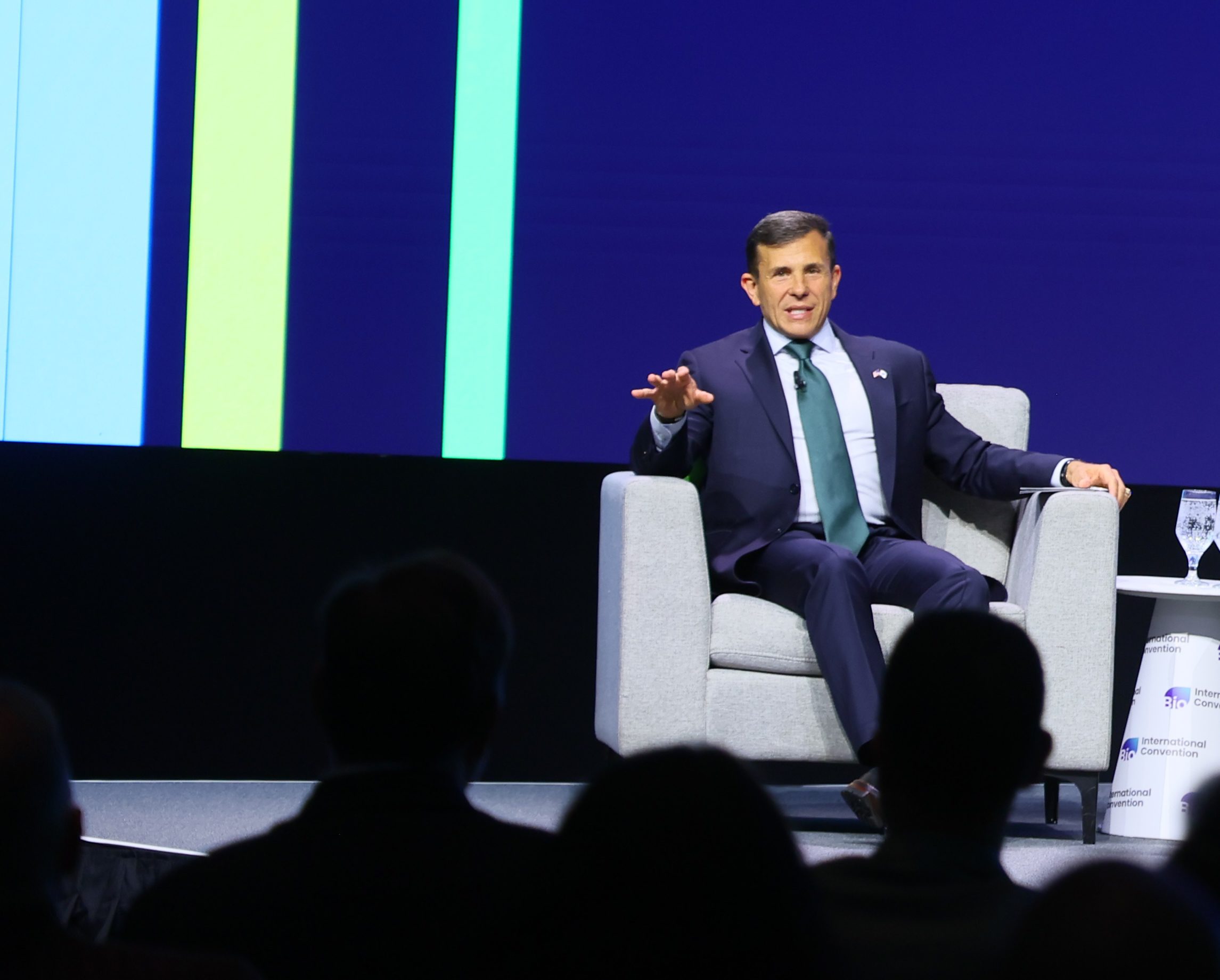
"Our small companies don’t have those resources," Crowley noted. "And it’s a challenge because we work on such long timelines. For an entrepreneur who has spent years on a project, suddenly being faced with a massive, disruptive AI paradigm shift is a daunting reality." BIO’s strategy, therefore, is to act as a bridge, advocating for the democratization of AI tools so that the next breakthrough in gene therapy doesn’t depend solely on the size of a company’s treasury.
The Global Competitive Landscape
Crowley’s rhetoric regarding China was perhaps his most pointed. He argued that the U.S. must treat its domestic biotechnology sector as a critical strategic asset, similar to defense or aerospace. China’s centralized investment in research infrastructure and manufacturing has made it a formidable rival.
"The world is a better, safer, healthier, and more prosperous place when the United States and its allies continue to lead in biotechnology," Crowley asserted. His argument is not for isolationism, which he believes would be counterproductive, but for a "competitiveness-first" policy. By reducing the regulatory burden and increasing the efficiency of the domestic pipeline, the U.S. can ensure it remains the global hub for life-science innovation.
Official Responses and Regulatory Reform
The relationship between the biotech industry and the FDA remains the most significant variable in the "time-to-market" equation. Crowley has been a vocal supporter of the FDA’s "Project Trailblazer," an initiative aimed at modernizing human clinical testing.
Crowley argues that current clinical trials are too burdensome, often serving as a drag on innovation rather than a safety net. "The FDA needs to continue to be the gold standard of the world," he said, "but that means it must also be a beacon of innovation." BIO is actively lobbying for reforms that streamline approvals without compromising the rigor of clinical data. The organization is currently working with regulators to identify specific bottlenecks—the "man-made" problems that keep therapeutics locked in labs while patients wait for treatments.
Implications for the Next 50 Years
The implications of Crowley’s message are clear: the biotechnology industry is no longer in its infancy, yet it has not reached its full potential. The next half-century will be defined by the convergence of genomic medicine, cell therapies, and digital biology.
If the industry succeeds in its advocacy for policy reform, the result could be a significantly faster, more efficient, and more equitable health ecosystem. If it fails, the industry risks stagnation, ceding its leadership role to global competitors and leaving the "hope" that defined Crowley’s early career unfulfilled for millions of patients.
"We can’t come to this convention and cure every cancer," Crowley concluded in his address. "But if we get together with policymakers and lawmakers, we can pretty quickly solve a lot of these man-made problems if we have the will."
As the 2026 convention concludes, the consensus is that the scientific hurdles—while immense—are being met with historical levels of ingenuity. The true test for the industry will be its ability to translate that scientific brilliance into a modern, nimble, and competitive regulatory and economic framework. For John Crowley, the mission remains as personal today as it was in the year 2000: to ensure that the "great big word" of biotechnology remains synonymous with hope, accessible to everyone, and firmly anchored in American innovation.