Beyond the Genetic Blueprint: The New Frontier of Functional Microbiome Science

Over the past decade, the human microbiome has undergone a radical transformation in the eyes of the scientific community. Once dismissed as a biological curiosity—a mere collection of commensal organisms residing within our gut, skin, and oral cavities—the microbiome is now recognized as a sophisticated, dynamic organ system. From gut microbes that recalibrate host metabolism to oral bacteria that prevent dental caries and complex microbial consortia that bolster the efficacy of cancer immunotherapy, the potential for therapeutic intervention is staggering.
However, as the field matures, a consensus has emerged: identifying the "who" is only the prologue. The current challenge, and the defining frontier of modern biology, is deciphering the "what" and the "how"—the functional mechanisms that dictate how these microscopic communities influence human health.
The Shift Toward Mechanistic Understanding
For years, the microbiome research landscape was dominated by descriptive studies. Fueled by the rapid evolution of Next-Generation Sequencing (NGS), researchers were able to catalog the vast diversity of microbial species inhabiting the human body. These "who’s there" studies provided a foundational map, allowing scientists to draw correlations between specific microbial signatures and disease states.
Yet, a critical gap remains. Gene presence—as revealed by sequencing—does not necessarily equate to gene expression or real-world metabolic activity. Two bacterial strains may possess identical metabolic gene clusters, yet exhibit radically different phenotypes under the variable, often hostile conditions of the human gut. To bridge this gap, the field is pivoting toward metabolic phenotyping. By directly measuring microbial activity—including nutrient utilization, substrate preference, growth kinetics, and stress responses—researchers are finally moving beyond observation and toward a mechanistic, functional understanding of microbial life.
Chronology: From Descriptive Taxonomy to Functional Phenotyping
The Era of Cataloging (2010–2015)
The early 2010s were defined by the Human Microbiome Project and the rapid adoption of 16S rRNA gene sequencing. During this period, the goal was binary: define the composition of the healthy microbiome versus the dysbiotic one. While these studies were revolutionary, they were limited by their inability to distinguish between dormant, transient, and active microbial members.
The Rise of Multi-Omics (2016–2020)
As sequencing costs plummeted, the field moved toward metagenomics, metatranscriptomics, and metabolomics. This era allowed scientists to infer function from genetic potential. However, researchers quickly realized that inferring function from a static genetic snapshot is inherently flawed, as it fails to account for the complex environmental pressures of the host ecosystem.
The Current Frontier: The Phenotypic Renaissance (2021–Present)
We are currently in an era where "viability" has become the new watchword. Researchers now recognize that the preservation of microbial physiological relevance—particularly regarding sensitive anaerobes and microaerophiles—is the primary bottleneck in translating benchtop discoveries into clinical reality. The integration of high-throughput metabolic phenotyping represents the current state-of-the-art in ensuring that data collected in the lab reflects the biological reality of the human host.
The Critical Challenge: Preserving the "Living" Sample
One of the most profound hurdles in microbiome research is the preservation of microbial viability during the transition from collection to analysis. Many of the most critical microbes inhabiting the human gut are obligate anaerobes, meaning they perish upon exposure to oxygen.
If a microbial sample is compromised during transport or cultivation, the resulting data is not just incomplete—it is misleading. The metabolic profiles of stressed or dying microbes are fundamentally different from those living in a stable, anaerobic gut environment. Consequently, the industry is seeing an urgent shift toward specialized anaerobic workflows. These systems, which prioritize the maintenance of the microbiome’s native physiological state, are now considered a prerequisite for any study aiming to produce clinically relevant biomarkers or therapeutic candidates.
Supporting Data: Why Sequencing Isn’t Enough
To understand the limitations of sequencing, one must look at the functional variability of microbes. For instance, in clinical trials involving live biotherapeutic products (LBPs), researchers have observed that strains with identical taxonomic classifications can produce vastly different metabolites depending on the specific carbon sources available in their environment.
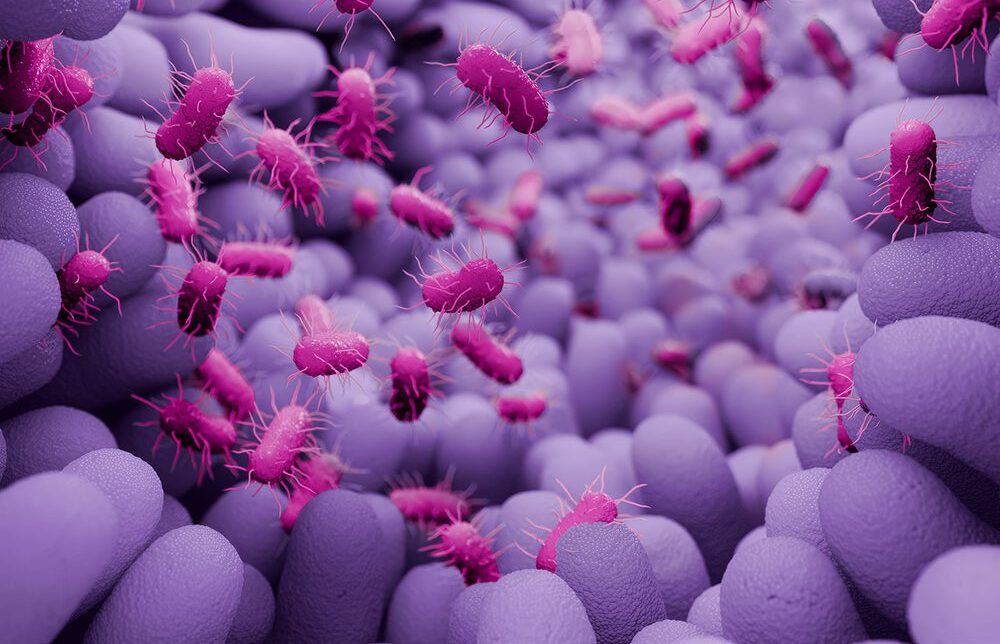
Data from recent studies underscore the following discrepancies:
- Gene Expression Variability: Metatranscriptomic analyses show that even in identical environments, the expression of metabolic pathways can fluctuate by as much as 40% based on microbial stress levels.
- Substrate Utilization: In vitro phenotyping assays demonstrate that strains categorized as "similar" in sequencing databases often exhibit divergent growth rates when exposed to complex dietary fibers, a key factor in gut health.
- Environmental Sensitivity: Research indicates that the transition from the gut to the laboratory environment can induce significant phenotypic shifts within hours, often rendering "standard" culture methods obsolete for high-fidelity research.
Official Perspectives: The Push for Standardization
Leading figures in the biotechnology and clinical research sectors are calling for a move toward "functional diagnostics." Dr. Elena Rossi, a prominent voice in microbiome metabolic engineering, notes, "We are moving out of the era of the ‘microbiome list’ and into the era of the ‘microbiome action plan.’ If we want to develop probiotics that actually colonize and perform, we have to stop treating them like static genetic codes and start treating them like the living, responding metabolic engines that they are."
Industry stakeholders emphasize that for live biotherapeutics to receive regulatory approval, companies must provide evidence not just of identity, but of function. Regulatory bodies are increasingly scrutinizing the "functional consistency" of microbial products, demanding that manufacturers prove their microbes remain active and relevant throughout the supply chain.
Implications for Future Medicine
The implications of this shift toward functional understanding are vast, spanning three primary pillars:
1. Live Biotherapeutic Products (LBPs)
The development of LBPs—essentially "living drugs"—depends on our ability to select strains based on their specific metabolic output. By using metabolic phenotyping to screen candidates, researchers can ensure that a chosen strain will perform the desired metabolic task (e.g., producing short-chain fatty acids or modulating immune signaling) within the unique environment of the patient’s gut.
2. Next-Gen Biomarkers
Instead of looking for the presence of a species as a marker for health, future diagnostics will look for the presence of specific metabolic activities. This could involve "activity-based" diagnostics that measure how well a patient’s microbiome utilizes certain nutrients, providing a real-time snapshot of metabolic health that traditional blood panels might miss.
3. Personalized Nutrition and Medicine
The ultimate goal is a precision medicine approach where an individual’s microbiome is profiled not just for its membership, but for its functional capacity. By understanding how a person’s unique microbial consortium interacts with diet and medication, physicians will be able to prescribe targeted prebiotics or microbial consortia to "tune" the microbiome toward a healthier state.
Conclusion: Moving Beyond the Correlation Trap
The last decade of microbiome research has been an incredible journey of discovery. We have learned that we are, in many ways, an ecosystem unto ourselves. Yet, we are now entering a more rigorous phase of scientific inquiry. The transition from correlation to mechanism is not just a change in methodology; it is a change in philosophy.
By focusing on the preservation of viability, the nuances of anaerobic conditions, and the precision of metabolic phenotyping, the next generation of microbiome research promises to move us toward a future where we don’t just observe our microbial partners, but actively harness them to treat, cure, and prevent human disease. The "who" has been identified; now, it is time to master the "what" and the "how."