Breaking the Henipavirus Barrier: A Breakthrough Antibody Cocktail Against Nipah and Hendra Viruses
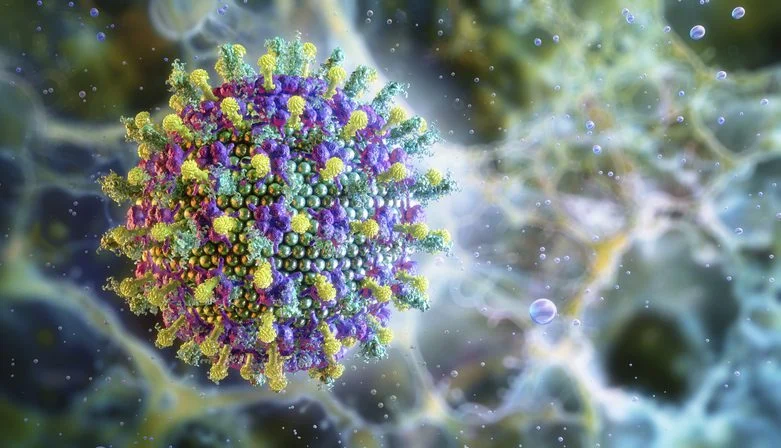
In the ongoing global effort to fortify defenses against emerging zoonotic threats, a team of researchers at the Icahn School of Medicine at Mount Sinai has achieved a significant milestone. They have successfully developed the first fully human monoclonal antibody cocktail capable of providing complete protection against Nipah and Hendra viruses—two of the most lethal pathogens known to science.
The study, published in Science Translational Medicine, introduces a dual-targeting therapeutic strategy that not only neutralizes these viruses but also creates a robust barrier against viral evolution. By targeting the viral fusion (F) and receptor-binding (RBP) proteins simultaneously, this cocktail offers a glimmer of hope for treating infections that carry mortality rates as high as 75%.
The Silent Threat: Understanding Henipaviruses
Nipah virus (NiV) and its close relative, Hendra virus (HeV), are zoonotic pathogens—meaning they jump from animals to humans. Often harbored by fruit bats of the Pteropus genus, these viruses can cause severe respiratory distress and catastrophic neurological inflammation. Since their initial discovery in the late 1990s, they have been classified as high-priority pathogens by global health organizations due to their high case-fatality rates and the lack of approved vaccines or therapeutics.
When an outbreak occurs, the window for intervention is agonizingly small. The virus progresses rapidly, leaving clinicians with few options beyond supportive care. The lack of survivor samples, which are essential for studying human immune responses, has historically hindered the development of effective, fully human-derived treatments.
A New Strategy: The Mechanics of the Cocktail
The research team, led by Axel Guzman-Solis and Benhur Lee, MD, sought to overcome the traditional obstacles associated with antibody development. Their approach centered on a critical question: Could they engineer antibodies that attack the virus from multiple angles, effectively "trapping" it and preventing it from mutating to evade the immune system?
The Dual-Targeting Approach
The researchers utilized vaccinated humanized mice to isolate monoclonal antibodies against the F and RBP proteins of the Nipah virus. This process yielded two specific antibodies: 8G3 and 2A1.
- 8G3 focuses on the Receptor Binding Protein (RBP).
- 2A1 targets the Fusion Protein (F).
By combining these, the team created a "cocktail" that hits the virus at two distinct stages of its infection cycle. If the virus manages to bypass the RBP block, it is immediately confronted by the F-protein blockade. This redundancy is the cornerstone of the treatment’s success.
The Cryo-EM Revelation
The team employed cryo-electron microscopy (cryo-EM) to visualize exactly how the 2A1 antibody interacts with the virus. They expected the antibody to "displace" a portion of the viral fusion protein to render it inert. Instead, they discovered something entirely different: the 2A1 antibody stabilized a sugar-containing structure on the protein.
"We were surprised to find that the antibody essentially embraces a structure on the virus that many antibodies try to move out of the way," explained Dr. Benhur Lee. This discovery shifted the paradigm of antibody design, suggesting that stabilizing a viral protein—rather than simply disrupting it—can be a highly effective, and perhaps more resilient, strategy for neutralization.
Chronology of the Research Journey
The path to this discovery was neither quick nor simple. The project spanned several years of rigorous laboratory investigation and iterative testing:
- Initial Isolation: Leveraging humanized mouse models to identify antibodies capable of binding to Henipavirus proteins.
- Screening for Synergy: Testing combinations of antibodies to determine which pairs offered the strongest neutralization potential.
- Molecular Visualization: Using high-resolution cryo-EM to map the precise binding sites of 8G3 and 2A1.
- In Vivo Efficacy Testing: Moving the cocktail into animal models (hamsters) to test its protective capacity against lethal doses of the virus.
- Post-Infection Treatment Analysis: Evaluating the cocktail’s ability to "rescue" subjects even after the infection had already taken root.
Supporting Data: Proof of Concept
The most compelling aspect of the research is the data gathered from the animal studies. In experiments involving hamsters, the antibody cocktail provided complete protection against a lethal challenge of the Nipah virus.
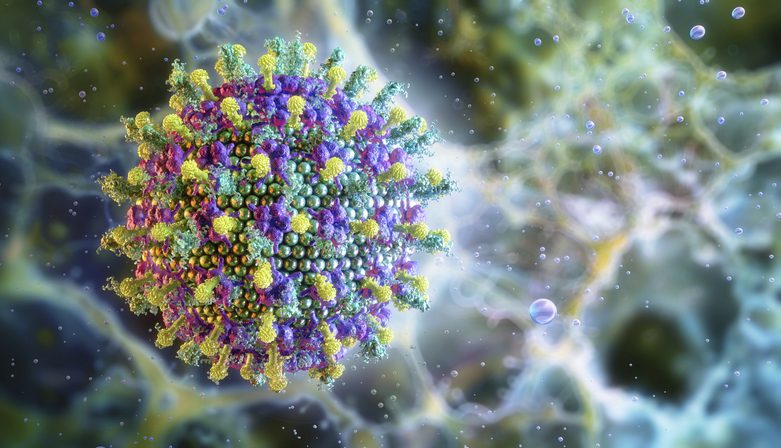
What makes these results particularly significant for clinical translation is the timing. The treatment remained effective even when administered after the infection was already established. In the context of a disease that progresses with extreme speed, the ability to act as a post-exposure therapeutic is a game-changer. By the time symptoms appear in human patients, the viral load is typically high; an antibody that can halt progression at this stage could be the difference between life and death.
Official Responses and Scientific Context
The scientific community has lauded the study for its innovative approach to viral resistance.
"One of the biggest challenges in developing treatments for henipaviruses is that human survivor samples are extremely rare," noted Axel Guzman-Solis. "We wanted to determine whether we could create fully human antibodies that target the virus in multiple ways at once, making it much more difficult for the virus to evolve resistance."
Dr. Lee emphasized that this work represents more than just a specific treatment for Nipah; it serves as a "blueprint." By demonstrating that multiple proteins can be targeted simultaneously to prevent immune escape, the researchers have provided a framework that could be applied to other dangerous viruses, such as Ebola, Marburg, or even future, as-yet-unknown "Disease X" pathogens.
Implications for Future Pandemic Preparedness
The success of the 8G3/2A1 cocktail highlights a critical shift in how we approach pandemic preparedness. Instead of chasing a single, perfect target on a rapidly mutating virus, the future lies in "multi-modal" attacks.
1. Robustness Against Mutation
Viruses are masters of mutation. A single antibody treatment often fails because the virus quickly evolves a shape that the antibody can no longer recognize. By hitting two independent proteins at once, the "cost" to the virus of mutating to escape is significantly higher. It would require multiple, simultaneous mutations to evade the cocktail, a feat that is biologically improbable for the virus.
2. Broadening the Scope
The team is currently investigating "next-generation" formats, including single, bi-specific molecules that could mimic the cocktail’s effect in a more streamlined, drug-like form. They are also looking into whether these antibodies can be engineered to cross-react with other members of the Henipavirus family, potentially creating a "pan-henipavirus" therapy.
3. Clinical Development
While the results are promising, the researchers are careful to outline the necessary next steps. The journey from a laboratory discovery to a bedside medicine requires:
- Nonhuman Primate Studies: To confirm the safety and efficacy in models that more closely mirror human biology.
- Long-term Safety Profiling: To ensure that the human antibodies do not trigger adverse immune reactions.
- Optimization for Mass Production: Establishing manufacturing protocols that can produce high-quality, stable batches of these antibodies for rapid deployment during an outbreak.
Conclusion: A Blueprint for the Future
The work of the Mount Sinai team underscores a fundamental shift in medical microbiology: the move from reactive to proactive, multi-layered defense. As zoonotic spillover events become more frequent due to environmental changes and human encroachment, the ability to deploy rapid, effective, and "evolution-proof" therapies is essential.
"As zoonotic outbreaks continue to emerge around the world, there is an urgent need for therapies that can be deployed quickly against high-consequence pathogens," Dr. Lee concluded. "Our long-term goal is to translate these discoveries into practical tools that help protect people during future outbreaks."
By stabilizing viral proteins and attacking at multiple vulnerable points, this research has not only provided a potential cure for a devastating disease but has also laid the foundation for the next generation of life-saving therapeutics. In the race against nature’s most lethal viruses, the dual-targeting strategy may well be the edge that humanity needs to stay ahead.