The Digital Pulse: Navigating the Promises and Pitfalls of Wearable Health Tech
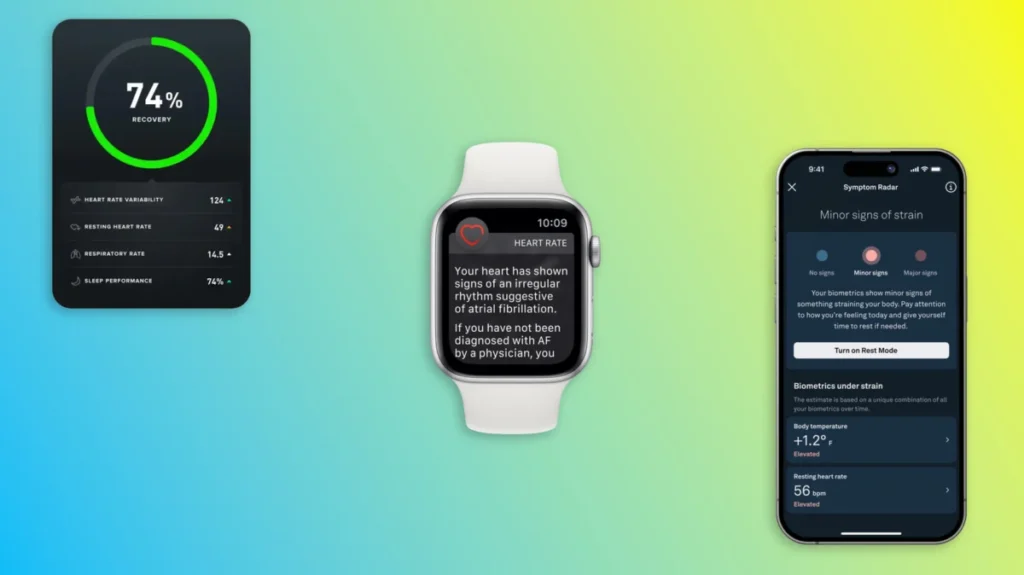
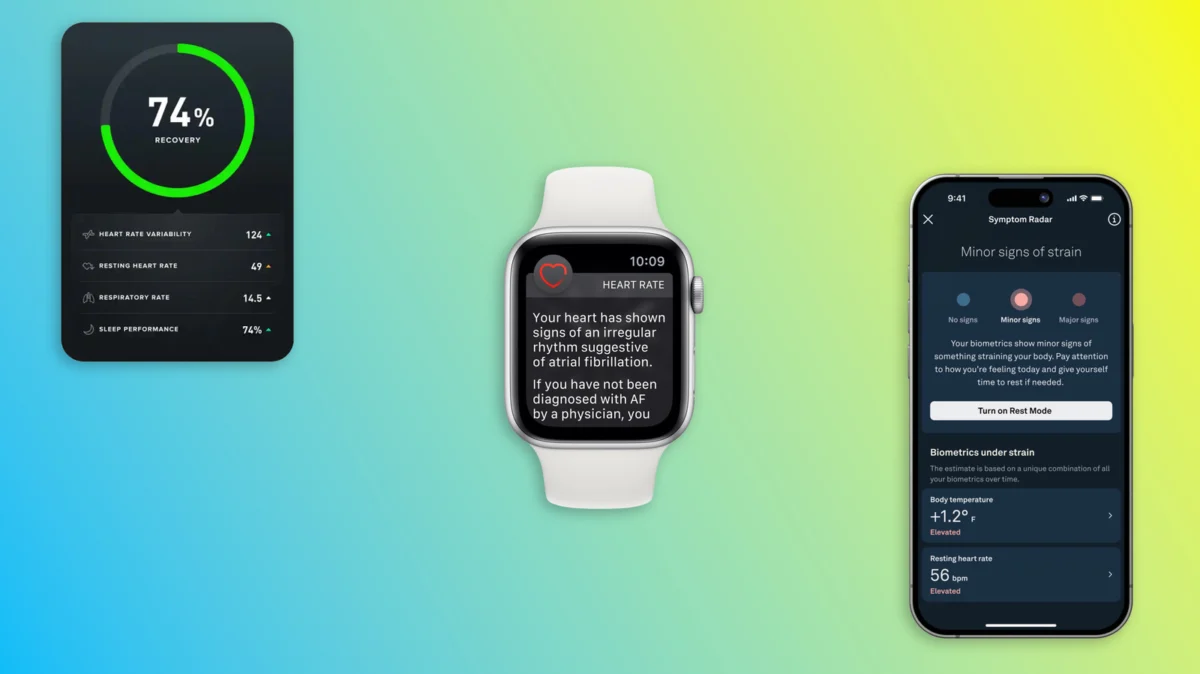
For years, the promise of the “digital doctor” has been a staple of science fiction. We envision a future where a sleek device on our wrist acts as a Star Trek Tricorder, scanning our biology in real-time to diagnose ailments before we even feel a sneeze. Today, as smartwatches and fitness trackers evolve from simple step-counters into sophisticated diagnostic arrays, that dream feels closer than ever. However, a chasm remains between the slick marketing of Big Tech and the rigorous reality of clinical medicine.
While wearable health technology is undeniably becoming more capable, consumers must navigate a complex landscape of hype, proprietary algorithms, and genuine medical utility. Are these devices truly revolutionizing healthcare, or are they merely sophisticated pedometers that offer a false sense of security?
The Current State of Wearable Tech: Beyond Step Counting
The modern wearable is a powerhouse of miniaturized sensor technology. Beyond tracking movement, contemporary devices from Apple, Whoop, Oura, and others continuously monitor skin temperature, heart rate variability (HRV), blood oxygen saturation (SpO2), and respiratory rates. Some have even ventured into the territory of detecting sleep apnea and irregular heart rhythms.
When Big Tech unveils these features, the narrative is often one of empowerment. We see poignant advertisements featuring individuals whose lives were saved by a sudden notification from their watch. Yet, beneath the glossy marketing lies a sobering truth: most of these metrics are intended for wellness monitoring, not clinical diagnosis.
The industry is currently caught in a transition phase. While the hardware is becoming exceptionally precise, the software—and the way we interpret the resulting data—is still struggling to catch up to the standards of evidence-based medicine.
A Chronology of the Wearable Revolution
The trajectory of wearable health tech has been marked by a shift from broad activity tracking to hyper-specific biometric monitoring:
- 2010–2015: The Fitness Tracker Era. Early devices like the original Fitbit focused primarily on movement. The primary goal was behavioral modification: encouraging users to walk more and sit less.
- 2015–2018: The Integration of Heart Rate. The introduction of photoplethysmography (PPG) sensors—which use light to measure blood flow—marked the first major shift toward physiological monitoring. This allowed for continuous heart rate tracking, moving the industry into the health space.
- 2018–2022: The Clinical Pivot. The Apple Watch’s FDA clearance for ECG (electrocardiogram) functionality signaled a new era. Companies began seeking regulatory approval, attempting to position their devices as legitimate medical instruments rather than just "gadgets."
- 2023–Present: The AI and Predictive Era. With the advent of generative AI, the focus has shifted toward predictive analytics. Devices are now attempting to synthesize multiple streams of data to "predict" illness or recovery before the user experiences symptoms.
What Actually Works: Separating Signal from Noise
Despite the marketing noise, there are specific areas where wearables have proven their worth. The gold standard for current wearable technology remains the detection of atrial fibrillation (AFib).
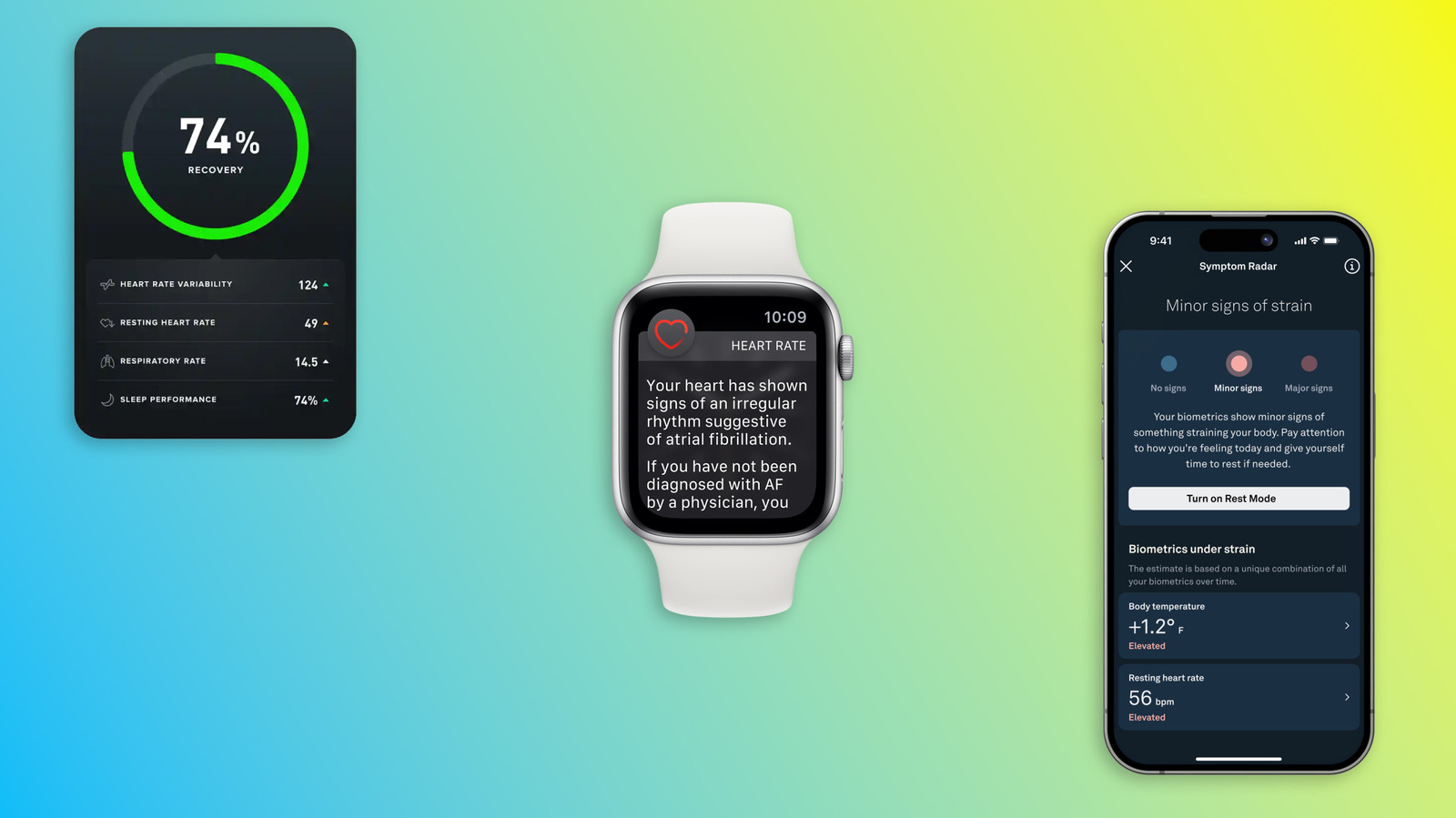
The AFib Success Story
AFib is an abnormal heart rhythm that serves as a major risk factor for stroke. Because the condition creates a distinct, irregular electrical and mechanical pattern in the heart, it is one of the few anomalies that current consumer sensors can identify with high accuracy. Research, including studies on the Apple Watch, has shown that irregular pulse notifications correlate with AFib diagnoses in a significant percentage of cases. This is considered “clinically useful” because it provides a clear, actionable data point that a physician can immediately follow up on with an EKG.
The Limits of Reliability
Conversely, many other metrics touted by manufacturers lack the clinical rigor required for medical decision-making. Physicians have repeatedly noted that "wellness" metrics—such as calorie expenditure estimates, sleep-stage tracking, and blood pressure trends—are often too inconsistent to be used for diagnostic purposes. These metrics are susceptible to interference from external factors like device fit, movement, and environmental conditions.
Supporting Data: The Power of Pattern Recognition
While a single reading of heart rate or temperature is rarely diagnostic, the power of wearables lies in their ability to establish a "baseline."
Recent research from institutions like Texas A&M and Stanford suggests that wearables are surprisingly effective at flagging the physiological "pre-symptoms" of respiratory infections, including COVID-19 and influenza. The study found that by tracking deviations from an individual’s established baseline, devices could detect signs of infection hours—sometimes days—before the onset of clinical symptoms.
The implications for public health are profound. Researchers estimate that if widespread adoption of this monitoring could encourage early isolation and testing, it could theoretically reduce transmission rates of seasonal illnesses and pandemics by up to 50 percent.
The Role of AI: The Double-Edged Sword
The integration of Artificial Intelligence represents the next frontier. Companies like Google (via the Fitbit ecosystem), Oura, and Whoop are now deploying AI-driven "coaches" to interpret raw data for the user. These systems are designed to parse through noise to identify trends that a human might miss.
However, this brings a new set of risks. Proprietary algorithms—often referred to as "black boxes"—process data in ways that are opaque to both the user and the doctor. If an AI suggests you are "recovering" poorly, it is difficult to determine exactly which data point triggered that conclusion.
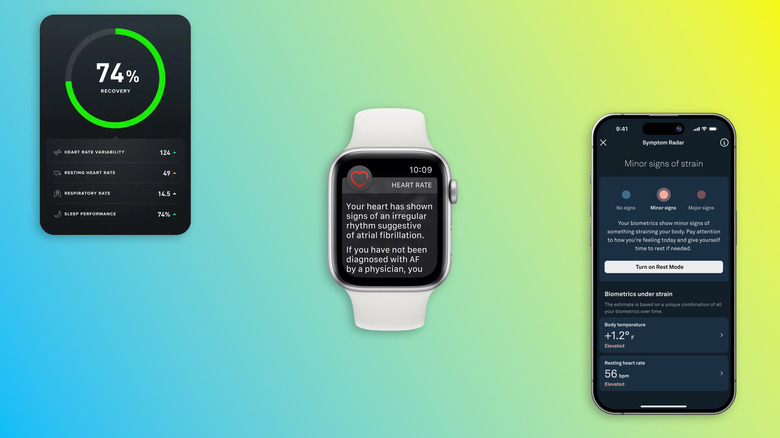
Furthermore, there is a legitimate concern regarding the "Medicalization of Daily Life." When a device provides a daily wellness score, users may begin to defer to the algorithm rather than listening to their own bodies. The risk is that individuals might substitute algorithmic advice for professional medical consultation, or conversely, experience "cyberchondria"—a state of heightened anxiety caused by constant, self-diagnosed health data.
Implications for the Future of Healthcare
The future of wearable health is not a "wrist-worn physician," but rather a "collaborative assistant."
The Shift Toward Longitudinal Data
The true value of these devices is not in the "alert" that tells you you’re sick today, but in the months and years of longitudinal data they provide. Doctors are beginning to see the potential in reviewing patient trends over time, which provides a much clearer picture of health than a single snapshot taken during a standard annual physical.
The Regulatory and Ethical Hurdles
As these devices become more embedded in our health journeys, regulatory bodies face the challenge of vetting software that changes constantly via firmware updates. Furthermore, the privacy of this granular biometric data remains a critical concern. As insurance companies and employers show increasing interest in "wellness data," the ethical framework surrounding who owns and who has access to this information will need to be strictly codified.
Conclusion: A Tool, Not a Verdict
At the end of the day, a smartwatch is a window into your physiology, not a judge of your health. It is an excellent tool for prompting curiosity and encouraging a proactive approach to wellness. However, it cannot replace the nuance of a clinical examination, the expertise of a trained physician, or the importance of subjective self-awareness.
The next generation of wearables will likely be less about "telling you what is wrong" and more about "notifying you when to see someone who can tell you what is wrong." By shifting the focus from diagnostic independence to informed collaboration with the medical community, we can harness the power of these devices to live longer, healthier, and more informed lives. For now, take the alerts with a grain of salt, treat your data as a conversation starter, and always prioritize the advice of the professional sitting across from you in the exam room.