The Twilight of the Disc: Sony’s 2028 Strategy and the Future of Physical Media
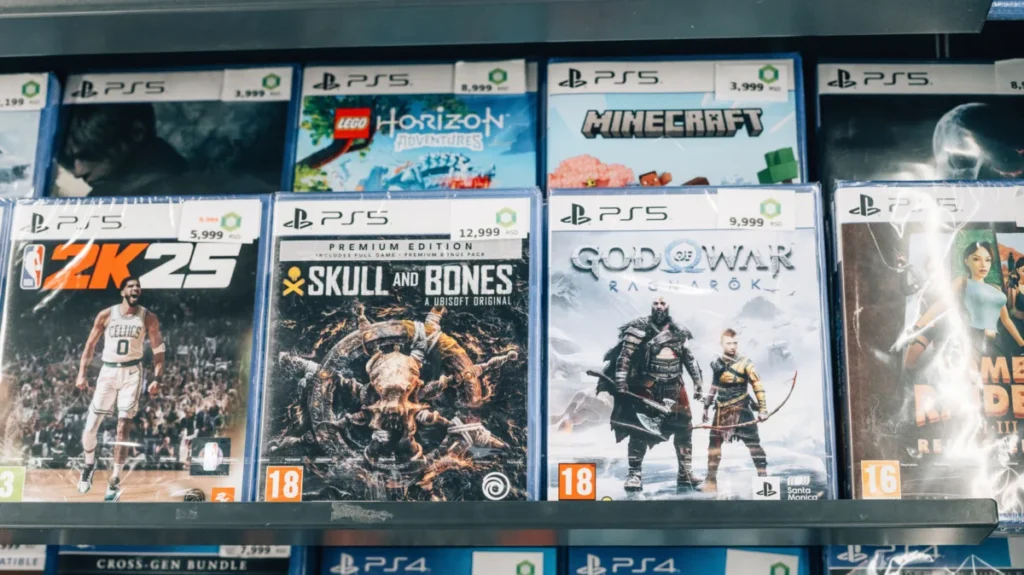
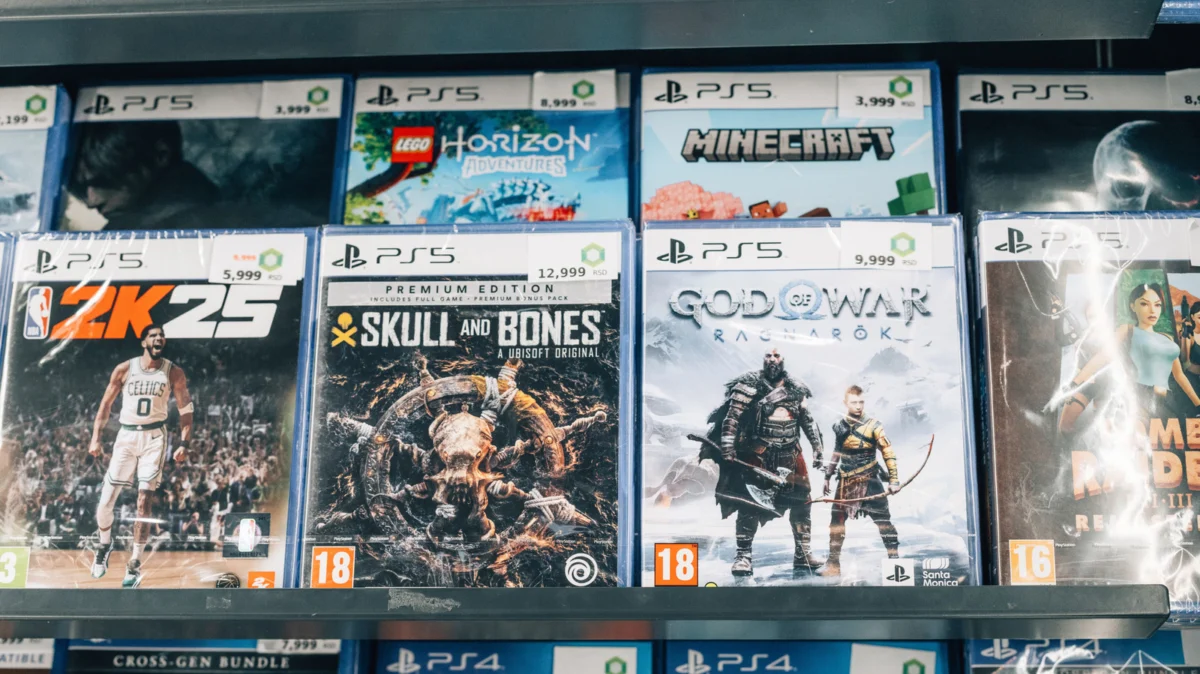
The video game industry is standing on the precipice of a seismic shift. For decades, the tactile experience of purchasing a physical game—the ritual of breaking the plastic seal, sliding a disc into a drive, and displaying a collection on a shelf—has been the bedrock of gaming culture. However, Sony Interactive Entertainment has signaled the beginning of the end for this era. By January 2028, the company will cease the production of physical game discs for new releases, effectively steering the PlayStation ecosystem toward an all-digital future.
While the initial announcement sent shockwaves through the gaming community, further clarifications have emerged. Recent internal communications from Sony to developers and publishers reveal a nuanced, albeit restrictive, path forward for legacy titles. As the industry pivots toward a digital-first model, the tension between corporate efficiency and the preservation of gaming history has never been more palpable.
Main Facts: The 2028 Mandate and the "Back-Catalog" Exception
The core of Sony’s directive is absolute: effective January 2028, no new PlayStation game titles will be manufactured in physical disc format. This move aligns with broader industry trends that prioritize digital distribution, cloud-based infrastructure, and the reduction of manufacturing overhead.
However, a critical distinction has been made regarding the existing library. According to recent reports from Game File, Sony has communicated to its publishing partners that they will retain the ability to place re-orders for physical discs, provided the game in question was released prior to the 2028 deadline.
This creates a "split-timeline" for retail shelves. Gamers can expect to see physical copies of older titles continue to circulate for years to come, but the arrival of brand-new, marquee releases will be exclusively tethered to the PlayStation Store. Furthermore, Sony has indicated it will offer publishers the option to sell physical retail boxes containing digital codes. While this maintains a presence in brick-and-mortar stores, it fundamentally changes the nature of the product from a permanent, offline-capable asset to a transient license.
A Chronology of the Shift
To understand how we arrived at this point, one must look at the gradual erosion of the physical medium over the last decade:
- 2013–2017: The Rise of Digital Storefronts. With the launch of the PlayStation 4, digital downloads became a mainstream convenience. Patches and day-one updates became standard, meaning the disc was no longer a complete product, but rather a "key" to unlock content.
- 2020: The Digital-Only Experiment. The PlayStation 5 launched with a Digital Edition, marking the first time Sony offered a primary console without a disc drive at a lower price point.
- 2026: The Formal Announcement. Sony officially announced that physical disc production would terminate in January 2028, citing environmental sustainability and shifting consumer habits.
- 2027: The Infrastructure Pivot. Sony began the process of repurposing its historic disc-manufacturing facility in Salzburg, Austria. Instead of gaming media, the plant began shifting its focus toward the production of optical microlenses, signaling a permanent departure from the physical media supply chain.
- 2028 and Beyond: The deadline arrives. New IP and major franchise sequels will exclusively exist as digital assets, with retail stores pivoting to "gift card" style distribution for codes.
Supporting Data: Why Sony is Moving Away from Discs
Sony’s decision is not born from a sudden whim, but from a calculated analysis of operational costs and market data. Several factors are driving this transition:
1. The Cost of Logistics and Retail
Physical distribution involves a complex web of manufacturing, shipping, warehousing, and retail middle-men. Each link in that chain takes a cut of the profit. Digital distribution allows Sony to capture a higher percentage of revenue while simultaneously bypassing the complexities of global logistics.
2. The "Service" Model
Modern gaming has transitioned toward "Games as a Service" (GaaS). Titles like Fortnite, Apex Legends, and various live-service iterations of established franchises require constant connectivity. Physical discs are inherently ill-suited for this model, as they require massive "day-one" downloads that effectively render the disc itself redundant.
3. Environmental Sustainability
Sony has publicly touted its sustainability initiatives. By eliminating the manufacturing of plastic cases, printed manuals, and the carbon footprint associated with global shipping, Sony argues that a digital-only future is the greener choice.
Official Responses and Developer Relations
The industry reaction has been mixed. While major publishers have largely remained silent, opting to follow the market flow, independent developers have expressed varying degrees of concern.
Sony’s internal messaging to partners remains focused on "transition support." They have assured publishers that the ordering process for legacy discs will remain functional, though they have yet to provide a roadmap for how that process will be managed once the Salzburg facility is fully converted. The ambiguity surrounding the "digital code in a box" initiative suggests that Sony is attempting to soften the blow for retailers like GameStop and Best Buy, who rely heavily on physical game sales to drive store traffic.
Industry analysts suggest that Sony is playing a delicate game: they want to move to digital to maximize margins, but they cannot afford to alienate the retail partners who still serve as a primary marketing engine for new releases.
The Implications: Preservation and Ownership
The most significant criticism of the 2028 transition centers on the concept of "Digital Ownership." When a player buys a physical disc, they own a tangible copy of the software. While license agreements have always technically limited that ownership, the physical copy serves as a barrier against corporate de-listing.
The Preservation Crisis
The Video Game History Foundation has repeatedly warned that the vast majority of classic games are currently inaccessible to the public. If every game released after 2028 is locked behind a server-side digital license, the ability to play these games 20 or 30 years from now becomes entirely dependent on Sony’s goodwill—and the continued operation of their servers.
The "All-Digital" Reality
If the servers go down or if a publisher loses the rights to a soundtrack or a licensed asset, digital games can be "de-listed." Once de-listed, they are often impossible to re-download. In a physical-only world, the game remains on the shelf. In the 2028 world, if the game isn’t on your hard drive, it effectively ceases to exist.
Impact on the Consumer
For the average gamer, the convenience of instant downloads is undeniable. However, the loss of the secondary market (buying and selling used games) is a major blow to consumer autonomy. Without physical discs, the "used game" market will be eradicated. This leaves consumers with no choice but to pay whatever price is listed on the PlayStation Store, eliminating the price competition that historically kept game costs in check.
Conclusion: A New Paradigm
The transition to an all-digital landscape by 2028 is arguably the most significant change in the history of the console gaming industry. While Sony’s decision to allow re-orders of legacy games provides a small, temporary reprieve, the trajectory is clear. The industry is moving toward a model of temporary, cloud-dependent access rather than permanent ownership.
As we approach 2028, the gaming community must prepare for a future where the collection on the shelf is a relic of a bygone era. Whether this shift results in a more efficient, accessible industry or a diminished landscape of consumer rights remains to be seen. What is certain is that the physical disc, the icon of the gaming revolution, is entering its final chapter. Developers, publishers, and players alike must now adapt to a digital-only reality, where the longevity of a game is no longer measured by the durability of a disc, but by the lifespan of a server.