Optimizing the Cold Chain: The Future of Fluid Management in Cell and Gene Therapy


Date: October 20, 2026
Subject: Advancing Fluid Transfer and Freeze-Thaw Workflows in Bioprocessing
In the rapidly evolving landscape of cell and gene therapy (CGT), the ability to maintain the integrity of delicate biological materials is no longer just a technical hurdle—it is the definitive bottleneck to commercial success. As the industry shifts from pilot-scale clinical trials to large-scale commercial manufacturing, the logistics of fluid transfer and cryopreservation have emerged as the primary determinants of product quality, patient safety, and process economics.
On October 20, 2026, GEN hosted a pivotal webinar featuring industry experts Alex Fuchs of Single Use Support and Jascha Rosenbaum of Colder Products Company (CPC). The session dissected the critical intersection of automation, closed-system architecture, and cold chain management, offering a roadmap for manufacturers striving to scale without compromising the viability of their therapeutic payloads.
The Core Challenge: Why Fluid Integrity Matters
The complexity of CGT manufacturing is fundamentally different from traditional monoclonal antibody production. Because the therapeutic product is often the living cell itself, every unit operation—from harvest and formulation to fill-finish and storage—poses a risk of contamination or mechanical degradation.
Fluid transfer and freeze-thaw cycles represent the "high-risk zones" of the manufacturing workflow. Traditional manual methods, while flexible at the laboratory scale, are fraught with variability. Human intervention remains the leading cause of contamination, and inconsistent cooling rates during cryopreservation can lead to osmotic stress, ice crystal formation, and significant losses in cell viability.
"We are moving past the era where manual fluid handling is acceptable," says Alex Fuchs, Director of Product Innovation at Single Use Support. "To reach the next tier of biopharmaceutical manufacturing, we must integrate automation that doesn’t just replicate manual tasks, but fundamentally protects the fluid path from the moment it leaves the bioreactor to the moment it reaches the patient."
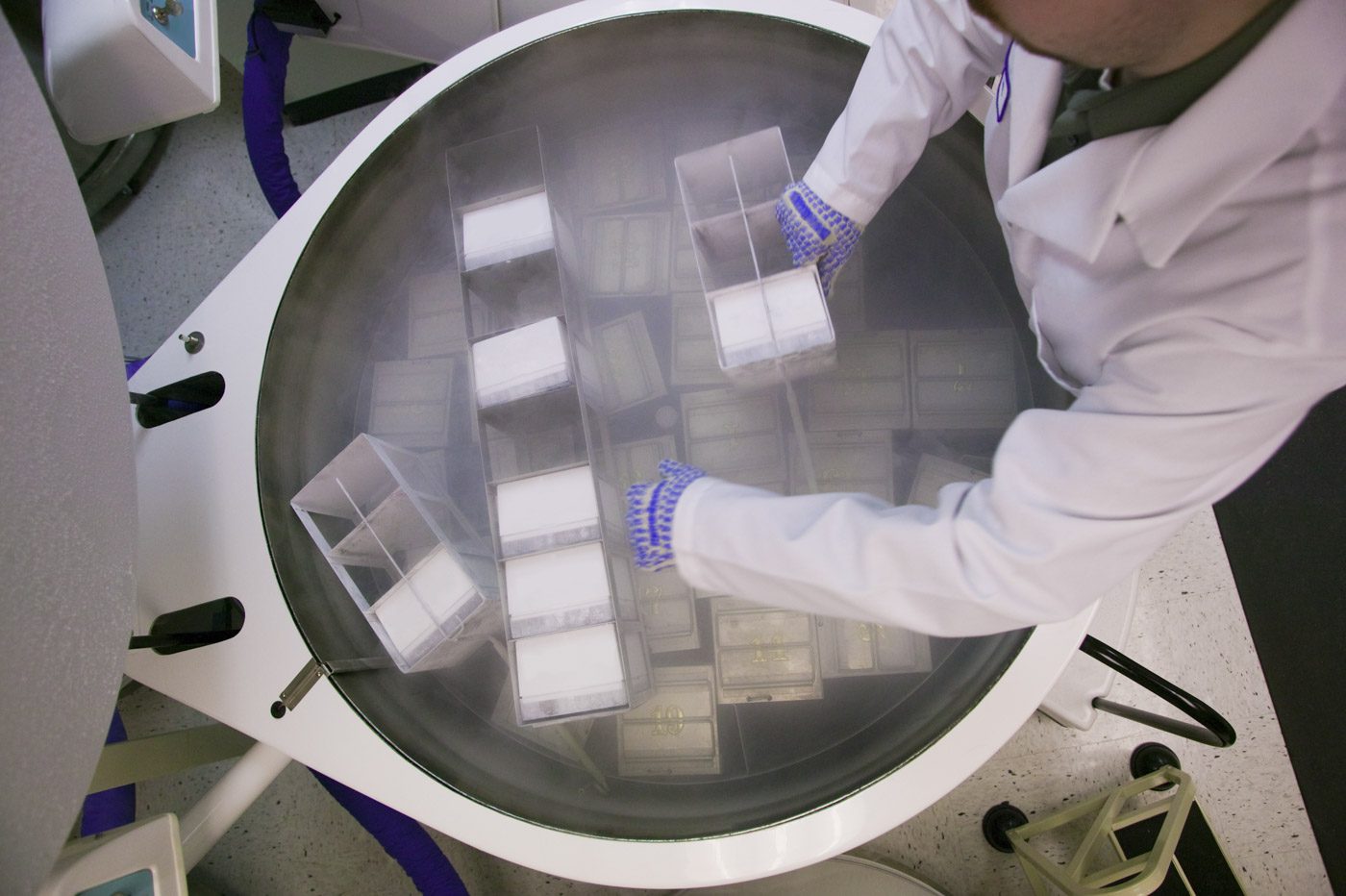
Expert Panelists: Bridging Engineering and Biopharma
The discussion was led by two of the industry’s most prominent voices in bioprocess engineering:
- Alex Fuchs (Single Use Support): With a background spanning jewelry design, manufacturing, and biopharma, Fuchs brings a cross-disciplinary approach to automation. His expertise in engineering and process management is currently centered on optimizing cold chain solutions that ensure the stability of highly sensitive biological fluids.
- Jascha Rosenbaum (Colder Products Company): As the Regional Director for Applications & Business Development in Europe, Rosenbaum has spent the last decade navigating the single-use landscape. His work with Europe’s largest biopharmaceutical manufacturers has provided him with a unique vantage point on the transition from small-batch production to robust, standardized commercial workflows.
Chronology: The Evolution of Single-Use Implementation
The shift toward modern, automated fluid management can be categorized into three distinct phases over the last decade:
1. The "Open-System" Era (Pre-2015)
In the early days of advanced therapies, manufacturing was largely an extension of bench-top research. Systems were often "open," requiring frequent manual connections and transfers. This led to high rates of contamination and significant batch failures.
2. The Rise of Single-Use Technology (2015–2022)
The industry saw a massive migration toward single-use systems (SUS). By replacing stainless steel infrastructure with disposable bags and tubing, manufacturers significantly reduced the time and cost associated with cleaning and sterilization validation. However, as demand grew, the industry realized that single-use components were only as strong as their weakest connection.
3. The Automation and Closed-Loop Frontier (2023–Present)
We are currently in the age of "intelligent manufacturing." The focus has shifted from merely having single-use components to ensuring those components are part of a closed, automated, and digitized process. Today’s systems incorporate advanced sensors, leak-proof coupling technologies, and sophisticated freeze-thaw control units to manage the entire cold chain lifecycle.
Supporting Data: The Cost of Inefficiency
During the webinar, the panelists highlighted several key metrics that define the current state of the industry:

- Risk Reduction: Transitioning from manual, open-system transfers to automated, closed-system fluid management has been shown to reduce contamination events by up to 60% in clinical manufacturing settings.
- Throughput Gains: Implementing standardized, high-flow coupling technologies allows for a 30–40% reduction in setup time for large-scale fill-finish operations.
- Cryopreservation Yields: Utilizing controlled-rate freezing technology integrated with automated fluid management platforms can improve cell recovery rates by 15–25% compared to uncontrolled or legacy freezing methods.
These figures underscore a critical reality: the "cost" of high-quality, automated equipment is almost always offset by the reduction in "cost of goods sold" (COGS) driven by higher yields and fewer discarded batches.
Official Perspectives: Navigating the Technical Landscape
During the Q&A session, Rosenbaum emphasized that the choice of connectors and tubing is not merely a procurement decision—it is a critical engineering choice.
"When we talk to manufacturers in Europe and the U.S., the conversation has shifted from ‘what is the cheapest connector?’ to ‘how does this connector affect the fluid path’s overall reliability?’" Rosenbaum explained. "In a cryopreservation workflow, the pressure spikes during the freezing and thawing phases can be significant. If your connection point is the weakest link, the entire batch is at risk."
Fuchs added that the future of the industry lies in "Process Analytical Technology" (PAT) integration. "We want the system to tell us the state of the fluid. We are building platforms that don’t just move liquid, but monitor temperature, pressure, and flow rates in real-time, feeding that data back into the process control loop."
Implications for Future Manufacturing
The insights provided by Fuchs and Rosenbaum point to several long-term implications for the cell and gene therapy sector:
The Standardization of "Platform" Processes
As CGT products move toward commercialization, regulatory bodies like the FDA and EMA are increasingly looking for standardized manufacturing platforms. Companies that rely on custom, bespoke fluid transfer systems will find it harder to secure regulatory approval compared to those utilizing validated, industry-standard, closed-loop systems.

The Sustainability Factor
While single-use systems are often criticized for their environmental footprint, the panelists argued that they are essential for the high-containment, high-speed requirements of modern therapies. The industry is now pivoting toward recyclable plastics and circular manufacturing models to mitigate the environmental impact of disposable technology.
Workforce Development
As processes become more automated, the demand for "bioprocess engineers" is surging. The next generation of technicians must be as comfortable with software and automation logic as they are with sterile technique and aseptic processing.
Conclusion
The path to successful cell and gene therapy commercialization is paved with the technical details of fluid management. By prioritizing closed-system architecture, investing in robust automated connections, and embracing data-driven cold chain management, manufacturers can overcome the variability that has historically plagued the field.
As the industry looks toward 2030, the collaboration between innovators like Single Use Support and Colder Products Company will remain vital. The goal is clear: to ensure that every dose of life-saving therapy is delivered to the patient with the same potency and integrity as it had at the moment of its creation.
For more information on optimizing your bioprocessing workflow, visit CPC Worldwide.