Instant Action: The Rise of High-Fidelity Browser Gaming
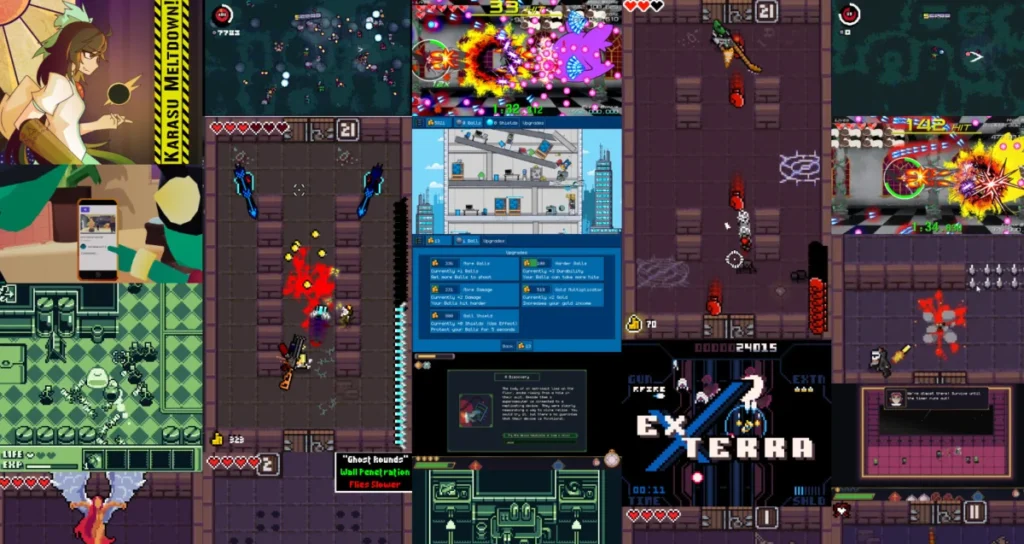
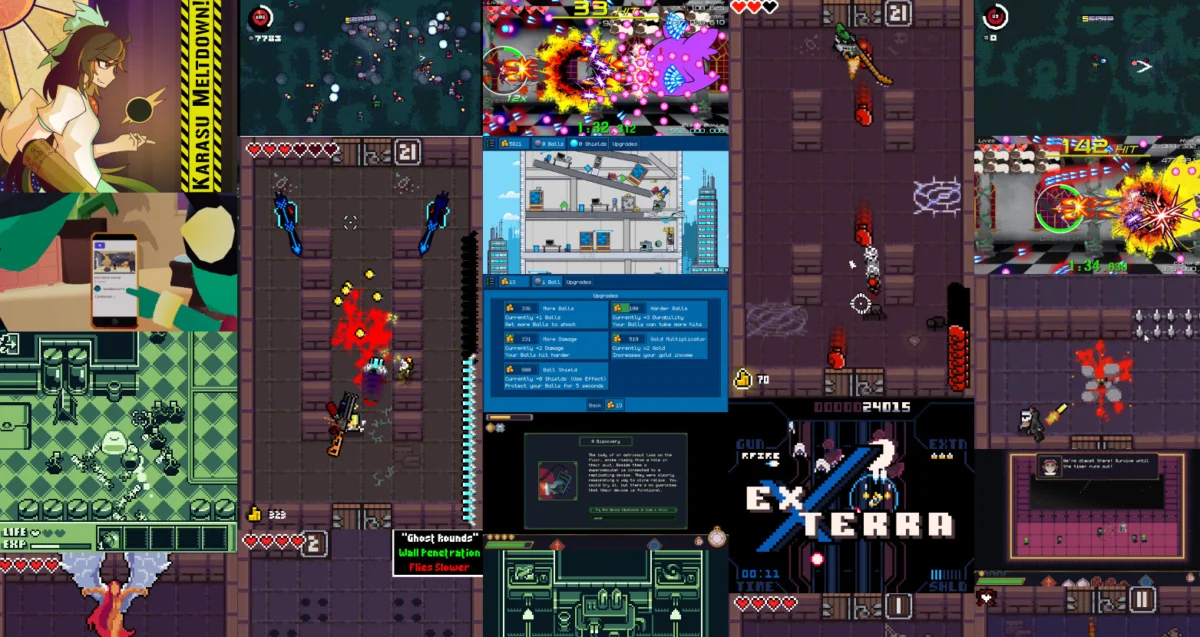
In an era defined by massive file sizes, perpetual updates, and the friction of digital store installations, a quiet revolution is taking place directly within our web browsers. The barrier to entry for high-quality gaming is lower than ever, thanks to the evolution of web technologies like WebGL, WebAssembly, and optimized game engines such as Godot and PICO-8. This week, we dive into the latest wave of browser-based action titles that prove you don’t need a high-end gaming rig or a massive download queue to experience deep, engaging, and polished gameplay.
The Evolution of the Browser Experience
For years, the "browser game" was synonymous with simple Flash titles or static, turn-based puzzles. Today, that perception is rapidly changing. Developers are increasingly utilizing the browser as a primary platform, recognizing that the "click-to-play" model significantly increases player retention.
By removing the necessity of navigating file systems, managing disk space, and bypassing OS-level security prompts, developers have created a frictionless environment that allows for immediate immersion. This shift has been particularly beneficial for indie developers on platforms like itch.io, where the ability to rapidly iterate and share projects has fostered a vibrant ecosystem of creative, experimental, and high-octane action games.
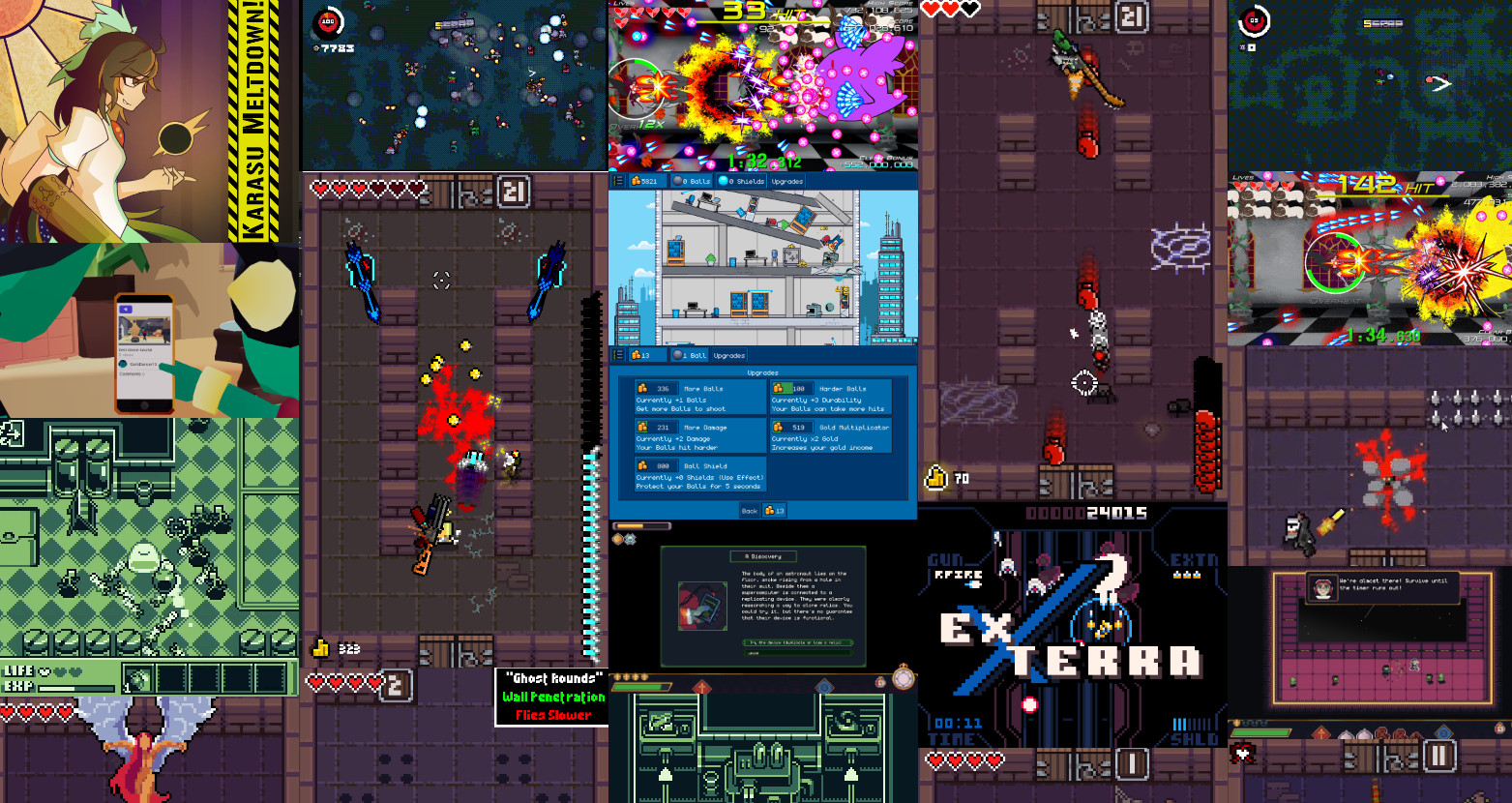
A Curated Selection of Modern Browser Action
The current landscape of browser gaming is dominated by a few key sub-genres: roguelites, bullet hell shooters, and physics-based arcade titles. Below, we examine several standout projects currently making waves in the community.
1. Gun Knight: The Mastery of Roguelite Customization
Gun Knight stands as a premier example of how depth can be achieved in a browser-based format. By blending traditional dungeon-crawling with a unique "GUN MAGIC" system, the developer has created a loop that feels both tactical and chaotic. Players aren’t just traversing rooms; they are constantly reconfiguring their loadout via scavenged weapon parts. This procedural approach to power-scaling ensures that no two runs feel identical, fitting perfectly into the "pick-up-and-play" ethos of browser gaming.
2. Portal to the Cosmobeat: Narrative-Driven Rhythm
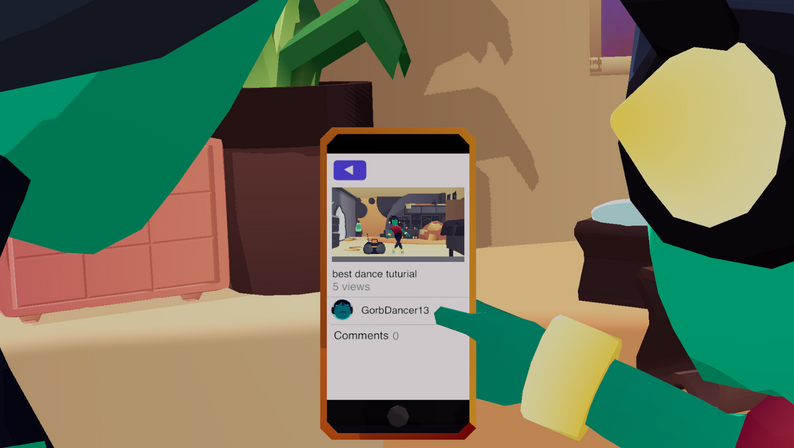
Not all action requires a weapon. Portal to the Cosmobeat shifts the focus toward rhythmic expression, tasking players with helping a character named Gorb ascend to the status of the galaxy’s greatest dancer. Utilizing 3D visuals that push the limits of what browser engines can render, this title provides a lighthearted, narrative-heavy break from the intense twitch-reflex requirements of other entries on this list.

3. Plummet Panic: Physics-Based Incremental Chaos
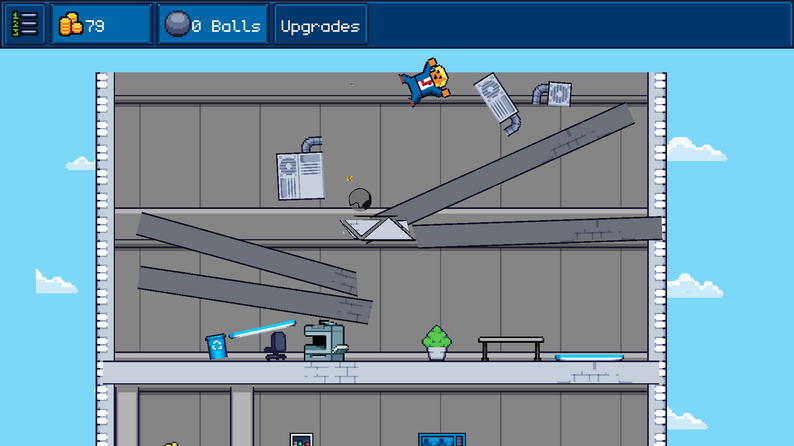
Born from the competitive pressure of the Godot Wild Jam #73, Plummet Panic is a testament to the power of the Godot engine. In just five days, the developer crafted a high-octane physics experience where the goal is simple: reach the bottom. By destroying floors and collecting currency, players engage in a satisfying incremental loop that rewards speed and precision. It is a masterclass in "game jam" design—focused, addictive, and instantly gratifying.
4. EX TERRA: The PICO-8 Shmup Revival
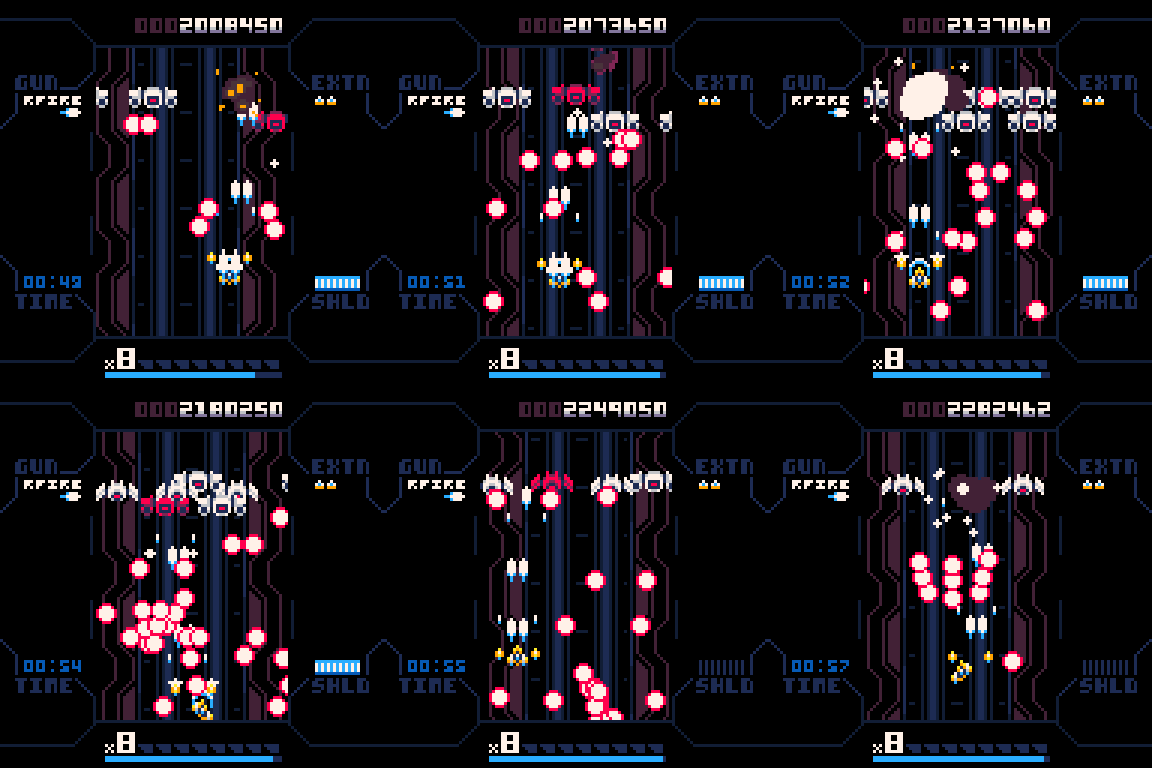
EX TERRA represents the resurgence of the PICO-8 fantasy console. This "caravan shmup" (shoot ’em up) demands absolute precision. With a sophisticated lock-on system and complex shielding mechanics, it challenges the notion that browser games lack technical depth. By emphasizing high-score chasing in a condensed, two-stage format, EX TERRA captures the essence of classic arcade gaming while utilizing modern design philosophies.
5. Groblin Survivors: The Tower Defense Hybrid
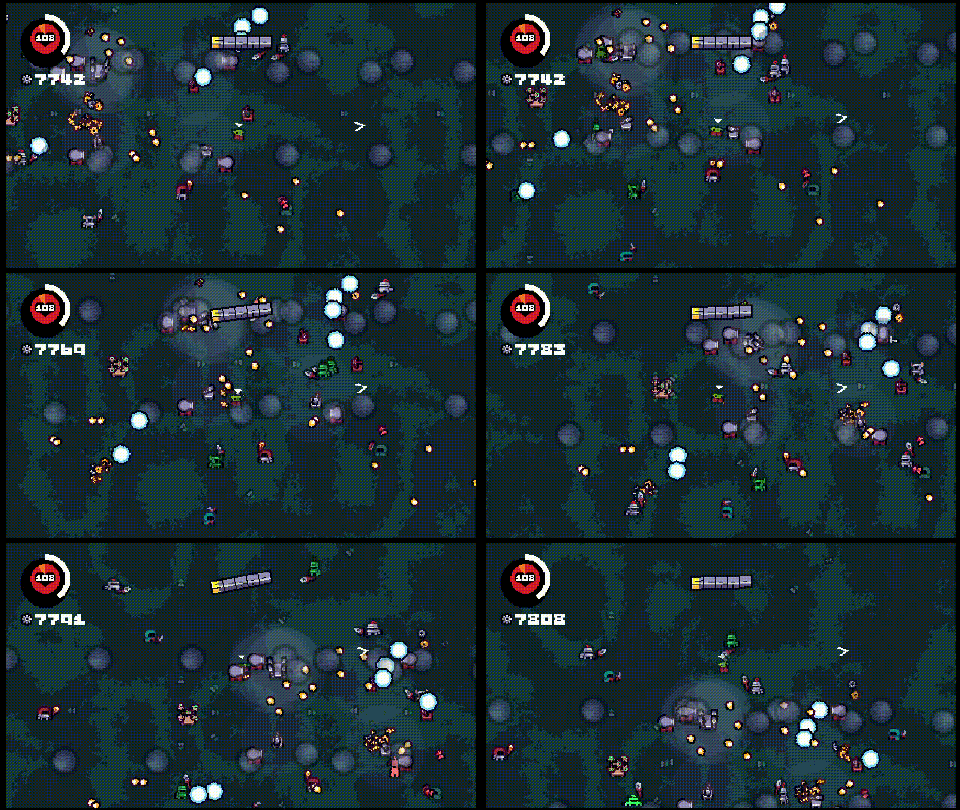
The "horde survival" genre, popularized by titles like Vampire Survivors, has found a fresh home in the browser. Groblin Survivors injects a layer of strategy by blending horde-clearing action with tower defense mechanics. Players are forced to balance the offensive necessity of slaying enemies with the defensive imperative of building structures, creating a layered tactical experience wrapped in "chunky" pixel art that thrives in a browser window.
6. Moon Watch: Time-Manipulation Strategy
Also emerging from the collaborative spirit of the Post Jam "Jam" #9, Moon Watch introduces a unique twist to the horde-survival genre: time manipulation. Players battle vampires on the moon using a deck-building system that allows for complex, pre-planned combos. The ability to pause time and curate one’s deck mid-battle adds a layer of intellectual strategy that elevates the game beyond simple reflexes.
7. KARASU MELTDOWN!: Bullet Hell Precision
For those who prefer a trial by fire, KARASU MELTDOWN! delivers a punishing bullet hell experience. Developed for the Gunner Parade ’22 Winter League, this game centers on a bomb mechanic that balances survival against the player’s desire to rack up massive scores. It is a high-stakes, high-reward experience that demonstrates how much intensity a browser can handle.
8. Slime 3k: Demake
Finally, Slime 3k: Demake offers a nostalgic trip back to the Game Boy era while maintaining the modern, high-speed roguelite gameplay players expect today. By stripping away graphical complexity in favor of a stylized, retro aesthetic, the game maintains a high frame rate and fluid combat, proving that artistic direction often outweighs raw graphical fidelity in the browser space.
Chronology of the Browser Gaming Renaissance
The shift toward browser-native high-fidelity gaming did not happen overnight. The following timeline highlights the critical junctures that led to the current state of the industry:
- 2014-2016: The decline of the Adobe Flash Player begins. The industry faces a crisis as thousands of games become inaccessible.
- 2017: HTML5 becomes the industry standard. Engines like Unity and Godot begin prioritizing HTML5/WebAssembly exports, allowing developers to port complex games to browsers with minimal loss in performance.
- 2019: itch.io begins aggressively promoting "browser-playable" as a key discovery filter, incentivizing developers to make their titles accessible without downloads.
- 2021-2023: The "Survivor-like" and "Roguelite" explosion on indie platforms aligns perfectly with the browser format, leading to a surge in high-quality, short-form gaming experiences.
Supporting Data: Why Browser Gaming Matters
According to recent analytics from indie gaming platforms, browser-playable games experience significantly higher "click-through-to-play" rates compared to downloadable counterparts. For a game that requires a download, the drop-off rate between the landing page and the actual game launch is often upwards of 80%. For browser-native games, that figure drops to roughly 20-30%.
Furthermore, the average session length for these titles is increasing. In 2018, the average browser game session lasted under five minutes. Today, driven by the depth found in titles like Gun Knight and Moon Watch, average session times for browser-based roguelites have climbed to over 15 minutes, indicating that players are now treating the browser as a legitimate platform for sustained play rather than just a place for "filler" games.
Official Responses and Developer Insights
Developers cite the "low-friction" aspect as the primary driver for their choice of platform. "When you remove the download, you remove the barrier of doubt," says one developer associated with a recent browser-based hit. "Players are willing to give a game a shot if they don’t have to commit to an installation process that might leave junk files on their PC. It changes the psychology of the player from ‘is this worth my hard drive space?’ to ‘is this worth ten minutes of my time?’"
Implications for the Future of Gaming
The success of these projects suggests that the future of the indie gaming industry may be increasingly "platform-agnostic." As web technologies continue to advance—with projects like WebGPU promising near-native performance for 3D graphics in the browser—the gap between a "browser game" and a "standalone PC game" will continue to narrow.
We are moving toward a future where the distinction between a website and a software application is entirely blurred. For the player, this means a world of infinite, accessible, and high-quality entertainment. For the developer, it means a more democratic marketplace where the quality of the game, rather than the marketing budget required to encourage downloads, is the primary driver of success.
As we look toward the next year, we expect to see even more ambitious titles move into the browser space. Whether it is through refined roguelite loops or innovative physics engines, the browser has proven itself as a formidable home for the next generation of action gaming. Have you explored any of these titles yet? The ease of access makes it impossible to say no—the only thing standing between you and the next great gaming experience is a single click.