Android Media Development Evolves: A Deep Dive into the Media3 1.11 Release
The Android ecosystem continues to solidify its position as the premier platform for high-fidelity multimedia consumption. With the official release of Media3 1.11, Google has delivered a significant update that addresses the evolving needs of developers building everything from short-form social video feeds to professional-grade streaming applications. This release is not merely a collection of bug fixes; it represents a strategic pivot toward a "Compose-first" architecture, enhanced hardware-level HDR integration, and a more robust, secure approach to media session management.
Main Facts: What’s New in Media3 1.11
Media3 1.11 introduces a sweeping array of features across three primary pillars: Jetpack Compose UI enrichment, modernized Cast integration, and core playback engine optimizations.
At its core, this release empowers developers to create more fluid user interfaces using the media3-ui-compose and media3-ui-compose-material3 modules. By introducing customizable player slots, developers can now inject bespoke layouts—such as top, center, and bottom controls—directly into their player instances without the friction of previous iterations. Furthermore, the introduction of the PlayerPool and rememberPooledPlayer utilities provides a sophisticated solution for short-form video developers, enabling seamless preloading and recycling of ExoPlayer instances—a critical requirement for maintaining performance in vertically scrolling feeds.

Beyond the UI, the library now supports Eclipsa Video (HAGC dynamic HDR metadata), allowing for consistent HDR rendering on devices running API 37 and higher. The addition of a Ktor HTTP client extension, new Ogg/Wav muxing utilities, and asynchronous MediaSession connections rounds out a release that prioritizes developer productivity, security, and hardware efficiency.
Chronology: The Path to 1.11
The journey to Media3 1.11 has been defined by a consistent, iterative roadmap aimed at unifying Android’s fragmented media libraries under a single, cohesive banner.
- Foundation Phase: The initial launch of Media3 sought to consolidate
ExoPlayer,MediaSession, and theMediaRoutercomponents into a single library, deprecating older, disparate APIs. - Compose Integration (v1.9–1.10): The previous two major releases focused heavily on laying the groundwork for
media3-ui-compose. Developers were introduced to basic player composables and progress sliders, setting the stage for more complex layout requirements. - Optimization and Advanced Features (v1.11): This current release marks a shift from "getting things working" to "optimizing for production scale." By introducing
PlayerPoolfor high-performance recycling and formalizing the integration with SystemUI’s Output Switcher, Google has clearly targeted the needs of Tier-1 media applications that require professional-grade stability and hardware-aware playback.
Supporting Data: Why These Changes Matter
The architectural shifts in Media3 1.11 are backed by clear technical necessities within the Android development landscape.

1. The Short-Form Video Challenge
In applications featuring "sliding-window" media feeds, managing memory and battery consumption is a constant battle. Each video player instance is heavy. The new PlayerPool utility is a direct response to this, providing a structured way to handle the lifecycle of players in a feed. Without such a utility, developers were forced to implement custom—and often buggy—recycling logic. By moving this into the common-ktx library, Google ensures that the vast majority of media apps can maintain 60fps scrolling while preloading upcoming assets.
2. Modernizing Cast
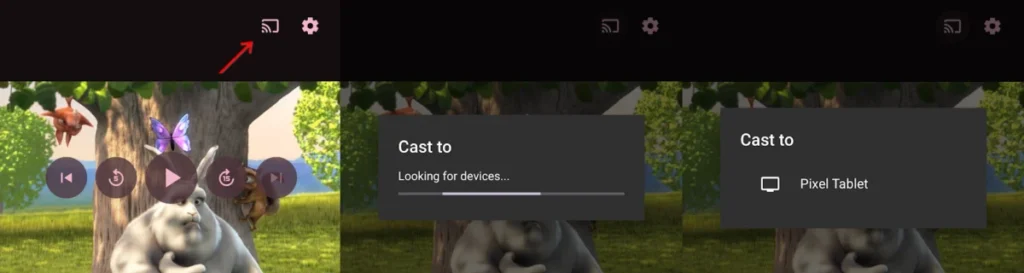
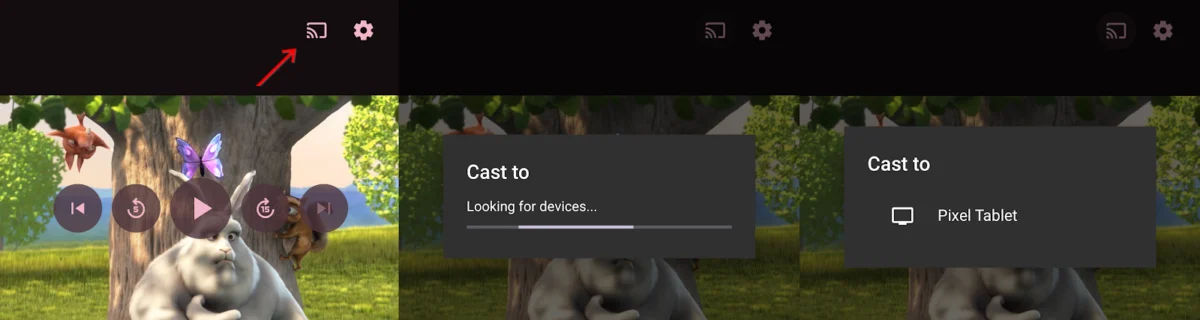
The integration of CastParams and the MediaRouteButton is a move toward a more "native" Android experience. By allowing developers to trigger the OS-level SystemUI Output Switcher, Media3 1.11 removes the "siloed" feeling of traditional Cast implementations. Users now enjoy a unified experience where switching from a phone speaker to a TV or Bluetooth headset happens through a consistent, system-managed interface.
3. Security and Asynchronicity
The transition of MediaSession.Callback to onConnectAsync() is a vital security upgrade. Previously, synchronous connection handling could lead to UI jank or, worse, race conditions in authorization. By allowing for asynchronous connection verification, developers can now perform complex auth checks (e.g., verifying user tokens) before the session is exposed to potentially untrusted controllers. The default restriction of session data to system apps further closes a significant security loophole that previously left data exposed to non-system, third-party apps.

Official Responses and Developer Impact
In the official release documentation, the Android Media team emphasized that this update is "Compose-first," signaling to the developer community that the days of relying solely on XML layouts for media controls are numbered.
Early feedback from the community on the official GitHub issue tracker has been largely positive regarding the PlayerPool and the new Material3 MiniController. Developers have noted that the ability to automatically adapt the MiniController to the user’s wallpaper theme (via Material3 Dynamic Color) significantly reduces the time required to polish UI components to match system-wide design language.
"The shift to reactive state holders in media3-ui-compose allows for much cleaner code," noted one lead developer on an open-source Android media project. "Previously, we had to manually synchronize our UI state with the player’s state. Now, the state observers handle that heavy lifting, making the codebase significantly more maintainable."

Implications: The Future of Android Media
The release of Media3 1.11 carries several profound implications for the future of mobile development:
A New Standard for Hardware Awareness
With the inclusion of HAGC dynamic HDR metadata support for API 37+, Google is signaling that Android is no longer just a platform that "plays video," but one that understands the nuances of display capabilities. Developers who leverage this metadata will see their content looking significantly better on high-end displays, reducing the "washed-out" or "over-saturated" issues that have historically plagued cross-device HDR playback.
The Ktor Ecosystem
The addition of the media3-datasource-ktor module is a major win for Kotlin-first developers. As the Android ecosystem continues to embrace Coroutines and Flow, the move away from the older Cronet/OkHttp-centric data sources toward a Ktor-native approach signifies that Google is listening to the community’s preference for idiomatic Kotlin.

Security-by-Default
By defaulting to more restrictive session data access, Google is effectively forcing the industry to adopt better security practices. Applications that were previously lax in their MediaSession implementations will now be prompted to explicitly define their connection logic, ensuring that sensitive media information is only accessible to authorized controllers.
Long-term Maintenance
Perhaps the most important implication of Media3 1.11 is the reduction of "boilerplate code." By providing PlayerDefaults and pre-built components like the MiniController, Google is standardizing how media apps look and feel on Android. This creates a more consistent user experience across the OS. Users benefit from predictable behavior when they see a "Cast" button or a "Media Controller" notification, as these will now operate on the same, battle-tested library logic regardless of which app they are using.
Conclusion
Media3 1.11 is a robust, mature update that bridges the gap between legacy media handling and the modern, declarative UI paradigm of Jetpack Compose. For developers, the message is clear: the tools for building high-performance, secure, and visually consistent media experiences are more powerful than ever. Whether you are building a simple music player or a complex, high-traffic video streaming platform, the improvements in this release—ranging from PlayerPool to the refined MediaSession security model—provide the necessary architecture to scale effectively in an increasingly competitive landscape. As the Android ecosystem moves forward, Media3 remains the essential engine driving the future of media on the world’s most popular mobile operating system.