Enhancing the Itch.io Experience: A Deep Dive into the Latest App Updates
The itch.io desktop application, a cornerstone for independent game developers and enthusiasts, has undergone a significant transformation this month. With the release of versions v26.15.0 and v26.17.0, the platform developers have addressed some of the most persistent requests from their community, effectively bridging the gap between the web experience and the desktop environment. These updates are not merely aesthetic; they represent a fundamental shift in how users organize, launch, and interact with their massive collections of independent software.
Main Facts: A New Era for Library Management
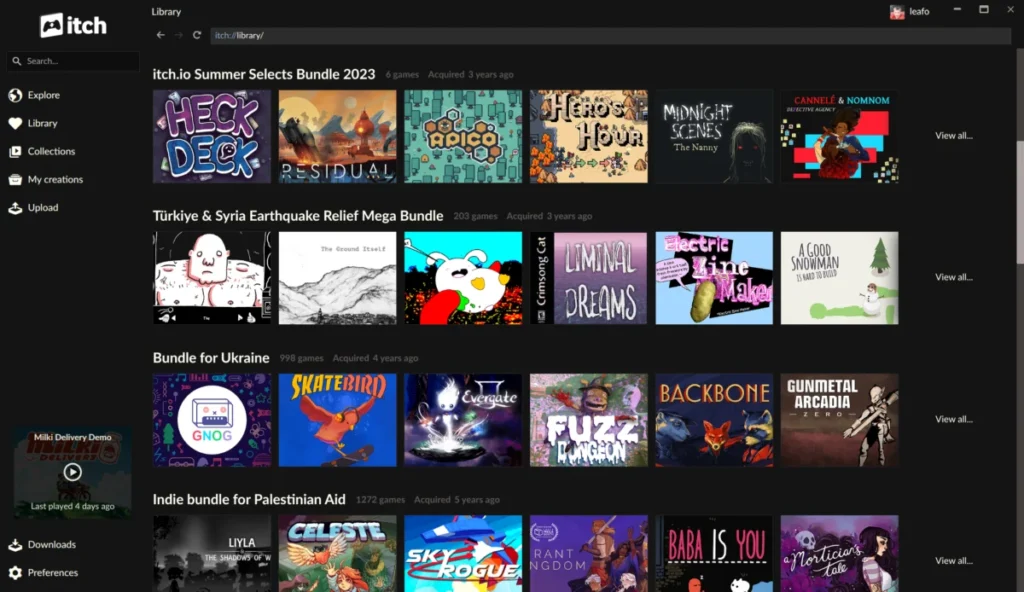
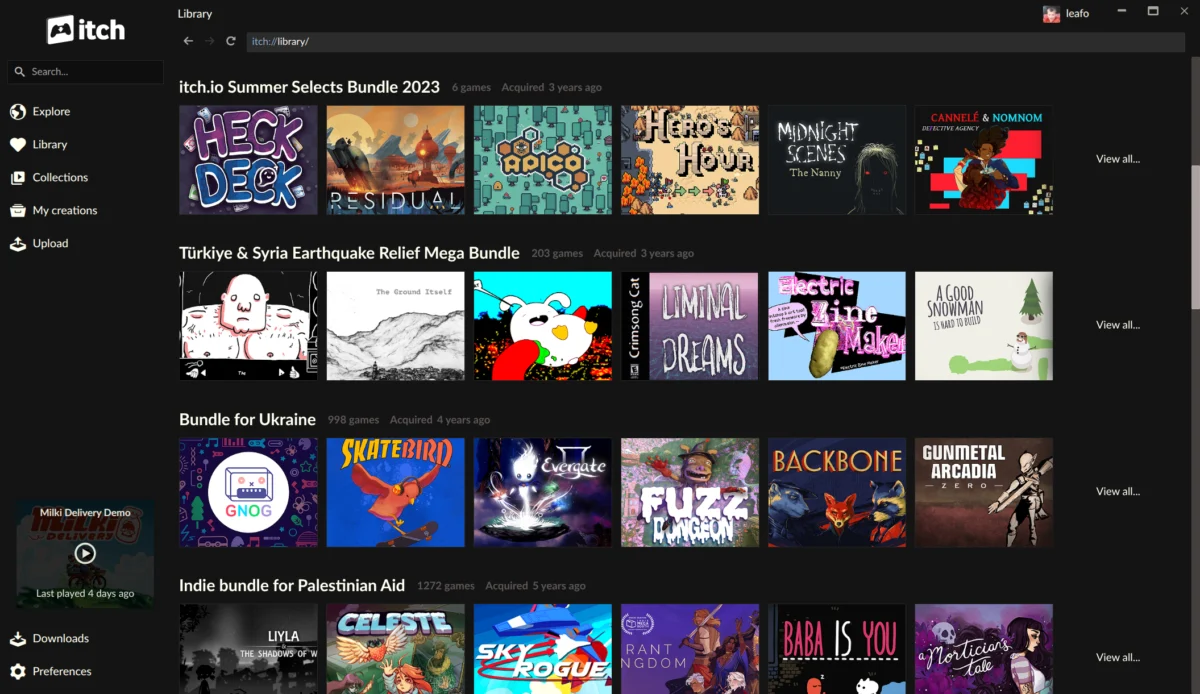
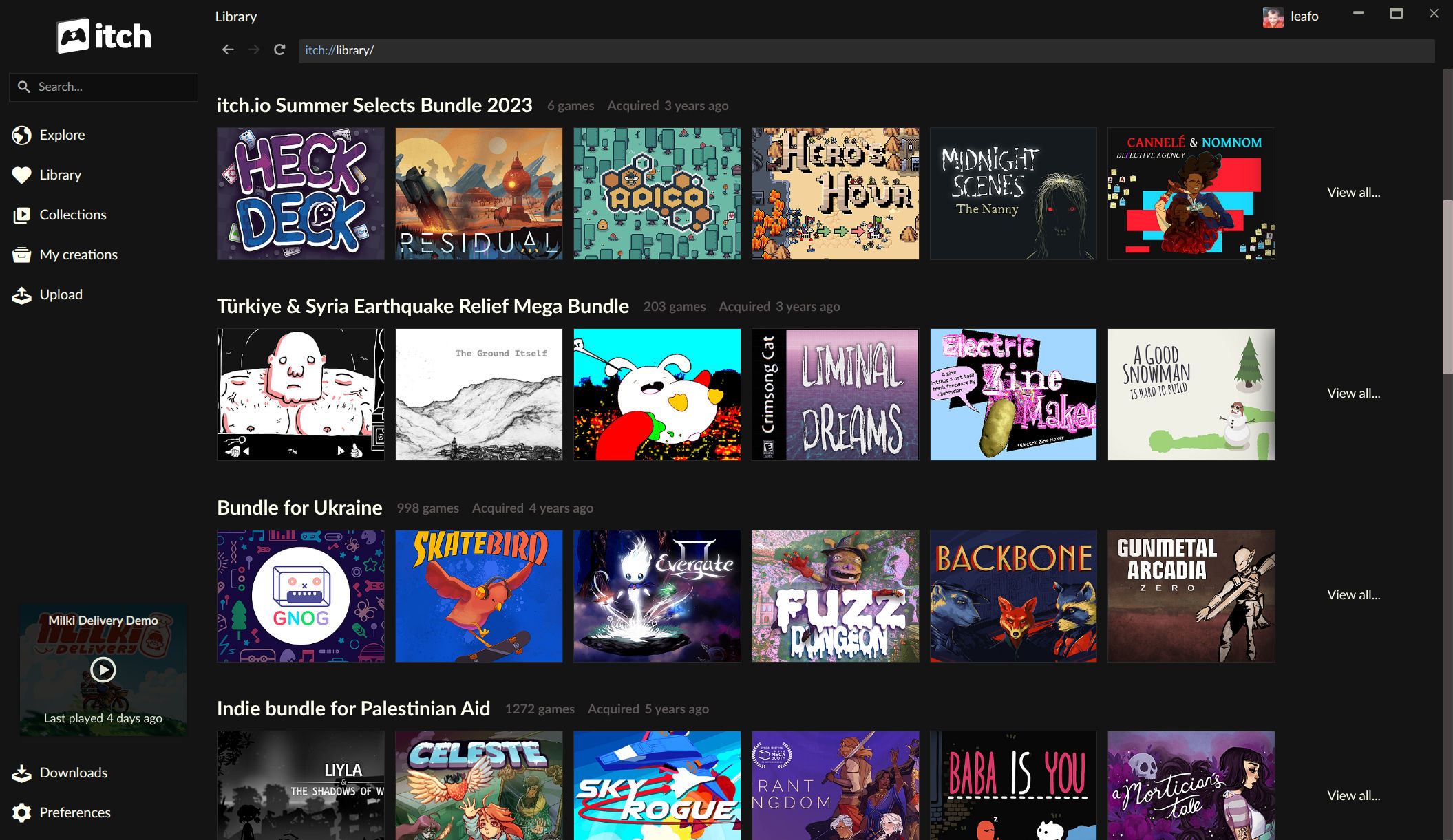
At the heart of the latest itch.io update is the comprehensive integration of "Bundles" into the app’s library architecture. Historically, itch.io has been the home of some of the most ambitious charitable and promotional bundles in the gaming industry, such as the Bundle for Racial Justice and Equality and the Bundle for Ukraine. These collections, often containing hundreds or even thousands of titles, previously suffered from a disjointed user experience in the desktop app. Users were often required to manually claim items via the website before they could be surfaced within the desktop client.
The new update changes this paradigm entirely. Bundles are now recognized as "first-class citizens" within the library. Each bundle is granted its own dedicated page, allowing users to browse, search, and filter contents by platform, classification, or installation status. By shifting the ownership logic to recognize the bundle as a singular entity—rather than forcing the system to generate individual download keys for every constituent item—the app is now able to handle massive archives with unprecedented efficiency.
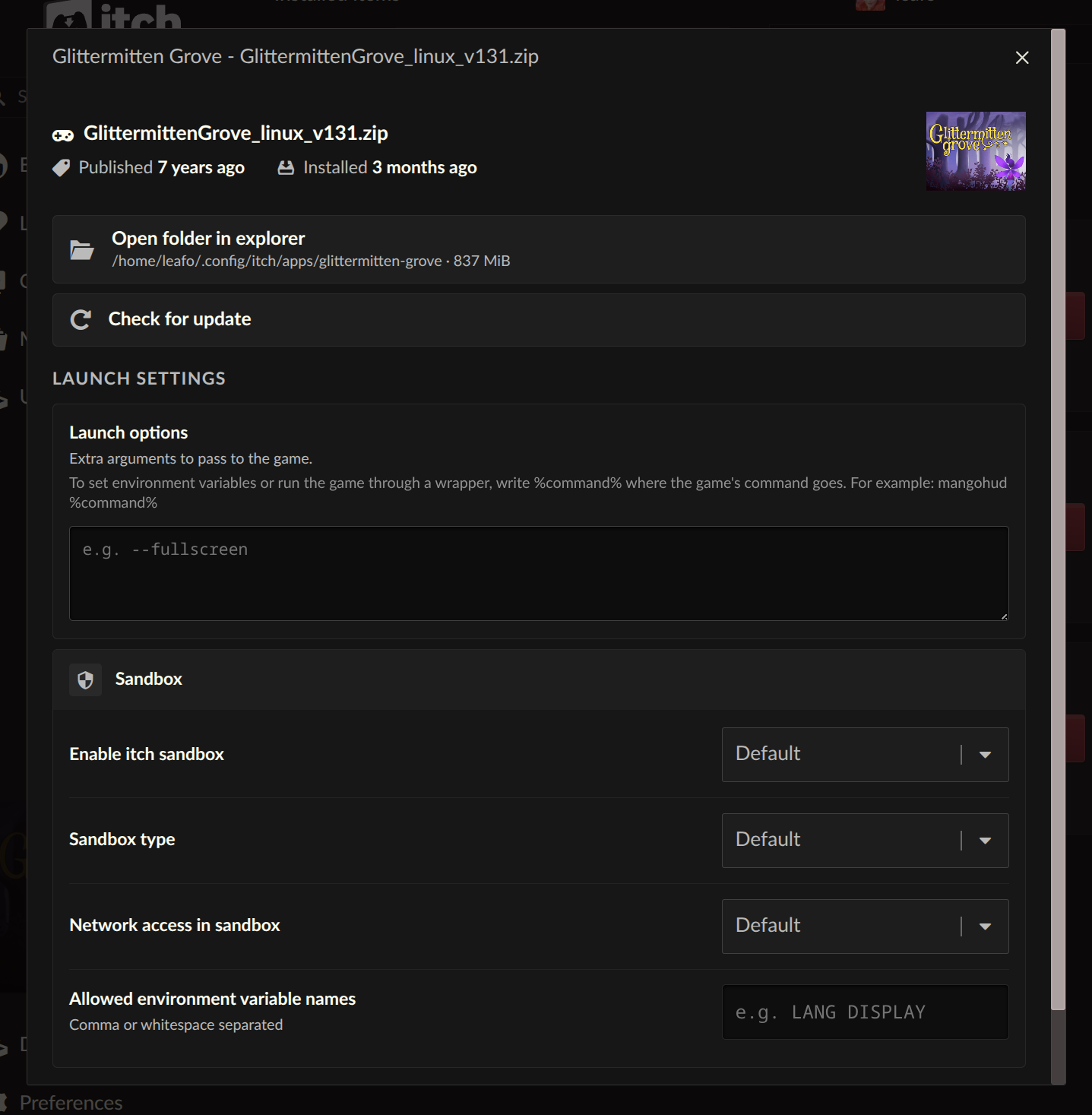
Beyond library organization, the update introduces granular control over game execution. Users can now access "Launch settings" for individual titles, providing the ability to configure sandbox restrictions, network access, and environment variables. Perhaps most notably for power users, the inclusion of a "Command pattern" for launch arguments allows for the seamless integration of compatibility layers, debugging tools, and custom execution strings.
Chronology: A Rapid Deployment and Hotfix Cycle
The journey to these improvements began with the release of v26.15.0, which laid the foundation for the new bundle-handling logic. Shortly thereafter, v26.17.0 was deployed to refine the interface and introduce the long-awaited launch argument configurations.
However, the rollout was not without its hurdles. Shortly after the initial deployment, a segment of the user base on macOS reported consistent application crashes, rendering the app unusable. In a display of responsive development, the team at itch.io acted swiftly. Within a short window, they pushed out a hotfix, version v26.18.0.
For users caught in the dreaded "crash loop," the team provided clear instructions: a manual reinstallation via the official setup program at the itch.io website was required to overwrite the corrupted binaries. This rapid response cycle highlights the challenges of maintaining a cross-platform desktop application that must interface with a vast array of system configurations, particularly on macOS where security protocols and system updates can often interfere with background processes.
Supporting Data: Scaling for Millions
To understand the complexity of this update, one must look at the scale of the data being handled. The Bundle for Racial Justice and Equality, for instance, featured 1,741 distinct items and saw over 800,000 purchases. Similarly, the Bundle for Ukraine reached nearly 1,000 items with 400,000 buyers.
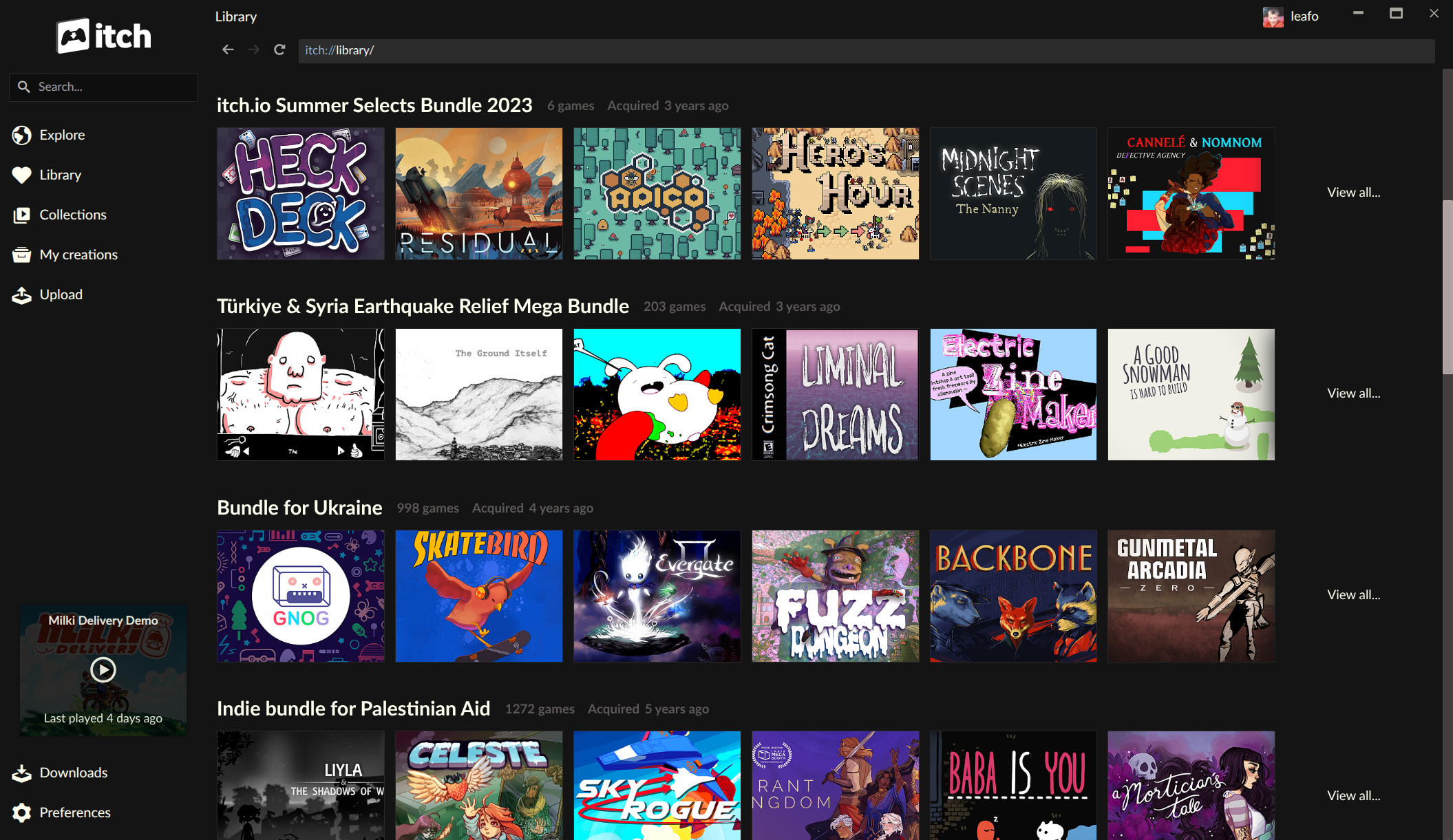
From a database engineering perspective, the previous method of tracking—where every game within a bundle was treated as an individual entry—would have necessitated over a billion rows of data. By moving to a model where a single record represents the bundle ownership and individual keys are generated only upon the user’s request to "claim," itch.io has optimized its backend significantly. This allows the app to perform quick, local searches across thousands of titles without straining the API or the user’s local machine.
Furthermore, the new sidebar search has been completely overhauled. The previous iteration relied heavily on the site’s API-driven autocomplete, which often returned results in a confusing, non-intuitive order. By moving toward a model that distinguishes between "owned/installed" content and "global store" search, the navigation experience has been markedly improved. The developers concluded that autocomplete is best reserved for what the user already possesses, while broader discovery should be handled by the full search experience available on the web portal.
Official Responses and Community Engagement
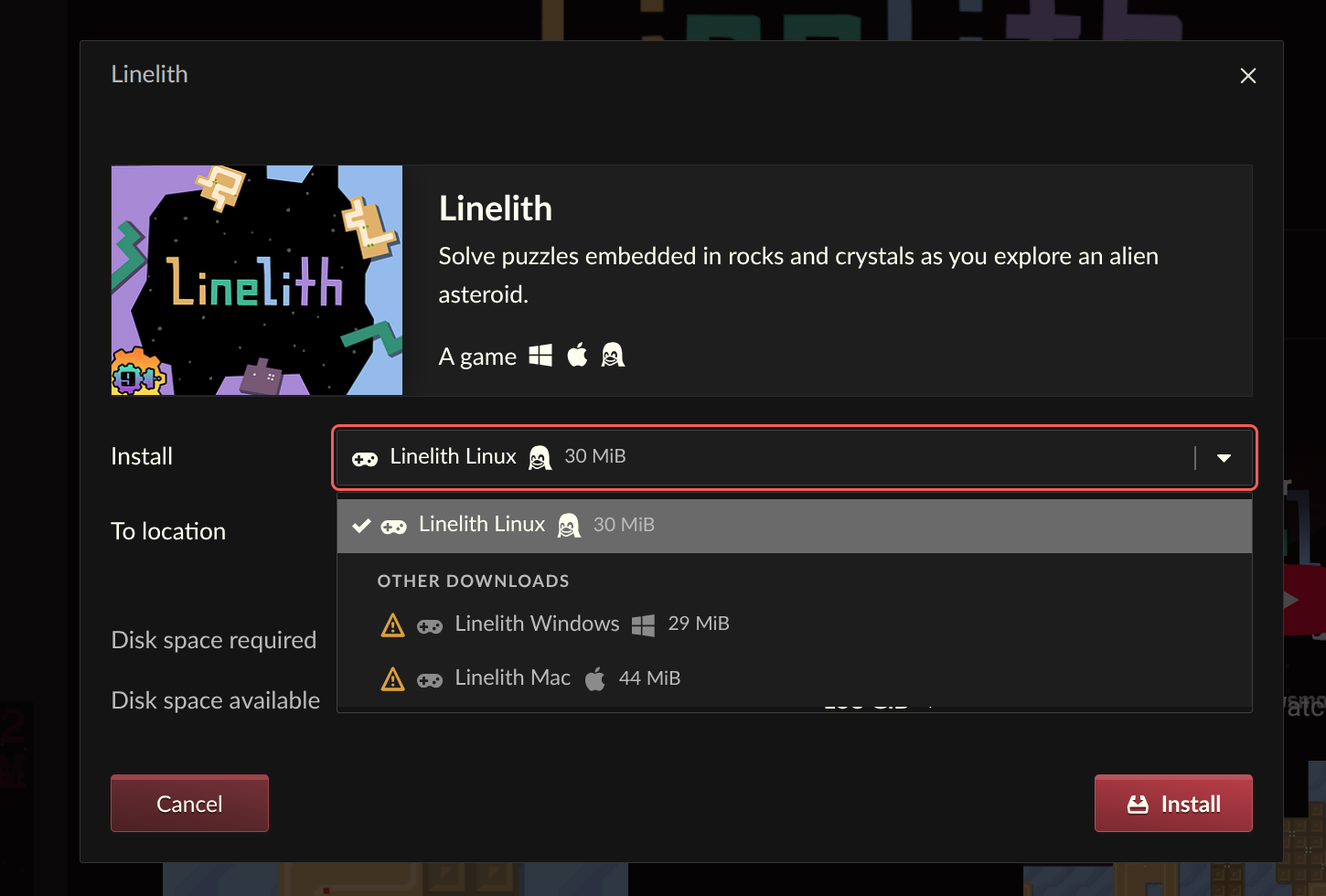
The feedback from the community has been largely positive, though it has served as a barometer for further potential improvements. On the official itch.io forums, users have lauded the ability to install "platform-untagged" games. Previously, if a developer failed to tag an upload for a specific OS—or if a user wanted to run a Windows executable on Linux via a layer like Wine or Proton—the app would hide the download option. Now, the app permits access to all available downloads, effectively putting the power of choice back into the hands of the end-user.
However, the transition has not been perfect for everyone. Some users reported that not all of their historically purchased bundles were appearing in the new interface. In instances where a user owned eight bundles but saw only four in the app, it became clear that there are still edge cases in how historical data is being migrated.
When asked about the potential for further customization, such as using custom command arguments to force games to open in external browsers rather than the app’s internal viewer, the itch.io team has shown a willingness to listen. The community’s desire for features like time tracking while using external tools suggests that the app’s ecosystem is maturing from a simple launcher into a comprehensive suite of management tools.
Implications: The Future of Independent Distribution
The implications of these updates are far-reaching. By making bundles easier to manage, itch.io is effectively increasing the "discoverability" of the games within those bundles. When a user can easily search, sort, and install games from a collection they purchased years ago, they are significantly more likely to actually play those games. This creates a positive feedback loop for independent developers who, despite being part of massive charitable events, often see their games languish in the "unplayed" depths of user libraries.
The move toward granular launch settings also signals a shift in the platform’s philosophy. By providing tools for sandbox restrictions and network access, itch.io is acknowledging that its user base is becoming more technically sophisticated. The platform is no longer just a storefront; it is a repository for an immense, diverse, and often experimental library of software that requires more than a simple "click to play" functionality.
As the app continues to evolve, the focus on technical stability—evidenced by the swift handling of the macOS crash—will be paramount. The goal is clearly to create an environment where the management of thousands of games feels as lightweight and responsive as managing a few dozen.
In conclusion, the latest updates to the itch.io app represent a significant milestone. They have successfully solved the "bundle bloat" problem, provided power users with the configuration tools they demand, and refined the search experience to make the platform more usable than ever. While minor migration bugs remain for some users, the overall trajectory of the itch.io desktop client is one of increased utility and user-centric design. As the platform continues to grow, it is likely that these "quality of life" improvements will remain the most critical factor in ensuring that independent games find their way from the store page to the player’s screen.