Unlocking Performance: How Tinder Revolutionized Its Android App with the R8 Configuration Analyzer
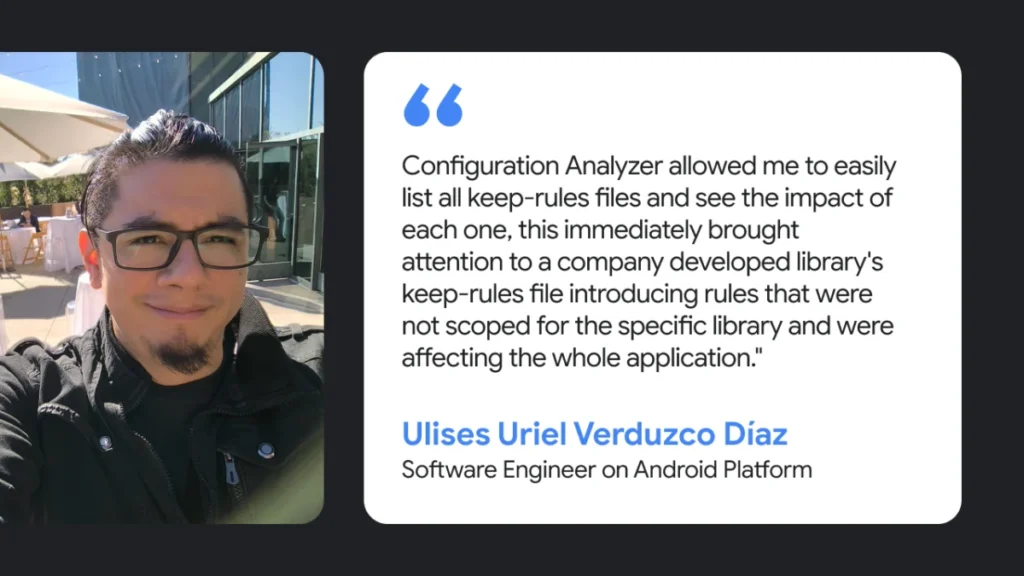
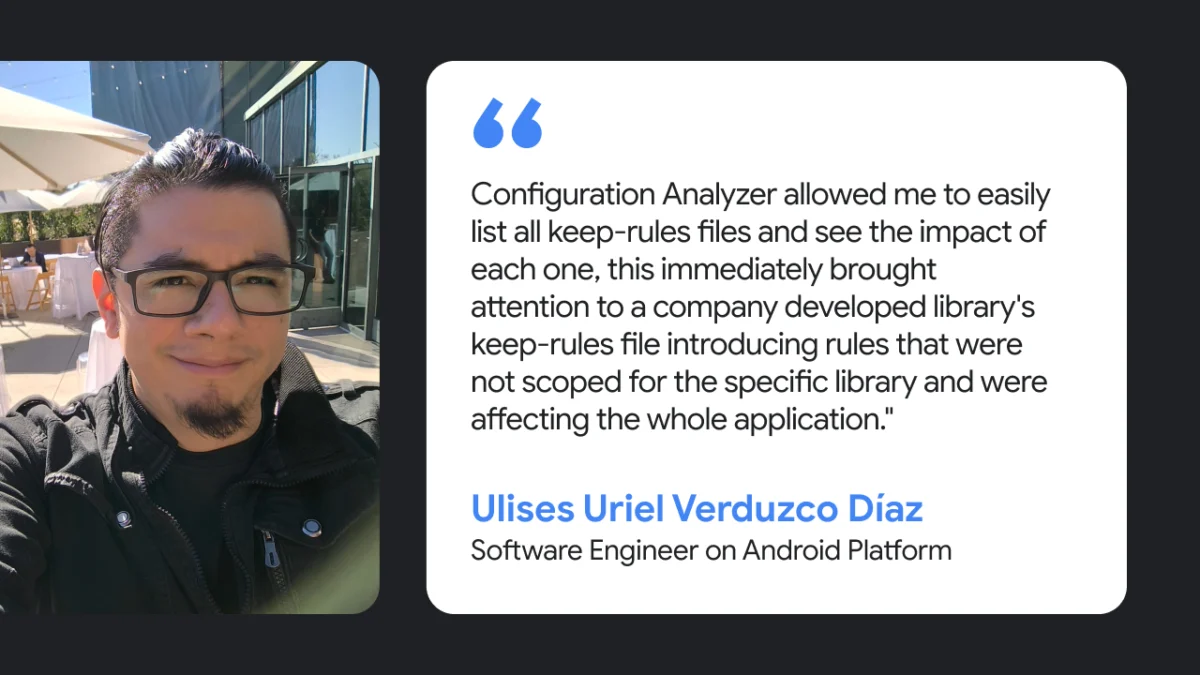
For the millions of singles seeking meaningful connections across the globe, Tinder is more than just an application—it is a digital bridge. However, beneath the intuitive swiping interface lies a complex, sprawling codebase. As Tinder’s Android application grew in feature set and technical sophistication, it inevitably encountered the "bloat" that haunts mature mobile applications. Faced with increasing cold-start times and a rising frequency of Application Not Responding (ANR) errors, the team at Tinder turned to Google’s latest diagnostic powerhouse: the R8 Configuration Analyzer.
What followed was not just a minor refactoring project, but a fundamental shift in how the company manages code optimization, resulting in a 47% reduction in cold starts and a nearly 30% reduction in app size.
The Weight of Growth: The Challenge of Technical Debt
In the software development lifecycle, complexity is the tax paid for innovation. As Tinder expanded its feature suite, its Android codebase ballooned, eventually reaching a point where approximately 70% of the application remained unoptimized. This inefficiency manifested in 17 distinct dex files—the containers for compiled Java and Kotlin code—with three of those files dedicated solely to the application’s startup sequence.
While Tinder had already enabled R8, the industry-standard compiler for Android that handles code shrinking, obfuscation, and optimization, the team hit a performance ceiling. Despite the use of "full mode," the potential for optimization was being throttled by legacy "keep rules." These rules, which explicitly tell the compiler to leave certain pieces of code untouched to prevent runtime errors, had become a black box. The engineering team lacked the visibility to determine which rules were necessary safeguards and which were merely legacy artifacts preventing the compiler from doing its job.
Chronology of a Performance Overhaul
The path to optimization was characterized by a systematic, data-driven approach to untangling years of configuration.

Phase 1: Identifying the Bottleneck
The turning point arrived when the team began utilizing the R8 Configuration Analyzer. By tracking shrinking, optimization, and obfuscation scores, the tool acted as a diagnostic X-ray for the codebase. It allowed engineers to peer through the layers of "keep" declarations and identify where the R8 engine was being forced to abandon its work.
Phase 2: Unmasking the Culprit
The analyzer revealed a startling metric: despite having R8 full mode active, the actual optimization score of the application hovered at a meager 28%. A deep dive into the reports pointed toward an internal library that had been carrying a broad, unscoped keep rule. The rule read:
-keep public class * public protected *;
This rule essentially blanketed the app’s internal architecture, preventing R8 from stripping away unused methods or optimizing public classes. It was a classic case of "defensive coding" gone wrong; the rule had been implemented to prevent crashes related to reflection, but in doing so, it had created a massive blind spot that prevented the compiler from pruning redundant code.
Phase 3: Surgical Refinement
With the visibility provided by the analyzer, the team moved from broad, indiscriminate rules to granular, targeted configurations. By tracing the specific classes affected by the wide rule, they were able to replace it with precise definitions that only protected code genuinely invoked by reflection. This shift allowed the R8 engine to re-engage, immediately pushing the optimization score from 28% to 50% and beyond.
Supporting Data: By the Numbers
The impact of these changes was both immediate and profound. By removing the optimization blockers, Tinder achieved metrics that directly correlated with user retention and engagement:

- Cold Start Reduction: A massive 47% improvement in how quickly the app launches from a complete stop.
- Application Size Reduction: A 28.98% decrease in total download size, bringing the final footprint down to 61.5 MB. This is particularly vital for growth in emerging markets where data costs are high and storage capacity is often limited.
- ANR Mitigation: A 28% reduction in user-perceived Application Not Responding (ANR) errors, leading to a smoother, more reliable user experience.
These figures illustrate that optimization is not merely a technical vanity metric; it is a direct contributor to the health of the business.
Official Perspectives and Strategic Tooling
The collaboration between Tinder and the Android Developer Relations team highlights a shift toward "agentic" development workflows. To ensure that these performance gains are not lost to future code commits, the Android team has released an R8 Analyzer skill.
The Role of Automation
The R8 Analyzer skill is designed to integrate into automated development workflows. It parses the R8 Configuration Analyzer reports and highlights the five most impactful keep rules, providing developers with a clear roadmap of what is currently impeding optimization. This turns a complex, multi-hour auditing task into an automated, high-level summary that can be reviewed during a standard pull request.
A Culture of Vigilance
"Addressing code minification isn’t just a one-time fix; it requires continuous vigilance," notes the engineering team at Tinder. Consequently, the team has integrated a new job into their CI/CD pipeline. This job reports real-time optimization statistics for every contribution. If a developer introduces a new, overly broad keep rule, the system flags it before it ever reaches production.
This approach serves as a crucial lesson for other teams: internal dependencies are often the biggest sources of hidden bloat. While third-party libraries are often well-documented, internal "stable" projects are frequently overlooked, leading to the accumulation of technical debt that compounds over time.

Implications: The Future of Android Performance
The success story of Tinder’s optimization effort offers several key implications for the broader Android development community:
1. Performance as a Product Feature
Tinder’s decision to prioritize optimization demonstrates that technical performance is a pillar of user experience. In a competitive app market, a faster, lighter application is a significant competitive advantage, especially in resource-constrained regions.
2. The Shift Toward Observability
The era of "set it and forget it" ProGuard/R8 configurations is over. Modern mobile applications are too complex to rely on static, historical rules. The R8 Configuration Analyzer provides the necessary observability to ensure that the build pipeline is as efficient as the code itself.
3. Empowerment Through Tooling
By making the R8 Configuration Analyzer available to the public, Google is democratizing high-level performance engineering. Any developer—from a solo indie creator to a large-scale enterprise team—now has access to the same diagnostic capabilities that helped Tinder solve its most pressing scaling issues.
4. Continuous Integration is Non-Negotiable
The most significant takeaway is that performance is not a static state, but a dynamic, ongoing process. Tinder’s inclusion of optimization metrics in their CI/CD pipeline establishes a "performance-first" culture. By ensuring that every developer can see the impact of their code on the final build size and startup time, the team has turned performance into a shared responsibility rather than an afterthought relegated to a "performance team."

Conclusion: A Healthier Foundation
Tinder’s journey serves as a blueprint for any organization struggling with the consequences of rapid scaling. By identifying the root cause of their bloat—overly broad keep rules—and leveraging the diagnostic power of the R8 Configuration Analyzer, they transformed their application from a heavy, stuttering experience into a streamlined, high-performance platform.
The results speak for themselves: faster starts, smaller downloads, and fewer crashes. But perhaps more importantly, Tinder has built a framework for the future. By codifying their optimization monitoring, they have ensured that their mission to connect the world’s singles will not be hindered by the weight of their own code. As the team continues to refine their numbers, they stand as a testament to the fact that when it comes to Android development, the devil—and the performance—is truly in the details of the configuration.
For developers looking to replicate this success, the path is clear: Audit your keep rules, empower your CI/CD pipeline with analytical tools, and treat every line of configuration with the same rigor as you would your primary business logic. The result will be a more resilient, more efficient, and ultimately more successful application.