Maker Faire Rome 2024: The "Elettronici Entusiasti" and the Renaissance of DIY Innovation

Main Facts: The Intersection of Passion and Technology
Maker Faire Rome 2024, the premier European event for innovation, is set to host a unique congregation of technical visionaries known as the Elettronici Entusiasti. This collective, composed of prominent Italian YouTube creators, engineers, and DIY experts, has successfully bridged the gap between academic-level technical expertise and the accessible, community-driven "maker" culture.
With a combined reach spanning hundreds of thousands of followers, the group is unified by a singular mission: to democratize electronics, promote digital fabrication, and rekindle a passion for hands-on engineering across Italy and beyond. As the 12th annual edition of Maker Faire Rome approaches—scheduled for October 25–27—the participation of this group signals a shift toward more community-centric, collaborative technological development. Their presence at the fair is not merely for display; it is a live-action workshop designed to inspire the next generation of inventors, repair experts, and creative engineers.
A Chronology of the Maker Movement in Italy
The rise of the "Elettronici Entusiasti" is not an overnight phenomenon; it is the culmination of over a decade of grassroots digital transformation.

- The Early 2010s: The advent of affordable microcontrollers like Arduino and the rise of 3D printing began to decentralize manufacturing. Early adopters—some of whom are founding members of this collective—began documenting their failures and successes on nascent video platforms.
- The Mid-2010s: Digital literacy movements began to take hold. Figures like Paolo Aliverti helped establish the FabLab culture in Italy, creating physical hubs where theoretical knowledge met physical application.
- The Pandemic Shift: The COVID-19 pandemic acted as a massive catalyst. With global supply chains stuttering, the value of "repair culture" and local fabrication skyrocketed. Channels within the collective saw massive growth as they provided tutorials on everything from medical equipment repairs to home-automation basics.
- 2024 – Present: The collective has formalized its identity, moving from individual content creators to a cohesive, cross-pollinating movement that treats electronics as a "universal language" capable of solving modern challenges, from environmental sustainability via recycling to complex robotics.
Supporting Data: The Impact of Digital Maker Culture
The influence of the Elettronici Entusiasti is measurable not just in YouTube subscribers, but in the ripple effect they have created within the educational and hobbyist ecosystems. Their digital footprints—ranging from high-traffic GitHub repositories to specialized technical podcasts—have transformed how technical knowledge is disseminated.
The group represents a demographic of "expert communicators." Statistics from their collective outreach suggest that their content caters to a diverse spectrum:
- Youth Outreach: Through initiatives like Greta Galli’s robotics workshops, they are lowering the barrier to entry for STEM subjects for students as young as 15.
- Economic Impact: By promoting "survival hacking" and the repair of legacy hardware, they contribute to the circular economy, reducing electronic waste by teaching thousands how to diagnose and fix equipment that would otherwise end up in landfills.
- Educational Depth: Members such as Emanuele Frisoni have developed structured, hours-long curriculum modules that serve as informal, high-quality alternatives to traditional vocational training.
The Collective: A Deep Dive into the Visionaries
The strength of the Elettronici Entusiasti lies in the heterogeneity of its members. Each brings a distinct philosophy to the workbench:

Pier Aisa: The Pioneer of Dissemination
A seasoned electronic engineer, Pier Aisa represents the bridge between the analog heritage of legendary technical magazines like Nuova Elettronica and the modern digital landscape. His focus is on fundamental pedagogy, ensuring that the "pioneering spirit" of the past is preserved through accessible electronic kits and clear problem-solving frameworks.
Paolo Aliverti: The Evangelist of Digital Fabrication
As a co-founder of FabLab Milano, Aliverti is instrumental in the 3D printing and open-source hardware movement. His work emphasizes that hardware is only half the battle; the other half is the democratization of design software and the cultural shift toward open-source sharing.
Massimiliano Ferrari: Cinema and Engineering
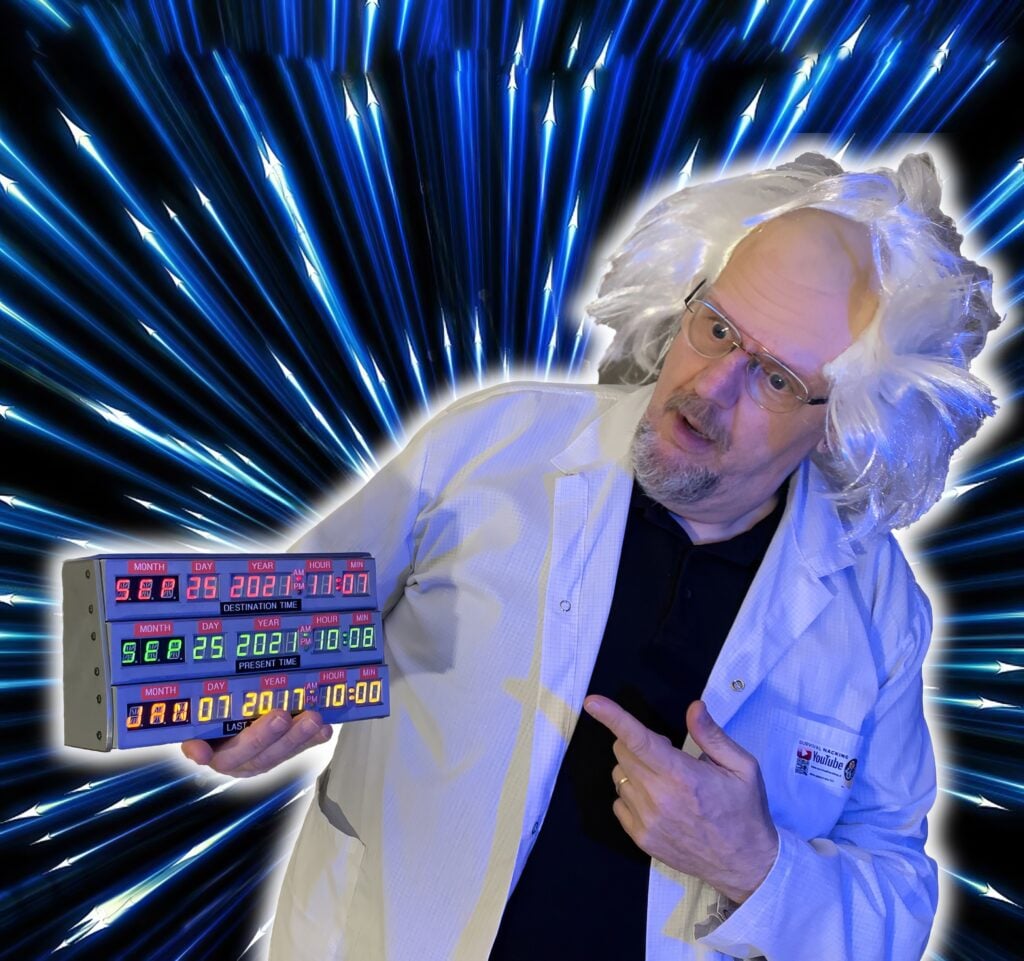
Ferrari highlights the "creative" side of the maker movement. By building complex devices like his Back to the Future-inspired Flux Capacitor, he proves that technology is a canvas for artistic expression. His "survival hacking" projects demonstrate that one does not need a high-tech lab to innovate; one only needs ingenuity.
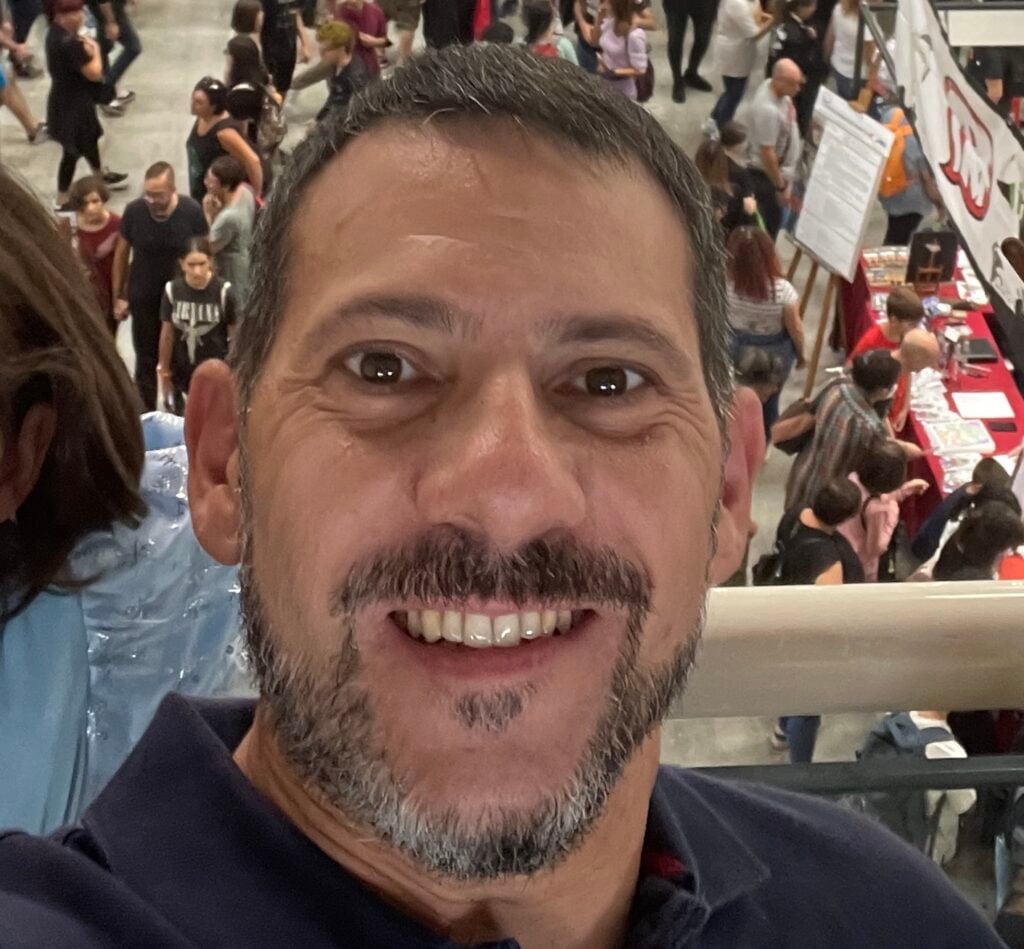
Emanuele Frisoni: The Architect of Robotics
Frisoni’s contribution centers on the marriage of software and physical movement. His commitment to interactive labs and robotics education creates a pipeline for young engineers, providing them with the tools to build their own automated systems from the ground up.
Greta Galli: The Voice of the New Generation
Representing the future of the field, Galli’s impact extends beyond the screen into humanitarian efforts. Her ability to utilize 3D printing to aid medical efforts in conflict zones showcases the true potential of the maker movement: technology as a force for good.
Davide Gatti: The Champion of Accessibility
Gatti’s "Survival Hacking" philosophy is essential for the democratization of electronics. By focusing on recovered components and low-cost solutions, he eliminates the financial barrier to entry, proving that the maker movement is a meritocracy of effort, not wealth.
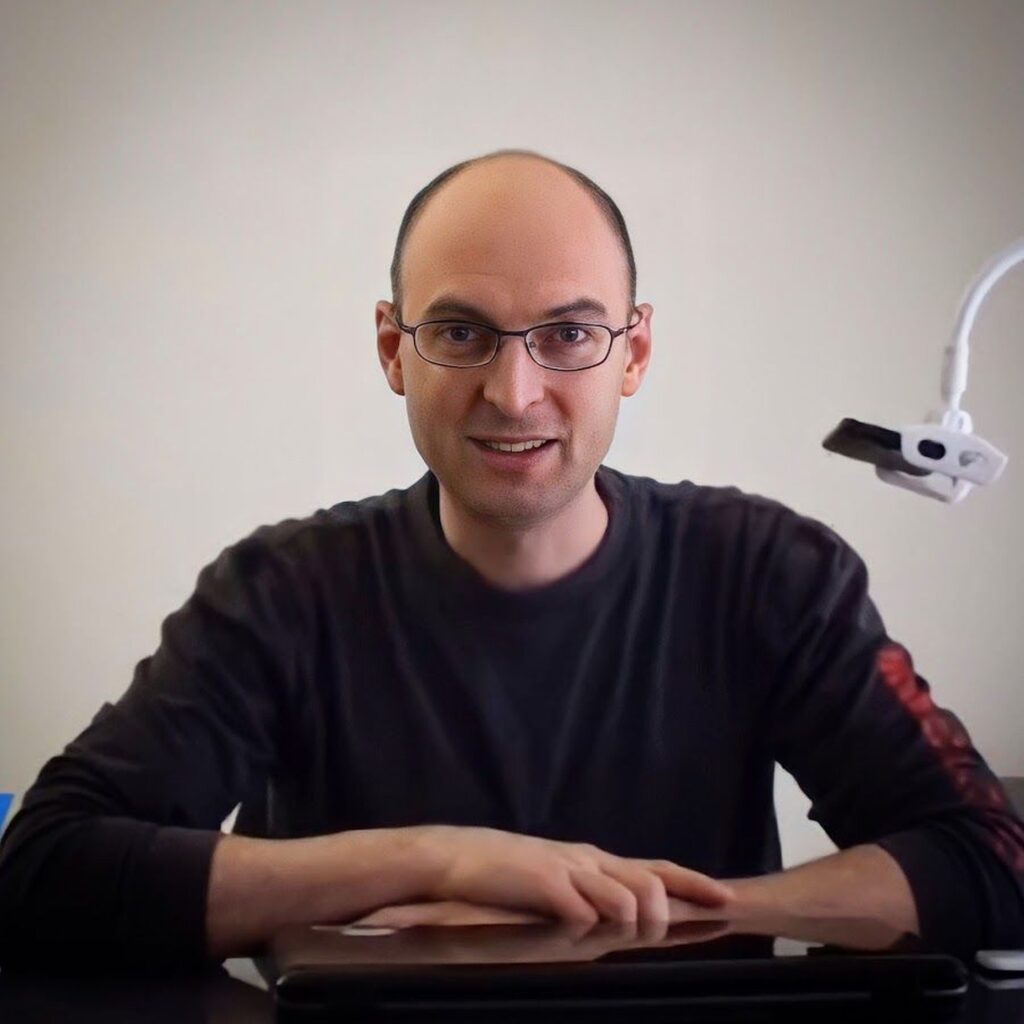
Niki Luciano: The Resilience of Craft
Luciano’s background in high-end audio equipment manufacturing, followed by his transition to DIY repair, offers a poignant lesson in resilience. His "clean room" experiments demonstrate that high-level technical work is possible through dedication, even outside of corporate environments.
Alessandro Torrisi: The Professor of Creative Recycling
Through his AT Lab, Torrisi teaches that sustainability is a core tenet of modern engineering. By advocating for creative recycling, he provides a blueprint for how electronics can be both fun and environmentally responsible.
Official Responses and Strategic Implications
The organizers of Maker Faire Rome have identified the Elettronici Entusiasti as a critical component of the 2024 edition. In official statements, the Chamber of Commerce of Rome has emphasized that the 12th edition of the fair is not just a showcase of products, but a "debate on DIY innovation."
The implications are clear: the future of industrial and domestic innovation is moving toward decentralization. The Elettronici Entusiasti are the vanguard of this shift. By fostering a community where mistakes are seen as learning opportunities and where knowledge is shared rather than siloed, they are building a resilient ecosystem.
For the attendees of Maker Faire Rome 2024, the presence of this collective serves as an invitation. It suggests that the role of the consumer is fading, replaced by the role of the creator. Whether through IoT, robotics, or the simple act of repairing a household appliance, the Elettronici Entusiasti provide the roadmap for a society that is once again comfortable with taking technology apart to understand how it works.
Conclusion: The Path Forward
As we look toward the event in late October, the Elettronici Entusiasti stand as a testament to the power of the internet as a tool for intellectual empowerment. Their collaborative spirit, combined with the rigorous technical standards of the Maker Faire, promises to make the 2024 edition a landmark moment for the European DIY community.
For those attending, the lesson is simple: the barrier between "idea" and "prototype" is thinner than it has ever been. With the right tools, a bit of curiosity, and the guidance of experts like those in this collective, anyone can contribute to the technological landscape. The Elettronici Entusiasti are not just demonstrating electronics; they are cultivating a culture of perpetual curiosity—a movement that promises to redefine the boundaries of what is possible in the modern home workshop.