Biotech’s Summer Surge: From Historic IPOs to AI-Driven Discovery and Genetic Breakthroughs
The biotechnology sector is experiencing a period of intense activity, marked by a rare combination of massive capital infusion, strategic AI-led partnerships, and a flurry of transformative research that challenges the traditional boundaries of medicine. In the latest installment of the Touching Base podcast, host Corinna Singleman, PhD, explores the multifaceted landscape of modern drug development, focusing on the milestone achievements that have defined the mid-June 2026 news cycle.
From the record-shattering public debut of Parabilis Medicines to the frontier of CRISPR-mediated cancer therapy and next-generation mRNA delivery, the industry is signaling a shift toward both scale and precision. This report examines the implications of these developments, tracing the path from the boardroom to the laboratory bench.
The Parabilis Medicines IPO: A New Benchmark for Biotech Capital
Main Facts: The Anatomy of a $770.5 Million Debut
The standout story of the week is undoubtedly the historic initial public offering (IPO) of Parabilis Medicines. On June 14, 2026, the company secured $770.5 million, marking one of the most successful biotech listings in recent memory. In an era where capital markets have been notoriously cautious regarding speculative life sciences ventures, Parabilis has managed to buck the trend, signaling robust investor appetite for companies with a clear, high-value pipeline.
Strategic Allocation of Funds
The $770.5 million infusion is not merely a liquidity event; it is a war chest designed to accelerate the company’s lead therapeutic candidates. Parabilis has indicated that the capital will be deployed across three primary verticals:
- Clinical Development: Advancing lead assets through Phase II and III trials.
- Platform Expansion: Investing in their proprietary drug discovery engine to identify future targets.
- Manufacturing Infrastructure: Scaling production capabilities to ensure a seamless transition from clinical supply to commercial readiness.
The sheer size of the raise suggests that institutional investors are betting on the company’s long-term sustainability, viewing Parabilis as a potential anchor in the next generation of biopharma giants.
AI-Augmented Discovery: The Merck and Protillion Collaboration
The Intersection of Big Pharma and Big Data
While Parabilis makes headlines for its capital raising, the week also highlighted the growing reliance on artificial intelligence in drug discovery. Merck has entered into a strategic collaboration with Protillion Biosciences, a move valued at up to $510 million in milestone payments.
Chronology of the Deal
The partnership, announced on June 16, 2026, aims to leverage Protillion’s high-throughput, AI-driven proteomics platform to identify multiple therapeutic candidates. Unlike traditional drug discovery, which is often a linear and iterative process, this collaboration seeks to utilize AI to model protein-protein interactions at a speed and scale previously unattainable.
Implications for Therapeutic Pipelines
By outsourcing the heavy lifting of target identification to AI, Merck is effectively de-risking its early-stage research. If successful, this partnership could drastically shorten the "discovery-to-IND" (Investigational New Drug) timeline, providing a significant competitive advantage in therapeutic areas where traditional small-molecule or biologic discovery has hit a wall.
Scientific Frontiers: From Lassa Fever to CRISPR Cancer Therapy
The scientific community has seen a series of breakthrough reports this week that underscore the diversity of modern medical innovation.
First-in-Human Data: A Dual-Action Vaccine
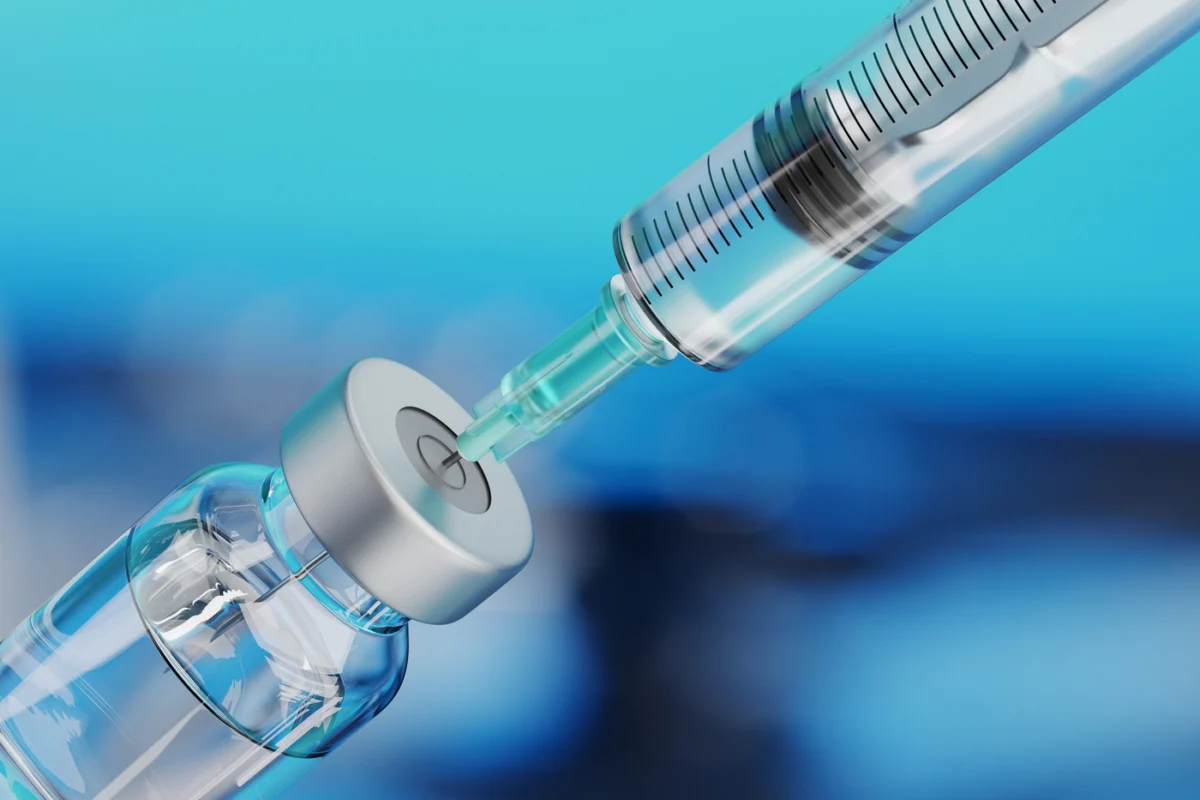
On June 9, 2026, preliminary data was released from a first-in-human clinical trial testing a dual vaccine designed to combat both Lassa fever and rabies. The concept of a dual vaccine is particularly elegant, aiming to optimize healthcare logistics in regions where both pathogens pose significant public health threats. Early results suggest a favorable safety profile and robust immunogenicity, providing a much-needed ray of hope for tropical disease management.
CRISPR and "Chromatin Shredding"
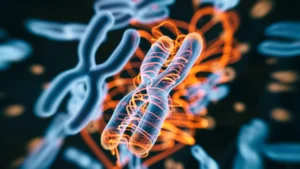
Perhaps the most conceptually radical news arrived on June 8, 2026, regarding a new CRISPR system. Unlike conventional CRISPR-Cas9 approaches that focus on gene editing or silencing, this new system is engineered to induce selective cancer cell death through "chromatin shredding."
By targeting the structural integrity of the cancer cell’s genome, this technology aims to bypass the "undruggability" of certain oncogenic targets. If validated in broader studies, this could revolutionize oncology by providing a method to eliminate cancer cells that have historically been resistant to targeted therapies and chemotherapy.
mRNA Delivery: Addressing Duchenne Muscular Dystrophy (DMD)
Rounding out the scientific news, a report published on June 11, 2026, detailed a novel mRNA delivery platform aimed at treating Duchenne muscular dystrophy. Delivery remains the "Achilles’ heel" of gene therapy, with many modalities struggling to reach muscle tissue with sufficient efficiency. This new platform demonstrates the ability to restore muscle function in DMD models, suggesting that the industry is finally overcoming the barriers to tissue-specific delivery that have hindered gene therapy for years.
Supporting Data: Why Investors Are Paying Attention
The convergence of these events provides a snapshot of an industry that is currently prioritizing "platform-plus-pipeline" models. The $510 million in potential payments for the Merck-Protillion deal highlights the premium placed on AI-enabled platforms, while the Parabilis IPO success validates the market’s readiness to fund late-stage clinical programs with high commercial potential.
| Development | Primary Focus | Key Metric |
|---|---|---|
| Parabilis IPO | Scaling Pipeline | $770.5M Raised |
| Merck/Protillion | AI-Driven Target Discovery | $510M in Milestones |
| DMD mRNA Study | Gene Therapy Delivery | Restored Muscle Function |
Implications for the Future of Healthcare
The Shift to "Precision Everything"
The common thread linking the Parabilis IPO, the Merck AI deal, and the CRISPR cancer research is the transition toward precision. We are moving away from "one-size-fits-all" pharmacology. The ability to use AI to find needles in a haystack (Protillion), the ability to shred cancer genomes (CRISPR), and the ability to deliver gene-correcting mRNA to specific tissues (DMD research) collectively point toward a future where diseases are managed with surgical, molecular precision.
Regulatory and Ethical Considerations
With these advancements come new regulatory challenges. As AI plays a larger role in identifying therapeutic candidates, the FDA and other global regulators must evolve their frameworks for evaluating the validity of AI-generated data. Furthermore, the use of chromatin-shredding CRISPR systems will undoubtedly trigger intense debate regarding off-target effects and the long-term safety of permanent genome modifications.
The Role of Communication
As highlighted in the Touching Base podcast, the role of transparent scientific communication is more critical than ever. Investors, patients, and healthcare providers must navigate a landscape where hype and breakthrough often overlap. Podcasts like Touching Base and Behind the Breakthroughs serve as vital conduits for distilling these complex, high-stakes developments into actionable information.
Conclusion: A Season of High Stakes
The mid-June 2026 period will likely be remembered as a pivot point for the biotech sector. The massive capital influx via Parabilis Medicines sets the stage for a new wave of clinical execution, while the research milestones in vaccines, oncology, and genetic medicine suggest that the technological toolkit available to researchers is more robust than ever.
As we look toward the second half of 2026, the industry must now translate these high-profile announcements into tangible patient outcomes. The combination of AI-augmented discovery and precise genomic intervention holds the promise of turning "undruggable" diseases into manageable—or even curable—conditions. For now, the biotech world remains in a state of high-octane growth, fueled by both record-breaking capital and a relentless commitment to scientific innovation.
References for Further Reading:
- StockWatch: Parabilis Medicines Makes Wall Street History with $770.5M IPO (Alex Philippidis, GEN Edge, June 14, 2026)
- Merck, Protillion Launch AI Drug Discovery Collaboration with Up-to-$510M in Milestone Payments (Alex Philippidis, GEN Edge, June 16, 2026)
- First-in-Human Trial Reports Promising Dual Lassa–Rabies Vaccine Data (GEN, June 9, 2026)
- CRISPR Shreds Undruggable Cancer Cells with Precision (Fay Lin, PhD, GEN Edge, June 8, 2026)
- New mRNA Delivery Platform Restores Muscle Function in DMD Models (GEN, June 11, 2026)