Elevating the Android Ecosystem: Google’s Blueprint for Premium, High-Performance Experiences
By [Your Name/Tech Desk]
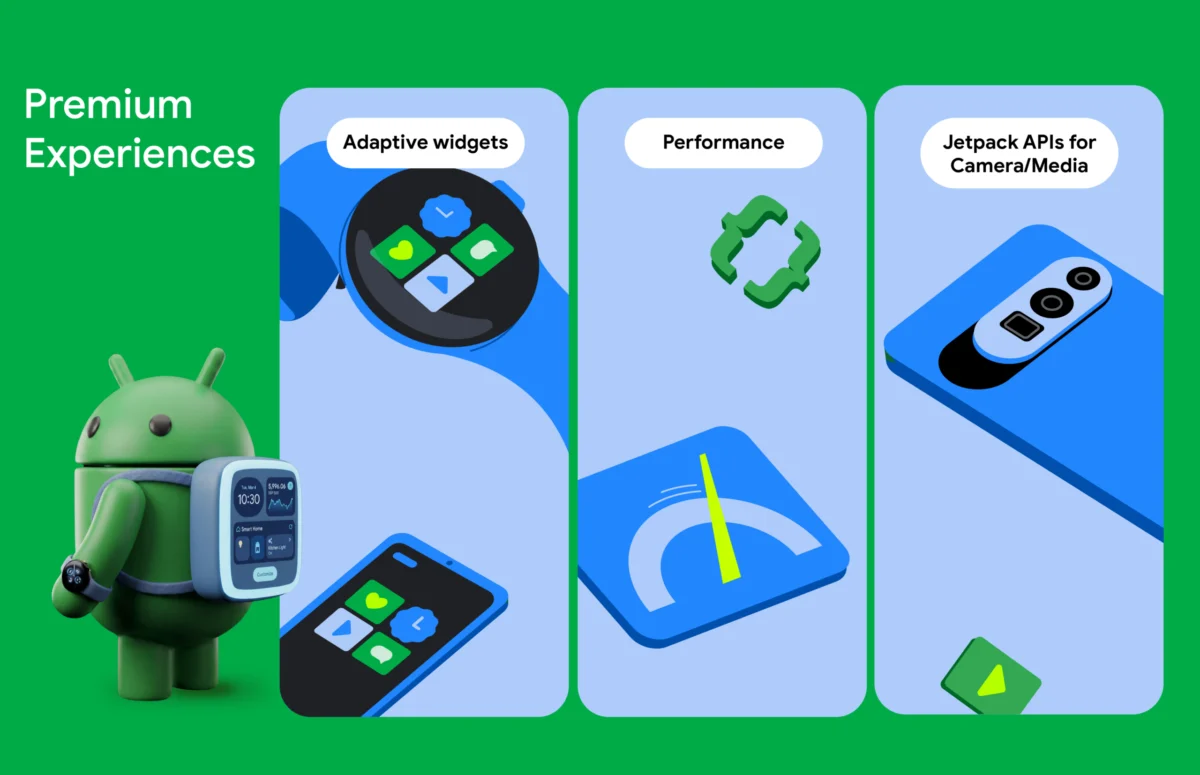
The landscape of mobile development is shifting. As users demand increasingly fluid, high-performance, and multi-device experiences, the pressure on developers to optimize for a fragmented ecosystem has never been greater. At Google I/O ’26, the Android Developer Relations team unveiled a comprehensive suite of updates designed to transform how applications are built, scaled, and maintained. By focusing on deep-level performance optimization, unified cross-device UI, and high-fidelity media pipelines, Google is setting a new standard for what it means to deliver a "premium" Android experience.
The Core Mandate: Performance as a Feature
At the heart of the latest Android developer push is a stark reality: efficiency is no longer a luxury—it is a survival mechanism. With the introduction of Android 17, Google has implemented stricter, RAM-based memory limits. These guardrails are designed to intercept extreme memory leaks and outliers before they cascade into system-wide instability.
For developers, this means the era of bloated codebases is officially over. To prevent applications from being terminated by the system, achieving a "lean footprint" has become a mandatory technical requirement.
The R8 Configuration Analyzer
To aid in this transition, Google has introduced the R8 Configuration Analyzer within Android Studio. R8 has long served as the primary engine for code shrinking, obfuscation, and optimization, but its potential has frequently been throttled by overly cautious "keep rules." Developers often implement broad rules to prevent the compiler from stripping away code, which inadvertently bloats the final APK size and hinders performance.
The new analyzer provides developers with a clear "optimization score," breaking down exactly how much code is being shrunk and where specific rules are creating bottlenecks. By identifying the specific configuration lines that prevent R8 from doing its job, developers can significantly reduce binary sizes.
The ROI of Optimization:
The real-world impact of these tools is already manifesting in the industry. For instance, the engineering team at Monzo—the digital banking giant—leveraged these advanced R8 configurations to achieve a 30% improvement in cold-start times and a 35% reduction in Application Not Responding (ANR) errors. These metrics prove that smaller, faster code directly correlates to user retention and higher engagement.
Chronology of Development: From Complexity to Cohesion
The evolution of Android development has followed a trajectory from specialized, platform-specific coding toward a unified, Compose-based ecosystem.
- Early Era (Pre-2020): Developers struggled with platform-specific APIs for widgets, watch faces, and automotive displays. Each surface required a distinct codebase, leading to fragmented user experiences.
- The Jetpack Transition: The introduction of Jetpack Compose revolutionized UI development, offering a declarative syntax that replaced the cumbersome XML-based views.
- The Current State (2026): Google is now closing the gap between devices with the unification of Jetpack Glance and RemoteCompose. This marks a shift where the "surface" (phone, watch, or car dashboard) is treated as a secondary concern, while the core business logic remains consistent.
Unified Interaction: Widgets on Phones, Watches, and Cars
One of the most significant announcements at I/O ’26 was the evolution of Jetpack Glance. As user behavior pivots toward "glanceable" interactions—quick updates that don’t require launching a full application—the need for a unified development framework has become critical.
Enter RemoteCompose
Google is now extending the reach of Glance through RemoteCompose. This framework allows developers to define UI logic once and have it render natively across various form factors.

- Wear OS: Wear Widgets (formerly Tiles) now support RemoteCompose, enabling complex UI elements to render on resource-constrained hardware without compromising performance.
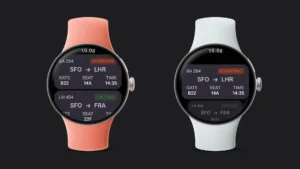
- Automotive & Mobile: By using a shared Compose-based model, developers can project the same information—such as a flight status or a boarding pass—onto a car’s dashboard or a phone’s home screen with minimal overhead.
This approach solves a long-standing pain point: the duplication of effort. Developers no longer need to write separate logic for a Wear OS Tile and a mobile widget. Instead, they define the state, and the framework manages the visual representation appropriate for the device’s capabilities.
Supporting Data: The Media Pipeline Revolution
Media consumption is the primary driver of device usage, and Android is positioning itself as the premier operating system for creators and consumers alike. The updated toolkit—centered around Jetpack CameraX and Media3—is designed to handle the entire lifecycle of a media asset, from the initial sensor capture to professional-grade post-production.
High-Fidelity Capture
The new CameraXViewfinder Composable ensures that camera previews remain perfectly scaled across foldable devices and tablets, which historically have been difficult to manage due to varying aspect ratios. CameraX v1.5 adds robust support for high-frame-rate and slow-motion capture, giving developers native access to advanced hardware capabilities without needing to manage complex, device-specific drivers.
AI-Driven Media Processing
Perhaps the most ambitious addition is the Media3 AI Effects library. This library provides a unified interface for premium features such as:
- Magic Eraser: Seamlessly removing unwanted objects from video frames.
- Studio Sound: AI-powered audio enhancement that cleans up background noise.
- Video Enhancement: Upscaling and color-grading features previously reserved for desktop software.
By delegating these complex operations to Media3, developers avoid the "heavy lifting" of choosing efficient processing paths. The framework automatically selects the most reliable path for the device’s GPU or NPU, ensuring that the AI effects run smoothly even on mid-range handsets.
Official Perspective: Implications for the Industry
Ataul Munim, Android Developer Relations Engineer, emphasized that these updates are not merely about "new features," but about "delivering premium delight." According to Google’s leadership, the goal is to shift the developer mindset from "building for Android" to "building for the ecosystem."
Strategic Implications
- Reduced Development Friction: By unifying the widget and media frameworks, teams can reduce their engineering overhead by an estimated 20–30%. This allows startups and enterprise teams alike to allocate more resources to feature innovation rather than maintenance.
- Elevated Baseline Quality: The strict memory limits of Android 17, combined with the R8 Configuration Analyzer, are effectively raising the floor for app quality. Apps that fail to meet these performance thresholds will likely see lower store visibility, forcing the entire ecosystem to become faster and more efficient.
- Cross-Device Continuity: With RemoteCompose, the boundary between devices is blurring. A user starting a task on their phone can seamlessly transition to their watch or car without the experience feeling "disconnected." This consistency is the key to maintaining user loyalty in an increasingly competitive market.
Looking Ahead: The Future of Android Development
As we look toward the remainder of 2026, the message from Google is clear: the path to a premium Android experience is built on the pillars of Performance, Unification, and Intelligence.
For developers, the call to action is twofold. First, audit your existing codebases using the new R8 Configuration Analyzer to ensure compatibility with the upcoming Android 17 memory standards. Second, begin migrating your fragmented UI surfaces toward the Jetpack Glance and RemoteCompose frameworks.
The Android ecosystem is no longer just about mobile phones; it is an integrated network of devices that demands a sophisticated, high-performance approach. By adopting these tools, developers aren’t just improving their apps—they are future-proofing their presence in an era where speed and cross-device fluidity define the next generation of digital success.
For those eager to dive deeper, Google has curated a comprehensive YouTube playlist covering these technical updates in detail, providing step-by-step guides on implementing everything from Media3 AI effects to advanced R8 optimization. The tools for the next level of Android development are here—the only question is how quickly the ecosystem will rise to meet the challenge.