Apple Accelerates iOS 27 Development: Beta 2 Deepens AI Integration and RCS Functionality
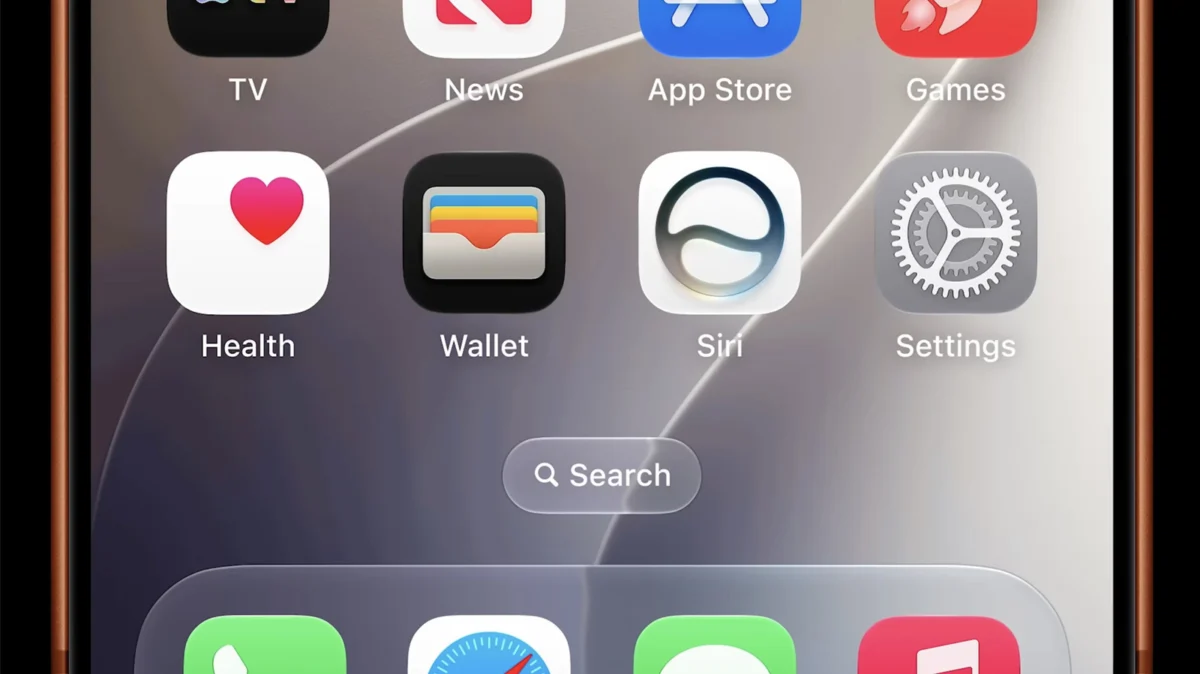
Apple has officially released the second developer beta for iOS 27, iPadOS 27, and macOS 27, signaling a significant step forward in the company’s roadmap toward a full public launch this fall. Following the ambitious announcements made at WWDC 2026, these beta iterations are primarily focused on refining the AI-centric "Apple Intelligence" suite and enhancing cross-platform interoperability. While the updates are incremental in nature, they provide a clearer picture of how Apple intends to position its new AI tools as a daily utility rather than a standalone novelty.
Main Facts: What’s New in Beta 2?
The headline for the latest release is undoubtedly the maturation of the Siri ecosystem. Apple is clearly prioritizing the integration of generative AI into the core user experience, moving beyond the static voice assistant of the past toward a more dynamic, contextual partner.
The "Write with Siri" Integration
Perhaps the most visible change is the deployment of "Write with Siri," a feature that effectively replaces the earlier AI-powered Writing Tools prompt. In this version, users will notice a distinct, prominent prompt above their keyboard interface. The system is designed to be proactive; it sits ready to assist with text generation, tone adjustment, or structural edits. Should the user begin typing manually, the prompt gracefully retracts, shrinking into a subtle Siri icon. This interaction model is indicative of Apple’s design philosophy: powerful AI assistance that remains unobtrusive until explicitly engaged.
RCS Refinement
Beyond AI, Apple is continuing its long-term project to modernize messaging. Beta 2 brings substantial improvements to Rich Communication Services (RCS) support within the Messages app. For years, the divide between iMessage and SMS created a fragmented user experience; with this update, Apple is introducing native support for message reactions and in-line replies within RCS threads. This move is a significant bridge-builder for those communicating across the Android-iOS divide, ensuring that the "green bubble" experience is increasingly indistinguishable from the high-fidelity features found in iMessage.
Infrastructure and Hardware Support
On the hardware front, the beta introduces firmware update capabilities for the AirPods Max 2, ensuring that the company’s flagship headphones remain synchronized with the latest software protocols. Additionally, macOS 27 "Golden Gate" has received patches for iPhone Mirroring—a feature that previously saw stability issues in the first developer beta.
Chronology: The Road to iOS 27
To understand the weight of these updates, one must look at the timeline of Apple’s 2026 software strategy:
- Early June 2026 (WWDC 2026): Apple unveiled the primary vision for iOS 27, emphasizing a "holistic" approach where AI is woven into the operating system rather than relegated to an app. The keynote focused heavily on the "Expressive Voice" capabilities of Siri and the new privacy-first AI architecture.
- Mid-June 2026: The first developer beta was released, providing a rough, often unstable look at the proposed changes. Early testers noted significant bugs in iPhone Mirroring and limited functionality in the AI writing suite.
- Late June 2026 (Present): The release of Beta 2 marks the shift from "concept" to "polishing." Apple is now addressing stability and refining the UI elements that users will interact with daily.
- July–August 2026 (Projected): Expect a series of public betas to follow. These will focus on stress-testing the new AI features with a wider user base to ensure privacy protocols and battery efficiency meet Apple’s standards.
- September 2026 (Projected): The official release window for iOS 27, likely coinciding with the annual iPhone hardware event.
Supporting Data: Why Siri Matters
The aggressive push to overhaul Siri is not merely a feature update; it is a defensive and offensive strategic necessity. Since the debut of LLM-based competitors like ChatGPT and Google Gemini, Siri has faced criticism for falling behind in complex query resolution.
Data from recent developer logs suggests that Apple is shifting Siri’s architecture to prioritize "on-device" processing where possible. By labeling features like "Expressive Voice" as "Coming Soon," Apple is managing expectations while signaling that the full realization of its AI vision is a multi-stage rollout. The shift to "Write with Siri" demonstrates an intent to make AI a foundational layer of the text-input stack, competing directly with third-party keyboard AI integrations that have become popular on rival platforms.
Official Responses and Developer Sentiment
While Apple has maintained its standard "no comment" stance on individual beta features, the company’s documentation for developers highlights a push toward consistency. Apple’s release notes for Beta 2 emphasize that the parity between iOS, iPadOS, and macOS is intentional.
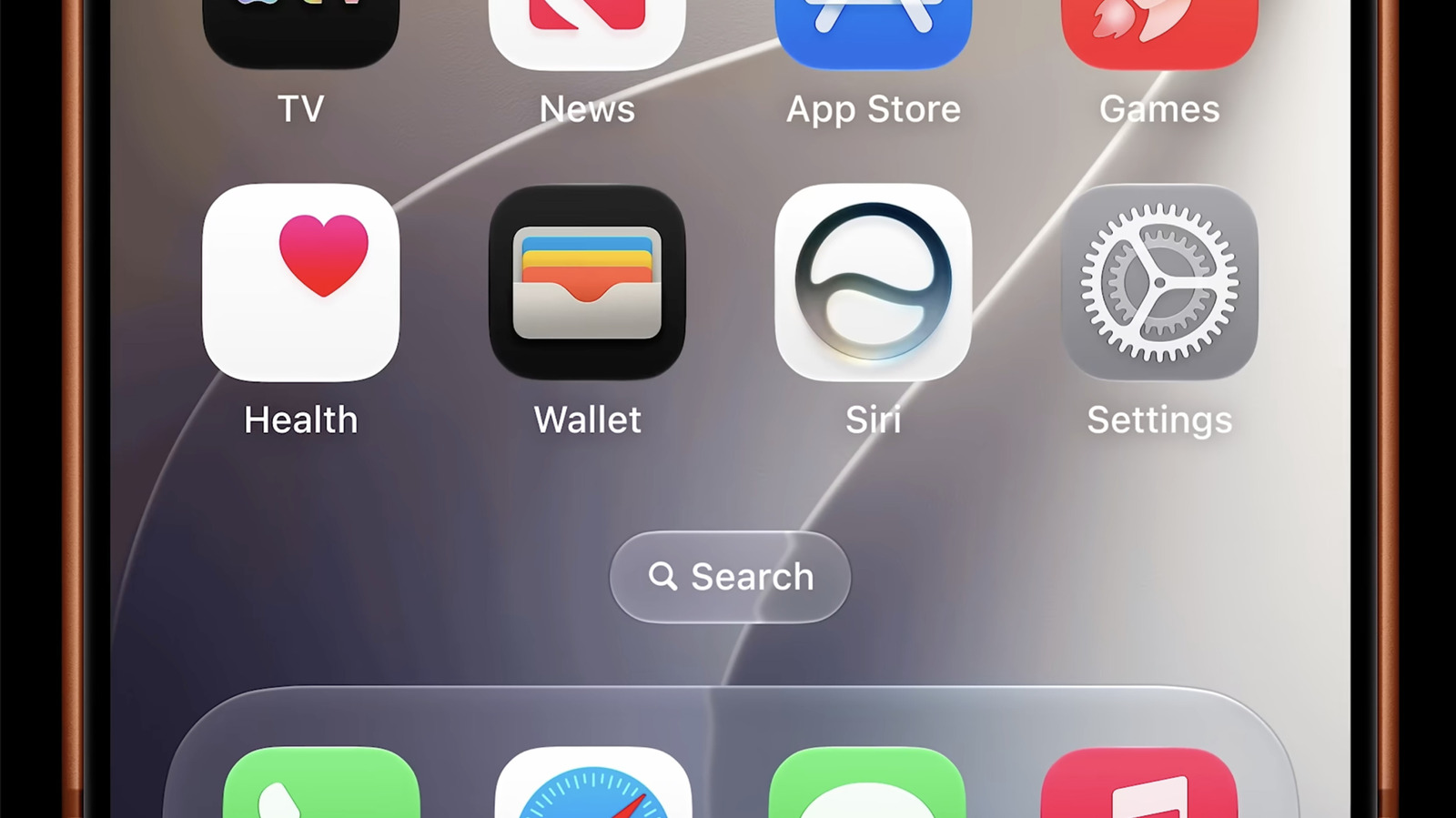
Developer sentiment, as reflected on community forums and technical blogs like 9to5Mac, has been cautiously optimistic. While the refinement of RCS is being hailed as a "win for universal communication," some developers have expressed frustration regarding the current state of the "Expressive Voice" features, which remain in a nascent stage. The consensus among the early-adopter community is that Apple is playing a "long game," prioritizing stability and user privacy over the rapid, sometimes chaotic, feature deployment seen in other AI-focused tech firms.
Implications for the Ecosystem
The implications of this update are three-fold:
1. The Death of the "Fragmented Text"
By standardizing reactions and replies for RCS, Apple is essentially conceding that it cannot force the entire world to use iMessage. By embracing industry standards, Apple ensures that iPhone users have a better experience with non-Apple friends and family, potentially reducing the social pressure that keeps some users locked into the Apple ecosystem purely for messaging features.
2. AI as a Utility, Not an App
By integrating Siri directly into the keyboard’s text-entry field, Apple is changing the user’s relationship with AI. It is no longer an app you open to "talk" to; it is a tool that sits at the ready, waiting to assist with syntax, tone, and grammar. This shifts the perception of AI from a "chatbot" to a "co-pilot."
3. macOS and iOS Convergence
The improvements to iPhone Mirroring in the latest macOS beta suggest that Apple is determined to make the Mac the primary hub for mobile productivity. As the line between tablet, phone, and desktop continues to blur, the ability to seamlessly interact with a phone from a laptop screen—with full, stable functionality—becomes a cornerstone of Apple’s "walled garden" value proposition.
Looking Ahead
As we move toward the autumn release, the focus will likely turn toward battery life optimization and privacy audits. AI-heavy features are notoriously power-intensive; Apple’s challenge will be ensuring that these new capabilities do not result in significant degradation of device longevity.
For now, developers and power users should treat Beta 2 as a sign that Apple is listening to feedback. The transition from the buggy first beta to this more polished version shows a company that is iterating rapidly. While the "Expressive Voice" features remain just out of reach, the presence of the new "Write with Siri" prompt suggests that the most critical components of the iOS 27 experience are nearing completion.
The fall of 2026 is shaping up to be a defining moment for Apple. With the integration of advanced AI and the finalization of long-overdue messaging standards, iOS 27 is poised to be one of the most consequential software updates in the company’s recent history. For the end-user, the message is clear: Siri is finally getting the upgrade it needs to remain relevant in an AI-first world.