Bridging the Gender Gap in AI: The 2023 Women in Machine Learning Symposium
By [Your Name/Journalist Desk]
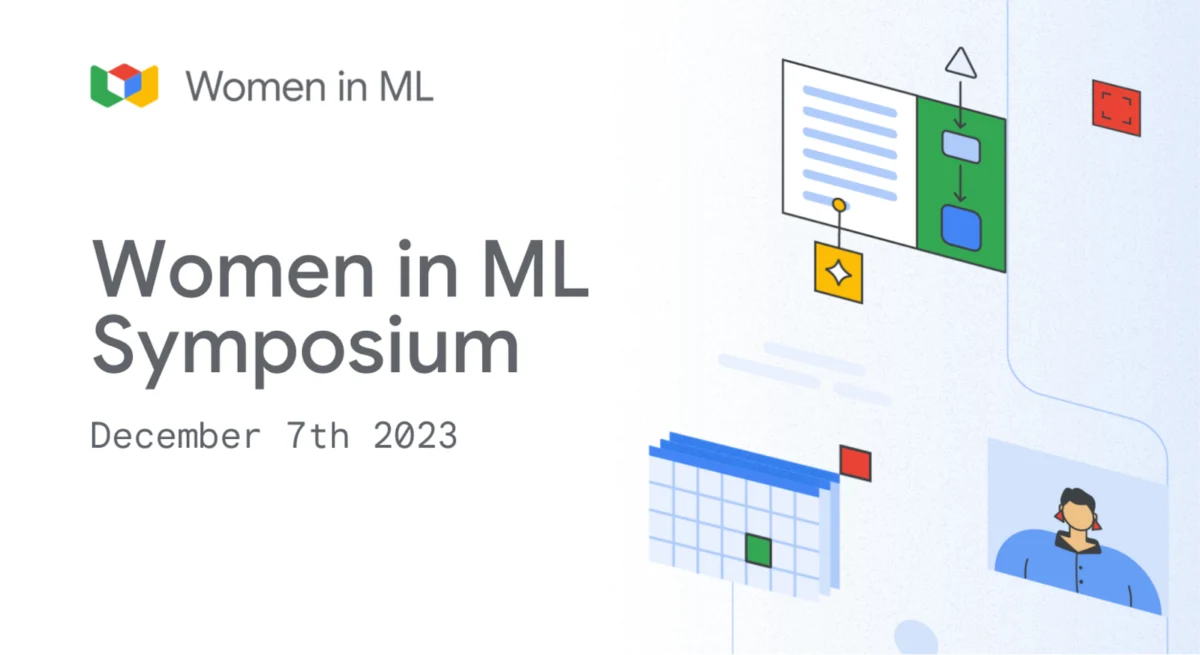
In an era where Artificial Intelligence (AI) and Machine Learning (ML) have transitioned from academic curiosities to the foundational architecture of the global economy, the question of who builds these systems has never been more critical. As industry leaders grapple with the challenges of ethical development, bias mitigation, and the rapid pace of generative AI, Google has announced the return of its annual Women in Machine Learning (WiML) Symposium. Scheduled for December 7, 2023, the third iteration of this virtual event promises to serve as both a technical summit and a catalyst for professional equity within the tech sector.
The Core Mandate: Empowerment and Technical Excellence
The Women in Machine Learning Symposium is not merely a conference; it is a strategic initiative designed to dismantle the barriers that have historically kept women underrepresented in the fields of computer science and data engineering. Sharbani Roy, Senior Director of Product Management at Google, confirmed that the event will run from 9:30 am to 1:00 pm PT, offering a comprehensive schedule tailored to accommodate varying levels of technical proficiency.
At its core, the event aims to bridge the gap between theoretical research and practical industry application. By providing a platform for women to showcase their contributions to generative AI, privacy-preserving machine learning, and infrastructure-level innovation, the symposium seeks to ensure that the future of AI is as diverse as the global population it serves.
A Chronological Evolution of the WiML Symposium
To understand the significance of the 2023 symposium, one must look at the event’s trajectory over the past three years.
The Foundation (2021)
The inaugural symposium was launched during a pivotal moment in the pandemic, as remote work and digital transformation became the norm. It focused on establishing a community of practice, bringing together women who were often isolated in male-dominated engineering teams.
The Scaling Phase (2022)
By its second year, the event shifted its focus toward advanced model architectures and the ethics of AI. It expanded its reach, inviting international researchers and engineers to participate in sessions that moved beyond the basics, focusing on TensorFlow workflows and Google’s broader AI ecosystem.
The Current Landscape (2023)
The 2023 installment marks a transition toward the "Generative Era." With the explosion of Large Language Models (LLMs) and the increasing focus on responsible AI, this year’s symposium is structured to provide actionable insights for practitioners navigating the complexities of modern, large-scale model deployment.
Supporting Data: The Case for Inclusion
The impetus for the WiML Symposium is supported by sobering data regarding gender parity in the technology sector. According to reports from the World Economic Forum and various industry labor statistics, women occupy fewer than 25% of roles in AI and data science globally. This disparity is not merely a social issue; it is a structural risk.
Research consistently demonstrates that diverse teams produce more robust AI models. When the teams developing algorithms lack diverse representation, the propensity for "algorithmic bias"—where AI systems inadvertently perpetuate social, racial, or gender-based stereotypes—increases exponentially. The WiML symposium addresses this by:
- Lowering the Barrier to Entry: By offering sessions for beginners, the event encourages newcomers to pursue careers in ML, effectively expanding the pipeline.
- Providing Advanced Technical Training: By hosting sessions on ML frameworks and hardware accelerators (such as TPUs), the event ensures that experienced women are equipped to lead in high-stakes environments.
- Cross-Industry Networking: The collaboration between Google Health, Nvidia, and Adobe illustrates that the challenges in AI are universal, transcending specific product categories.
Official Perspectives: Industry Leaders Weigh In
The inclusion of voices from diverse sectors is a hallmark of the 2023 symposium. The decision to involve partners like Nvidia and Adobe reflects a broader realization: AI is no longer a "tech-only" sector.
The Google Perspective
Sharbani Roy’s leadership in this initiative underscores Google’s commitment to internal and external diversity. The official stance from Google’s Product Management division is that diversity in engineering is a product requirement, not an optional initiative. "We are committed to providing an immersive and insightful set of deep dives," Roy noted, emphasizing that the symposium is designed to give attendees the tools they need to build the next generation of AI products.
The Industry Ecosystem
Representatives from industry heavyweights, including Nvidia and Adobe, have signaled their support, acknowledging that the demand for skilled AI talent far outstrips the current supply. By participating in this symposium, these companies are not only engaging in talent acquisition but are also contributing to a shared knowledge base that strengthens the entire machine learning community.
Technical Scope: What to Expect in 2023
The 2023 agenda is strategically curated to cover the "full stack" of modern AI. Attendees can expect deep dives into the following areas:
1. Generative AI and Large Language Models
As generative AI moves from research labs to production, understanding how to train, tune, and deploy these models safely is paramount. The symposium will feature sessions on the latest breakthroughs in transformer architectures and prompt engineering.
2. Privacy-Preserving AI
In an age of increasing regulatory scrutiny (such as GDPR and the EU AI Act), privacy is a top-tier design constraint. The symposium will explore techniques such as Federated Learning and Differential Privacy, ensuring that participants leave with a grasp of how to build AI that respects user data.
3. ML Infrastructure and Frameworks
Behind every successful model is a robust hardware and software ecosystem. The sessions will delve into the intricacies of Google’s ML frameworks, providing a look at how to optimize performance on accelerators, ensuring that models are not only intelligent but also scalable and energy-efficient.
Implications for the Future of AI
The broader implications of the Women in Machine Learning Symposium are profound. By fostering a high-level community of practice, the event helps to normalize the presence of women in the most senior roles of technical architecture.
Redefining Mentorship
The symposium creates a "multiplier effect." Women who attend these sessions often return to their organizations with new technical skills and a renewed sense of confidence. This, in turn, influences company culture, encouraging mentorship programs that help junior women climb the corporate ladder.
Setting the Standard for Responsible AI
When women are at the table during the conceptualization of AI products, the "blind spots" that often lead to unethical or harmful AI applications are more likely to be identified early in the development lifecycle. The symposium’s emphasis on "foundational concepts" ensures that attendees are grounded in the ethics of AI as much as the mathematics of it.
Shaping the Career Pipeline
For students and early-career professionals, the WiML Symposium serves as a beacon. Seeing a lineup of accomplished female speakers from companies like Google and Nvidia provides the necessary representation to inspire the next generation to pursue degrees in STEM.
How to Participate
The virtual nature of the event is a deliberate choice, ensuring that geography is not a barrier to participation. By removing the need for travel, the symposium remains accessible to women across different time zones, socioeconomic backgrounds, and professional stages.
The registration process, which is currently open via the official Google AI Developers portal, is designed to be streamlined. Potential attendees are encouraged to review the agenda early to select sessions that align with their specific technical interests, whether that be deep learning, model deployment, or the ethical application of AI in healthcare.
Conclusion
As we approach the December 7, 2023 date, the excitement surrounding the third annual Women in Machine Learning Symposium continues to build. The event represents a critical juncture in the maturation of the AI industry. It is a moment to pause, learn, and connect, but more importantly, it is a moment to act.
By dedicating time and resources to the advancement of women in the field, Google is not just hosting a conference; it is participating in the essential work of building an equitable, inclusive, and technologically superior future. Whether you are an experienced researcher or a student taking your first steps into neural networks, the symposium offers a unique opportunity to learn from the best in the industry and to contribute to a movement that will define the next decade of human innovation.
RSVP Today to secure your place in the future of Machine Learning.