Bridging the Gap: How the New Headlamp Knative Plugin Revolutionizes Serverless Kubernetes Management
In the rapidly evolving landscape of cloud-native development, Kubernetes has established itself as the de facto operating system for the modern data center. However, while Kubernetes provides the raw power for orchestration, it often leaves developers grappling with immense operational complexity. Enter Knative—a powerful extension that brings serverless capabilities to Kubernetes, allowing teams to focus on code rather than infrastructure. Yet, as adoption grows, so does the "tooling fatigue" associated with managing complex serverless workloads.
On June 25, 2026, the team behind Headlamp—the extensible, open-source Kubernetes UI project—announced a significant milestone: the launch of a dedicated Knative plugin. This development, which emerged from the LFX mentorship program, promises to unify the fragmented experience of managing Knative workloads, effectively bridging the gap between command-line operations and visual cluster management.
Main Facts: A Single Pane of Glass for Serverless
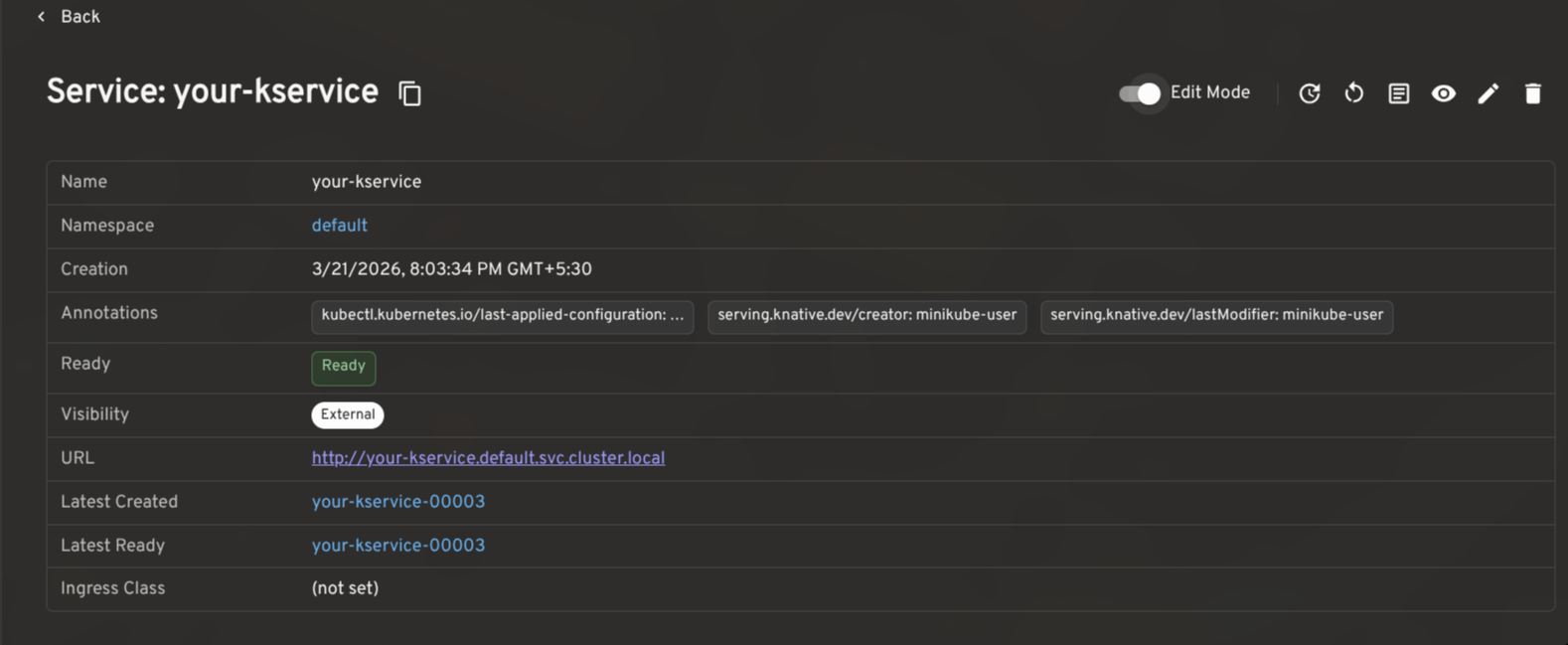
The core challenge for Knative operators has long been the context-switching tax. To manage a typical serverless deployment, an engineer might jump between the kn CLI for traffic routing, kubectl for debugging pod issues, and various web consoles to visualize resource health.
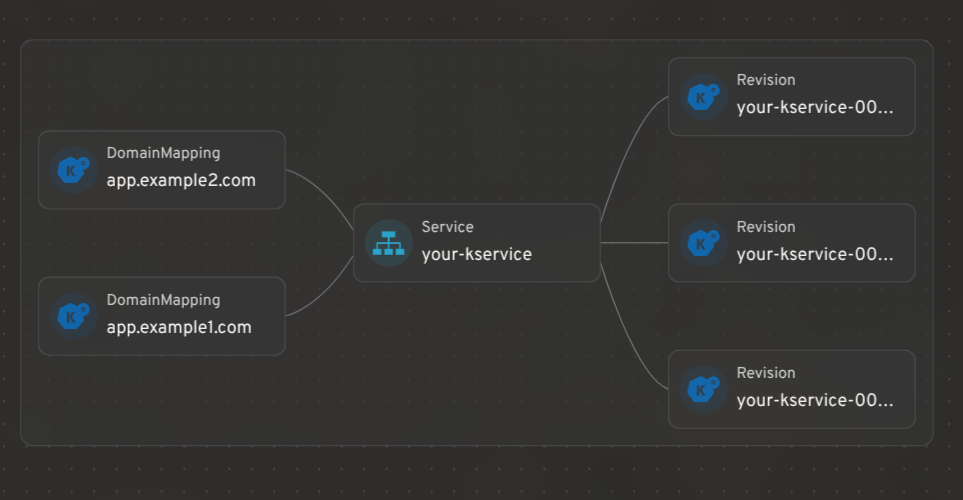
The new Headlamp Knative plugin seeks to eliminate this friction by centralizing these tasks. The plugin provides a comprehensive management interface for Knative Custom Resource Definitions (CRDs) directly within the Headlamp dashboard. Key features include:
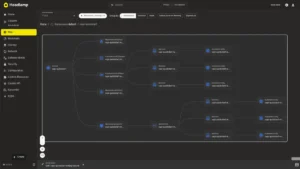
- Integrated Map Views: Visualizing the complex relationships between KServices, Revisions, and DomainMappings.
- Live Edit Mode: Real-time modification of traffic splits and autoscaling annotations.
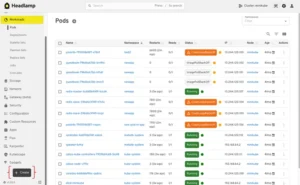
- Unified Troubleshooting: Direct access to logs, pod restarts, and YAML configurations from a single UI.
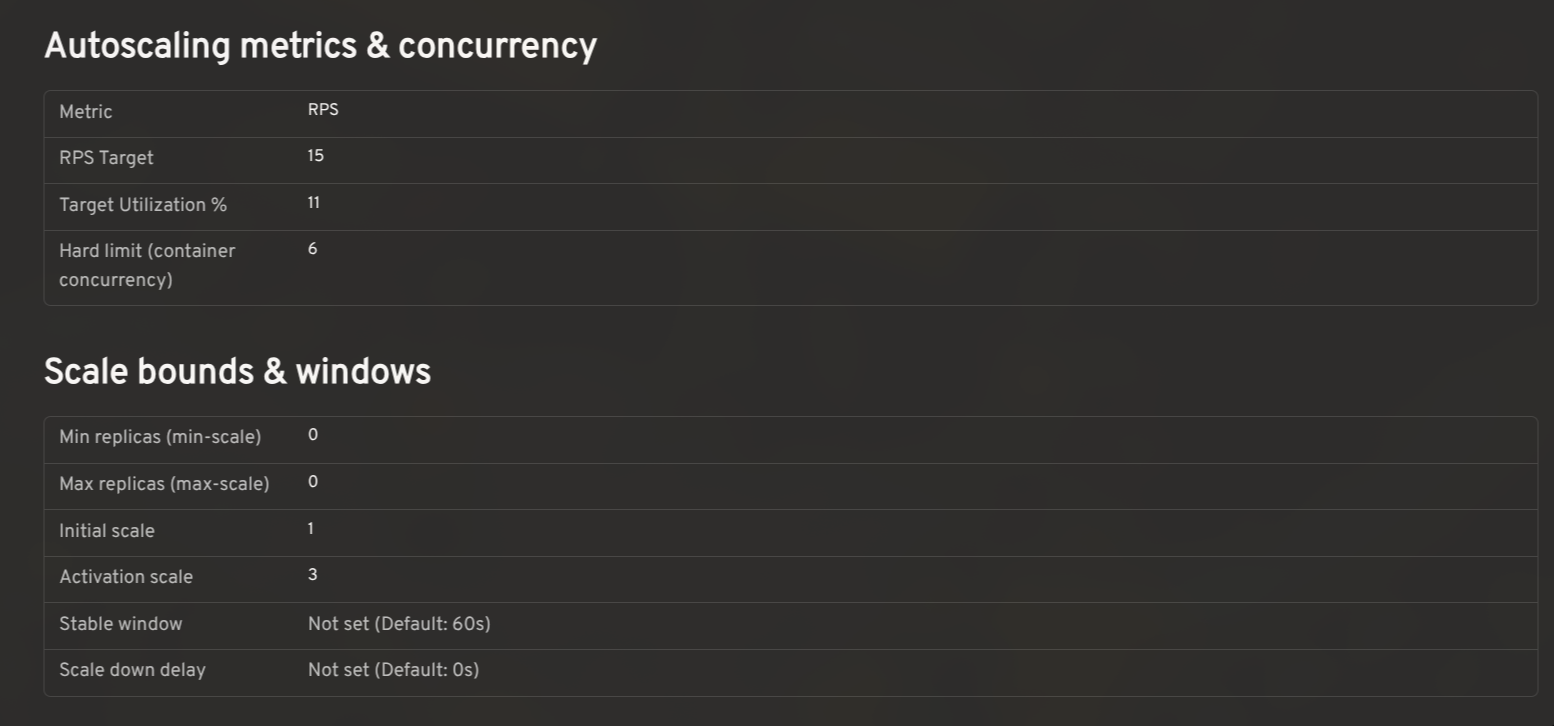
- Effective Configuration Insight: Visibility into how cluster-wide defaults (via
config-autoscaler) interact with specific service-level annotations.
Chronology: From Concept to Production
The development of this plugin is a testament to the power of open-source collaboration and structured mentorship.
- Early 2026: Recognizing the growing demand for better Knative tooling within the Headlamp community, the project leads proposed a dedicated plugin project under the LFX mentorship umbrella.
- Spring 2026: A focused development sprint began, centered on mapping the specific needs of Knative operators—namely, the ability to see how traffic flows across different service revisions.
- June 25, 2026: The official release of the plugin (v0.3.0-beta) was announced, coinciding with the integration of the plugin into the broader Headlamp ecosystem.
- Post-Launch: The project team shifted focus toward community feedback, bug tracking, and gathering feature requests for future iterations, specifically aiming to refine the Prometheus metric integration.
Supporting Data: Why Visibility Matters
Serverless architectures are deceptively simple to start with, but they scale in complexity with every revision. According to industry benchmarks, the difficulty of managing "traffic splits"—the process of directing a percentage of incoming requests to different versions of an application—is a leading cause of deployment errors in Kubernetes environments.
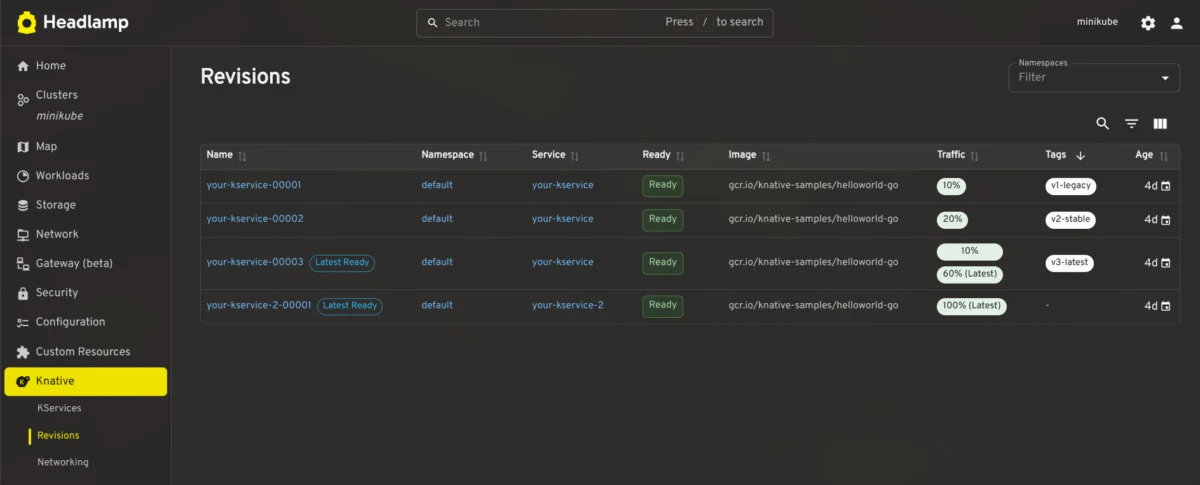
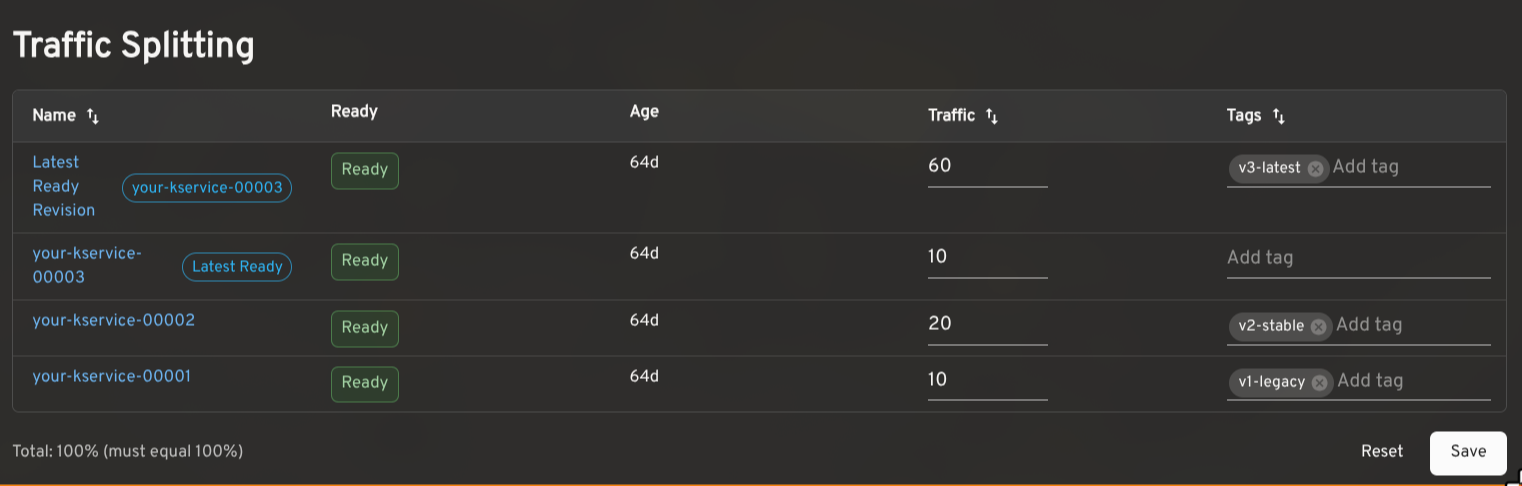
The Headlamp plugin provides granular data for these operations. In the "Traffic Splitting" module, operators can view:
- Readiness Status: Identifying if a revision is stable before routing traffic.
- Tagging Logic: Ensuring that canary deployments or A/B tests are correctly labeled.
- Validation: Automatic logic that ensures traffic percentages sum to 100%, preventing configuration drift that often results in 404s or routing loops.
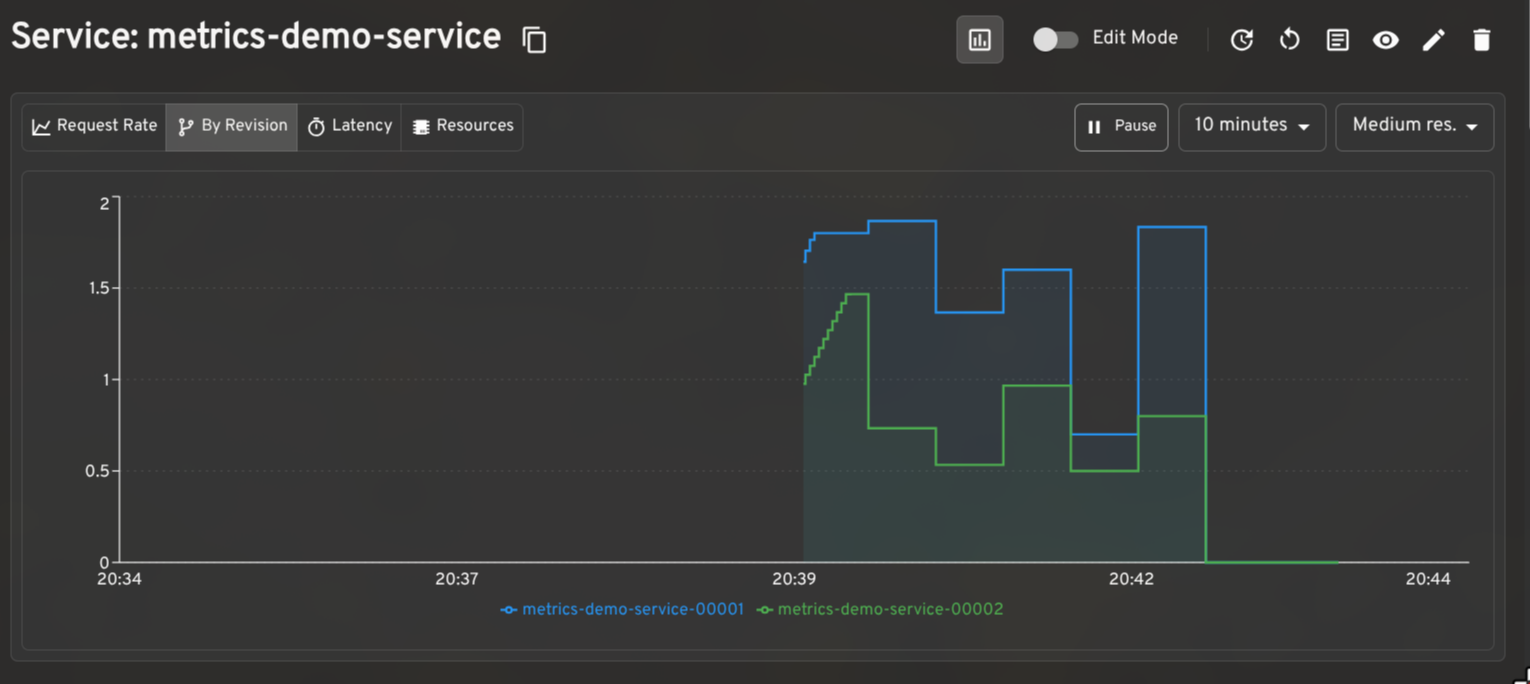
Furthermore, the integration with Prometheus metrics provides a "second-by-second" look at latency and request rates. By filtering these metrics by revision, an operator can immediately tell if a new code deployment is causing a spike in latency, allowing for an instantaneous rollback via the UI.
Official Perspectives: The "Headlamp" Philosophy
The Headlamp project has always prioritized extensibility. Unlike monolithic Kubernetes dashboards, Headlamp is designed to be modular.
"The goal of the Knative plugin isn’t just to replicate the CLI; it’s to make the invisible visible," says a lead developer associated with the project. "When you are dealing with Knative, you are dealing with a chain of abstractions. If you change a configuration, you want to know immediately how that affects your ingress, your domain mappings, and your autoscaling targets. By bringing all these pieces into one view, we are reducing the cognitive load on the engineer."
The development team emphasized that the plugin adheres strictly to Kubernetes RBAC (Role-Based Access Control) policies. This ensures that while the tool is powerful, it remains enterprise-ready, respecting the security boundaries defined by the cluster administrator.
Implications: The Future of Serverless Management
The release of this plugin signals a broader trend in the Kubernetes ecosystem: the shift toward "Developer-Centric Infrastructure."
1. Lowering the Barrier to Entry
For organizations just starting with Knative, the steep learning curve of kn CLI flags can be intimidating. A visual UI lowers this barrier, allowing junior developers to perform safe, validated changes to traffic routing without fearing a catastrophic misconfiguration.
2. Streamlining Canary Deployments
Canary releases—the gold standard for high-availability services—become trivial when the UI allows for drag-and-drop or simple input-based traffic allocation. The ability to see the "effective configuration" of autoscaling (seeing exactly which settings were inherited from the cluster vs. which were set at the service level) helps teams debug "mystery scaling" issues that often plague production systems.
3. Strengthening the Open-Source Ecosystem
By utilizing the LFX mentorship program, the Headlamp team has created a blueprint for how other Kubernetes SIGs (Special Interest Groups) can improve user experience. This plugin is not just a tool; it is a community-driven response to a specific technical pain point, proving that open-source software can iterate as quickly as the needs of its users.
How to Get Involved
As of late June 2026, the plugin is in its 0.3.0-beta phase. The team is actively inviting users to test the integration and provide feedback.
- For Operators: The primary request is to test the plugin against existing Knative installations and report any discrepancies in how CRDs are rendered.
- For Contributors: The project maintains an active issue tracker on GitHub, where developers can contribute to future features such as enhanced log streaming, deeper integration with external ingress controllers, and more advanced alerting capabilities.
Installation: The plugin can be installed via the standard Headlamp plugin manager. For those looking to contribute or view the source code, the Headlamp Plugins repository contains comprehensive documentation and setup guides for the Knative module.
Final Thoughts
As we look toward the latter half of 2026, the focus for platform engineering teams will continue to be on "Platform-as-a-Product." Tools like the Headlamp Knative plugin are essential to this mission. By turning complex infrastructure interactions into intuitive, visual experiences, the project ensures that Knative remains a viable, manageable, and highly effective tool for the next generation of serverless applications. Whether you are a solo developer managing a home lab or a platform engineer managing a global Kubernetes fleet, the ability to visualize, understand, and act on your resources is no longer a luxury—it is a necessity.