Small Wonders: Exploring the Creativity of Ludum Dare 56
The world of game development is often associated with massive teams, multi-million dollar budgets, and years of development time. However, the true heartbeat of the industry often pulses in the frenetic, high-pressure environment of the game jam. From October 4th to October 7th, 2024, the global development community gathered for Ludum Dare 56, a 48-to-72-hour marathon that challenged creators to build functional, engaging experiences from scratch based on a single, evocative prompt: "Tiny Creatures."
The results of this recent iteration are nothing short of remarkable, showcasing how technical constraints can act as a catalyst for profound creative expression. This report examines the highlights of the jam, the mechanics of the event, and the broader implications for the future of indie game development.
The Chronology of a Jam: 72 Hours of Iteration
Ludum Dare is more than just a competition; it is a ritualistic display of rapid prototyping. The event structure is designed to force developers to abandon perfectionism in favor of "the core loop"—the primary gameplay mechanic that makes a game fun.
The Kickoff (October 4)
The theme "Tiny Creatures" was announced, sparking an immediate flurry of activity across the internet. Developers, ranging from solo hobbyists to small indie teams, began the process of "brainstorming under the gun." For many, the first 12 hours are spent narrowing down a concept that can be reasonably executed within the three-day window.
The Crunch (October 5–6)
As the hours ticked away, the focus shifted from conceptualization to execution. The primary challenge during this phase is scope management. For the games featured in this report, the goal was to take the "tiny" theme and apply it to diverse genres, including roguelikes, tower defense, and narrative adventures. By the second day, most developers were moving from gray-box testing to asset creation—implementing pixel art, sound effects, and basic UI.
The Submission (October 7)
The final hours are famously chaotic, often involving frantic debugging and last-minute "build" submissions. By the close of the window on Monday, October 7th, hundreds of titles were uploaded to itch.io, marking the transition from development to community evaluation.
Spotlight on Innovation: Featured Titles
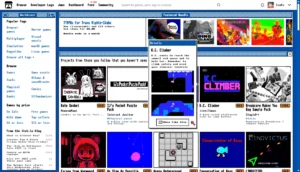
The diversity of the submissions for Ludum Dare 56 proves that "Tiny Creatures" is a versatile theme. Here are the standout projects that captured the attention of the itch.io editorial team:
Strategic Depth and Roguelikes
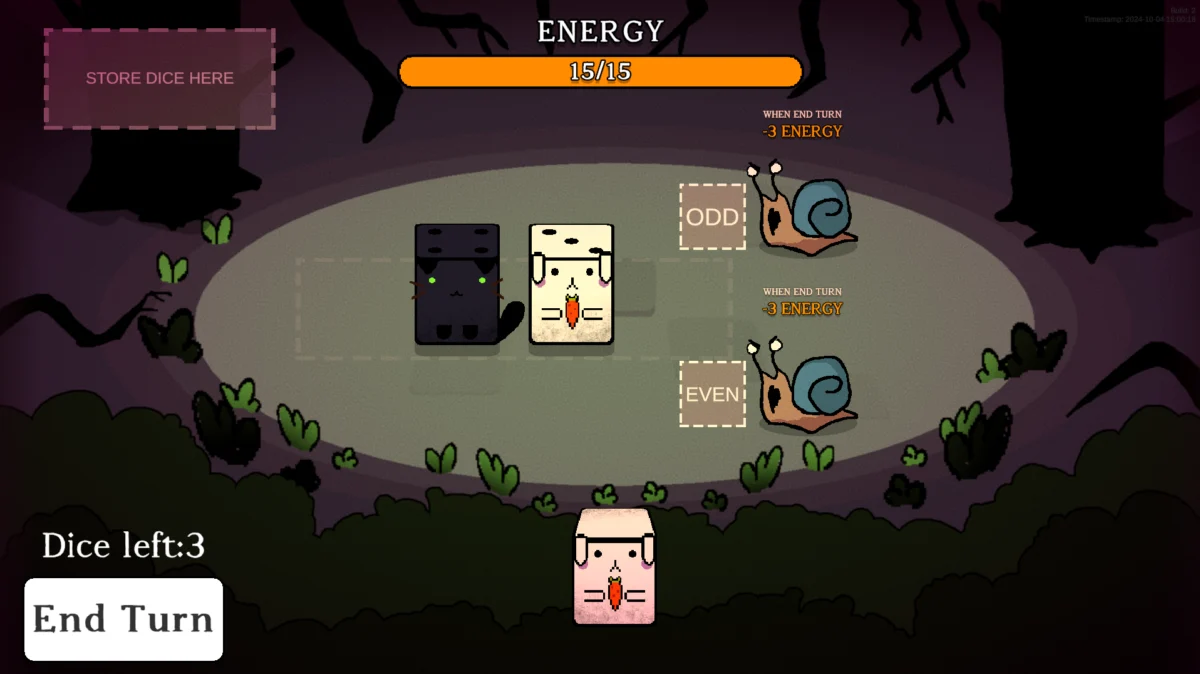
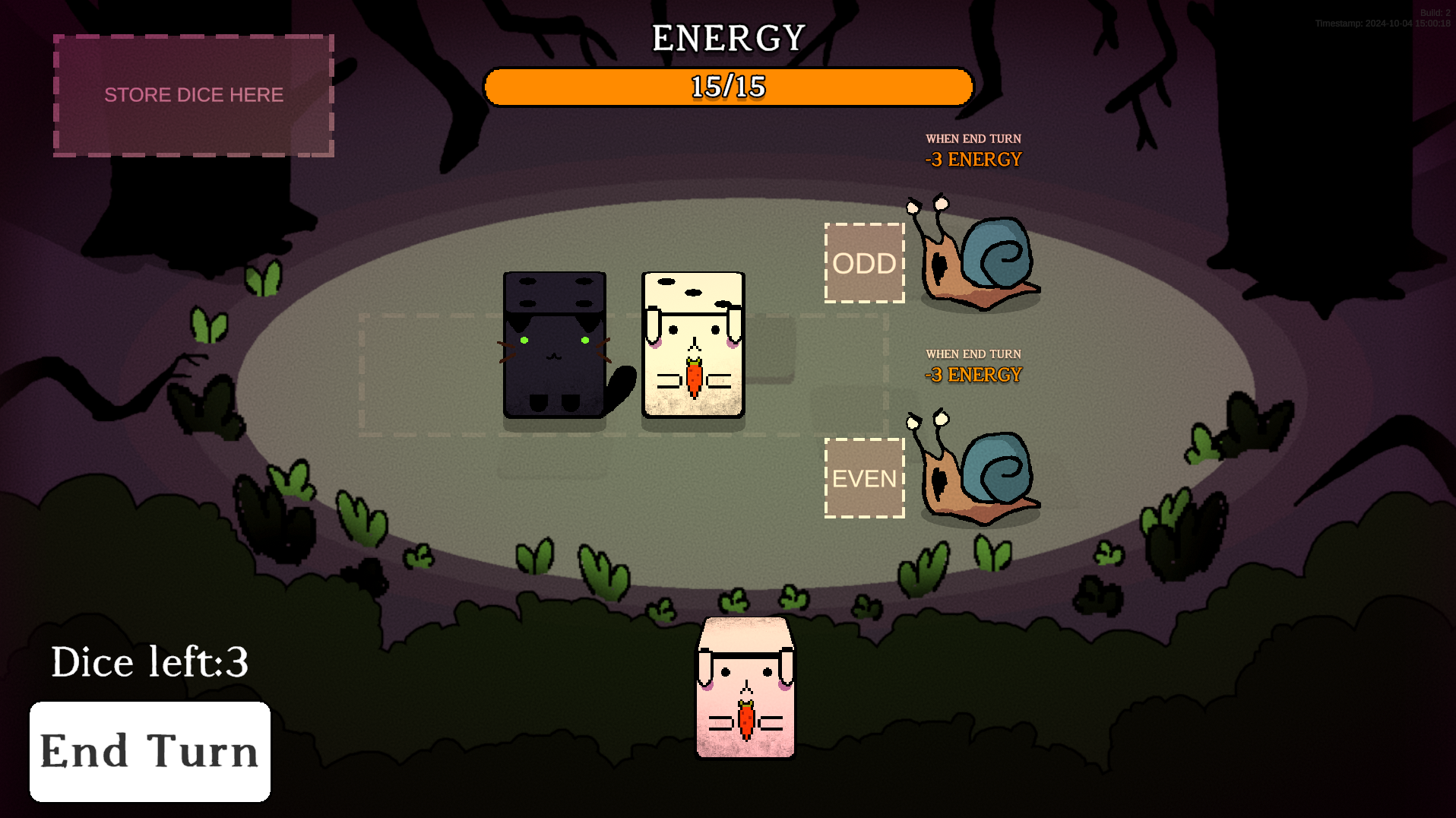
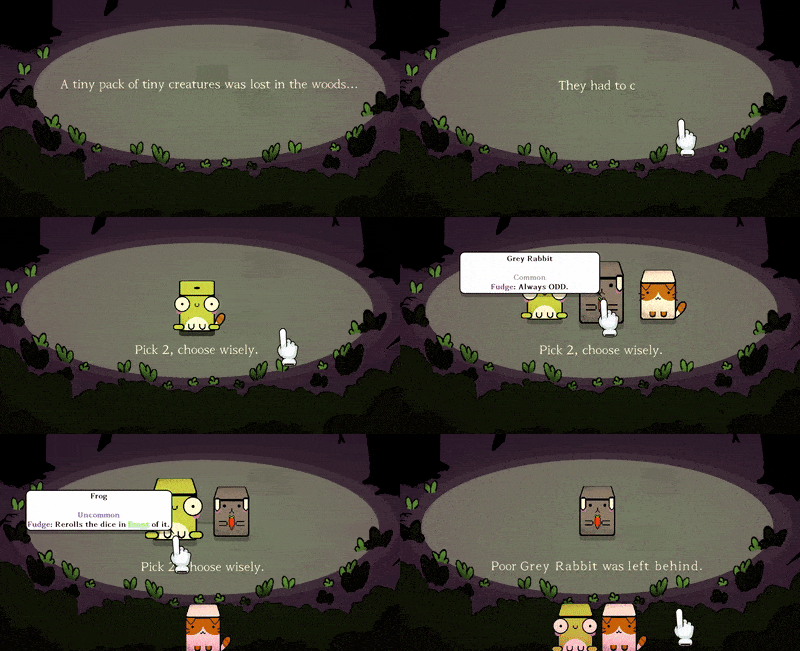
- TINY PACK: This title stands out for its sophisticated blend of genres. By integrating deck-building mechanics with turn-based strategy, it offers a deep, tactical experience that feels far more expansive than its short development cycle would suggest. Players navigate a woodland setting, using dice-based abilities to manage their creature squad.
- Critter Switcher: Focusing on exploration, this pixel-art roguelike tasks players with navigating a garden environment. It succeeds by grounding its procedural generation in a cozy, intimate aesthetic.
- Combo Critters: Taking a more traditional route, this card-battler rewards players for building synergistic teams. It is a prime example of how clean, focused design can create a compelling competitive loop.
Puzzle and Simulation Mechanics
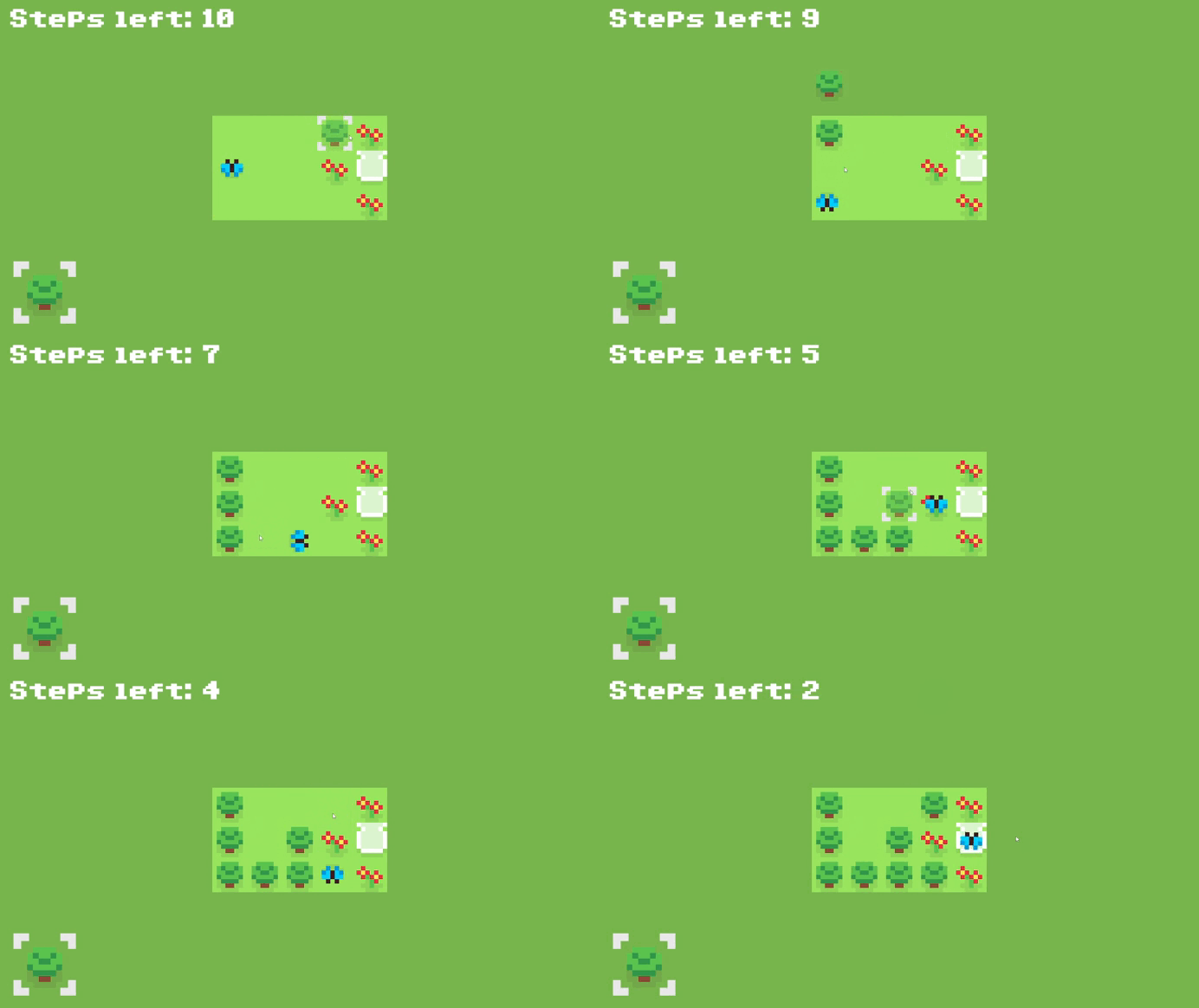
- Butterjar: A triumph of minimalism. With 13 levels designed to be completed in roughly 10 minutes, Butterjar respects the player’s time while providing a satisfying puzzle-platformer experience.
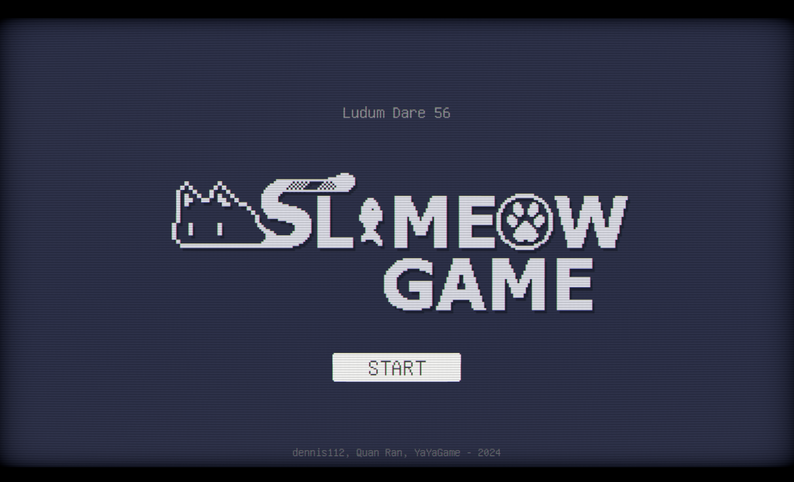
- Slimeow Game: This project is a fascinating hybrid of the tower defense and incremental genres. By allowing players to breed creatures and defend a pond, it captures the "tiny creature" aesthetic while satisfying the player’s desire for growth and automation.
- Candyween: With a seasonal flair, this isometric puzzle game blends the "tiny" theme with Halloween aesthetics. Controlling a cat on a mission to assist a witch, the game uses its perspective to make standard puzzles feel fresh and engaging.
- Tiny Apple: For those who prefer a low-pressure experience, Tiny Apple offers an idle simulation. Its one-button mechanics represent the pinnacle of accessible game design—simple to pick up, yet effective in its emotional delivery.
Narrative and Artistic Expression
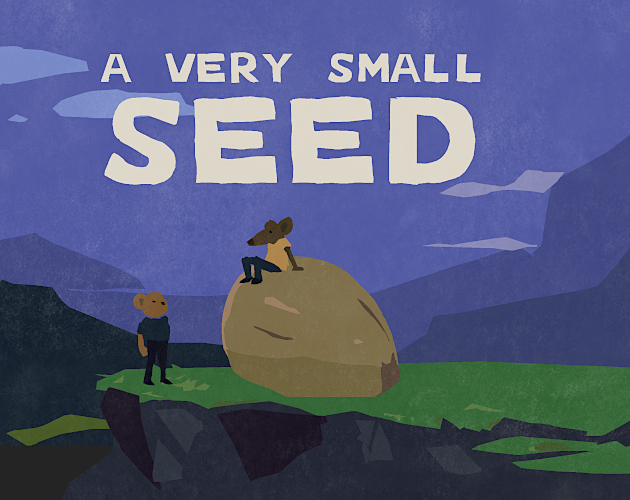
- A very small seed: This game prioritizes atmosphere. Using hand-drawn art, it tells a poignant story about two creatures on a journey. It is a reminder that game jams are a viable venue for emotive, short-form storytelling.
- Would You Still Love Me?: Perhaps the most thematically bold entry, this narrative adventure explores the existential question of transformation. It challenges the player to consider how their relationship with an entity might change if that entity were suddenly reduced to a "tiny creature."
- GO BLO: This game focuses on crowd mechanics. By tasking players with collecting followers to solve puzzles, it plays with the concept of scale, effectively using the "tiny" theme to create a sense of gathering strength in numbers.
Supporting Data: The Impact of Jam Culture
The data surrounding Ludum Dare 56 confirms the event’s status as a critical pillar of the gaming industry. According to itch.io metrics, the "Ludum Dare 56" tag has become one of the most active repositories of new content for the month of October.

These events serve as a primary recruitment and training ground. Many developers who now work at AAA studios cite their early experiences in Ludum Dare as the moment they learned to prioritize the "player experience" over "feature creep." By forcing developers to deliver a "gold master" version of their vision in 72 hours, the jam creates a high-pressure simulation that mimics the realities of professional deadlines.
Official Perspectives
In a statement regarding the event, organizers noted that the quality of submissions has seen a steady upward trajectory over the last decade. "The level of polish we see in 48-hour games today would have been considered a multi-week project years ago," said an itch.io representative. "This is largely due to the democratization of game engines like Godot, Unity, and GameMaker, as well as the abundance of open-source asset libraries."
Developers have echoed this sentiment, noting that the community feedback loop on platforms like itch.io is what keeps them returning. "It’s not just about winning," one participant remarked. "It’s about the fact that 50 people played my tiny game and left a comment about how much they enjoyed the jumping physics. That is worth more than any prize."
Implications: The Future of Rapid Development
The success of Ludum Dare 56 signals several shifting trends in the indie scene:
- The Rise of "Micro-Games": There is a growing audience for games that can be consumed in a single sitting. As players face increasing fatigue from "live service" games that demand hundreds of hours, the bite-sized, high-concept experiences from Ludum Dare are finding a new, appreciative audience.
- Cross-Genre Innovation: By forcing developers to combine seemingly disparate tags (e.g., "Tower Defense" + "Incremental"), these jams are effectively a laboratory for new mechanics. Many of the most successful commercial indie games began as successful "experiments" in a game jam.
- Browser-Based Dominance: The emphasis on browser-playable games continues to remove the barrier to entry. This ensures that the barrier between "developer" and "player" remains thin, allowing for a more democratic and inclusive ecosystem.
Conclusion
Ludum Dare 56 has once again proven that constraints are the ultimate muse. By focusing on "Tiny Creatures," developers were able to explore themes of vulnerability, growth, and strategy in ways that large-scale titles often overlook. Whether you are a seasoned developer looking for inspiration or a player seeking unique, bite-sized experiences, the archives of this jam are a testament to the enduring power of creative ingenuity.
As the industry continues to evolve, these jams will remain the essential proving ground where the next generation of game design ideas is born, iterated upon, and shared with the world. To explore the full catalog of these miniature masterpieces, users are encouraged to visit the official Ludum Dare 56 tag on itch.io and participate in the ongoing conversation.