The Micro-Universe of Innovation: Reflecting on Ludum Dare 56 and the Power of "Tiny Creatures"
The global independent game development community recently concluded one of its most anticipated recurring spectacles: Ludum Dare 56. Following its official wrap-up on October 7, 2024, the jam has left a lasting footprint on the digital landscape of itch.io. With a theme as evocative as "Tiny Creatures," the event challenged thousands of developers to condense their creative visions into 48-hour (Compo) or 72-hour (Jam) development sprints.
The resulting output—a staggering collection of over 800 distinct projects—serves as a testament to the agility and ingenuity of the modern indie developer. This article provides an in-depth analysis of the event, highlights standout projects, and explores the broader implications of these short-form game jams on the industry at large.

Main Facts: The Anatomy of Ludum Dare 56
Ludum Dare is more than a contest; it is a collaborative pressure cooker that forces designers to strip away the "bloat" of modern game development. The core constraint of the 56th iteration was the theme "Tiny Creatures." This theme allowed for a wide interpretation, ranging from literal biological microorganisms to metaphorical representations of power, scale, and the struggle of the small against the vast.

The event saw participants from across the globe, utilizing engines ranging from Unity and Godot to custom-built web frameworks. The sheer volume of submissions on itch.io—now the primary hub for these entries—highlights a shift toward accessible, browser-based gaming experiences that prioritize immediate engagement over high-fidelity graphical requirements.
Chronology: From Concept to Submission
The journey of Ludum Dare 56 followed a rigid, time-tested schedule designed to maximize creative throughput:
- Pre-Jam Phase: The theme selection process, where the community vetted and voted on hundreds of proposals, ultimately landing on "Tiny Creatures."
- The Launch (October 4): The "go" signal was given, marking the beginning of the 72-hour window.
- The Crunch (October 5–6): Participants engaged in rapid prototyping, asset creation, and bug fixing.
- Submission Deadline (October 7): The cutoff for entries.
- Post-Jam Evaluation (October 7–Present): A period of community peer review and curation, culminating in the highlighting of top-tier projects by platform curators.
Supporting Data: Curated Highlights and Industry Trends
The diversity of the entries this year was striking. While many jams lean heavily into singular genres, Ludum Dare 56 saw a proliferation of unique mechanics. Below is a curated look at the projects that stood out for their innovation and adherence to the theme.
1. The Art of Management: Creature Packets and Build The Sun
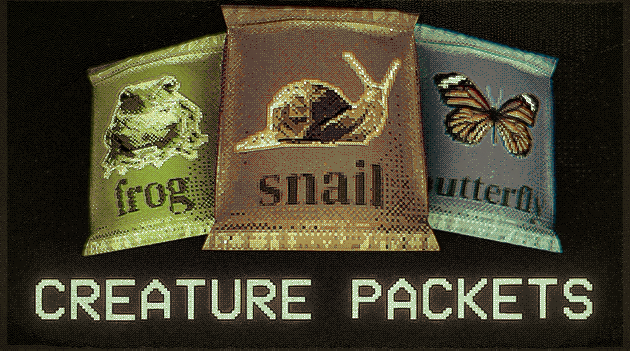
- Creature Packets: Utilizing a nostalgic PS1-era aesthetic, this game turns the act of creation into a domestic chore. By using a microwave to "revive" creatures from packets, the developer taps into the uncanny, blending retro-tech with biological curiosity.
- Build The Sun: A masterclass in scale. Players begin with a small fire and, through exploration and resource management, work to grow that flame into a celestial body. It is a poignant meditation on the transition from the "tiny" to the "infinite."
2. Colony Builders and Incremental Systems
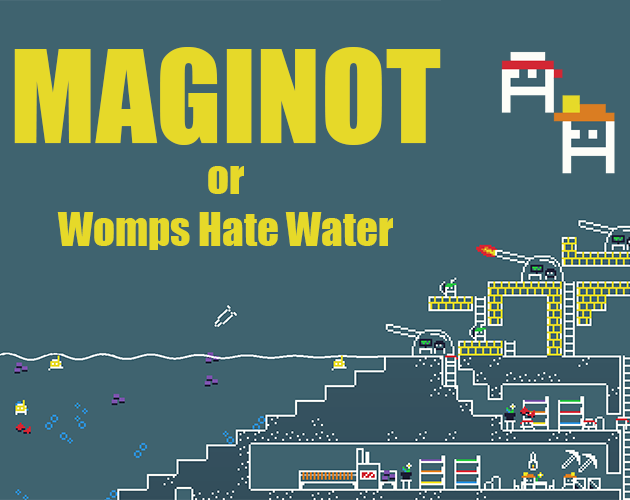
- Maginot: This browser-based incremental title focuses on the defensive struggle of a colony. By digging for resources to build defenses against the sea, it highlights the "tiny" struggle of a civilization fighting for survival against an overwhelming, indifferent force of nature.
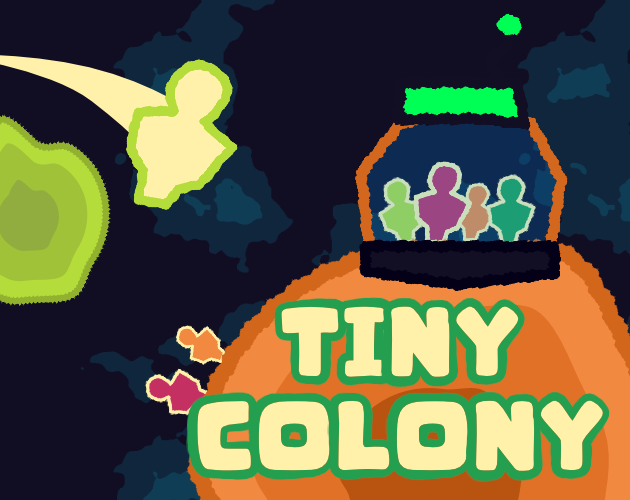
- Tiny Colony: Utilizing an "interplanetary slingshot" mechanic, this game forces players to manipulate gravity to transport creatures across the cosmos. It stands out for its physics-based puzzle design.
3. Strategy and Subversion
- Vox Regis: Perhaps the most experimental entry, this strategy game uses voice recognition as a core mechanic. Players act as a king manipulating rebellious factions. It is a clever take on the theme, interpreting "Tiny Creatures" as the unruly, small groups of subjects a ruler must manage through misinformation.
4. Hidden Objects and Puzzles
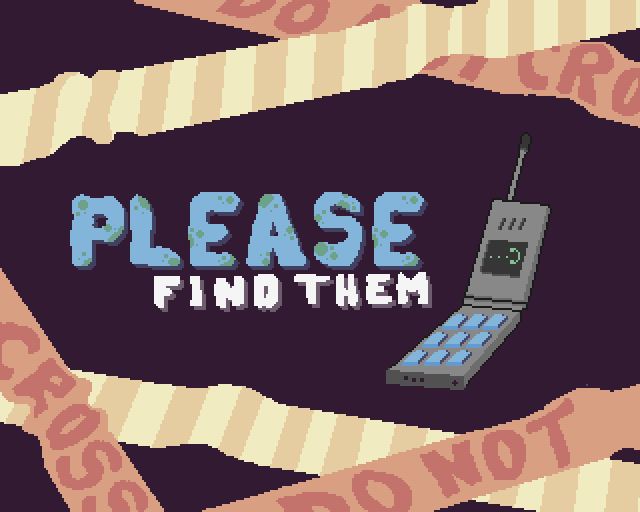
- Please Find Them: A straightforward yet effective take on the hidden-object genre, placing the player in the shoes of an exterminator tasked with finding creatures that have shrunk within a domestic environment.
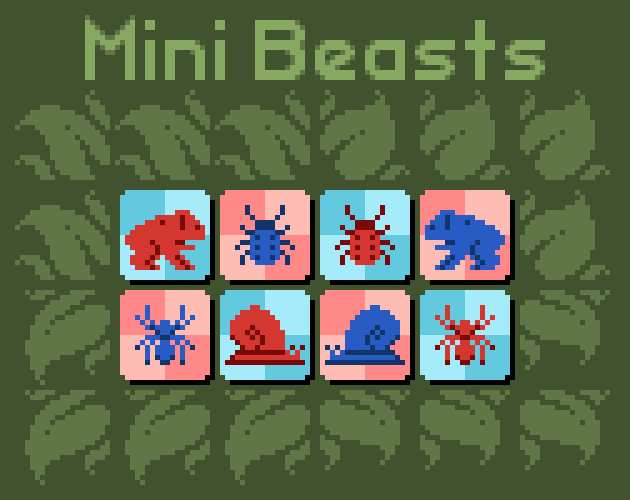
- Mini Beasts: A clean, satisfying puzzle game centered on color-matching, proving that even with a tight time constraint, minimalist design remains a king of game jams.
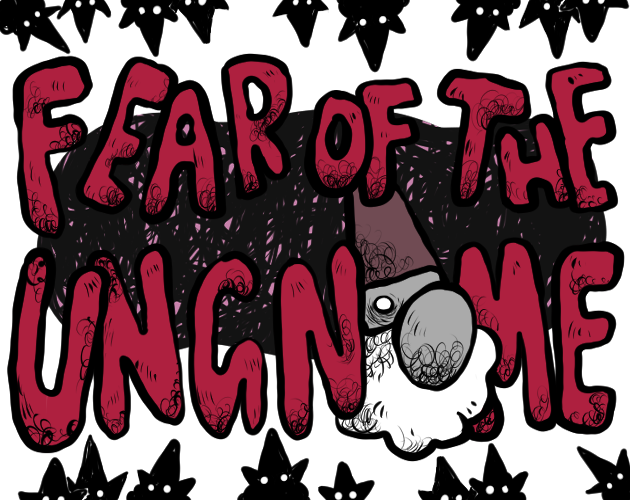
- Fear of the Ungnome: This first-person puzzle game incorporates procedural generation to create a unique quest for a missing gnome, demonstrating how even small, jam-based games can provide high replayability.
5. Combat and Survival
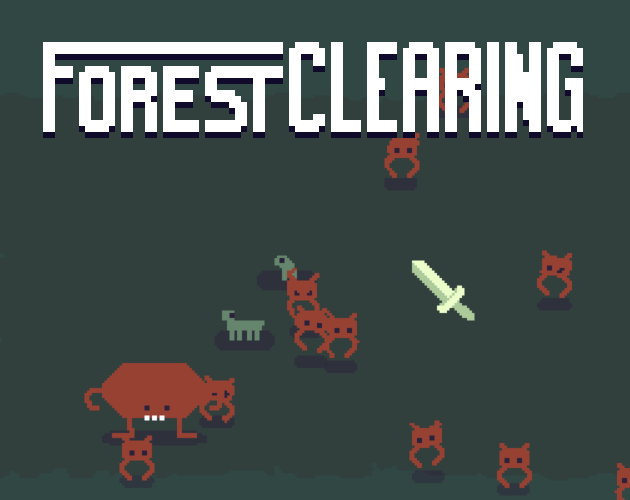
- FOREST CLEARING: A brutal juxtaposition of nurturing and harvesting. Players must protect their forest friends while simultaneously using them as a resource for upgrades. It is a dark, humorous commentary on the transactional nature of player-driven survival games.
Official Perspectives: The Value of the "Tiny"
The itch.io curatorial team, in their reflections on the event, noted that the quality of submissions has reached a new plateau. "The constraint of 48 to 72 hours forces developers to find the ‘fun’ first," a spokesperson remarked. By removing the ability to spend months on polish, developers are forced to rely on "core loops"—the fundamental, satisfying actions that make a game worth playing.
Furthermore, the prevalence of web-based games in this year’s top list underscores a movement toward "frictionless gaming." Developers are increasingly opting for platforms that allow users to play immediately in a browser rather than forcing a lengthy download/install process, which significantly increases the potential audience for jam projects.
Implications: The Future of Rapid Development
The success of Ludum Dare 56 carries significant implications for the wider gaming industry:
- Lowering the Barrier to Entry: The rise of sophisticated, accessible browser-based tools means that the next generation of indie developers does not need a high-end PC or thousands of dollars in licensing fees to create a compelling, marketable product.
- Prototyping as a Development Philosophy: Many of the games listed above began as simple ideas but possess "hooks" that could easily be expanded into full commercial titles. Studios are increasingly looking at these jams as "idea incubators."
- Community-Led Curation: The role of platforms like itch.io in hosting and promoting these events has become the new standard for discovery. Traditional game journalism is being supplemented, and sometimes replaced, by community-driven lists and peer-review systems.
- Thematic Resonance: The theme "Tiny Creatures" proved to be a masterstroke, not just because of its cuteness, but because it forced developers to think about scale—a fundamental element of game design. Whether it was the size of the creatures or the size of the world they inhabited, the theme challenged creators to manipulate the player’s perception of "bigness."
Conclusion
Ludum Dare 56 was a vibrant display of what is possible when creative constraints are applied with rigor. The games produced are not merely "jams"; they are experiments in game design, often punching far above their weight class. As the industry continues to consolidate around massive, multi-year projects, the agility shown by the participants of Ludum Dare 56 serves as a vital reminder that the heart of gaming—innovation, surprise, and fun—can often be found in the smallest of places.
Whether you are a developer looking for inspiration or a player seeking unique, bite-sized experiences, the catalog of Ludum Dare 56 on itch.io is a treasure trove of innovation. The community’s challenge now is to take these "tiny" sparks and see which ones will grow into the next great indie successes.