Bridging the Gap: How the New Headlamp Cluster API Plugin is Transforming Kubernetes Lifecycle Management
By Chayan Das (Independent)
Thursday, June 25, 2026
In the rapidly evolving landscape of cloud-native infrastructure, the complexity of managing Kubernetes clusters at scale has become a significant bottleneck for platform engineering teams. While the Cluster API (CAPI) sub-project has successfully introduced declarative, Kubernetes-style APIs to lifecycle management, it has historically demanded a steep learning curve, often tethering operators to raw kubectl commands and complex YAML hierarchies.
Today, that paradigm shifts with the release of the Headlamp Cluster API plugin. By integrating deep, visual CAPI management into the extensible Headlamp browser-based UI, this new tool promises to provide the clarity, speed, and intuitive control that platform teams have long sought.
The Complexity of Kubernetes Lifecycle Management
For the uninitiated, the Cluster API is the gold standard for managing the lifecycle of Kubernetes clusters. It allows teams to provision, upgrade, and operate clusters using the same declarative principles they use for their applications. However, as organizations grow, the management cluster—the "brain" that oversees the lifecycle of other clusters—becomes a dense web of Custom Resource Definitions (CRDs).
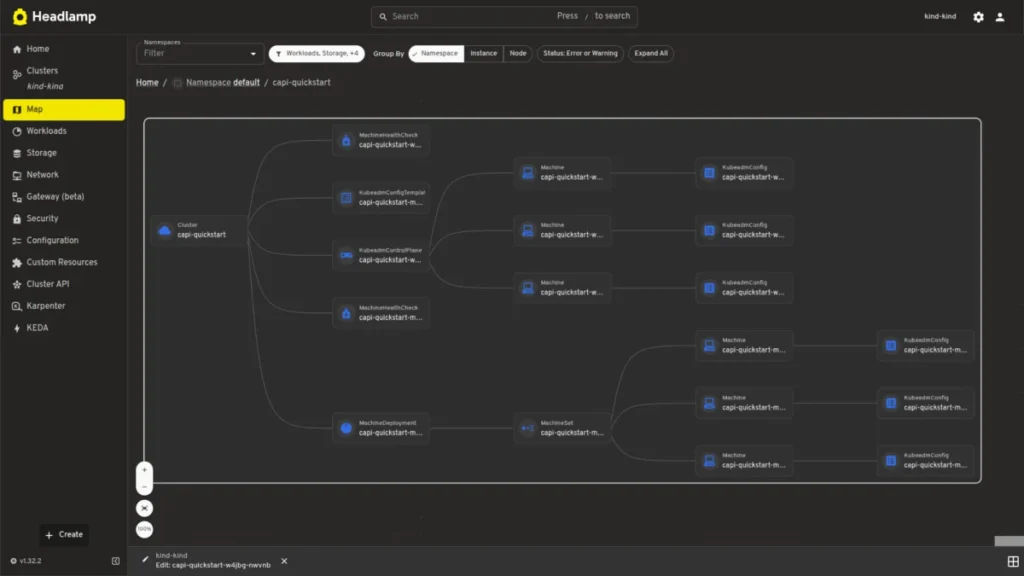
Navigating the ownership hierarchies between MachineDeployments, MachineSets, KubeadmControlPlanes, and individual Machines requires a level of mental mapping that is prone to human error. Troubleshooting a stalled cluster upgrade often involves bouncing between terminal windows, piping outputs to jq, and manually validating status conditions across multiple API versions. The Headlamp Cluster API plugin was engineered to collapse this complexity into a unified, graphical interface.
Chronology: From Concept to Alpha Release
The journey of this plugin is rooted in the CNCF’s LFX Mentorship program. Developed over several months of intensive collaboration, the project moved from a problem-definition phase—where the core usability hurdles of CAPI were identified—to a rapid prototyping cycle.

- Phase 1 (Requirements Gathering): The initial focus was on understanding the daily friction points for platform engineers. Conversations with the community highlighted the need for better "at-a-glance" visibility into cluster health and a more intuitive way to scale resources without relying on CLI-based patch operations.
- Phase 2 (Architectural Design): Developers focused on ensuring the plugin could handle the dynamic nature of CAPI, including support for both
v1beta1andv1beta2versions. This required a flexible UI that could adapt to changing API structures. - Phase 3 (Implementation & Integration): The team integrated the plugin with Headlamp’s existing architecture, focusing on performance and responsiveness. Key features like the "Map View" and Prometheus integration were prioritized to provide actionable insights rather than just raw data.
- Phase 4 (Alpha Launch): With the release on June 25, 2026, the plugin is now available for community testing, marking a major milestone in the Headlamp roadmap.
Supporting Data: Feature Matrix at a Glance
To understand the utility of this plugin, one must look at the specific operational tasks it optimizes. By replacing CLI-heavy workflows with structured dashboards, the plugin significantly lowers the "time-to-remediation" for common cluster issues.
| Feature | Operational Benefit |
|---|---|
| Cluster Overview | Real-time tracking of control plane and worker replica status. |
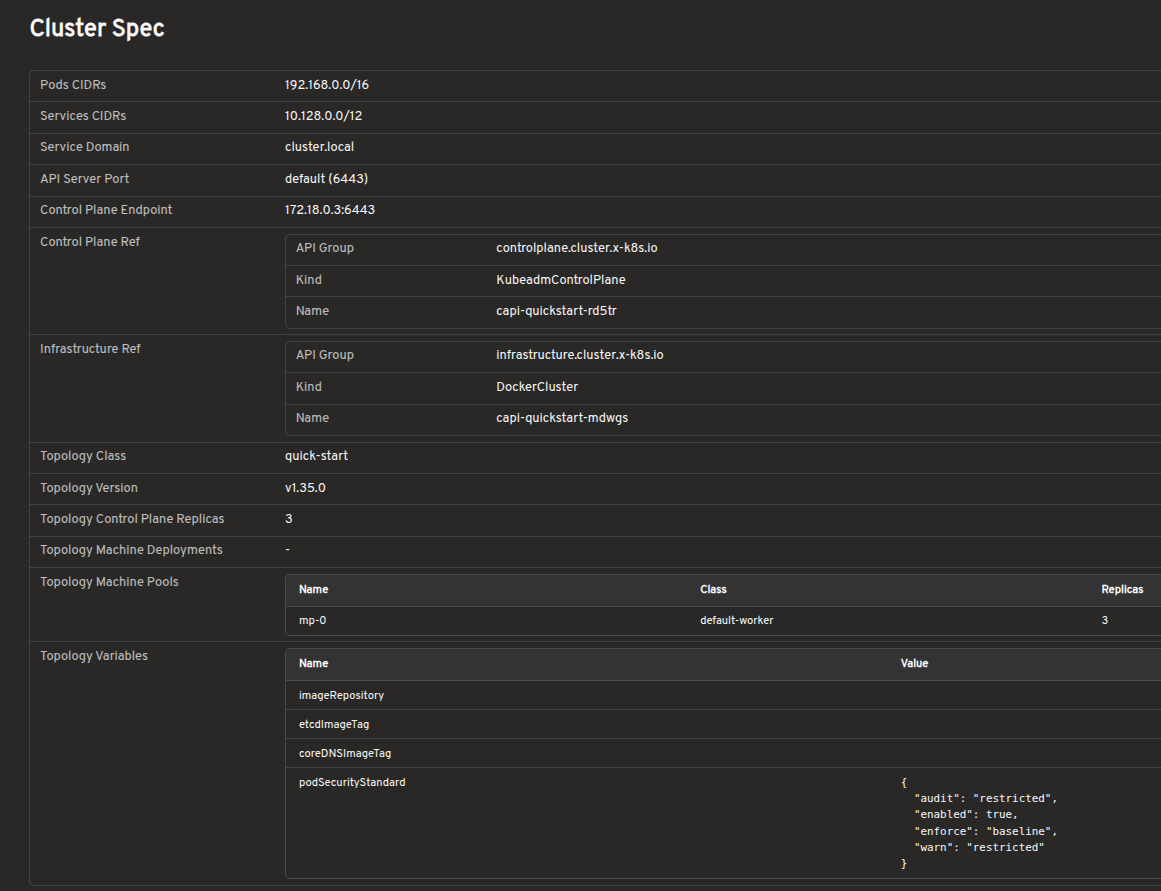
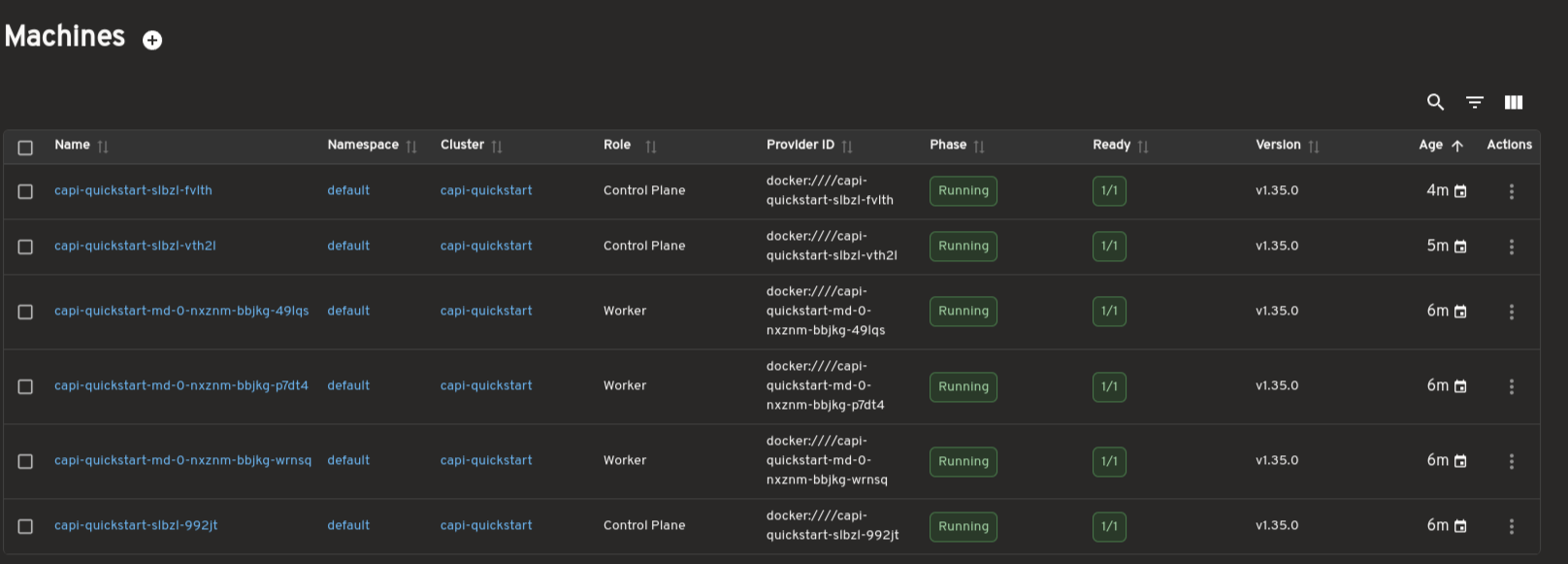
| Machine Visibility | Deep inspection of MachineDeployments and MachinePools. |
| Cluster API Dashboard | Centralized health scoring and active condition monitoring. |
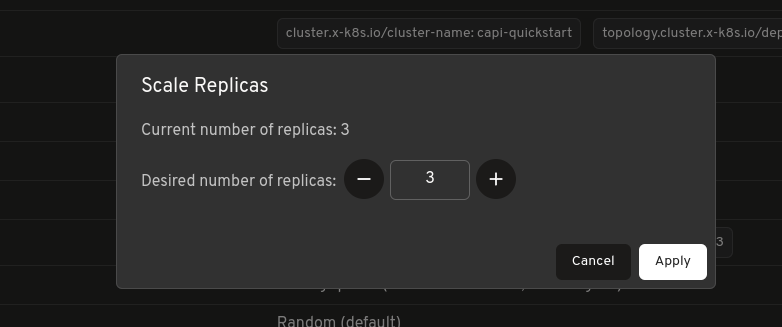
| Scale from UI | Eliminates manual kubectl scale commands for workers. |
| Owned Resource Hierarchy | Visualizes the relationship between parent and child objects. |
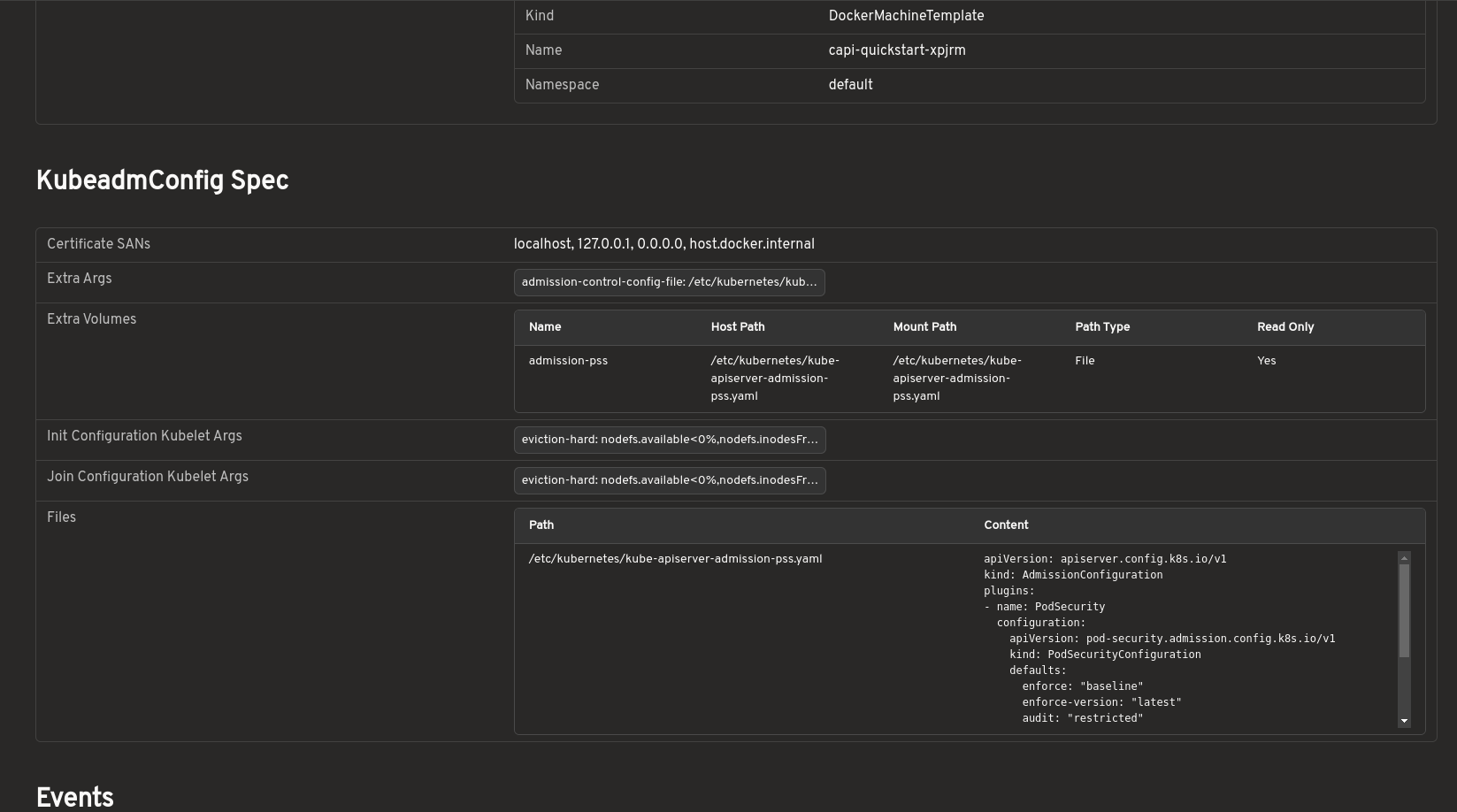
| KubeadmConfig Inspection | Parses bootstrap secrets into a human-readable format. |
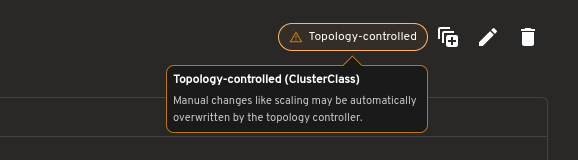
| Topology Awareness | Automatically identifies and labels ClusterClass objects. |
| Prometheus Metrics | In-place performance metrics for faster root-cause analysis. |
Official Perspective: Simplifying the Operator Experience
The development of this plugin was not merely about building a UI; it was about defining a new standard for how operators interact with the Cluster API.
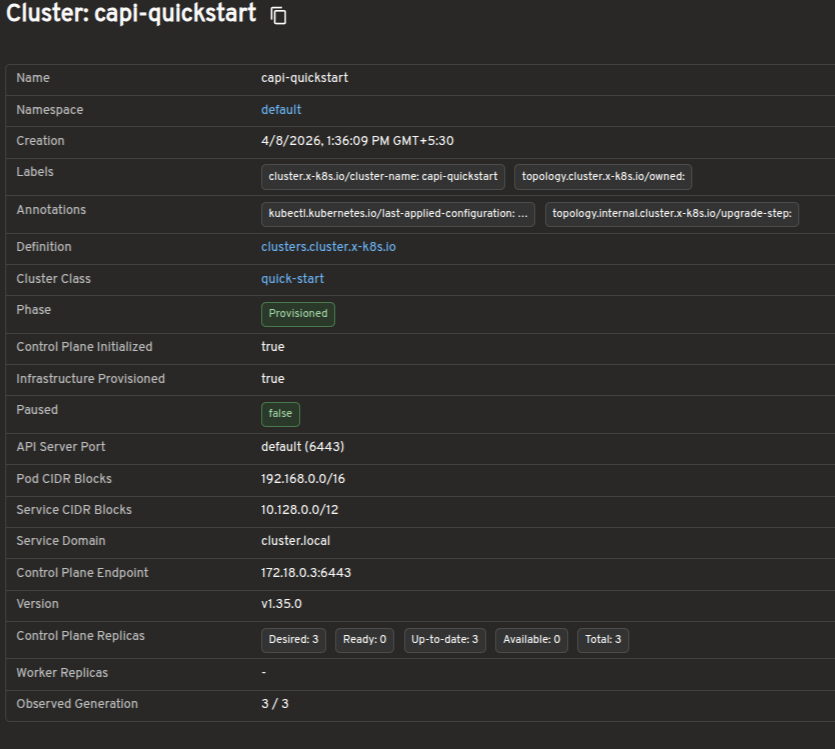
"The goal was to provide clarity where there was previously only abstraction," noted the development team during the project’s retrospective. "By providing a dedicated CAPI dashboard, we allow engineers to see the health of their entire fleet at a glance. When a node fails or a rollout hangs, the plugin doesn’t just show the status; it provides the diagnostic context necessary to fix the issue immediately."
The project’s reliance on the Headlamp ecosystem—which is built for extensibility—allowed the team to create a "plugin-first" approach. This means that if a team has specific needs—such as custom health checks—they can build upon the existing CAPI foundation without having to rebuild the entire management interface.
Implications: The Shift Toward Visual Operations
The release of this plugin signals a broader trend in the Kubernetes ecosystem: the move away from the "CLI-only" culture toward "Visualized Operations."
1. Lowering the Barrier to Entry
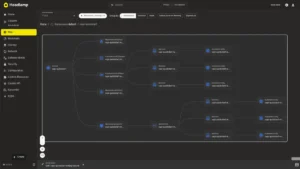
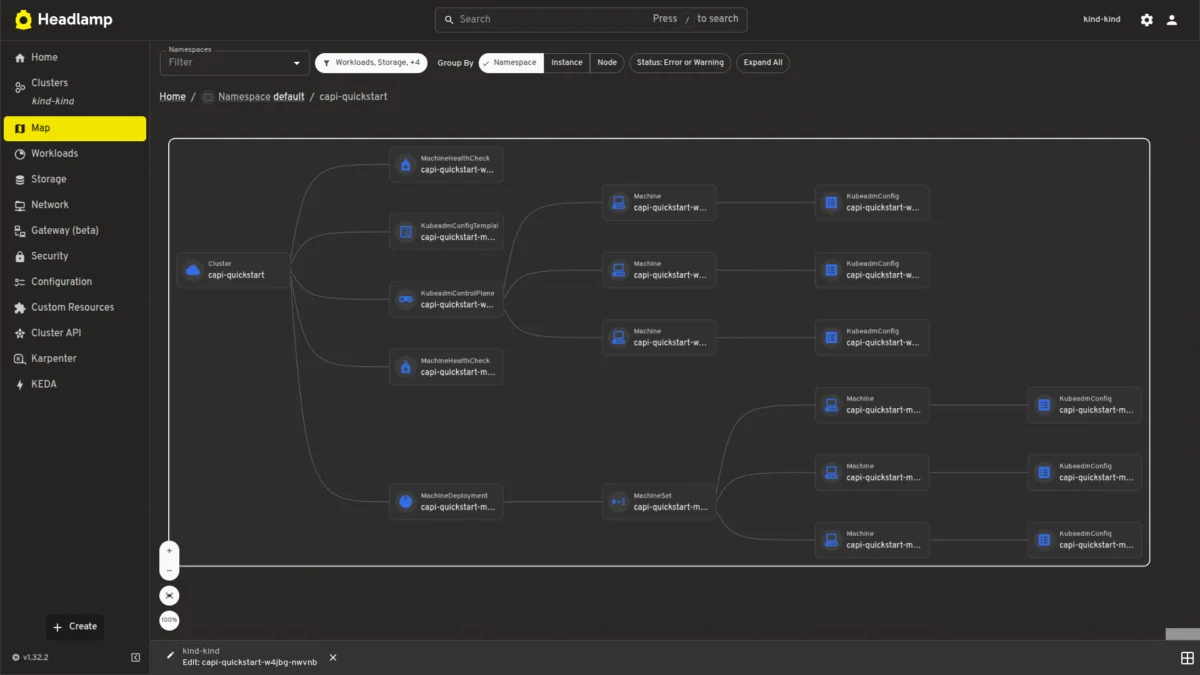
By visualising the CAPI lifecycle, junior platform engineers can learn the nuances of cluster management significantly faster. The "Map View," which illustrates the hierarchy of clusters and their constituent machines, turns an abstract tree of objects into a digestible, interactive diagram.
2. Reducing MTTR (Mean Time To Recovery)
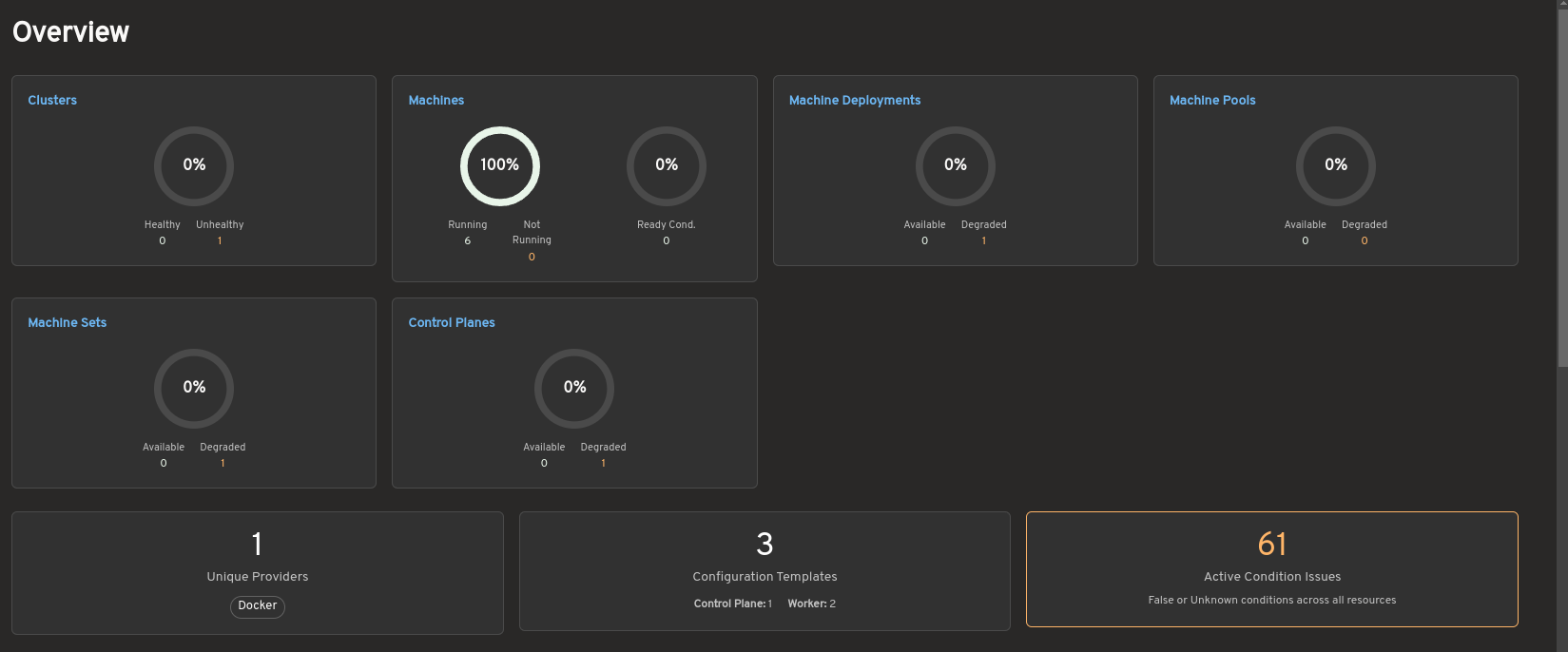
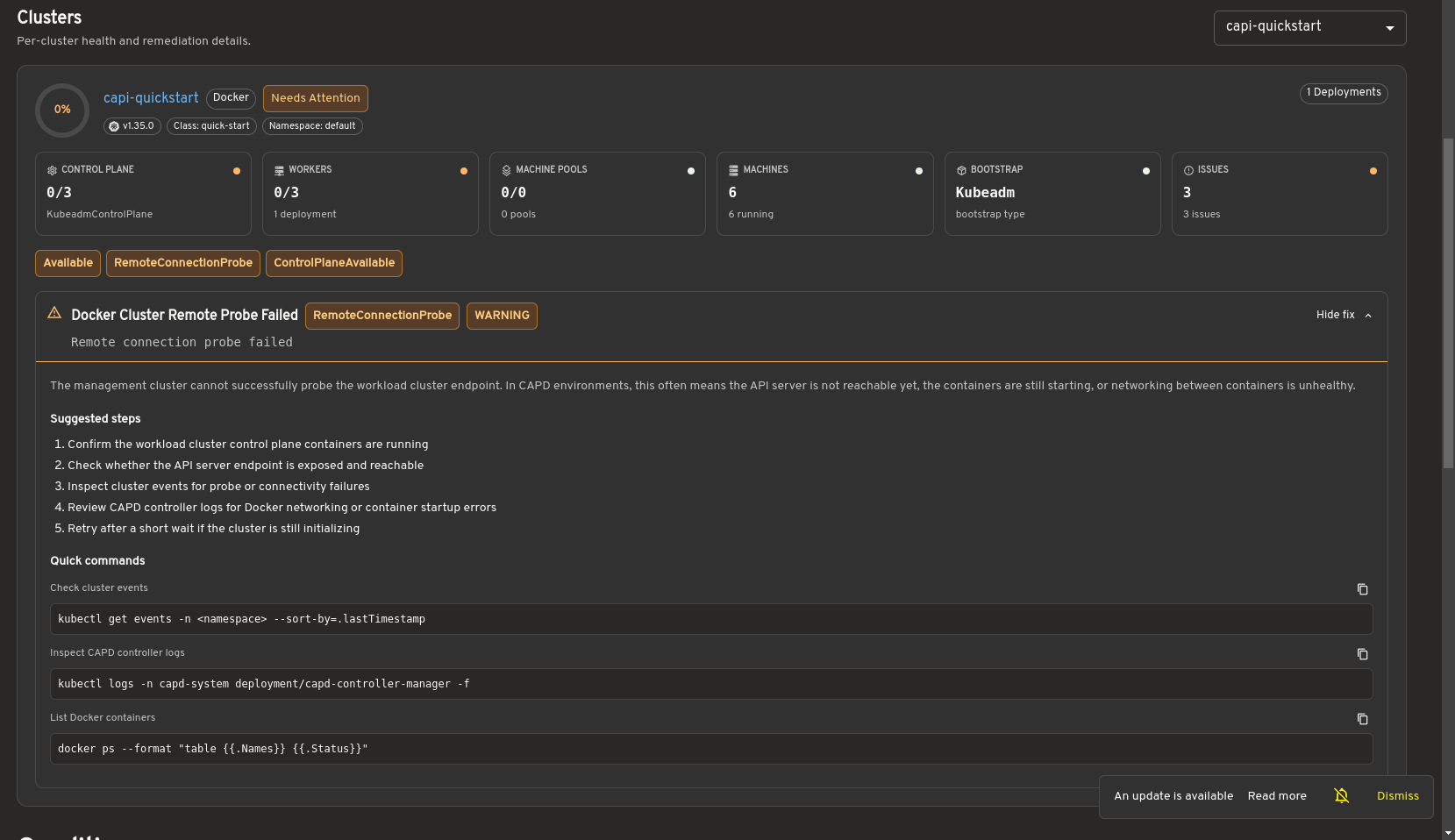
Traditionally, identifying why a MachineDeployment is stuck requires querying multiple objects. With the new dashboard, these issues are surfaced through "active condition alerts." An operator can click on an unhealthy cluster and immediately see the specific conditions preventing progress, significantly reducing the time spent debugging in the terminal.
3. Integrating Monitoring and Management
One of the most critical implications is the integration with Prometheus. By surfacing metrics directly within the context of a Machine or Cluster detail page, the plugin eliminates the need for context switching between a monitoring dashboard (like Grafana) and the management tool (Headlamp). This "in-place" monitoring is a game-changer for day-to-day operations.
A Call for Community Participation
As the Headlamp Cluster API plugin enters its Alpha phase, the focus shifts to community adoption and iterative improvement. The developers have emphasized that this is a "living project." Because it was born out of the CNCF LFX Mentorship, it carries the spirit of open-source collaboration: the belief that the best tools are built by the people who use them every day.
"We want to know what breaks," the team stated. "We want to know which views are missing and how we can make the scaling operations safer and more intuitive."
The project invites all platform engineers, site reliability engineers (SREs), and Kubernetes operators to test the plugin. Whether you are managing a single development cluster or a global fleet of production environments, your feedback will directly influence the roadmap for the Beta and GA releases.
Conclusion
The Headlamp Cluster API plugin is more than just a convenience tool; it is a necessary evolution for the Cluster API ecosystem. As Kubernetes usage grows, the burden of managing lifecycle operations must be mitigated by better tooling. By bringing professional-grade, visual management to the browser, the Headlamp team has provided a blueprint for how we can make Kubernetes more accessible and manageable for everyone.
To get started, developers can find the full documentation and source code in the official Headlamp plugins repository. As the community begins to adopt this tool, it is highly likely that the "raw YAML" era of cluster management will begin to fade, replaced by the clarity and efficiency of the new visual standard.
For those interested in contributing to the project or providing feedback, please visit the official GitHub repository or join the Headlamp community discussions. Your input is the catalyst for the next generation of Kubernetes tooling.