Reclaiming the Mobile Experience: An In-Depth Look at the iodéOS Ecosystem
In an era where personal data has become the world’s most valuable commodity, the smartphone in your pocket often functions as a silent informant. For most, the choice is binary: submit to the tracking-heavy ecosystems of Google and Apple or abandon the convenience of modern mobile computing entirely. However, a growing movement of privacy-focused projects is challenging this status quo. Among them, iodéOS stands out as a unique bridge between high-level digital privacy, sustainable hardware consumption, and everyday usability.
Recently, I sat down with Brian, a key figure behind the iodé project, to discuss the evolution of this de-Googled Android distribution, its core philosophy, and how it navigates the complex landscape of modern mobile security.
The Philosophy: Privacy Without Sacrifice
At its core, iodéOS is an Android-based operating system designed to strip away the telemetry and tracking mechanisms inherent in stock Android distributions. Unlike many “hacker-centric” ROMs that demand technical mastery, iodé is built with the average consumer in mind.
"iodé is a project that is interested in making sure that there’s a privacy-based Android distribution that is also very easy to use," Brian explains. "We want normal users to feel they can use it conveniently."
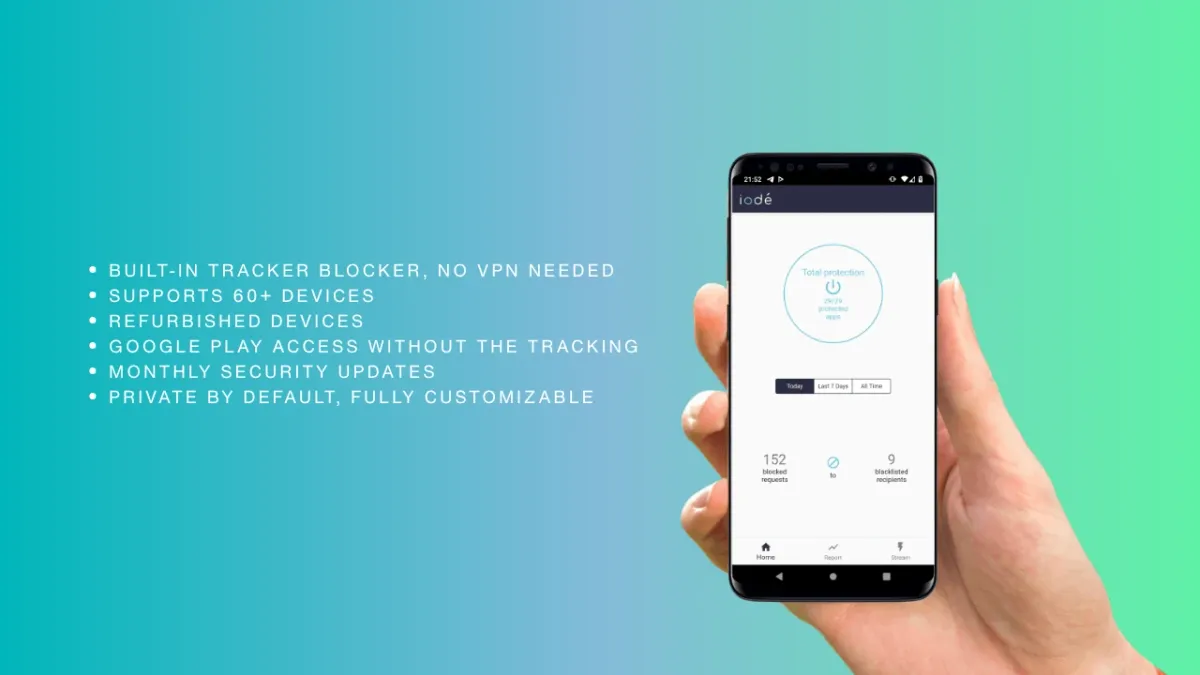
The project’s standout feature is its integrated, system-wide tracker blocker. Acting as a firewall, it provides users with unprecedented visibility into their device’s network traffic. It logs exactly which connections an application or a browser is attempting to make, effectively stopping ads and trackers at the source. Because this is built directly into the operating system, it offers a distinct advantage: it does not hijack the device’s VPN slot, leaving that channel open for users who require encrypted tunnels for their traffic.
Chronology of a Privacy Alternative
The project began as an answer to a growing frustration within the tech community: the bloatware and surveillance inherent in manufacturer-specific versions of Android, such as those from Xiaomi or OPPO.
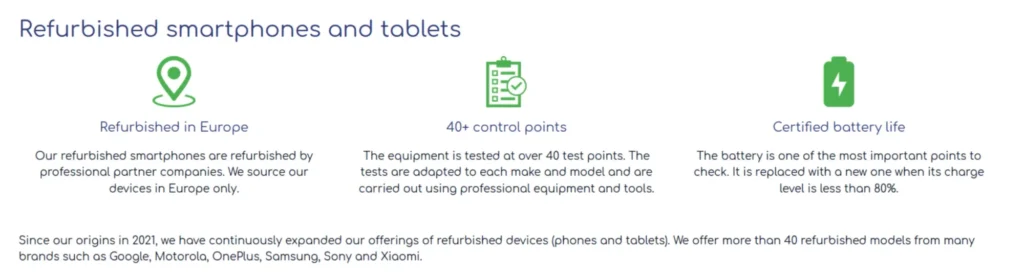
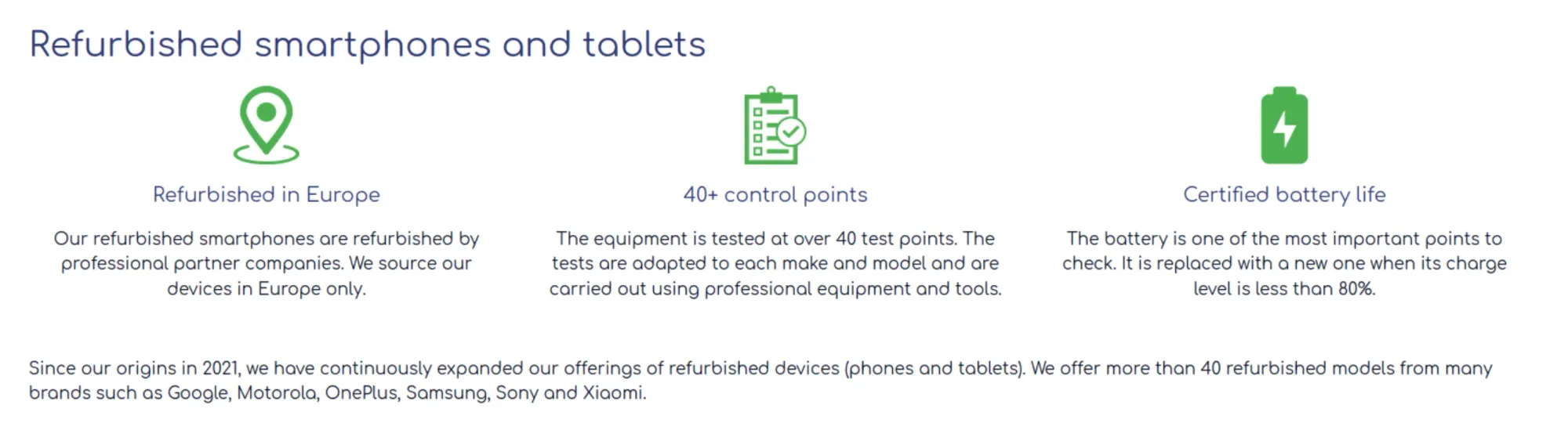
While the project is technically a derivative of the LineageOS ecosystem, it has carved its own path by prioritizing "privacy by default." Over the past few years, the project has expanded from a niche hobbyist tool to a professional-grade alternative. They have successfully moved beyond software development, establishing a hardware storefront that offers both new and professionally refurbished devices. This shift represents a maturation of the project, moving from "we provide the code" to "we provide a complete, ready-to-use solution."
Supporting Data and User Adoption
Despite a strict no-tracking policy—a rarity in the modern tech industry—the team has managed to gauge the project’s impact through voluntary engagement and download statistics.
"We do not keep any information on our user base," Brian notes. "However, in the last two years, we have seen a quarter of a million downloads."
The project estimates that there are currently over 10,000 active daily drivers of iodéOS. Perhaps most surprising is the geographic spread; despite the team not actively marketing or selling their hardware in the United States, there has been a significant uptick in adoption among American users. This suggests that the demand for "de-Googled" hardware is becoming a global, grassroots movement that transcends regional availability.
App Compatibility and the "Google Problem"
The most significant hurdle for any de-Googled phone is the loss of the Google Play Store. iodé addresses this with a two-pronged strategy:
- F-Droid: A repository of free and open-source software.
- Aurora Store: An ingenious front-end for the Google Play Store.
"You can install any app that’s on Google Play without Google knowing which apps you are installing," Brian explains. "It doesn’t track you the same way Google Play does, but it gives you all the usability."
This approach allows users to spoof their device identity. If an app is geographically restricted or claims to be incompatible with your specific handset, the Aurora Store allows you to mimic a different device profile, bypassing arbitrary software locks.
The "Integrity" Challenge
The conversation inevitably turns to banking apps. Google’s "Play Integrity API" has become a common point of contention. While designed to prevent fraud, it is frequently used to block custom ROMs from running sensitive financial software. To counter this, iodé uses MicroG, an open-source emulator for Google Play Services. It tricks apps into thinking they are running on a Google-certified device. While this works for the vast majority of apps—including social media giants like Instagram and TikTok—some highly restrictive banking apps and proprietary hardware software (such as certain smartwatch companions) may occasionally stumble.
Sustainability: A Pillar of the Project
What separates iodé from many other privacy-centric ROMs is its commitment to ecological sustainability. The team is a staunch proponent of the circular economy, focusing heavily on refurbished devices.
"The best device you can always use is a device that’s already been built," Brian says.
By stripping away the "garbage" processes—the bloatware, telemetry agents, and background tracking services—that manufacturers pack into their ROMs, iodéOS is significantly more efficient than stock Android. This allows the OS to run smoothly on older hardware that would otherwise be considered obsolete. By revitalizing three-to-five-year-old flagships, the project is effectively keeping thousands of devices out of landfills.
The Broader Landscape: Competition or Collaboration?
The "Privacy Android" space is a small but vital community, including projects like /e/OS, LineageOS, and GrapheneOS. When asked about potential friction, particularly regarding security criticisms from projects like GrapheneOS, Brian remains diplomatic.
"I think anything that’s good for any of these projects is going to help the other projects," he argues. "We are all working with very limited resources. There’s no custom ROM developer with 30 developers. It would be wise if we didn’t do any sort of infighting."
The fundamental difference lies in scope. GrapheneOS prioritizes the highest possible security standard, currently limiting its support to Google Pixel hardware to maintain a locked bootloader and verified boot chain. iodé, conversely, aims for accessibility, supporting over 60 different devices.
"We try to respect the locked bootloader whenever we can," Brian explains. "But we also want to offer other hardware. If you are worried about security, you shouldn’t be running end-of-life devices—but we don’t want people to throw them in the bin either. We want to give them an alternative that isn’t spying on them."
Implications for the Future
The success of projects like iodéOS carries profound implications for the mobile industry. It signals that a segment of the population is willing to sacrifice "ecosystem lock-in" for the sake of autonomy.
Key Takeaways for the Consumer:
- Choice: You are not restricted to the software defaults imposed by your carrier or manufacturer.
- Longevity: Older devices can gain a "second life," reducing e-waste and saving money.
- Transparency: Through the iodé blocker, users finally have a granular view of their own data privacy.
As the industry moves toward more closed, restrictive models, projects like iodéOS act as a necessary check on power. They demonstrate that privacy and convenience are not mutually exclusive. If you are a user looking to reclaim your digital sovereignty, the barrier to entry has never been lower.
Whether you are a privacy advocate, an environmentalist looking to reduce e-waste, or simply a user tired of unwanted advertisements, the roadmap for a de-Googled life is becoming clearer every day. As Brian suggests, the goal isn’t to force everyone into a specific distribution, but to ensure that when it comes to the technology we rely on most, the choice remains in the hands of the user, not the provider.