The FOSS Weekly Digest: Wayland Milestones, Retro-Tech Innovations, and the Ongoing Evolution of Open Source


The landscape of open-source software is in a constant state of flux, defined by incremental progress and occasional paradigm shifts. This week’s developments span from the long-awaited maturation of desktop display protocols to the intersection of retro-hardware design and modern AI integration. As Linux continues to solidify its position as a primary computing platform, the ecosystem is witnessing a convergence of stability, user-centric hardware design, and community-driven knowledge sharing.

I. Main Facts: The Wayland Transition and Desktop Evolution
The most significant headline in the Linux desktop sphere is the official graduation of the Cinnamon desktop environment’s Wayland session. Long considered the "slow and steady" player in the Linux desktop market, Linux Mint has deliberately avoided rushing the transition to Wayland, preferring to prioritize stability and parity with existing X11 workflows.

Cinnamon’s Wayland Milestone
With the upcoming release of Mint 23, scheduled for the holiday season, the Cinnamon desktop environment will officially move its Wayland support out of the experimental phase. This transition is not merely a technical checkbox; it represents a fundamental shift in how the desktop handles input, display management, and security. By shipping both X11 and Wayland as fully supported, first-class citizens, the Mint team is offering users a graceful migration path that avoids the pitfalls of premature adoption. Recent benchmark studies have effectively debunked the persistent myth that Wayland introduces significant input latency, confirming that modern implementations are not only as responsive as X11 but, in many architectural respects, superior.

GNOME’s "Test Center"
Complementing this move toward modern display standards, the GNOME project is working on a new utility dubbed "Test Center." This application aims to lower the barrier to entry for users wishing to experiment with bleeding-edge features. By creating a sandbox-like environment for feature testing, GNOME hopes to improve the quality of user feedback, ultimately leading to more robust releases.

II. Chronology: From DIY Roots to Modern Hardware
The hardware sector has seen a flurry of activity, particularly in the niche of "maker-centric" computing.

- 2020: Joey Castillo launches the "Open Book" project, a DIY soldering endeavor aimed at creating an open-source e-reader.
- 2024: The project sees a significant evolution as it transitions into the "Open Book Touch," a commercial-ready, open-source e-reader device.
- Present Day: The hardware market now features devices like the ELM11-Feather and the ORICO 8848U4, demonstrating a move toward modular, driverless, and user-repairable hardware.
The Open Book Touch represents the maturation of open hardware. Featuring a 4.26-inch touchscreen, an ESP32-S3 microcontroller, and user-replaceable batteries—all devoid of digital rights management (DRM)—the device serves as a testament to the sustainability and longevity that open-source hardware can provide.

Simultaneously, the ELM11-Feather is redefining how we interact with microcontrollers. By utilizing a GOWIN FPGA to handle core operations, it eliminates the need for a separate CPU, allowing for a unique multi-layered programming stack: Lua for the application layer, C for driver development, and VHDL/SystemVerilog for hardware-level configuration.

III. Supporting Data: The Economics of Learning
A recurring theme in the open-source community is the need for specialized knowledge. To that end, several educational initiatives have surfaced this week to help professionals and hobbyists alike.

- The Linux Foundation Training: The organization has announced a 40% discount on various certifications, including Kubernetes and core Linux administration. For those looking to pivot into IT, these credentials remain the gold standard for validating expertise in cloud-native environments.
- Humble Bundle O’Reilly Collection: This collaboration provides a comprehensive library of literature covering everything from kernel internals to shell scripting. Significantly, a portion of the proceeds is donated to Code for America, linking educational advancement with civic impact.
- AI Engineering Bootcamps: As artificial intelligence shifts from a buzzword to a practical tool, even kernel maintainers like Linus Torvalds have acknowledged its utility. New specialized courses are now available to help developers integrate LLMs, RAG (Retrieval-Augmented Generation), and autonomous agents into their existing workflows.
IV. Official Responses and Industry Implications
While innovation thrives, the shadow of legal and security challenges remains a constant presence.
The Return of the "Zombie" Lawsuit
The legal saga between SCO and IBM, a case that has spanned two decades, has surfaced again. Recent reports indicate that the litigation concerning Unix copyright infringement is effectively "back from the dead." This serves as a stark reminder of the legal vulnerabilities that even the largest open-source projects must navigate. The industry sentiment remains one of caution; while the case is widely viewed as a historical relic, its potential to disrupt corporate adoption of open-source technologies remains a topic of quiet, but intense, boardroom discussion.

Security Oversight: The Cursor Editor Flaw
The developer community is currently grappling with an unpatched zero-day vulnerability in the Cursor code editor on Windows. The flaw allows for arbitrary code execution simply by placing a file named git.exe in the root of a repository—an action that triggers when the project is opened. Despite the issue being reported months ago, a resolution has yet to be implemented, sparking a heated debate about the responsibilities of proprietary editors that wrap around open-source tools.
V. Implications: Efficiency, Automation, and the Future
The current state of the FOSS ecosystem suggests three major trends:

- The Death of the Legacy Terminal Workflow: The mantra
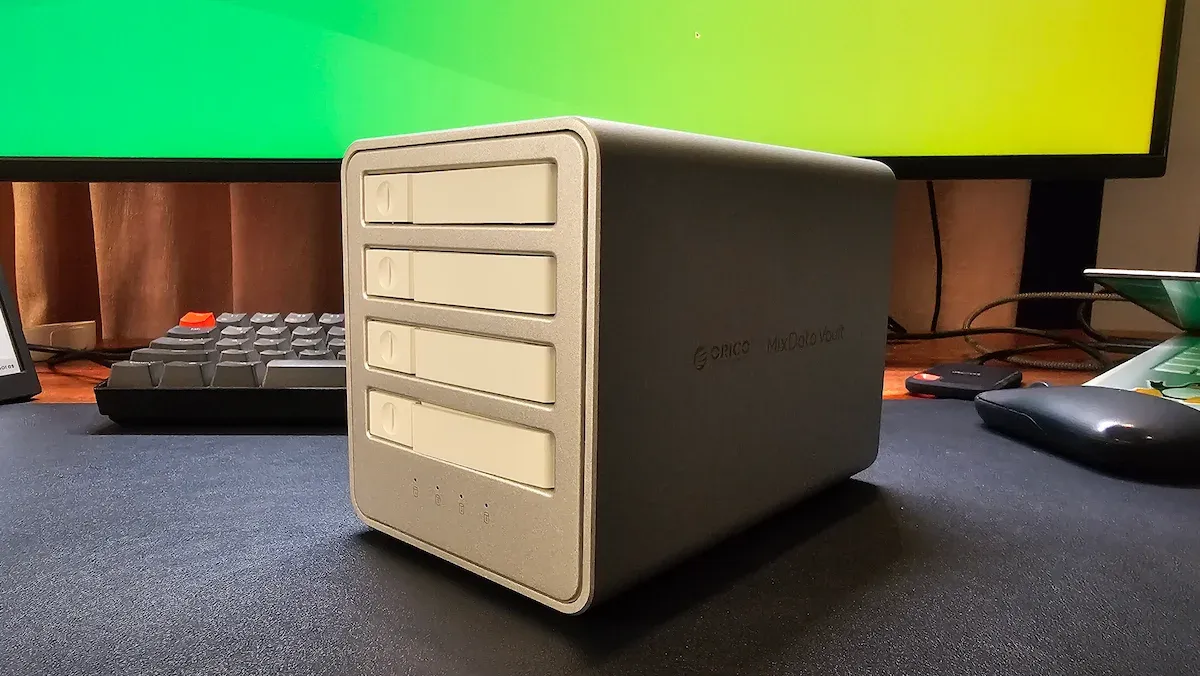
apt update && apt upgradeis increasingly viewed as an outdated practice. Newer, more atomic, and transaction-based package management systems are being championed to reduce the risk of partial upgrades and system instability. - Hardware Democratization: The success of projects like the ORICO 8848U4 (a driverless 4-bay USB4 NVMe enclosure) shows that manufacturers are finally beginning to treat Linux as a first-class citizen. When hardware "just works" without custom drivers, it lowers the barrier to entry for the average consumer.
- The "Compose Key" and Human Interface: Often overlooked, the Linux "Compose Key" remains one of the most powerful efficiency tools in the desktop user’s arsenal. By remapping keys—such as the increasingly common Microsoft Copilot key—to functional shortcuts, users are reclaiming their hardware for personal productivity.
A Community-Led Future
The resilience of the FOSS community is perhaps best exemplified by the recent open-sourcing of the Chatto team chat platform. Developed by a single engineer over several months and released under the AGPL-3.0 license, it highlights the "light and simple" philosophy that continues to drive independent development.
As we look toward the end of the year, the transition of Cinnamon to a stable Wayland environment marks a turning point. It suggests that the Linux desktop is moving away from the "wild west" era of fragmentation and toward a period of refinement. Whether through the lens of history, as seen in the ongoing SCO legal saga, or through the future-facing potential of AI-driven development, the message remains clear: the open-source community is not just surviving; it is actively shaping the future of digital infrastructure.
Quick Tips for the Power User:

- Window Management: In GNOME, you can enable right-click window resizing by executing:
gsettings set org.gnome.desktop.wm.preferences resize-with-right-button true. Once active, holding theSuperkey while right-clicking a window allows for fluid, manual resizing. - The Power of Open Source: For those frustrated with the evolution of Trello, there are now at least seven high-quality open-source alternatives that prioritize data privacy and local-first workflows.
The future of Linux is not just about the code; it is about the autonomy of the user. From the hardware on your desk to the protocols that render your display, the power to define your computing environment remains in your hands.