Securing the Autonomous Future: The Linux Foundation’s Agent Name Service (ANS) Explained
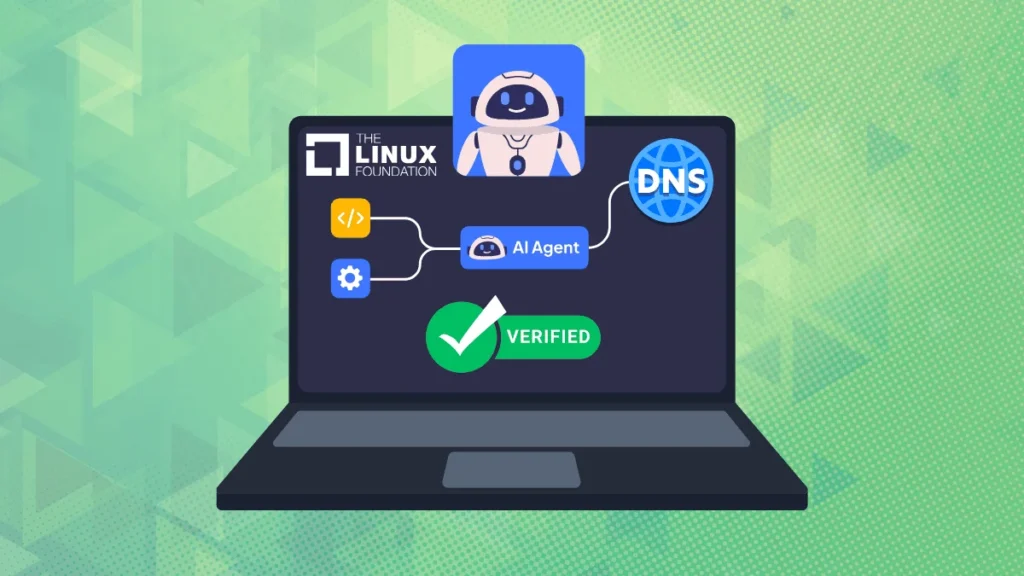
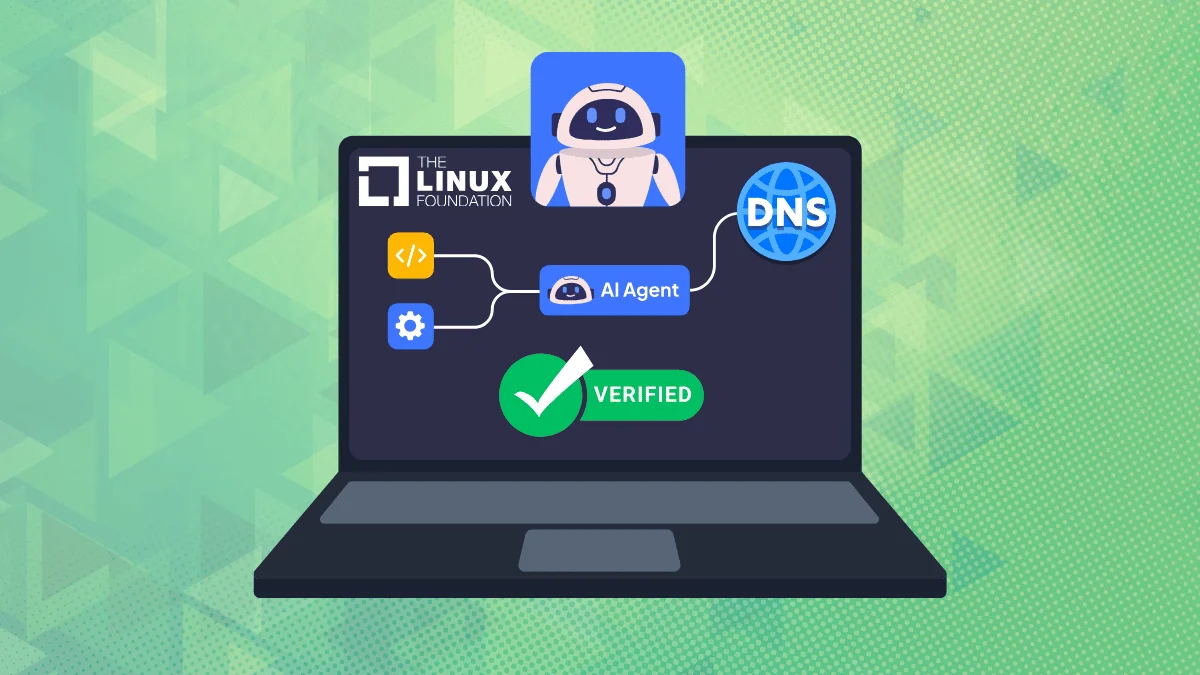
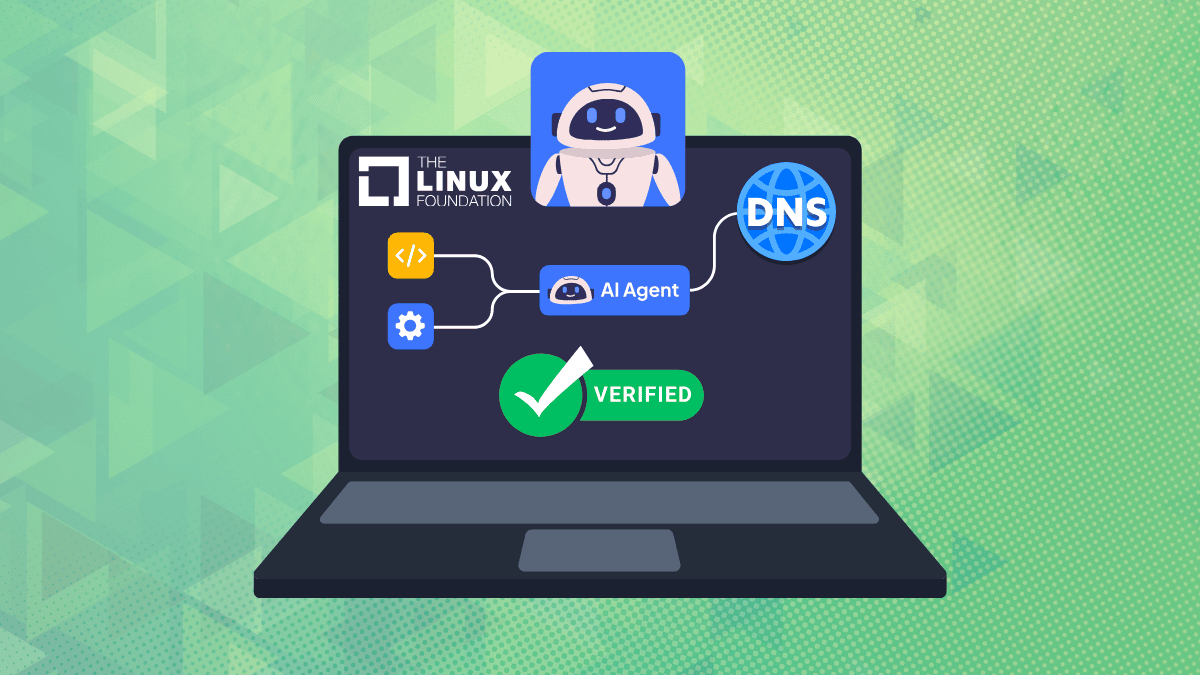
As artificial intelligence shifts from passive chatbots to active, autonomous agents capable of executing tasks, making purchases, and managing sensitive data, a critical security gap has emerged. How can a user—or another machine—know that the "support agent" they are interacting with is truly who it claims to be? To bridge this trust deficit, the Linux Foundation has announced its intent to launch the Agent Name Service (ANS), an open standard designed to extend the existing Domain Name System (DNS) architecture to provide a verifiable identity infrastructure for AI agents.
The Identity Crisis in the Age of AI
The rapid proliferation of AI agents has caught the cybersecurity industry largely unprepared. According to recent research cited by the Linux Foundation, an overwhelming 82% of enterprise executives plan to integrate autonomous AI agents into their production workflows within the next one to three years. Yet, despite this ambitious roadmap, most organizations currently lack the tools to authenticate, authorize, or govern these agents once they are deployed.
Currently, the digital landscape for AI is a "wild west." There is no standardized mechanism to prevent an adversarial agent from masquerading as a legitimate service—such as support-agent.acme.com. Because there is no existing protocol to link an agent’s name and specific capabilities to a verified, immutable version of its code, malicious actors can easily spoof services, leading to phishing, data exfiltration, and unauthorized system access. ANS is being positioned as the foundational layer to solve both identity verification and capability discovery simultaneously.
Chronology: From GoDaddy Innovation to Industry Standard
The genesis of the Agent Name Service is not a recent reaction to the sudden rise of LLMs; rather, it is the result of forward-thinking engineering by GoDaddy, which had been developing the concept months before the Linux Foundation stepped in.
The Origin
GoDaddy engineers recognized that the industry did not need a reinvented wheel. Instead of building a bespoke certificate and naming authority from scratch—which would have created a fragmented and insecure ecosystem—they chose to leverage the battle-tested infrastructure that already secures the modern web. By repurposing the existing TLS/SSL certificate service architecture, which currently manages over 100 million active certificates, they ensured that ANS would be built on a foundation of proven reliability.
The IETF Connection
The project is rooted in an existing Internet Engineering Task Force (IETF) draft. By aligning with IETF standards, the creators ensured that ANS is not a proprietary "walled garden" but an open, interoperable protocol. This alignment allows the service to integrate seamlessly with standard DNS and ACME (Automated Certificate Management Environment) checks, the same protocols that verify website ownership today.
The Linux Foundation Handover
Recognizing the necessity for a neutral, open-source home for this technology, the Linux Foundation recently announced its intent to formalize the standard. By bringing ANS under the umbrella of the Foundation, the project gains the institutional backing required to achieve widespread adoption across industries, from cloud computing to IoT.
How It Works: Reusing the Web’s Backbone
The brilliance of ANS lies in its lack of novelty regarding its underlying mechanics. It does not attempt to create a new "internet for agents," but rather treats agents as extensions of existing web entities.
DNS-Style Nomenclature
Every agent registered under the ANS framework is assigned a specific, structured name. A typical ANS identifier looks like:
ans://v1.0.0.my-agent.example.com
This nomenclature embeds the versioning directly into the identity. This is crucial for security because it prevents "version drift," where an agent might be updated with malicious code that is not reflected in its original documentation.
The Certificate Lifecycle
When an organization registers an agent, the agent must pass the same rigorous DNS and ACME challenges that a website undergoes to obtain a standard TLS certificate. This ensures that the entity claiming to operate the agent is, in fact, the owner of the domain. Once validated, the agent is issued an identity certificate, creating a cryptographic link between the agent’s name, its version, and its owner.
Immutable Transparency Logs
To ensure that history cannot be rewritten, ANS utilizes append-only Merkle logs. Every registration, renewal, or revocation event is recorded in a tamper-evident, decentralized-style log. Because the logs are append-only, any attempt to retroactively modify an agent’s history would be immediately detectable.
For security audits, the Linux Foundation has provided an offline tool, ans-verify. This utility allows administrators to check the veracity of an agent’s records without requiring a live, potentially compromised, connection to the registry. This "air-gapped" verification is a significant win for organizations operating in high-security environments.
Supporting Data: Why Authentication is No Longer Optional
The urgency behind ANS is driven by the sheer scale of the shift toward autonomous computing. When an AI agent performs a function—such as reordering inventory or executing a financial transaction—it acts on behalf of the company. If that agent is unauthenticated, the company is effectively handing over "blank check" access to an unverified entity.
The research indicates that the primary barriers to AI adoption are not technical capabilities, but governance and risk management. By establishing an identity infrastructure:
- Provenance: Users can verify the exact version of the code the agent is running.
- Capability Authorization: Enterprises can verify that an agent is cleared to perform specific tasks, preventing "privilege escalation" where an agent exceeds its intended scope.
- Accountability: In the event of an error or a security breach, the chain of custody for the agent’s identity is clearly defined.
Official Responses and Open Source Implementation
The Linux Foundation has made the entire stack available via the agentnameservice organization on GitHub. The flagship repository, ans, is an MIT-licensed Go codebase that includes the registry, logging mechanisms, and the verifier.

Ease of Deployment
One of the key selling points for developers is the speed of implementation. The Linux Foundation reports that a full ANS stack—complete with registry and verification capabilities—can be deployed in approximately 60 seconds. This low barrier to entry is essential for encouraging developers to bake identity verification into their agent development workflows from day one.
Industry Implications
The implications for the broader tech ecosystem are profound. If ANS becomes the de facto standard, it will fundamentally change how AI agents interact with cloud infrastructure. Rather than relying on static IP whitelisting or opaque API keys, service providers can use ANS to demand proof of identity from any agent attempting to access their APIs.
For developers, this means that identity becomes a first-class citizen in the development cycle. Instead of treating security as an afterthought, the ans codebase provides the building blocks for secure, "identity-first" agent development.
The Path Ahead: Challenges and Opportunities
While the technical foundation is robust, the challenge for the Linux Foundation and the broader community will be mass adoption. Standards only become useful when they are ubiquitous.
Overcoming Fragmentation
The history of the internet is littered with failed "standards" that were technically superior but lacked the backing of major stakeholders. However, by leveraging existing IETF drafts and partnering with industry giants like GoDaddy, the Linux Foundation has provided a strong impetus for early adoption.
Future Evolution
As AI agents evolve, the definition of "identity" will likely need to expand. Future iterations of ANS may need to account for multi-agent systems, where one agent delegates tasks to another. The ability to verify a "chain of trust"—where an agent proves its identity and the identity of the entities that authorized it—will be the next logical hurdle.
Conclusion
The Agent Name Service is a pragmatic, well-engineered solution to one of the most pressing problems in the modern AI era. By refusing to reinvent the wheel and instead choosing to secure the future of autonomous agents using the proven mechanics of the DNS and TLS/SSL, the Linux Foundation has provided a blueprint for a safer, more trustworthy internet.
As we move toward a future where autonomous agents perform the bulk of our digital labor, the ability to verify who—or what—is acting on our behalf is not just a luxury; it is a fundamental requirement for the integrity of our global digital infrastructure. The launch of ANS represents a pivotal moment in the maturity of artificial intelligence, marking the transition from experimental curiosity to a governed, professional, and secure utility. With the tools now available on GitHub, the responsibility for securing the AI revolution now lies with the developers and enterprises tasked with building the next generation of autonomous systems.