Shilpa Biologicals Elevates India’s Biotech Profile with State-of-the-Art ADC Manufacturing Facility
India’s biotechnology sector has reached a significant inflection point with the commissioning of a specialized antibody-drug conjugate (ADC) manufacturing facility by Shilpa Biologicals. The purpose-built plant, designed to adhere to the stringent global regulatory standards of the U.S. Food and Drug Administration (FDA), the European Medicines Agency (EMA), and other international health authorities, marks a strategic expansion into the highly complex world of targeted cancer therapies.
As the global pharmaceutical industry shifts its focus toward precision medicine, ADCs—often described as "biological missiles" for their ability to deliver toxic payloads directly to cancer cells while sparing healthy tissue—have become one of the most sought-after modalities in oncology. By establishing this facility, Shilpa Biologicals is positioning India not merely as a hub for generics or standard biologics, but as a sophisticated partner for the most complex drug development programs in the world.
Main Facts: A New Frontier in Precision Manufacturing
The newly commissioned facility represents a major leap in infrastructure for the Shilpa group. Unlike traditional small-molecule manufacturing, ADC production requires a unique, highly controlled environment due to the combination of sensitive biological antibodies and extremely potent cytotoxic chemical "payloads."
The facility is currently fully operational, with Good Manufacturing Practice (GMP) qualification protocols actively underway. Key features of the site include:
- Regulatory Compliance: Designed from the ground up to meet the rigorous quality assurance and safety standards of the U.S. FDA and EMA.
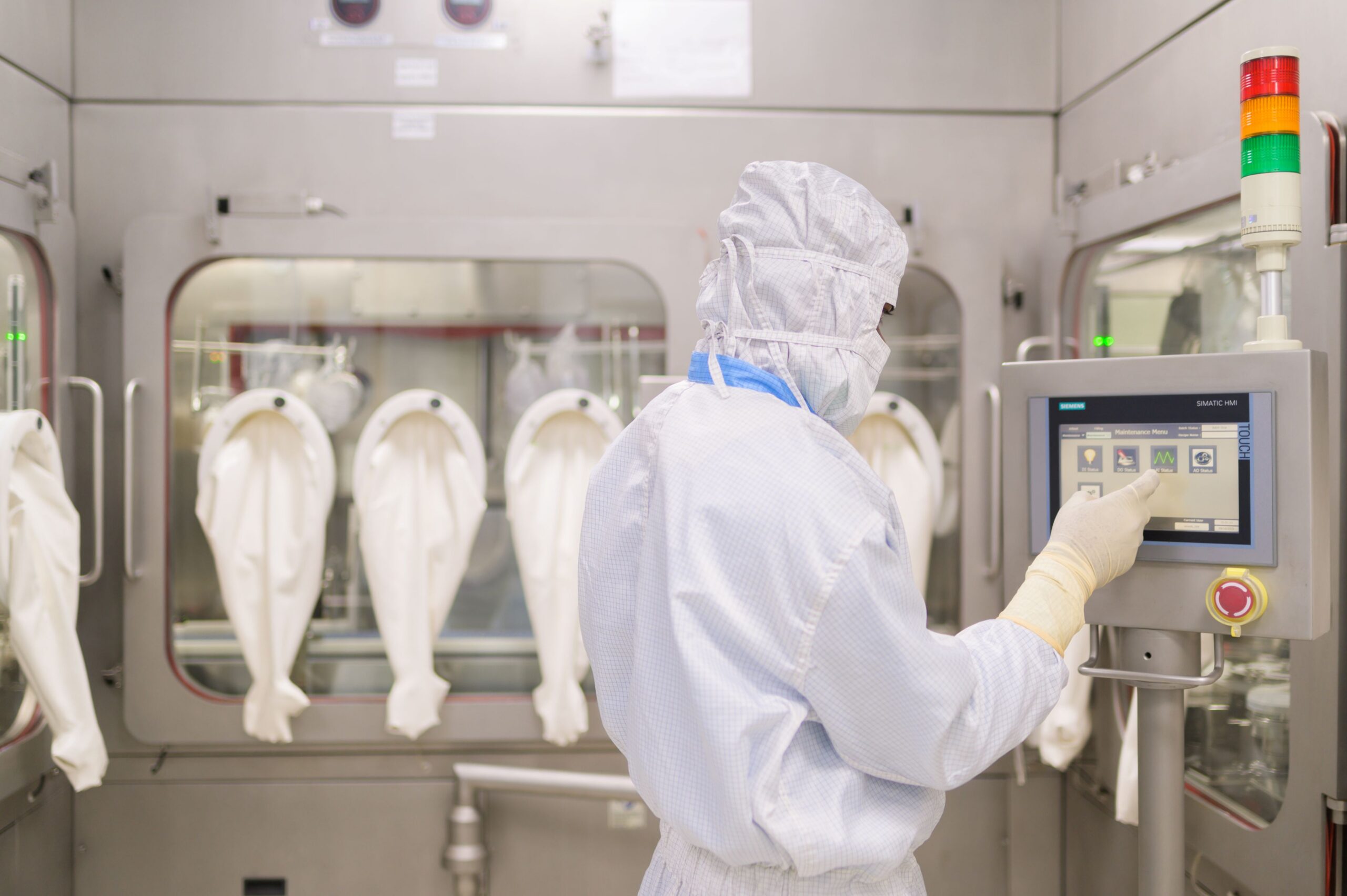
- Integrated Capabilities: The site offers an end-to-end manufacturing solution, handling the intricate conjugation process—where the antibody is chemically linked to the drug payload—under strictly regulated containment conditions.
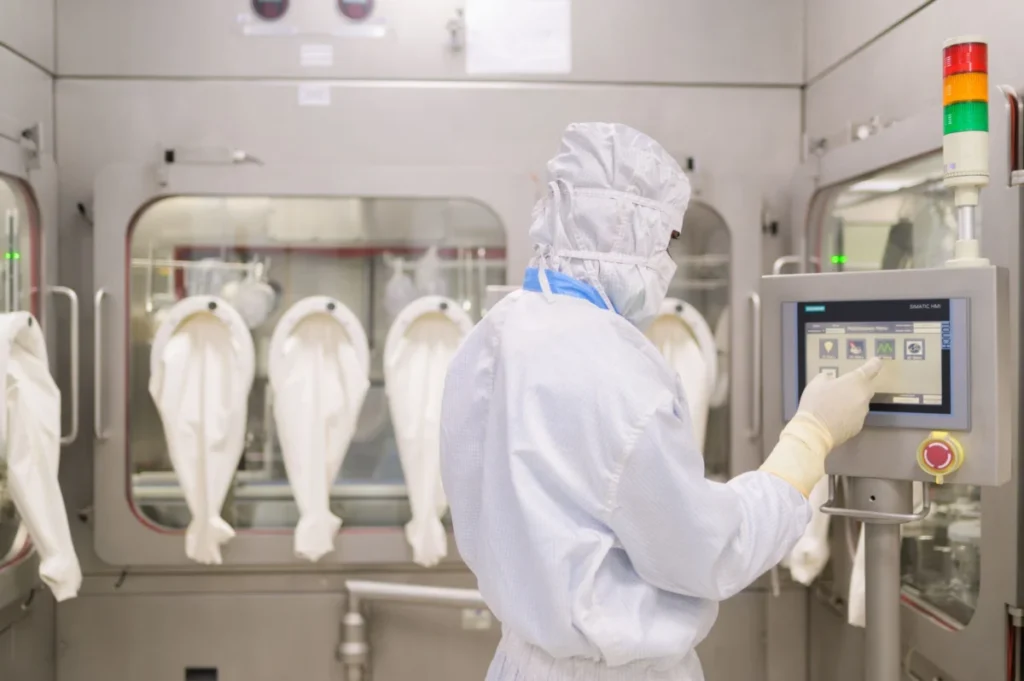
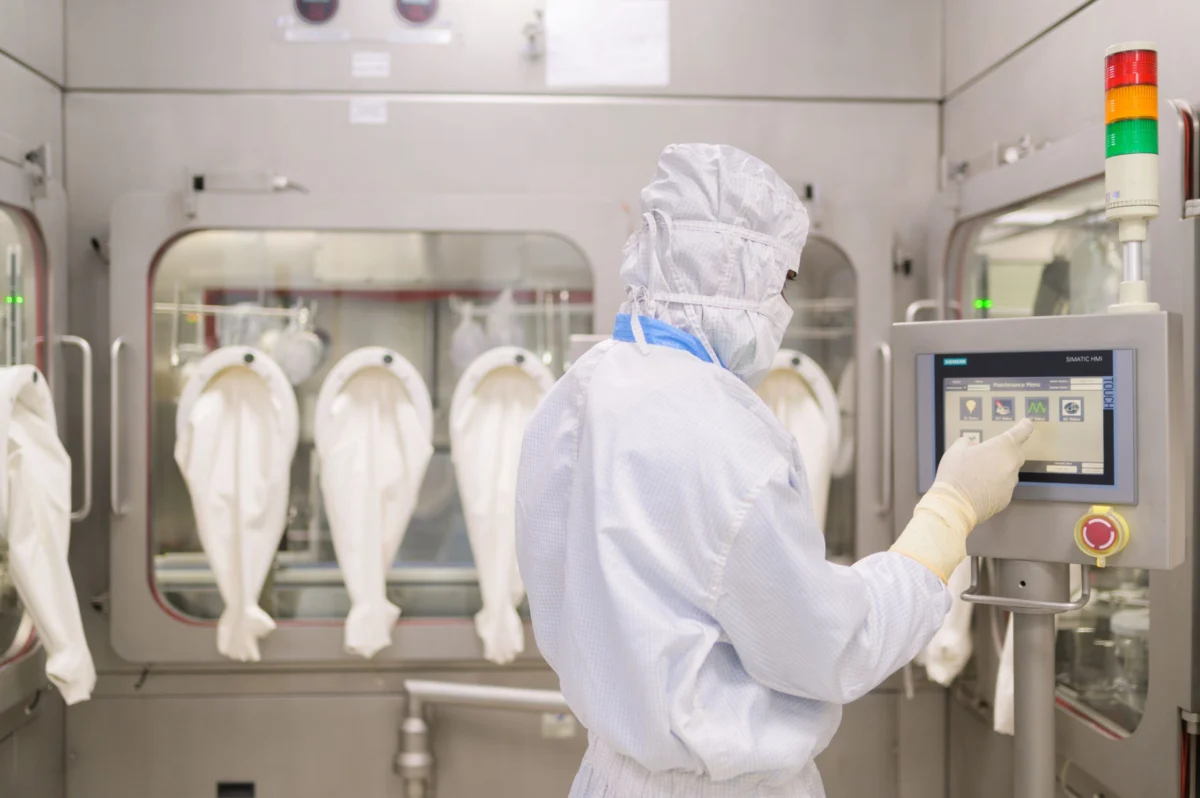
- High-Potency Expertise: Leveraging Shilpa Medicare’s legacy in high-potency API (HPAPI) manufacturing, the facility utilizes advanced isolation technology to manage the high-toxicity compounds required for modern ADC development.
- Global Reach: While located in India, the facility is explicitly intended to serve international biotech and pharmaceutical innovators, bridging the gap between global demand and Indian manufacturing excellence.
Chronology: Building the Foundation for Growth
Shilpa Biologicals’ move into the ADC space is the result of a multi-year strategic roadmap focused on diversifying the company’s high-barrier-to-entry portfolio.
- Foundation and Strategy (Pre-2023): Identifying ADCs as a critical growth area, the Shilpa leadership team initiated a capital expenditure program focused on high-potency facility design, recognizing that the global supply chain for oncology drugs was facing significant bottlenecks.
- Construction and Design Phase (2023–2025): The company engaged international consultants to ensure that the facility design complied with "Quality by Design" (QbD) principles. This phase involved implementing advanced containment systems, such as isolator technologies and closed-loop processing, which are essential for protecting both the product and the workforce from highly potent substances.
- Facility Commissioning (Early 2026): The physical infrastructure reached completion, passing initial internal safety and performance benchmarks.
- Current Status (Mid-2026): The facility has officially transitioned into the GMP qualification phase. This process involves a series of rigorous validations—Installation Qualification (IQ), Operational Qualification (OQ), and Performance Qualification (PQ)—to ensure that every piece of equipment and every process consistently produces the intended result.
Supporting Data: The ADC Market Opportunity
The global ADC market is currently experiencing explosive growth, with a compound annual growth rate (CAGR) expected to remain in the double digits throughout the next decade. This growth is driven by a robust clinical pipeline; as of 2026, hundreds of ADC candidates are in various stages of clinical trials, targeting everything from breast and lung cancer to hematological malignancies.
However, a major "manufacturing gap" has persisted. The complexity of ADCs—which requires the synthesis of antibodies, the creation of highly potent payloads, and the complex chemistry of the linker—means that few Contract Development and Manufacturing Organizations (CDMOs) have the necessary integrated infrastructure.
- The Complexity Quotient: ADCs require the synchronization of three distinct technologies: monoclonal antibody production, small molecule payload synthesis, and bioconjugation. By integrating these processes in one site, Shilpa Biologicals reduces the "tech transfer" risk that often plagues outsourced ADC projects.
- India’s Competitive Edge: India has long been a leader in the global supply of APIs. By moving up the value chain to ADC manufacturing, Shilpa is capitalizing on the nation’s deep pool of chemical engineering and bioprocessing talent, which is significantly more cost-effective than building equivalent capacity in the United States or Western Europe.
Official Responses: Defining a New Identity
The leadership at Shilpa is clear that this facility is not just an infrastructure project, but a statement of intent regarding the company’s evolution.
Sridevi Khambhampaty, CEO of Shilpa Biologicals, emphasized the strategic shift during the commissioning announcement:
"The manufacturing of highly potent compounds has been a core pillar of Shilpa’s identity. This ADC drug substance facility adds a new, sophisticated dimension to the capabilities of the Shilpa group. We now offer global biotech and pharma partners a uniquely integrated ADC facility built with the knowledge of our existing high-potency manufacturing excellence."
For Khambhampaty, the facility is a testament to the company’s ability to handle the "triple threat" of biotechnology: biological sensitivity, chemical toxicity, and rigorous regulatory compliance.
Vishnukant Bhutada, Managing Director of Shilpa Medicare, highlighted the broader national importance of the project:
"India has the scientific talent and now, with this facility, the infrastructure to be a serious and trusted partner in global ADC drug substance manufacturing. We are ready to partner with the world’s leading oncology innovators."
Bhutada’s comments reflect a growing sentiment within the Indian pharma sector: the transition from being a "pharmacy of the world" for generics to becoming a strategic partner for high-tech, proprietary drug development.
Implications: A Shift in Global Pharma Outsourcing
The commissioning of this facility has several profound implications for the global pharmaceutical landscape.
1. Reducing Outsourcing Complexity
Many biotech firms currently outsource different parts of the ADC manufacturing process to different vendors—one for the antibody, one for the payload, and a third for the final conjugation. This creates supply chain fragility and complicates regulatory oversight. Shilpa’s model of providing a more integrated facility could simplify the supply chain for innovators, reducing time-to-market.
2. De-risking the Supply Chain
The COVID-19 pandemic and subsequent geopolitical tensions highlighted the risks of over-reliance on a single region for critical medical supplies. By offering a high-quality, FDA-compliant option in India, Shilpa provides global firms with a vital "China-plus-one" or "West-plus-one" strategy for their clinical and commercial manufacturing needs.
3. Boosting India’s Biotech Ecosystem
The presence of such a facility serves as a catalyst for local talent development. It requires a workforce skilled in high-end analytical chemistry, bio-containment, and regulatory affairs, which will inevitably raise the standard of technical expertise within the Indian pharmaceutical industry.
4. Enhancing Patient Access
While the immediate goal is serving global innovators, the long-term potential includes better affordability and accessibility of cutting-edge cancer treatments. By optimizing the manufacturing process and reducing the overhead associated with the current fragmented ADC supply chain, there is a distinct possibility that the cost of these life-saving therapies could eventually decrease, widening access for patients in emerging markets.
Conclusion
As Shilpa Biologicals moves forward with its GMP qualification, the global oncology community will be watching closely. The successful deployment of this facility marks more than just the opening of a new plant; it signals the maturation of India’s biotech sector.
In an era where precision oncology is redefining the limits of medicine, the ability to manufacture complex biologics safely and reliably is the most valuable currency. With its new ADC facility, Shilpa Biologicals has effectively positioned itself at the center of this technological revolution, ready to tackle the complex challenges of modern cancer care alongside the world’s most ambitious pharmaceutical innovators. As the company prepares for its first clinical-stage partnerships, the vision of a "globally integrated, locally driven" biotech powerhouse appears more attainable than ever.