Reprogramming the Immune System: New CAR-T Approach Offers Hope for Severe Allergic Asthma


In a pioneering study that blurs the lines between cancer immunotherapy and allergy treatment, researchers at Lausanne University Hospital and the University of Lausanne have successfully adapted the sophisticated mechanisms of CAR-T cell therapy to address the debilitating condition of allergic asthma. By engineering regulatory T cells (Tregs) to specifically target birch pollen allergens, the research team has demonstrated a potential "living drug" strategy that could move beyond merely managing symptoms to restoring long-term immune tolerance.
The findings, published in the Journal of Experimental Medicine (JEM), provide a robust proof-of-concept for a new class of therapeutics known as Chimeric Allergen Receptor (CAlleR) Tregs. This advancement suggests a future where severe, life-threatening allergies could be treated by "re-educating" the immune system rather than relying on chronic medication or suboptimal immunotherapy.
The Core Innovation: From Oncology to Allergy
For decades, the medical community has utilized CAR-T (Chimeric Antigen Receptor T cell) therapy as a breakthrough in oncology. In this process, a patient’s own T cells are extracted and genetically modified to express artificial receptors—CARs—that lock onto specific proteins found on the surface of cancer cells. Once infused back into the patient, these cells act as precision-guided missiles, hunting down and destroying tumors.
Dr. Yannick D. Muller, MD, PhD, and his colleagues at the Center for Human Immunology Lausanne hypothesized that this same targeting architecture could be inverted. Instead of using cytotoxic T cells to kill, they sought to use regulatory T cells (Tregs)—the body’s natural "brakes" on the immune system—to suppress inflammation. By arming these Tregs with a chimeric receptor that recognizes a specific allergen, the team created a mechanism to turn off an overactive immune response before it results in airway hyperresponsiveness or mucus plugging.
Chronology of the Research
The development of CAlleR Tregs represents a multi-stage scientific endeavor that bridge the gap between immunology and synthetic biology:
- Phase I: Identification and Engineering: The team first isolated antibodies from a patient allergic to birch pollen. From these antibodies, they identified four novel anti-birch-specific molecules. They successfully generated single-chain variable fragments (scFvs) and fused them to a CD28-ζ signaling domain, effectively creating the "CAlleR" architecture.
- Phase II: Mechanism Validation: The researchers discovered that the CAlleR receptors could be activated by soluble antigens (the birch pollen proteins) if stabilized by non-competing antibodies. This cross-linking mechanism was a pivotal discovery, proving that soluble antigens—which are notoriously difficult for T cells to "see"—could trigger a synthetic immune response.
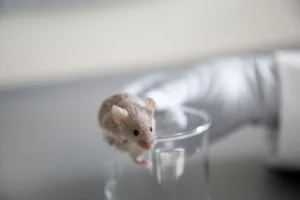
- Phase III: Preclinical Mouse Models (Therapeutic): The team injected CAlleR-expressing Tregs into mice already sensitized to birch pollen. Upon re-exposure to the allergen, the mice exhibited significantly lower levels of airway inflammation, reduced mucus production, and a marked improvement in lung function compared to untreated controls.
- Phase IV: Prophylactic Testing: In a second cohort, mice were given the CAlleR Treg treatment before any exposure to birch pollen. When these animals were later introduced to the allergen, they remained asymptomatic, suggesting that the therapy could potentially prevent the development of an allergic phenotype entirely.
Supporting Data: Understanding the Asthma Crisis
To understand the gravity of this breakthrough, one must look at the global burden of asthma. The World Health Organization estimates that over 300 million people suffer from asthma, with approximately 60% of these cases classified as "allergic asthma."
The pathophysiology of this condition is driven by a Type 2 immune response. When an allergen is inhaled, the body’s Th2 cells overproduce cytokines such as IL-4, IL-5, and IL-13. This chemical cascade causes the airways to tighten, inflame, and fill with thick mucus. In severe cases, this "mucus plugging" is the primary cause of fatal asthma attacks.
Current standard of care, Allergen Immunotherapy (AIT), involves desensitizing patients through gradually increasing doses of an allergen. While effective for some, AIT is notoriously contraindicated for patients with severe, uncontrolled asthma—the exact demographic at the highest risk of mortality. The data from the Lausanne study suggests that CAlleR Tregs circumvent these risks by acting as a targeted, programmable immune regulator, offering a safer alternative for those who currently have no viable path to recovery.

Official Perspectives and Expert Insight
The research team has been cautious but optimistic about the scalability of their findings. Dr. Yannick D. Muller emphasizes that while the preclinical results are striking, the focus must now shift to the long-term stability of the engineered cells.
"Our study provides proof-of-concept and preclinical evidence that CAlleR Tregs redirected against a birch pollen allergen can downmodulate birch pollen-induced allergic asthma," Dr. Muller noted.
The study authors further clarified the significance of the "cross-linking" discovery, stating, "These findings unveil a novel mechanism for targeting soluble antigens and highlight the potential of CAlleR Tregs to prevent and treat severe allergies." By successfully showing that Tregs can be expanded ex vivo and reinfused, the team has validated a manufacturing pathway that mirrors the successful clinical trials currently underway for autoimmune and inflammatory disorders.
Implications: A Future Beyond Birch Pollen
The implications of this research extend far beyond the treatment of birch pollen allergies. The team believes this is a platform technology. Because the chimeric receptors can be customized by swapping the antibody component, the "CAlleR" approach could be theoretically applied to any common allergen.
Potential Applications:
- House Dust Mites: As one of the most common global allergens, dust mite-induced asthma is a prime candidate for future testing.
- Food Allergies: The researchers explicitly mentioned that future work should investigate whether this technique can restore tolerance to severe food allergies, such as those related to peanuts or shellfish, where anaphylaxis remains a constant threat.
- Autoimmune Disease: The mechanism of targeting soluble antigens could be adapted to target autoantigens, providing a new way to treat conditions like Type 1 diabetes or multiple sclerosis, where the immune system attacks the body’s own healthy tissue.
Challenges and Next Steps
Despite the enthusiasm, several hurdles remain before this therapy can enter human trials:
- Persistence: A major challenge in Treg therapy is ensuring the engineered cells remain functional and do not lose their "regulatory" identity over time.
- Safety Profile: Researchers must ensure that the CAlleR Tregs do not cause systemic immunosuppression, which could leave patients vulnerable to infections.
- Standardization: Developing a scalable "off-the-shelf" or patient-specific manufacturing process will be essential for making this treatment accessible to the millions of people who could benefit from it.
"Future studies should evaluate the persistence and stability of CAlleR Tregs over time and define the optimal modalities for implementing such a therapeutic approach," Muller concluded.
Conclusion
The work led by the University of Lausanne marks a transition in how we view allergy management. By shifting the paradigm from symptom mitigation to antigen-specific immune regulation, CAlleR Treg therapy offers a glimmer of hope for the millions suffering from severe, intractable allergic conditions. While the laboratory mice in this study have shown remarkable recovery, the transition to human clinical settings will be the true test of this "living medicine." If successful, it would represent one of the most significant advancements in immunology since the advent of immunotherapy itself.