Scaling the Frontiers of Regenerative Medicine: Cedars-Sinai Pushes the Boundaries of Earth- and Space-Based Biomanufacturing
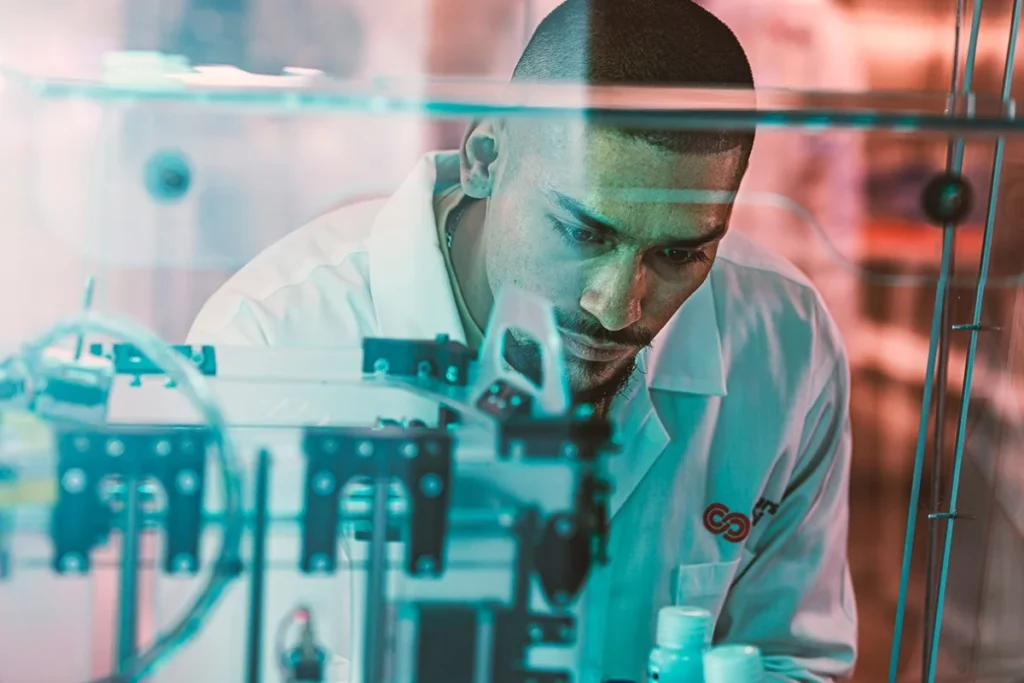
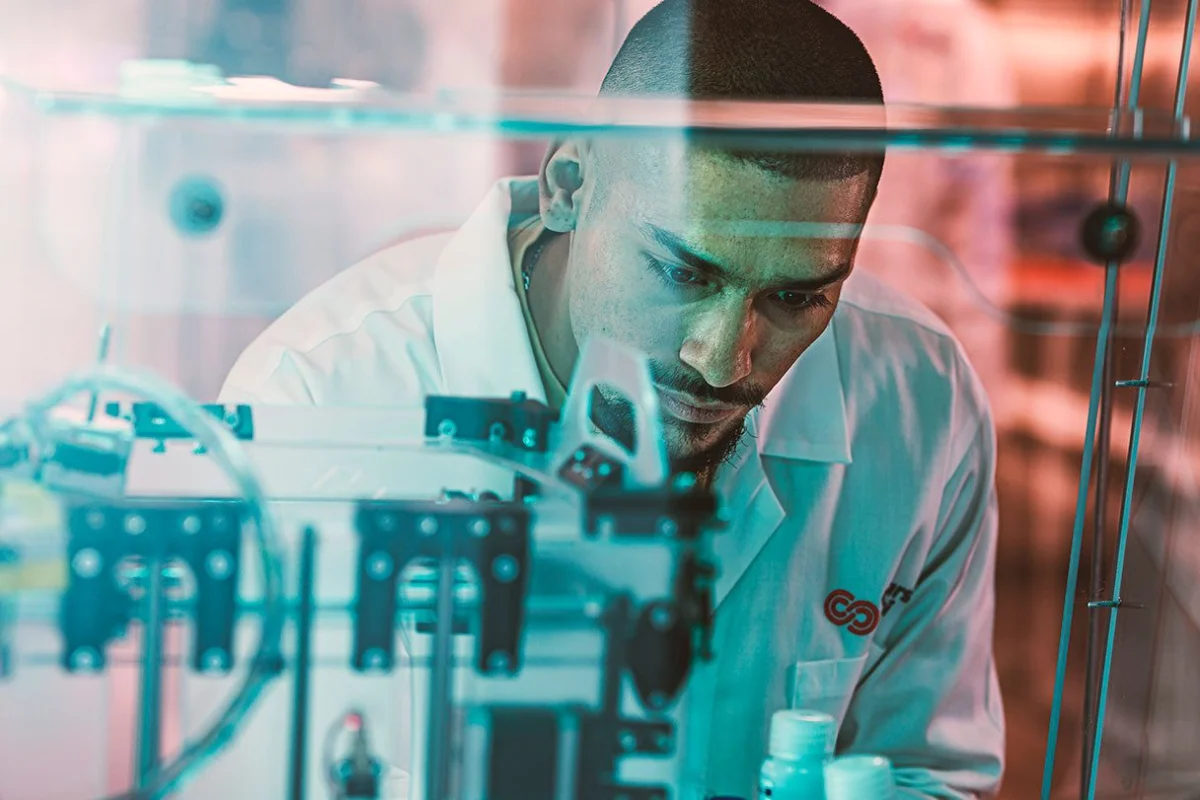
As the global scientific community gathers in Montreal for the International Society for Stem Cell Research (ISSCR) 2026 meeting from July 8–11, a spotlight is turning toward the ambitious, multi-disciplinary work emanating from Cedars-Sinai. Representing the Board of Governors Regenerative Medicine Institute and the Cedars-Sinai Biomanufacturing Center, a cohort of leading investigators is set to unveil breakthroughs that blur the line between terrestrial clinical innovation and the burgeoning field of space-based biotechnology.
The conference serves as a critical nexus for the exchange of ideas regarding stem cell applications, but for the Cedars-Sinai delegation, the mission is specific: to demonstrate how both microgravity environments and advanced, automated terrestrial bioprocessing can fundamentally alter the landscape of personalized medicine.
Main Facts: A Dual-Track Approach to Innovation
The Cedars-Sinai research program is currently defined by a dual-track strategy. On one hand, the institution is aggressively scaling its terrestrial manufacturing capabilities to meet the rigorous demands of clinical-grade cell therapy production. On the other, it is pioneering the "Space Medicine" frontier, investigating how the absence of gravitational forces can enhance the structural integrity and biological function of engineered tissues.
At the core of this research is the induced pluripotent stem cell (iPSC). Because iPSCs can be reprogrammed to become virtually any cell type in the human body, they represent the "holy grail" of regenerative medicine. However, the bottleneck has historically been the transition from small-scale laboratory experiments to large-scale, high-consistency clinical manufacturing. Cedars-Sinai is tackling this hurdle through a combination of proprietary bioprocessing platforms and the exploration of unconventional manufacturing environments, including the International Space Station (ISS).
Chronology: From Cellular Reprogramming to Orbit
The trajectory of Cedars-Sinai’s current work is the culmination of years of iterative progress in the field of regenerative biology.
- Foundation Phase: The establishment of the Cedars-Sinai Biomanufacturing Center provided the necessary infrastructure to bridge the gap between discovery science and clinical application. By standardizing protocols, the team moved away from the "artisan" style of cell culture toward a more industrial, scalable model.
- The Microgravity Pivot: Recognizing the limitations of 2D cultures on Earth—where gravity forces cells to settle in ways that can impede natural 3D architecture—Cedars-Sinai launched the Center for Space Medicine Research. This pivot sought to leverage the ISS to bypass the physical constraints imposed by Earth’s gravity.
- Integration and Optimization: In recent years, the focus has shifted toward refining these workflows. Researchers have moved from simply proving that cells can survive in space to determining how they thrive in microgravity, focusing on the production of organoids (miniaturized, simplified versions of organs) that mirror human physiology more accurately than ever before.
- ISSCR 2026 Presentation: The current week in Montreal represents a milestone where these distinct research threads—biomanufacturing automation, space-based growth, and clinical-grade standardization—are presented as a cohesive, future-facing strategy for medicine.
Supporting Data: The Science of Space and Scaling
The Microgravity Advantage
The Cedars-Sinai Center for Space Medicine Research has produced compelling evidence that gravity acts as a confounding variable in tissue engineering. On Earth, the weight of a growing organoid can lead to mechanical stress and structural collapse, limiting the size and complexity of the tissue. In microgravity, these forces are effectively nullified.
Preliminary data suggests that space-grown organoids exhibit:
- Enhanced 3D Architecture: Superior cellular organization that more closely resembles native human tissue.
- Improved Viability: Reduced shear stress during the manufacturing process, leading to higher yields of healthy, undifferentiated stem cells.
- Advanced Biopharmaceutical Potential: The potential for more efficient crystallization of proteins and complex molecules, which could revolutionize the production of high-potency drugs.
Terrestrial Automation: The Biomanufacturing Workflow
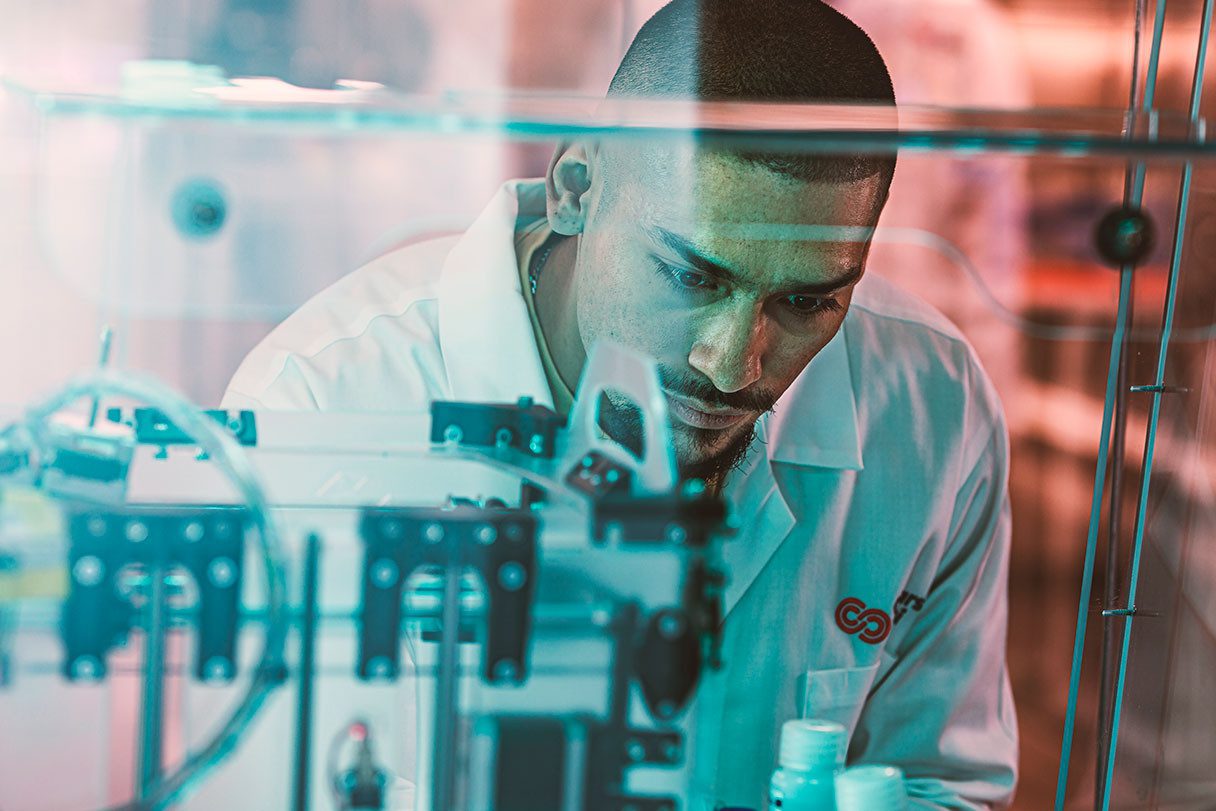
While space offers a unique laboratory, the bulk of clinical demand must be met on Earth. The Cedars-Sinai Biomanufacturing Center is presenting its proprietary integrated iPSC platform at ISSCR 2026. Key features of this system include:
- Integrated Bioprocessing: A move toward "closed-loop" systems that minimize human intervention, thereby reducing the risk of contamination—a perennial challenge in clinical-grade manufacturing.
- In Situ Seed Plating: Led by Dr. Dhruv Sareen, the integration of an in situ seed plating system is a major advancement. By automating the seeding process, the center can produce consistent cell lines with significantly less manual labor, ensuring that every batch meets the stringent safety and efficacy requirements of regulatory bodies.
Official Perspectives: The Voices of the Future
At ISSCR 2026, the Cedars-Sinai delegation is led by individuals who are shaping the policy and practice of regenerative medicine.
Dr. Arun Sharma, director of the Center for Space Medicine Research, emphasizes the urgency of this transition. "We are no longer asking if space is a viable laboratory for medicine; we are asking how quickly we can integrate it into our standard development pipelines," Sharma notes. His upcoming session on "Regenerative Medicine in Low Earth Orbit" will detail how access to microgravity is accelerating the development of disease models, particularly for conditions that have been historically difficult to study using traditional 2D cell cultures.
Dr. Avinash Srivastava, a biomedical scientist at the Biomanufacturing Center, will focus on the technical rigors of the proprietary iPSC platform. "Our goal is to turn the complex process of cellular engineering into a repeatable, scalable, and—most importantly—safe manufacturing process," Srivastava explains. His presentation will illustrate how the center’s platform creates a bridge between research-grade cells and clinical-grade therapies.
Dr. Dhruv Sareen, founding director of the center, underscores the importance of process engineering. "The science of stem cells is only as good as the consistency of the manufacturing process," says Sareen. "By refining our workflow to include automated seeding, we are essentially digitizing the biology, allowing us to generate high-quality cell lines at a pace that was unimaginable even a decade ago."
Implications: The Future of Personalized Healthcare
The implications of the research being shared in Montreal extend far beyond the laboratory. By perfecting both the terrestrial and orbital methods of cell production, Cedars-Sinai is effectively shortening the "bench-to-bedside" timeline.
Democratizing Advanced Therapies
A major hurdle in cell therapy has been the prohibitive cost and the logistical difficulty of producing individualized treatments. The automated, scalable systems presented by the Biomanufacturing Center suggest a future where high-quality cell therapies could become a standard of care, rather than a luxury clinical trial option.
Precision Drug Development
By utilizing space-grown organoids, researchers can create "avatars" of patient-specific diseases. This allows pharmaceutical companies to test drug efficacy and toxicity on human tissue that is structurally identical to the patient’s own, significantly reducing the reliance on animal testing and increasing the success rate of clinical trials.
The New Industrial Revolution
The collaboration with NASA and commercial space partners highlights a paradigm shift in how we view the industrial sector. We are entering an era where the ISS is treated not just as an observation deck, but as a manufacturing facility. If Cedars-Sinai’s longitudinal studies continue to show that space-based manufacturing yields higher-quality biomedical products, the next decade could see the birth of a dedicated orbital biomanufacturing industry.
Personalized Healthcare on Earth
Ultimately, the long-term vision of these scientists is the integration of these technologies into the clinical workflow. Whether it is a heart-on-a-chip model developed in space to predict how a patient will react to a new drug, or an automated, lab-grown tissue graft manufactured on Earth, the research presented at ISSCR 2026 is moving us toward a future where healthcare is as unique as the DNA of the patient being treated.
As the ISSCR 2026 meeting continues, the scientific community will be watching closely to see how Cedars-Sinai’s integrated approach influences the global standards for stem cell research. Through a blend of cosmic innovation and rigorous earthly engineering, these researchers are ensuring that the promise of regenerative medicine is not just realized—it is scaled.