Novartis Targets Oncology Leadership with $1.5B Acquisition of ADC Innovator Myricx Bio
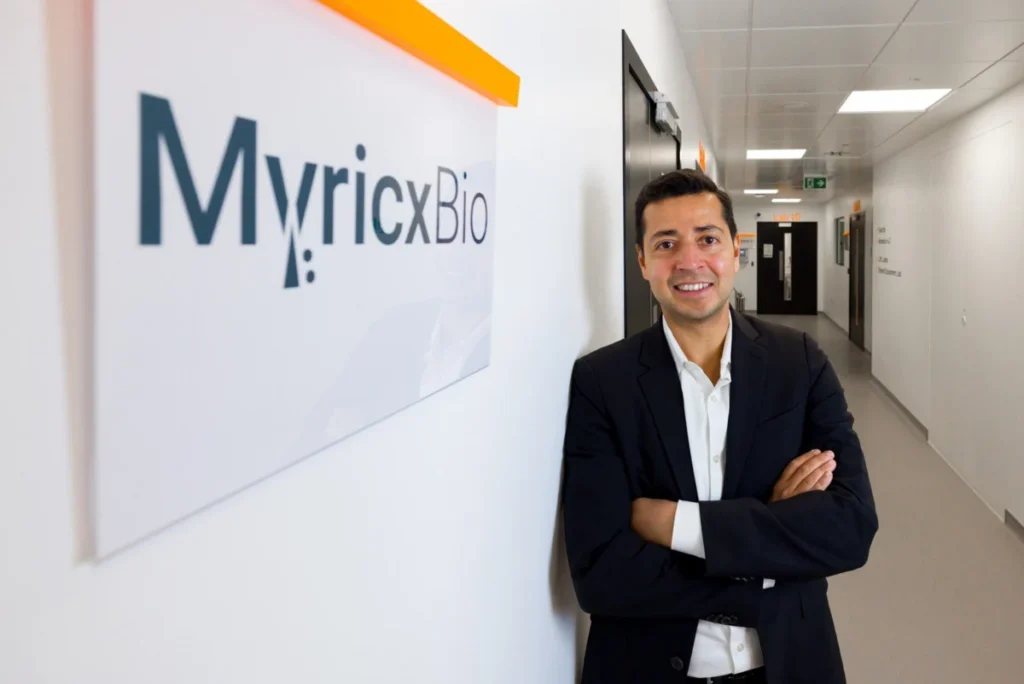
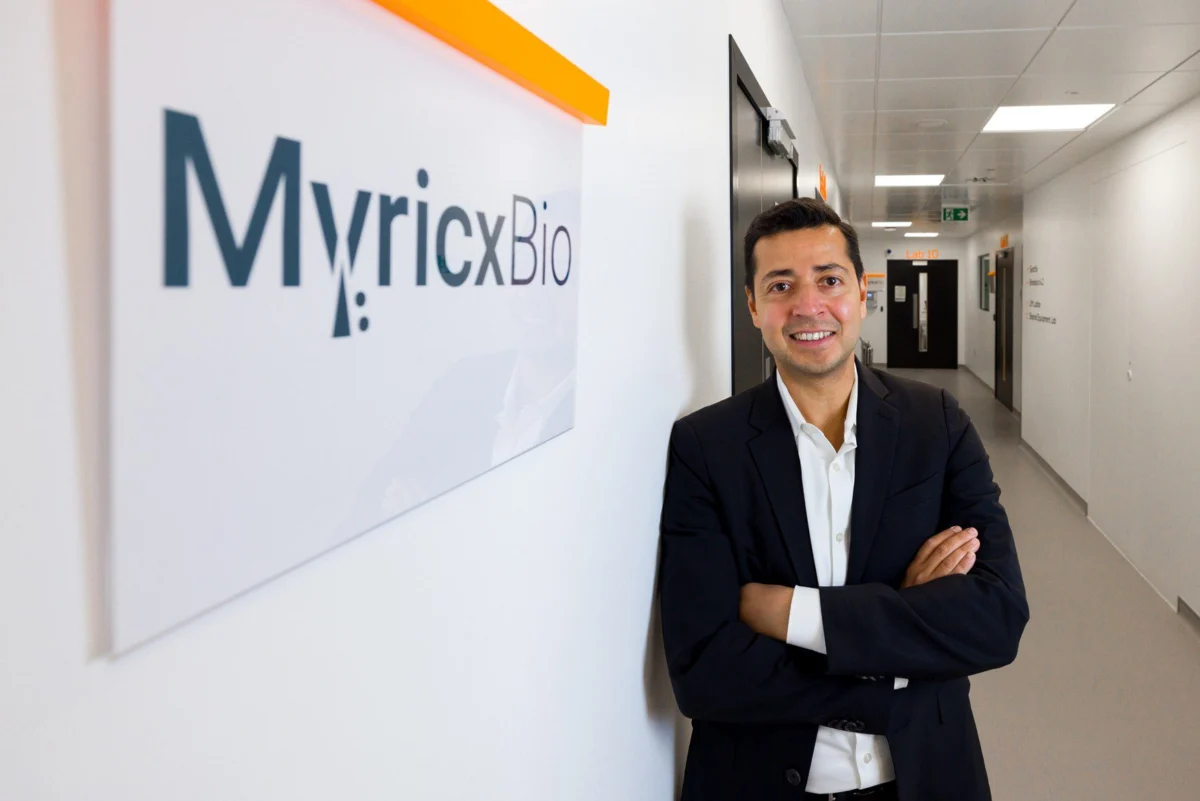
In a significant move to reshape the future of precision oncology, pharmaceutical giant Novartis has announced a definitive agreement to acquire the London-based biotech firm Myricx Bio. Valued at up to $1.5 billion, the deal grants Novartis ownership of a cutting-edge platform for next-generation antibody-drug conjugates (ADCs). By integrating Myricx’s proprietary N-myristoyltransferase inhibitor (NMTi) payloads into its robust R&D engine, Novartis is signaling a strategic pivot toward solving the persistent challenges of drug resistance and toxicity that have historically plagued the ADC landscape.
The Financial Mechanics of the Deal
The acquisition, which is expected to close in the second half of 2026 subject to customary regulatory approvals, follows a structured financial framework. Novartis will provide an upfront cash payment of $1.1 billion, with an additional $400 million contingent upon the successful achievement of specific clinical and commercial milestones.
The move comes at a time when the pharmaceutical industry is aggressively consolidating its position in the ADC sector. For Novartis, this is the third major transaction in the cancer space this year, underscoring a commitment to building a diversified, multi-modality oncology pipeline. Investors, however, reacted with caution, as Novartis shares on the SIX Swiss exchange dipped 2% to CHF 125.10, while its American Depositary Shares (ADS) on the New York Stock Exchange saw a 3% decline to $155.08 in early trading. Analysts suggest this reflects the inherent risks associated with early-stage biotech acquisitions, even as the long-term potential of the NMTi technology remains high.
The Science of NMTi: A New Frontier in Payloads
At the heart of the acquisition is Myricx Bio’s novel payload platform. Antibody-drug conjugates have long been touted as "guided missiles" for cancer, consisting of a monoclonal antibody linked to a cytotoxic drug. However, traditional payloads—such as TOPO-1 inhibitors and tubulin inhibitors—often struggle with dose-limiting toxicities and the development of resistance in tumor cells.
Myricx’s technology focuses on N-myristoyltransferase (NMT). NMT is an enzyme responsible for the addition of myristic acid, a 14-carbon fatty acid, to the N-terminus of various proteins. These proteins are essential for the survival of cancer cells, regulating critical pathways including vesicle trafficking, growth factor signaling, mitochondrial biogenesis, and cellular metabolism.
By utilizing NMT inhibitors (NMTi) as payloads, Myricx has demonstrated in preclinical models that it can deliver a differentiated, potent "kill signal" directly to tumor cells. According to the company, these NMTi-ADCs show broad activity across multiple solid tumors, including those that have developed resistance to existing standard-of-care payloads. This mechanism effectively broadens the therapeutic window, offering a potential solution to the toxicity issues that often force clinicians to lower dosage, thereby reducing treatment efficacy.
Chronology of Development: From Academic Spin-out to Big Pharma Acquisition
The story of Myricx Bio is one of rapid scientific advancement, fueled by deep expertise in biochemistry and molecular biology.
- 2019: The Foundation: Myricx Bio was founded as a spin-out from the prestigious Imperial College London and the Francis Crick Institute. The founding team—Ed Tate, PhD; Roberto Solari, PhD; and Andrew Bell, PhD—leveraged their combined knowledge of protein lipidation to identify NMT as a high-value therapeutic target.
- Early Support: The venture received critical early-stage validation from Cancer Research UK, along with seed funding from specialized life science investors Brandon Capital and Sofinnova Partners.
- 2024: The Series A Surge: In mid-2024, the company secured a substantial £90 million ($114 million) Series A financing round. Led by Novo Holdings and Abingworth, the round also included participation from the British Business Bank, Cancer Research Horizons, and Eli Lilly. This infusion of capital allowed CTO Robin Carr, PhD, to scale operations and accelerate the development of their two lead ADC assets.
- 2025: Leadership Transition: Mohit Rawat was appointed CEO, tasked with steering the company through the complexities of preclinical development and the transition from an academic-led research entity to a clinical-stage organization.
- 2026: The Novartis Acquisition: The announcement in mid-2026 marks the culmination of Myricx’s growth, positioning its technology within the global distribution and manufacturing infrastructure of Novartis.
Supporting Data and Pipeline Potential
While Myricx has maintained a degree of confidentiality regarding the specific structural details of its lead candidates, it has disclosed that the two prioritized assets target B7-H3 and HER2. These targets are well-validated in oncology, yet the addition of the NMTi payload represents a significant technological leap.
Preclinical data presented by the company suggests that the NMTi approach is not merely a replacement for existing payloads but a distinct category of treatment. By targeting fundamental metabolic and structural processes, the NMTi platform addresses the "escape routes" cancer cells use to survive conventional chemotherapy. For patients with solid tumors who have exhausted standard treatment options—or whose tumors have become resistant to current-generation ADCs—this platform offers a "transformative promise," according to CEO Mohit Rawat.
Official Perspectives
The leadership teams at both Novartis and Myricx have emphasized the strategic alignment of the acquisition.
Fiona Marshall, PhD, president of biomedical research at Novartis, framed the deal within the context of the company’s broader strategic objectives. "ADCs have become an important part of cancer treatment, but there remains a clear need for new payload mechanisms to overcome resistance and expand their impact for patients," Marshall stated. She noted that the Myricx platform fits into the same category of "scaling innovative platforms" that the company successfully employed with its radioligand therapy (RLT) division, which is currently expanding with a major manufacturing facility in Denton, Texas.
Mohit Rawat, CEO of Myricx Bio, expressed optimism about the synergy between the two entities. "We are delighted that Novartis recognizes the transformative promise of our NMTi-ADC platform," Rawat said. "Together with Novartis, we look forward to building upon our work to transform the landscape of cancer treatment."
Strategic Implications for the Oncology Landscape
The acquisition of Myricx Bio is part of a larger, aggressive push by Novartis to dominate the next wave of oncology innovation. This year alone, the company has engaged in multiple high-stakes deals:
- Antares Therapeutics (June 2026): A $105 million upfront deal with a total potential value of over $1.9 billion to develop small molecule therapies against "undruggable" targets.
- Pikavation Therapeutics (March 2026): An acquisition involving up to $3 billion in total payments to secure PI3Kα inhibitor programs.
A Multi-Modality Future
By bringing Myricx into the fold, Novartis is not just buying a drug; it is buying a platform that can be applied to a vast array of antibodies. This allows the company to create a modular "plug-and-play" system for future cancer drug development. As traditional chemotherapy continues to lose efficacy due to widespread resistance, the industry is betting heavily on precision tools like ADCs and radioligands.
The implications for the patient are profound. By reducing the reliance on toxic, broad-spectrum chemotherapeutic agents and replacing them with highly specific, targeted payloads, Novartis aims to move toward a future where cancer treatment is not only more effective but also more tolerable.
However, the road ahead is not without challenges. Integrating a specialized biotech culture into a global pharmaceutical giant requires careful management. Additionally, the clinical trials for the lead B7-H3 and HER2 candidates will need to demonstrate that the preclinical "magic" of the NMTi payload translates safely into human populations. If successful, this deal will likely be remembered as the moment when NMT inhibitors became a cornerstone of modern cancer therapy.
As Novartis prepares for the finalization of the Myricx acquisition, the pharmaceutical world will be watching closely. With the company’s existing strength in radioligand therapies and its growing dominance in targeted oncology, the addition of Myricx’s next-generation ADC platform positions Novartis as a formidable leader in the race to cure the most recalcitrant forms of cancer.