The Adolescent Brain’s Memory Mystery: New Research Reveals Why Our Past Fades Before It Returns
For decades, the conventional wisdom in neuroscience suggested that the human brain reached its architectural maturity by the time an individual exited their teenage years. However, a growing body of evidence—supported by recent research from the Albert Einstein College of Medicine—confirms that the brain remains a work in progress well into the mid-to-late 20s. This period of "late-adolescent maturation" is not merely a time of emotional volatility; it is a profound biological transition that fundamentally alters how we store and retrieve our life experiences.
A groundbreaking study published in the journal PLOS Biology, titled "Retrosplenial cortical reorganization during late adolescence introduces instability of contextual memory circuits," provides the first clear biological explanation for why memories from our youth often seem to drift into a state of "temporary inaccessibility" before resurfacing with a new, often fuzzier, clarity in adulthood.
The Core Discovery: A Period of Structural Remodeling
At the heart of the research is the retrosplenial cortex (RSP), a specialized region of the brain tasked with anchoring our memories to specific contexts. The Einstein research team discovered that during late adolescence, the RSP undergoes a significant period of "remodeling."
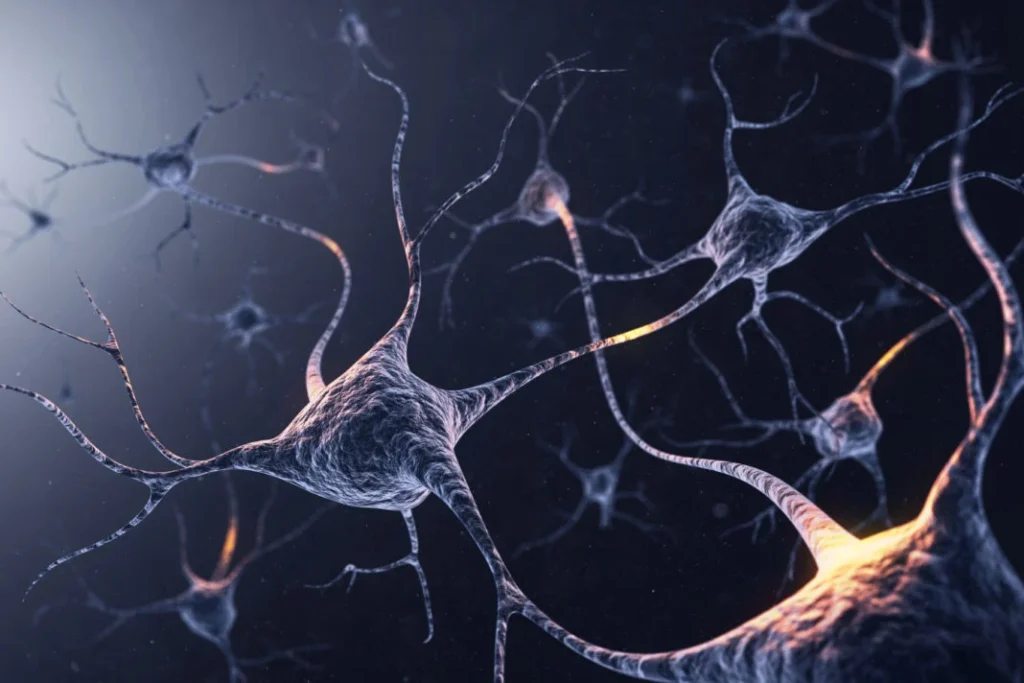
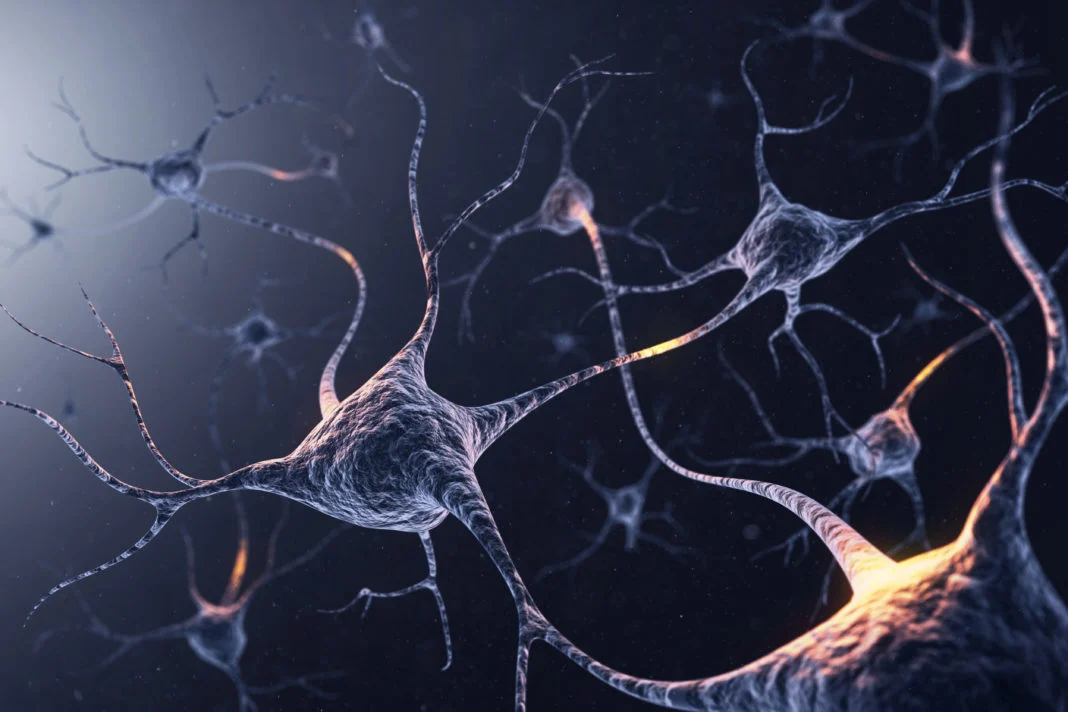
This remodeling is characterized by the temporary degradation of perineuronal nets—intricate, mesh-like protein structures that wrap around neurons to stabilize memory circuits. In a mature, adult brain, these nets act as protective scaffolding, locking neural connections in place to ensure that memories remain stable and precise. However, the study found that these nets unexpectedly diminish during late adolescence, effectively "unlocking" established circuits.
While this instability is temporary, it leads to a curious phenomenon: memories formed during early adolescence become harder to retrieve. The research team noted that this specific biological shift was confined to the RSP, leaving other memory-critical areas, such as the hippocampus, largely unaffected. This specificity suggests that the brain is not undergoing a global "reset," but rather a targeted reorganization of how we process contextual information.
Chronology of the Study: From Training to Retrieval
To observe these changes, the researchers employed a behavioral model using mice. The study followed a clear, multi-stage timeline:
- Early Adolescent Training: Researchers trained a group of mice to associate a specific, novel environment with a mild foot shock. Under normal circumstances, this creates a strong, stable "contextual fear memory."
- The Adolescent "Void": Weeks after the initial training, when the mice reached the equivalent of late adolescence, the researchers tested them by returning them to the same environment. Contrary to expectations, these adolescent mice failed to exhibit the expected "freezing" fear response. The memory was not erased; it was simply inaccessible.
- The Trigger of Retrieval: To confirm that the memories were still present but latent, the researchers exposed the adolescent mice to a different environment. Suddenly, the original fear response was triggered, proving the information was still encoded in the brain but blocked from conscious recall.
- Adult Resurfacing: As the mice reached full adulthood, the perineuronal nets in the RSP naturally rebuilt themselves. Consequently, the memories began to resurface. However, they did not return with their original precision. Instead, the mice displayed "generalized" fear, responding to a wider variety of environments rather than the specific one from their youth.
Supporting Data: The Molecular Mechanism
The study did more than observe behavior; it identified the molecular "switch" controlling this instability. The researchers traced the degradation of the perineuronal nets to a decline in key structural proteins and a reduction in the activity of a growth factor known as TGFβ2 (Transforming Growth Factor-beta 2).
When the team artificially restored TGFβ2 activity in the adolescent mice, the memory circuits were effectively "re-stabilized." The mice regained their ability to retrieve their early-life memories with the same precision as adult mice. This provides a direct causal link between the molecular environment of the brain and the cognitive capacity for memory retrieval.
Perspectives from the Research Team
Jelena Radulovic, MD, PhD, a professor of neuroscience, psychiatry, and behavioral sciences at the Albert Einstein College of Medicine and the senior author of the study, views these findings as a missing piece in the puzzle of human development.
"We’ve known for years that the brain continues developing through adolescence and young adulthood," Dr. Radulovic stated. "Our findings begin to explain what that developmental process looks like in one of the brain’s memory circuits and how it can influence the way earlier experiences are recalled."

Lead author Hui Zhang, PhD, a research fellow at Einstein, emphasized the correlation between the biological data and the observed behavior of the subjects. "The behavior matched the biology," Dr. Zhang noted. "The retrosplenial cortex is responsible for older, more established memories. As its stabilizing structures declined, access to memories formed earlier in life became less reliable."
The "Reminiscence Bump" and Implications for Human Life
One of the most intriguing aspects of the study is its potential to explain a well-documented human psychological phenomenon known as the "reminiscence bump." Psychological studies have long shown that adults disproportionately recall memories from their adolescence and early adulthood.
The Einstein study offers a biological hypothesis for this: because these memories were formed during a period of high cortical instability and later "re-locked" during the transition to adulthood, they become uniquely salient. However, as the research suggests, these memories are often less about specific, minute details and more about the emotional significance of the experience. This aligns with the human tendency to remember the "feeling" of a high school event while struggling to recall the specific date or the names of everyone present.
Broad Implications: Mental Health and Psychiatric Vulnerability
Beyond the science of memory, the research has significant implications for clinical psychiatry. Late adolescence is a critical window in which several psychiatric conditions—most notably schizophrenia and major depression—frequently emerge.
The authors suggest that the temporary weakening of the perineuronal nets in the retrosplenial cortex may represent a period of heightened neuroplasticity. While this plasticity is necessary for brain maturation, it may also leave the brain vulnerable to dysregulation in individuals with genetic predispositions to mental health disorders.
If the "remodeling" process in the RSP goes awry, or if the stabilizing nets fail to rebuild correctly, it could theoretically contribute to the cognitive deficits often seen in the early stages of psychiatric illness. This research opens a new avenue for exploration: could pharmacological interventions that regulate TGFβ2 or support perineuronal net integrity help mitigate the onset of these disorders in high-risk youth?
Future Directions: From Rodents to Humans
While the results are compelling, the scientific community acknowledges that there is a significant distance to travel before these findings can be directly translated to human clinical care. The next logical step, according to the research team, is to determine if similar mechanisms are at play in the human retrosplenial cortex.
Technological advancements in neuroimaging, such as high-resolution PET scans and advanced MRI techniques, may eventually allow researchers to monitor the density of perineuronal nets in living human subjects. If the same pattern of degradation and stabilization is found in humans, it would fundamentally change our understanding of "adolescent amnesia" and the long-term impacts of late-stage brain development.
For now, the study stands as a vital reminder that the transition from childhood to adulthood is not just a social or emotional journey—it is a profound, messy, and essential biological reconstruction. Our memories, and perhaps our very sense of self, are being constantly refined by the very structures that hold them in place. Understanding this process does more than explain why we forget; it helps us appreciate the complex, shifting architecture that defines the adult human mind.