Bridging Ecosystems: The Itch.io App Evolves with Steam Integration and Headless Launching
The landscape of PC gaming is characterized by a fragmented ecosystem of launchers, storefronts, and proprietary digital environments. For years, users have struggled to manage their libraries across disparate platforms, often finding their favorite indie titles from itch.io buried beneath the convenience of major platforms like Valve’s Steam. Today, the itch.io team has taken a significant step toward unifying the user experience with the release of version v26.20.0 of the itch app. This update introduces native Steam shortcut integration and a powerful "headless" launching mode, signaling a shift toward interoperability that benefits both developers and players.
Main Facts: The Core of v26.20.0
The latest itch app update is designed to remove the friction associated with managing a multi-platform library. The primary features of this release include:
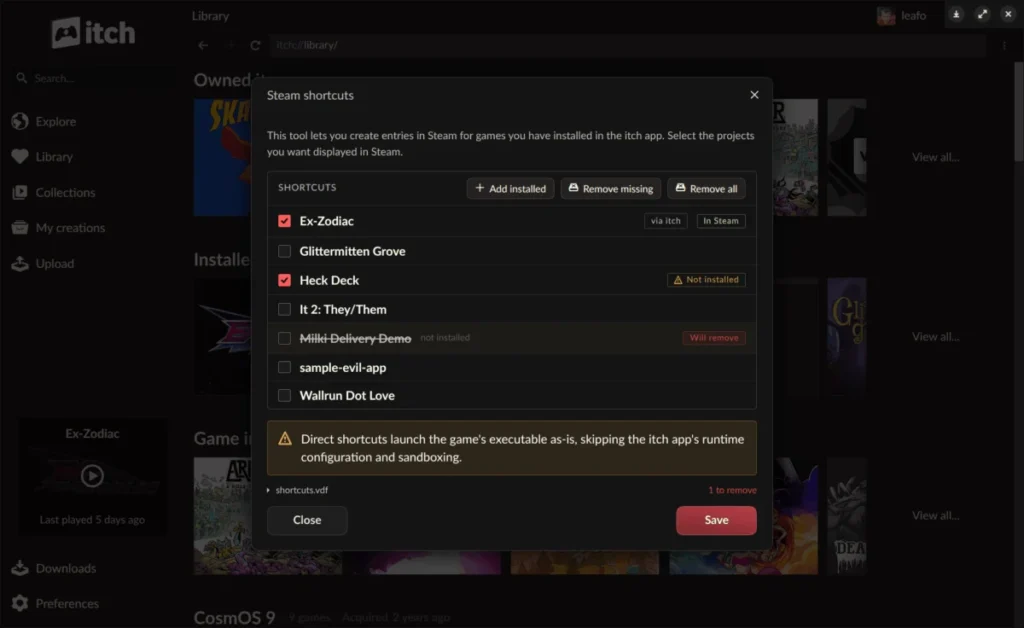
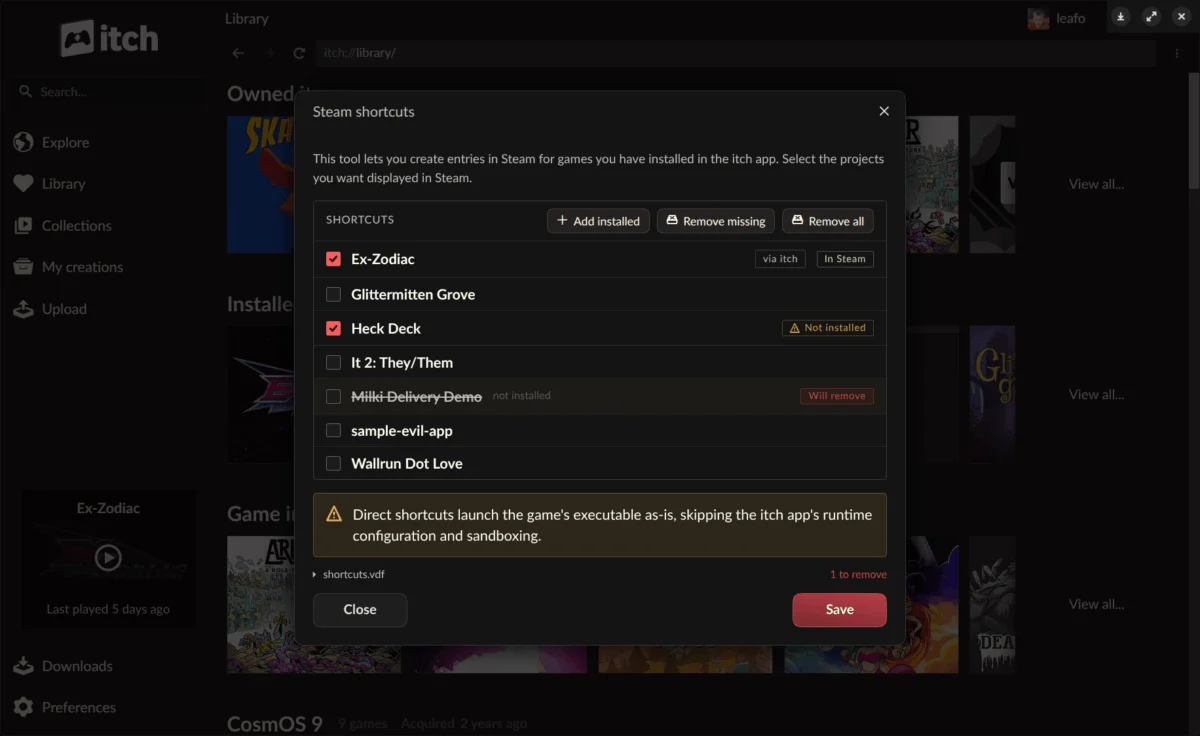
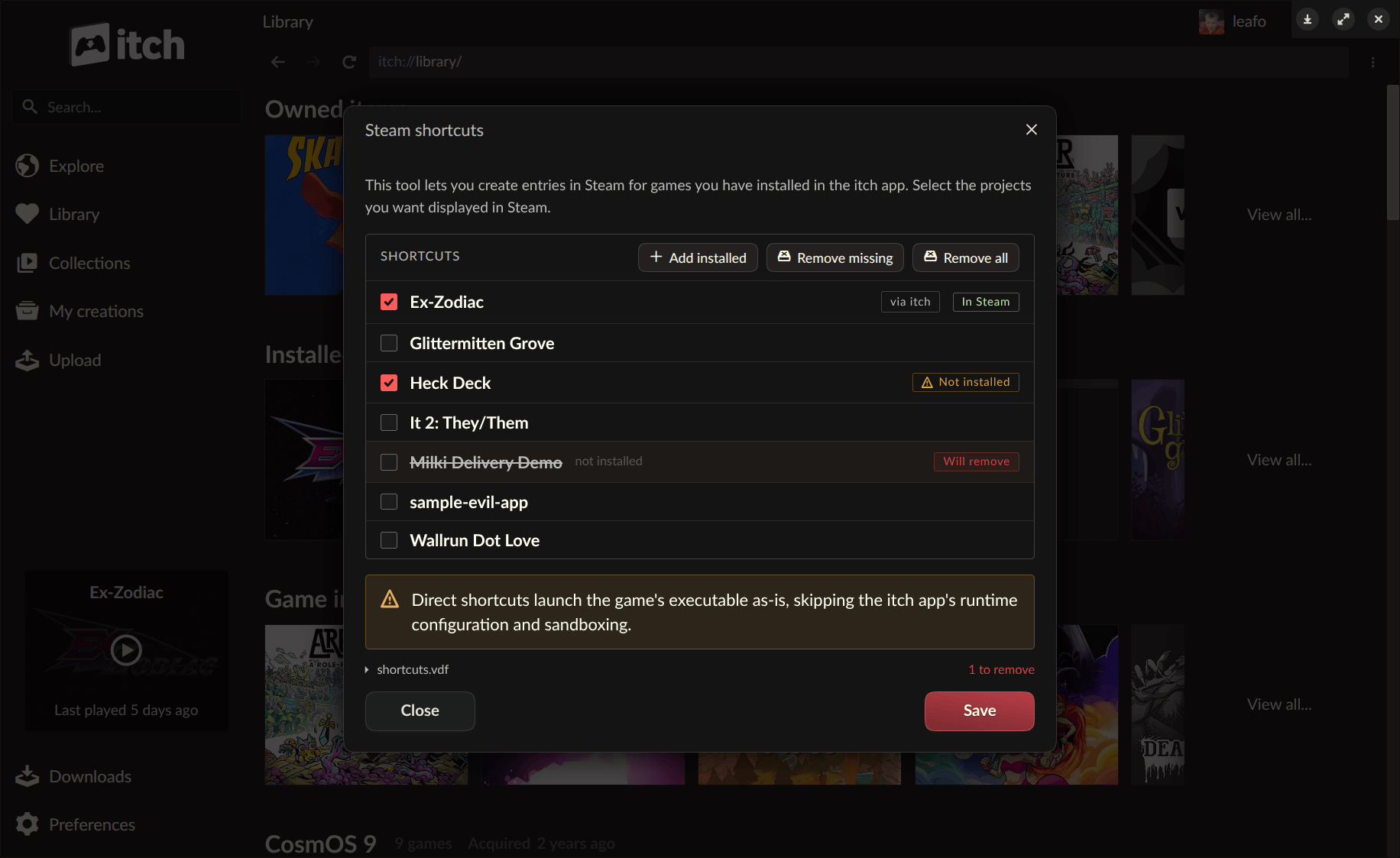
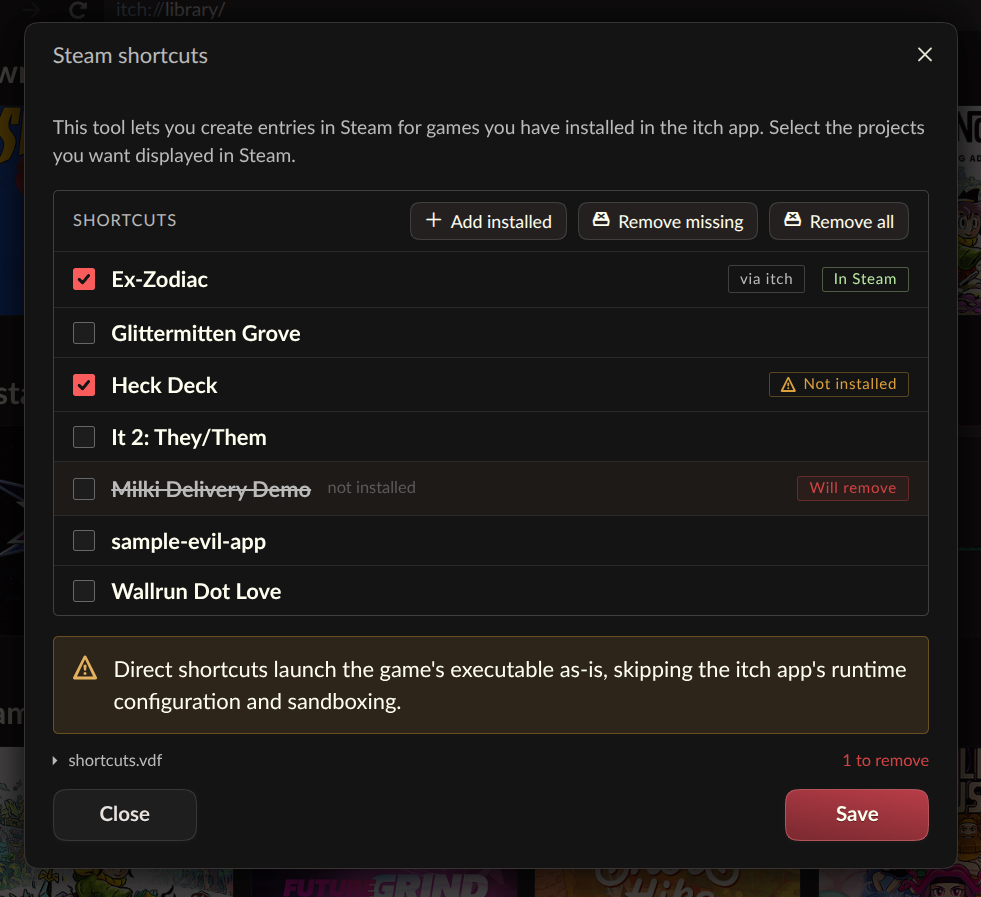
- Native Steam Shortcuts: Users can now export their itch.io library directly into Steam. This allows games installed via the itch app to appear within the Steam client, making them accessible through Steam’s "Big Picture" mode or via the Steam Deck.
- Headless Launching: By implementing a new command-line interface (CLI) approach, the app now allows games to run without requiring the main itch client to be active. This "headless" mode ensures that while the launcher is hidden, the game still benefits from the app’s background services, such as sandboxing, prerequisite handling, and play-time tracking.
- Folder Linking: A new "Link existing folder" feature enables users to import games that were downloaded manually outside of the itch app, bypassing the need for redundant downloads.
These updates represent a strategic move by itch.io to ensure that their platform remains compatible with the way modern gamers consume content, particularly as handheld gaming devices like the Steam Deck become increasingly prominent.
A Chronology of Integration
The journey toward this update was not instantaneous. It reflects a multi-year effort to refine the itch.io launcher into a more robust and flexible tool.
- Early Development: When the itch app was first launched, its primary goal was to simplify the installation and management of independent games. Over time, as the library grew to include thousands of titles, the need for better organization became apparent.
- The Rise of the Steam Deck: The release of Valve’s Steam Deck created a massive shift in user behavior. Gamers wanted a unified interface that could host their entire collection, regardless of the source. This put pressure on indie-focused launchers to either compete or integrate.
- Internal Refactoring: The team at itch.io began working on "Butler," a core utility used for managing installations, and the underlying architecture of the app to allow for more granular control over how games are launched.
- Present Day (v26.20.0): With the release of this version, the infrastructure developed over the last few years has finally been exposed to the end-user. The integration is currently labeled as "experimental," inviting community feedback to polish the feature before it reaches its final, stable state.
Supporting Data and Technical Architecture
The technical backbone of this update is arguably more impressive than the user-facing features themselves. The new headless mode relies on a sophisticated handshake between the itch-setup utility and the existing app database.
The Headless Mechanism
When a user launches a game via a Steam shortcut, they are triggering the following command:
itch-setup --run-game <gameId> [--profile-id <profileId>]
Under the hood, this utilizes a butler launch subcommand. Unlike traditional launchers that might simply execute a binary, the itch app maintains a persistent record of environmental variables, API keys, and sandboxing requirements. By running this machinery directly against the local database, the app ensures that the game behaves exactly as it would if it were opened through the main interface.
Compatibility Limitations
It is important to note that this functionality is not universal. HTML5 games, for instance, still require a browser engine to render correctly. Consequently, if a user attempts to launch a web-based game in headless mode, the system defaults to opening the full itch application. This highlights the careful balancing act the developers are performing: providing convenience while maintaining the technical integrity of the game’s execution.
Official Responses and Community Reception
The community reception has been largely positive, though it has highlighted a divide in the philosophical approaches to gaming.
In the official comments section of the release post, users praised the convenience. "This sounds very cool, and will have to check it out," noted one user, while another stated, "Steam integration helps us all!"
However, the discourse also surfaced the ongoing debate regarding DRM (Digital Rights Management). Some users expressed concern about the reliance on Steam, noting that they prefer itch.io specifically for its DRM-free nature. One user remarked, "Steam integration is not for me because I only support DRM-free games."
The itch.io team’s decision to allow these integrations—without forcing them—is a testament to their commitment to user choice. By making the "Link existing folder" feature available, they acknowledge that many of their users are power users who prefer to maintain their own file structures, effectively providing an "escape hatch" for those who wish to use the app for management without being tethered to its download protocols.
Implications for the Industry
The release of v26.20.0 carries significant implications for the future of indie distribution.
1. The Death of Launcher Fatigue
"Launcher fatigue" has become a buzzword in gaming, referring to the frustration of having to open five different programs just to play a single title. By allowing itch.io to live inside Steam, the barrier to entry for playing indie titles on a Steam Deck is virtually eliminated. This makes indie games more competitive against mainstream AAA titles that reside exclusively on the Steam platform.
2. Empowering Third-Party Developers
The documentation provided by the itch.io team regarding their launcher integration suggests they are open to further collaboration. By exposing the itch-setup command to external scripts, they are essentially inviting the community to build their own custom launchers. This could lead to a wave of community-made tools that bridge itch.io with other platforms like GOG or Epic Games Store, further decentralizing the PC gaming experience.
3. Sustainability and Maintenance
The "Link existing folder" feature addresses a long-standing pain point: bandwidth and disk space. For users with limited internet or massive libraries, the ability to "tell" the app where a game is located saves both time and data. This is a pragmatic, user-centric feature that acknowledges the realities of modern game storage, where files can often reach dozens or hundreds of gigabytes.
4. A Template for Openness
Finally, the project serves as a model for how centralized platforms should interact with one another. Rather than creating a "walled garden," the itch.io team has created a "porous wall." By allowing their games to be launched through other clients, they are prioritizing the player’s experience over proprietary control.
Looking Ahead
As version v26.20.0 settles into the wild, the itch.io team has made it clear that this is an iterative process. They have encouraged users to report bugs via their GitHub issues tracker and are actively seeking translation help through their Weblate project.
The success of these features will likely dictate the next phase of the itch app’s development. If the Steam integration proves stable and popular, we may see further refinements, perhaps even a deeper synchronization of achievements or cloud saves. For now, however, the update stands as a milestone in the effort to make PC gaming a more cohesive experience, ensuring that the incredible diversity of the indie scene is never more than a single click away, regardless of which launcher the player happens to have open.
As one community member aptly put it, the constant evolution of these tools is making the itch app "perfect for small games." By focusing on interoperability, the team has ensured that as the library of independent games continues to explode in size and complexity, the tools we use to manage them are evolving to keep pace, rather than falling behind.