The Rise of Project Phoenix: Meta’s Strategic Pivot Toward Lightweight Mixed Reality
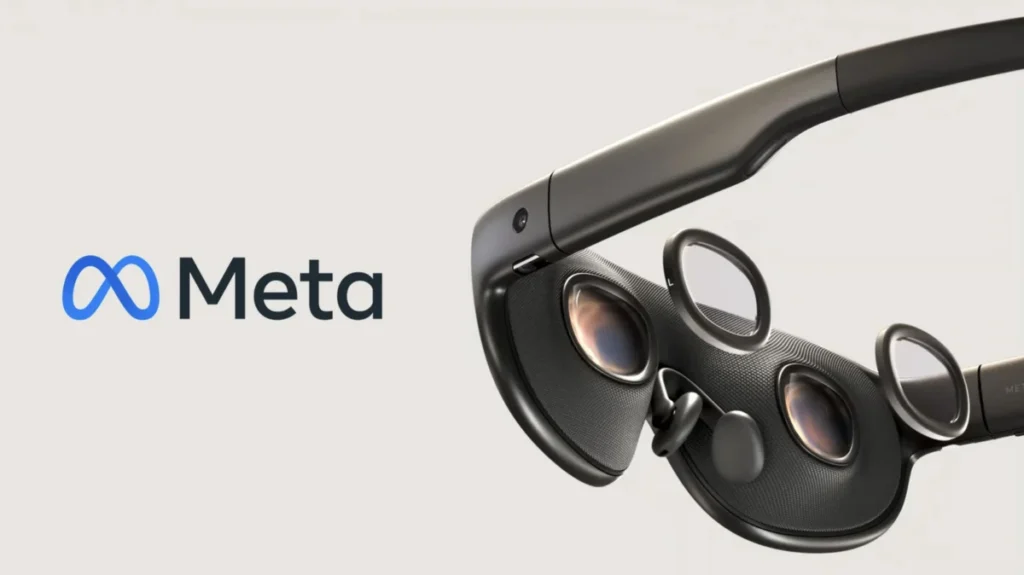
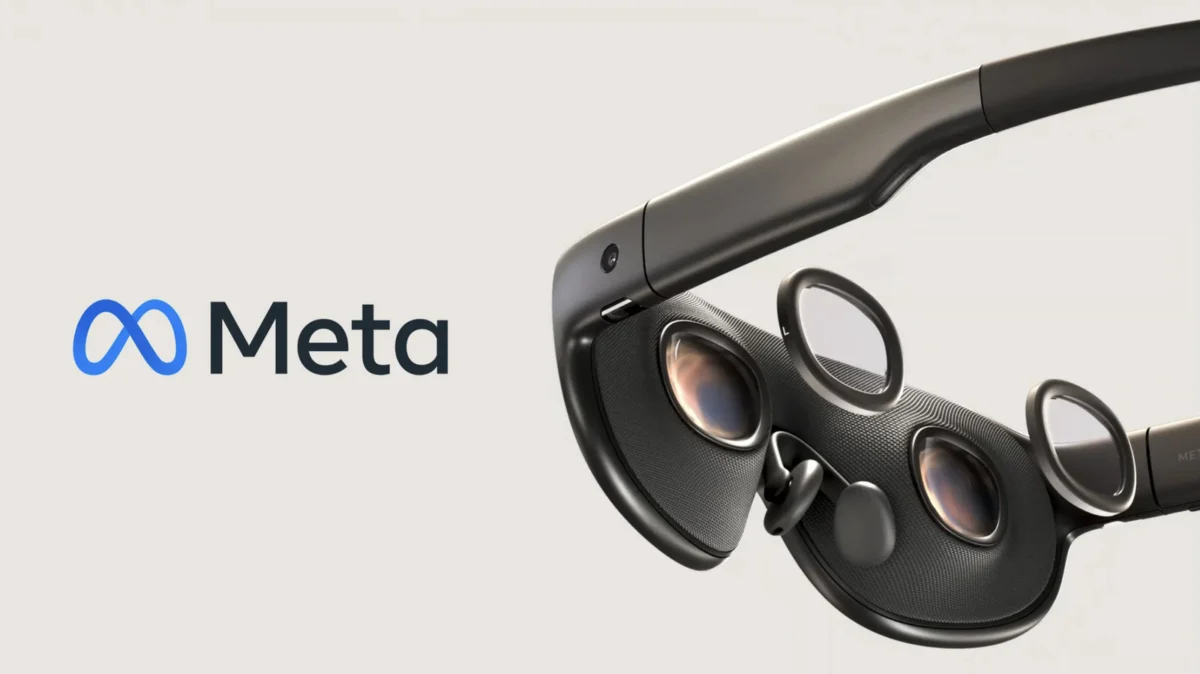
Meta’s ambition to define the future of spatial computing has taken a significant, if accidental, turn. Leaked imagery from an internal HorizonOS application has provided the public with its first concrete look at "Project Phoenix," a device that represents a radical departure from the bulky, all-in-one headsets that have characterized the Quest series. As Meta prepares for its annual Connect developer conference, the accidental unveiling of this hardware suggests that the company is moving closer to realizing its vision of "glasses-like" mixed reality.
The Accidental Unveiling: How the Leak Occurred
The existence of Project Phoenix was brought into the light not through a sophisticated corporate press release, but through a digital misstep. A temporary placeholder application titled "HorizonOS Prescription Lens" appeared in the Meta ecosystem, seemingly designed to assist users in ordering custom optical inserts for their mixed reality hardware.
As reported by UploadVR, the app—which has since been scrubbed from existence—contained high-resolution image files depicting a hardware form factor that is distinctly different from the Quest 3 or the Quest Pro. The files revealed a sleek, lightweight chassis, marking the first time the public has seen the "Phoenix" design in such detail. By embedding these assets into a public-facing application, Meta unintentionally pulled back the curtain on a project that has been the subject of industry speculation for over a year.
Chronology: A Long Road to "Phoenix"
The timeline of Meta’s AR/VR strategy has been characterized by iterative hardware releases and significant pivots.
- 2023: Meta solidified its dominance in the consumer VR space with the Quest 3, a highly successful standalone headset. However, the company faced mounting pressure to address the "goggle" fatigue associated with long-term wear.
- Early 2024: Rumors began circulating regarding a new, slimmed-down device intended to compete with glasses-like hardware such as the Xreal Aura. Analysts noted that Meta was experimenting with tethered designs to offload weight from the face.
- Mid-2024: Reports emerged suggesting that internal development schedules for various AR projects had shifted. Specifically, news broke that Meta was recalibrating its launch timelines for high-end mixed reality glasses, pushing expectations toward 2027 to ensure a polished user experience.
- September 2025: The discovery of the "HorizonOS Prescription Lens" app assets. This incident serves as the most recent milestone, signaling that while the hardware may be years from retail shelves, the design language is now finalized.
Technical Implications: The Tethered Trade-off
The images of Project Phoenix reveal a device that prioritizes ergonomics over internal battery capacity. Unlike the Quest 3, which integrates batteries and processors into the head-mounted unit, the Phoenix design appears to lean into a "puck-based" architecture.
The Case for Tethering
By utilizing a cable to connect the headset to a separate computing unit or battery pack, Meta can significantly reduce the weight on the user’s nose and ears. This is a critical hurdle for "all-day" wearable tech. If the device is meant to be worn for extended sessions—whether for productivity, media consumption, or casual social interactions—the reduction of thermal mass and physical weight is non-negotiable.
Controller-Free Interaction
A pivotal detail emerging from the leaks is the absence of traditional controllers. The industry has been trending toward hand-tracking as the primary input method for spatial computing, and Meta’s upcoming schedule for the Connect conference aligns with this shift. Meta has scheduled a session titled "A Practical Guide to Controller-Free Interaction," which acts as a strong breadcrumb trail. By stripping away the need for capacitive controllers, the company is betting that its machine-learning-driven gesture recognition is finally robust enough to handle complex UI navigation.
The Strategic Landscape: Meta’s Dual-Track Approach
Meta is currently executing a dual-track strategy. On one side, it continues to iterate on the standalone Quest line, which remains the gold standard for immersive gaming and fitness. On the other, it is aggressively pursuing the "smart glasses" market, as evidenced by the success of its partnership with Ray-Ban.

Project Phoenix appears to occupy the "missing middle"—a high-fidelity mixed reality device that provides the immersion of a headset but the aesthetic and weight profile of a sophisticated pair of glasses. This category is currently being contested by players like Xreal, Viture, and Apple (with its Vision Pro, albeit at a drastically different price point).
Official Responses and Corporate Silence
As is customary, Meta has declined to comment on the leaked imagery. The company’s silence, however, is telling. In the world of high-stakes hardware development, a "no comment" is often the safest path to avoid confirming design specs that may still be subject to minor revisions before mass production begins.
Despite the lack of official confirmation, the timing of the leak just weeks before the September 23 Connect event is fueling intense speculation. If the company is indeed preparing to tease the device, it would be a departure from its usual practice of only showing hardware that is ready for immediate preorder.
Implications for the Future of Spatial Computing
What does Project Phoenix mean for the average consumer?
- Normalization of AR/VR: If Meta successfully launches a lightweight, glasses-like device, it could move the industry away from the "clunky tech enthusiast" stigma and toward a more fashion-forward, everyday wearable status.
- Platform Dominance: By expanding the HorizonOS footprint to include these new form factors, Meta is building a software moat. The more hardware formats that run on HorizonOS, the more attractive the ecosystem becomes for third-party developers.
- The 2027 Horizon: While we are seeing the device now, industry analysts caution that a 2027 release date remains the most likely scenario. Meta is reportedly wary of repeating the mistakes of early, underpowered AR glasses. They want to ensure that when Phoenix launches, it offers a "wow" factor that justifies the likely premium price point.
Conclusion: The Path to Connect 2025
The accidental reveal of Project Phoenix has injected a sense of urgency and excitement into the upcoming Meta Connect event. While last year’s conference was notably light on new VR hardware, focusing instead on AI integration and smart glasses, the discovery of these design files suggests a shift in priorities.
Meta is signaling that it is ready to challenge the status quo of mixed reality. Whether or not they choose to formally acknowledge the device on stage in September, the leaked images have effectively set the stage for the next phase of the company’s evolution. As the industry watches closely, the message from Menlo Park is clear: the future of computing isn’t just about what you see on a screen—it’s about how that screen disappears into the world around you.
The road to 2027 is long, and there will undoubtedly be more leaks, more pivots, and more technical hurdles. But with Project Phoenix, Meta has provided a glimpse into a future where the line between the digital and physical worlds becomes increasingly blurred—and, more importantly, increasingly comfortable to wear.