The Rise of the Googlebook: Inside the High-End Ambitions of Lenovo’s New 15-Inch Flagship
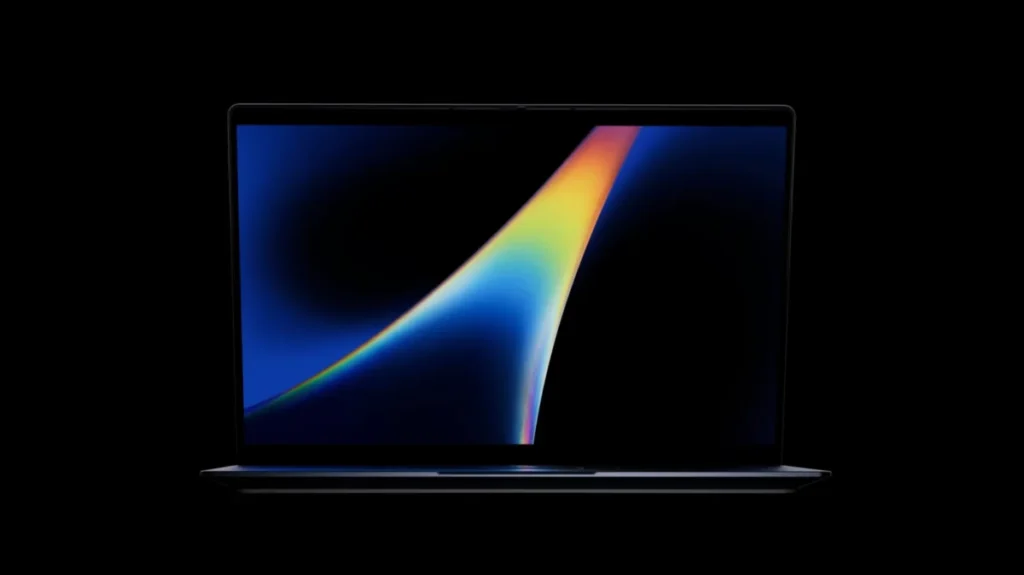
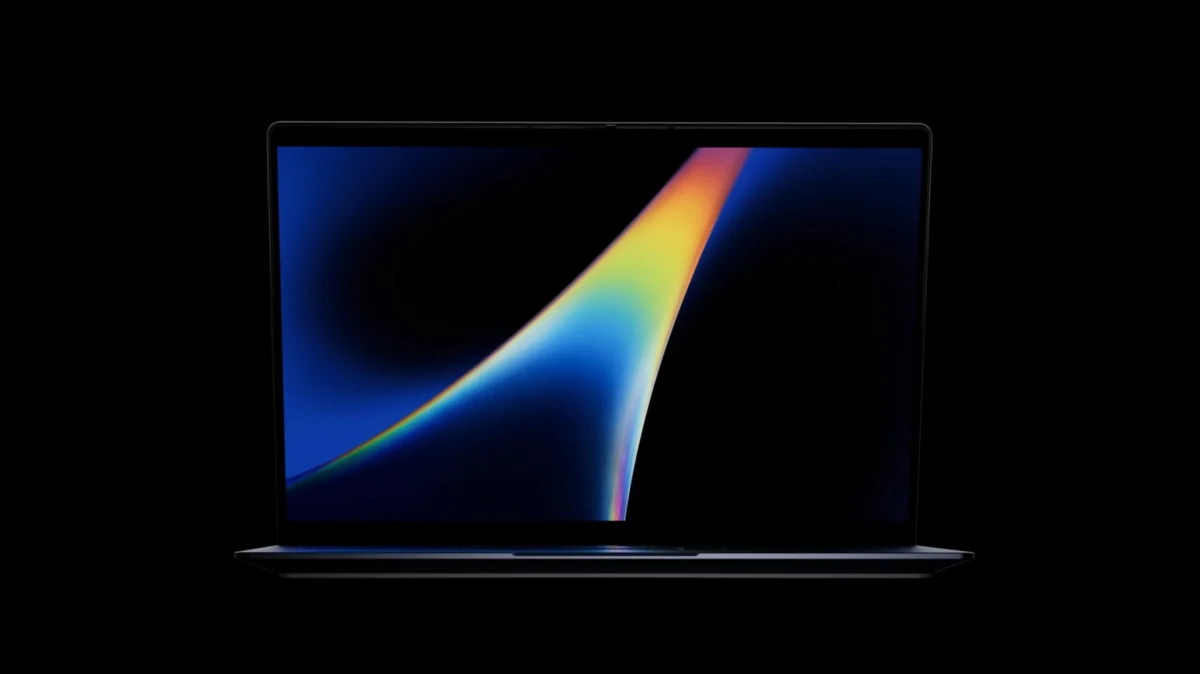
As the landscape of personal computing continues to shift toward integrated AI and cloud-native experiences, Google is preparing to retire the traditional Chromebook identity in favor of a more ambitious, premium vision: the "Googlebook." With an official launch event slated for September 15 in New York City, anticipation is building. Recent leaks regarding the Lenovo Googlebook 15 suggest that Google is positioning its new Android-based platform not merely as a budget-friendly student tool, but as a direct competitor to high-end ultrabooks and even the MacBook Air.
The Main Facts: A New Tier of Performance
The latest intelligence, courtesy of an exclusive report from MacObserver, paints a picture of a device that breaks away from the "cheap plastic" stigma often associated with legacy Chromebooks. The Lenovo Googlebook 15 is poised to feature a 15.3-inch OLED display, a significant departure from the standard LCD panels found in entry-level education hardware.
Key specifications identified in the leak include:
- Display: 15.3-inch OLED panel, 120Hz refresh rate, 2,880 x 1,800 resolution, and 500 nits of peak brightness.
- Processor: Intel Core Ultra 5, indicating a focus on NPU (Neural Processing Unit) integration.
- Memory: 16GB or 32GB of high-speed LPDDR5x RAM.
- Storage: 256GB or 512GB of internal storage.
- Aesthetic Features: An integrated "glowbar," a unique multicolored LED strip designed for contextual AI signaling.
These specifications represent a massive leap forward, moving well beyond the "Chromebook Plus" standard—a previous initiative that mandated at least 8GB of RAM and 128GB of storage. By opting for 32GB of RAM and an Intel Core Ultra processor, Lenovo and Google are signaling that these machines are intended for power users, creative professionals, and those deeply integrated into the Gemini AI ecosystem.
Chronology of the Googlebook Initiative
The transition from Chromebooks to Googlebooks has been a calculated, multi-year evolution. The history of this shift can be traced through several critical milestones:
The Legacy of the Chromebook (2011–2022)
For over a decade, ChromeOS was synonymous with simplicity. Designed primarily for the web, Chromebooks became the gold standard for K-12 education and budget-conscious consumers. While Google attempted "premium" hardware in the past—most notably the Google Pixelbook—the market remained heavily skewed toward low-cost devices.
The "Chromebook Plus" Pivot (2023)
In late 2023, Google introduced the "Chromebook Plus" initiative. This was the first major step in raising the floor for hardware standards. By requiring better displays, higher-quality webcams, and faster processors, Google began preparing the developer and manufacturing ecosystem for the performance requirements of on-device AI.
The Android-Based Evolution (2024)
Earlier this year, reports began circulating that Google was planning to merge its desktop and mobile architectures more aggressively. By shifting toward an Android-based OS for its premium laptops, Google aims to provide a seamless continuity between a user’s smartphone and their desktop environment. The upcoming September 15 event is the culmination of this strategy, intended to introduce the world to the "Googlebook" branding officially.
Supporting Data: Why the Specs Matter
The inclusion of an Intel Core Ultra 5 chip is perhaps the most telling aspect of the leak. These processors are specifically designed with an integrated NPU, which is essential for running Large Language Models (LLMs) locally on the device rather than relying solely on cloud processing.
Performance Benchmarking
Compared to the standard Intel Core i3 or i5 chips found in mid-range Chromebooks, the Core Ultra architecture offers vastly improved power efficiency and thermal management. For a 15.3-inch device, which typically requires more power to drive a high-resolution screen, the Core Ultra 5 provides the necessary overhead for multitasking, heavy browser loads, and AI-driven background tasks.
The Display Paradigm Shift
The choice of an OLED panel with a 120Hz refresh rate is a direct challenge to the premium Windows laptop market. By offering 500 nits of brightness, the Lenovo Googlebook 15 will be usable in direct sunlight, a major upgrade over the 250-300 nit panels common in the education sector. This suggests that Google is targeting mobile professionals who work in diverse environments—cafes, offices, and transit hubs.

The AI Integration: Magic Cursor and the Glowbar
Perhaps the most intriguing hardware-software synergy mentioned in the leaks is the "glowbar." While LED strips have existed on gaming laptops for years, their implementation in the Googlebook appears to be strictly functional.
Contextual Intelligence
The glowbar is rumored to interact with Gemini, Google’s AI assistant. When the user initiates a query, the bar may change colors or pulse to signal that the AI is processing information, listening, or awaiting user input. This is designed to remove the "black box" feel of AI, providing a physical, visual indicator of the software’s current state.
Magic Cursor
The software counterpart to this is the "Magic Cursor." This feature aims to streamline the workflow by allowing the cursor to act as a universal prompt tool. By hovering over text, images, or code, the user can trigger Gemini to summarize, translate, or rewrite content on the fly. This integration suggests that Google is moving away from a browser-centric experience toward a "system-wide" AI experience where the OS itself is the interface.
Official Responses and Industry Implications
While Google has maintained a tight lid on the specific hardware configurations, the tech giant has been vocal about its broader AI strategy. In various keynote addresses, Google executives have emphasized that the future of computing lies in "ambient intelligence."
The Market Gap
Industry analysts suggest that the Googlebook initiative is an attempt to capture the "prosumer" market that has drifted toward Apple’s MacBook lineup. For years, the lack of powerful, local AI capabilities on Chromebooks hindered their adoption by creative professionals. If the Lenovo Googlebook 15 can deliver on its promise of high-end performance, it could disrupt the market for users who are already invested in the Google Workspace ecosystem (Docs, Sheets, Drive) but have felt limited by entry-level hardware.
Potential Price Points
Given the inclusion of OLED panels, Core Ultra processors, and 32GB of RAM, it is highly unlikely these devices will retail for the $300–$500 price range typical of Chromebooks. Industry experts expect a starting price in the $800–$1,200 bracket. This moves the product line into the premium tier, a gamble that hinges on whether consumers are willing to pay "Apple prices" for an Android-based computing experience.
Implications for the Future of Personal Computing
The launch of the Lenovo Googlebook 15 marks a pivotal moment for the industry. It signals that Google is no longer content with being the "affordable alternative."
The End of the "Thin Client" Era
For years, Chromebooks were viewed as "thin clients"—devices that were essentially portals to the internet. The new hardware specs suggest a move toward "thick" or "local-first" computing, where the device is powerful enough to handle significant processing tasks without constant cloud connectivity.
The Android-Desktop Convergence
By aligning the Googlebook platform with Android, Google is effectively creating a unified operating system strategy. This could lead to a future where applications are truly cross-compatible between phones, tablets, and laptops, creating a "walled garden" that rivals the integration of Apple’s ecosystem.
Conclusion
As the September 15 media event approaches, the industry is watching closely. If the Lenovo Googlebook 15 is indeed the herald of a new era, it suggests that Google is prepared to leverage its massive AI lead to redefine what we expect from a laptop. By blending premium, high-refresh OLED hardware with the next generation of Gemini AI tools, Google is attempting to solve the biggest problem in computing today: how to make our devices feel like partners rather than just tools. Whether the consumer market is ready to embrace this new, more expensive version of the "book" remains to be seen, but one thing is clear: the era of the budget-only Chromebook is coming to an end.