The Invisible Trigger: How Bacterial Subtypes and Air Quality Drive Invasive Pneumococcal Disease
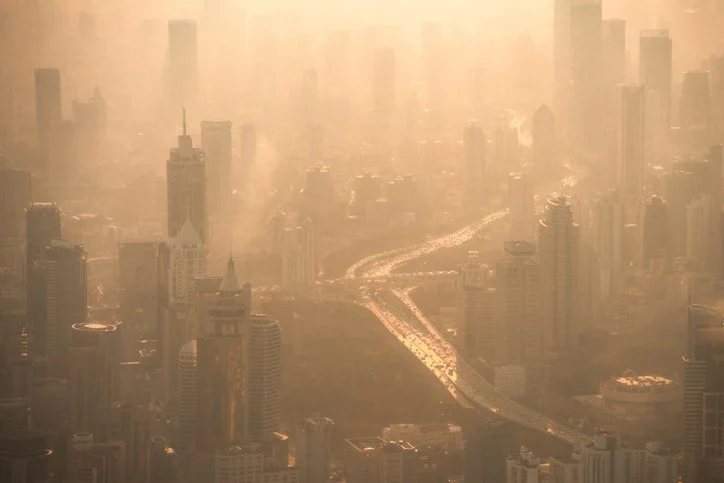
The delicate balance of the human respiratory microbiome is often invisible until it is disrupted. Streptococcus pneumoniae, a bacterium that colonizes the upper respiratory tract of approximately 20 percent of the global adult population, serves as a silent passenger for most. However, when this commensal relationship turns pathogenic, the results can be catastrophic. Invasive pneumococcal disease (IPD)—manifesting as bacterial sepsis, pneumonia, and meningitis—remains a leading cause of morbidity and mortality worldwide.
A groundbreaking study published in Nature Microbiology has unveiled a critical new layer to this health crisis: the interplay between specific bacterial serotypes and environmental triggers. By analyzing nearly two decades of clinical data, researchers have demonstrated that air pollution does not act as a uniform catalyst. Instead, the risk of infection, its timing, and the vulnerability of the host are dictated by the specific subtype of S. pneumoniae present in the respiratory tract.
The Core Findings: A Nuanced Risk Profile
The study, titled "Pneumococcal population structure influences the effects of air pollution on invasive disease risk in South Africa," challenges the long-held notion that environmental exposures affect all bacterial strains equally. Researchers have identified that while high levels of air pollution generally heighten the risk of IPD, the "molecular signature" of the infecting strain determines how rapidly that risk manifests.
The research team found that while the overall population experiences a surge in IPD cases roughly two weeks after spikes in air pollution, this timeline is not universal. For individuals carrying specific serotypes—namely 4, 8, 23F, and 19F—the risk of developing an invasive infection is immediate, often occurring within the same week of exposure to poor air quality. Conversely, other strains exhibit a more delayed, insidious onset. This discovery suggests that the respiratory microbiome acts as a biological filter, where the genomic structure of the colonizing bacteria dictates the host’s vulnerability to environmental stressors.
Chronology of the Investigation
To reach these conclusions, the research team undertook a massive epidemiological undertaking, leveraging 19 years of data from South Africa’s national GERMS-SA surveillance program. This program is one of the most robust infectious disease monitoring systems in the Southern Hemisphere, providing a granular view of over 59,000 cases of IPD.
- 2005–2015 (Foundational Data): The team began by compiling longitudinal data on pneumococcal carriage and IPD incidence. In South Africa, where carriage rates in children fluctuate between 40 and 60 percent, the burden of disease is significant.
- 2016–2022 (Data Integration): Researchers mapped clinical outcomes against historical meteorological and environmental datasets. By integrating high-resolution air quality measurements, temperature indices, and humidity levels, the team created a multi-dimensional model to strip away confounding variables.
- 2023–2024 (Genomic Correlation): The critical turning point in the study occurred when the researchers performed strain-level genomic analysis. By categorizing the 59,000 cases into distinct serotypes, they were able to observe the divergent responses to environmental triggers.
- 2025–2026 (Peer Review and Publication): The findings were validated through rigorous statistical modeling, ensuring that population density and seasonal viral patterns did not skew the results. The final publication in Nature Microbiology represents the culmination of nearly two decades of epidemiological inquiry.
Supporting Data: Dissecting the Environmental Variables
The study utilized a sophisticated statistical framework to control for seasonal variability. It is well-documented that weather influences human behavior and physiological response; for example, cold temperatures have long been associated with spikes in respiratory illness.
The researchers confirmed that cold weather leads to a delayed increase in IPD cases, a phenomenon they hypothesize is linked to either the slowing of bacterial transmission or the damage caused by seasonal viruses, which pave the way for secondary bacterial infections. Conversely, they observed that high temperatures were associated with an immediate, short-term increase in disease risk.
However, air pollution emerged as the most complex variable. When examining the specific serotypes 14, 19A, and 8, the researchers found a statistically significant correlation with the highest rates of invasive disease. These strains appear to be particularly "responsive" to the inflammatory damage caused by particulate matter (PM2.5) in the lungs. When air quality degrades, these bacteria—which might otherwise remain dormant—are essentially "activated," crossing the mucosal barrier to enter the bloodstream or invade the meninges.
Official Perspectives: Translating Science into Policy
Dr. Sophie Belman, a former researcher at the Wellcome Sanger Institute and the Barcelona Supercomputing Center, and currently an assistant professor at the Yale School of Public Health, served as a lead voice in the study.
"While we found that temperature and air pollution generally increase the risk of invasive pneumococcal diseases, our research also suggests that it is the bacterial subtypes a person is carrying that modulate infection rates," Dr. Belman stated. "The strain of bacteria impacts the timing of disease and who might be more at risk depending on their respiratory microbiome, meaning that the risk is not the same in every situation or for every person."
Dr. Belman emphasizes that the study is a call to action for urban planning and public health policy. "By extending our findings to other parts of the globe, we will better understand who has the highest health risk from environmental exposures, and what factors need to be addressed in different regions, such as improving air quality in cities."
The implications for public health are profound. Current vaccination strategies—such as the Pneumococcal Conjugate Vaccine (PCV)—target specific serotypes. The findings from the Nature Microbiology paper suggest that public health officials could potentially use real-time air quality forecasting to predict when and where specific serotypes might pose the greatest threat, allowing for targeted clinical interventions.
Clinical and Societal Implications
The intersection of genomics and environmental science offers a new paradigm for "precision public health." By integrating genomic surveillance of the respiratory microbiome with environmental monitoring, hospitals and health ministries can move from reactive care to proactive prevention.
Implications for Healthcare Preparedness
Hospitals in urban centers with high air pollution could utilize these models to predict patient surges. If air quality monitors detect a threshold level of particulate matter, clinics could increase staffing levels or prioritize high-risk populations—such as the elderly and young children—who are disproportionately affected by the synergy between pollution and bacterial colonization.
Policy and Urban Planning
The evidence presented in the study reinforces the urgent need to address urban air quality not just as a respiratory or cardiovascular health issue, but as an infectious disease prevention strategy. Reducing air pollution in densely populated areas may lead to a measurable reduction in the incidence of sepsis and meningitis, particularly in regions where pneumococcal carriage is high.
Future Research Directions
The researchers are already looking toward expanding the study’s scope. "We are only beginning to understand how the microbiome interacts with the environment," the team noted. Future iterations of this research will likely focus on:
- Global Generalizability: Testing whether the same serotype-pollution interactions hold true in temperate climates and different socioeconomic settings.
- Vaccination Efficacy: Evaluating if current vaccines provide equal protection against strains that are exacerbated by environmental stress.
- Biological Mechanisms: Investigating the cellular pathways that allow air pollution to "trigger" these specific bacterial strains to become invasive.
Conclusion: A New Era of Predictive Medicine
The study provides a sobering reminder that our health is intrinsically linked to the air we breathe and the invisible microbial ecosystems we harbor. As global urbanization continues to alter the environmental landscape, the ability to predict how these factors influence the severity of infectious diseases is becoming a cornerstone of modern medicine.
By shifting our focus from the broad threat of "bacteria" to the specific behaviors of individual serotypes, we can better safeguard vulnerable populations. The integration of genomic surveillance and environmental monitoring is not just a scientific advancement; it is a vital tool for ensuring that in an increasingly polluted world, we remain one step ahead of the pathogens that share our space.