Small Scale, Massive Creativity: A Retrospective on Ludum Dare 56
The world of game development is often associated with sprawling teams, multi-year production cycles, and AAA budgets that rival major motion pictures. However, for a dedicated community of indie developers, the true essence of game creation is found in constraints. This past weekend, from October 4th to October 7th, the global development community converged for Ludum Dare 56, a bi-annual marathon where participants are challenged to build a functional game from scratch in just 48 to 72 hours.
The theme for this iteration—"Tiny Creatures"—served as a catalyst for a surge of innovation, proving that even with limited time and resources, developers can craft experiences that are as emotionally resonant as they are technically impressive.
The Chronology of a Jam: From Prompt to Prototype
Ludum Dare operates on a rigorous, high-pressure timeline designed to push developers into a state of "flow." The event is structured to minimize deliberation and maximize execution.
- October 4th (The Kickoff): The theme "Tiny Creatures" is announced. Developers worldwide begin the frantic process of brainstorming. During this phase, the itch.io community forums are flooded with conceptual sketches and early mechanical prototypes.
- October 5th–6th (The Build): This is the core development period. Participants must balance their limited time between asset creation—often hand-drawn sprites or pixel art—and programming core mechanics. The "Tiny Creatures" theme forces developers to consider scale, resulting in top-down perspectives, micro-managed strategy games, and narrative-heavy adventures.
- October 7th (The Submission Deadline): The atmosphere on the itch.io platform shifts from production to submission. Developers scramble to export builds, write brief descriptions, and ensure their games are playable in browser environments. By the end of the day, hundreds of entries populate the tag, ready for the community-driven feedback phase.
The Spectrum of "Tiny Creatures": Notable Highlights
The diversity of the entries showcased the sheer versatility of the theme. From high-octane roguelikes to gentle, narrative-driven experiences, the following selections represent the standout entries from Ludum Dare 56.
Strategic Depth and Roguelikes
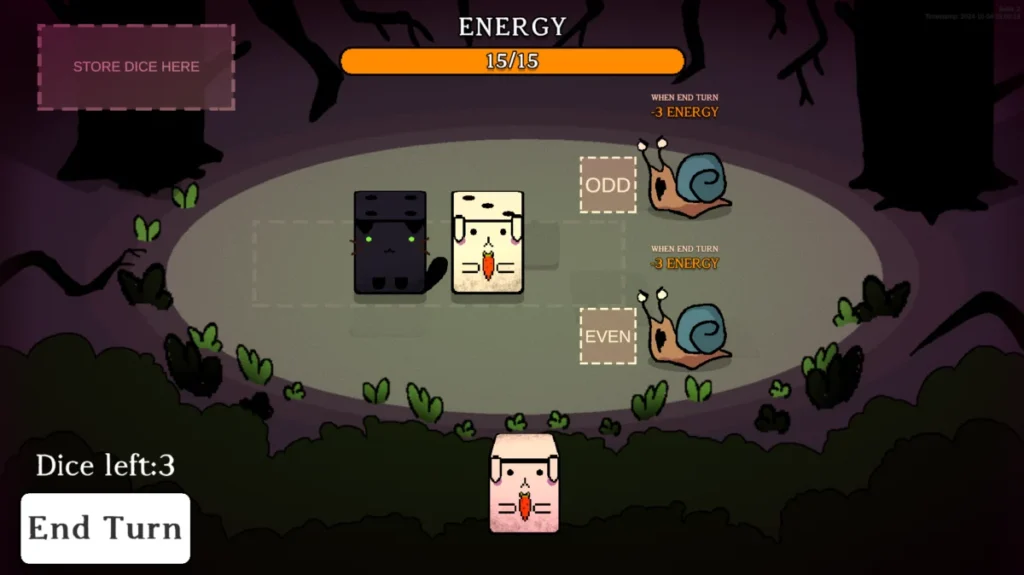
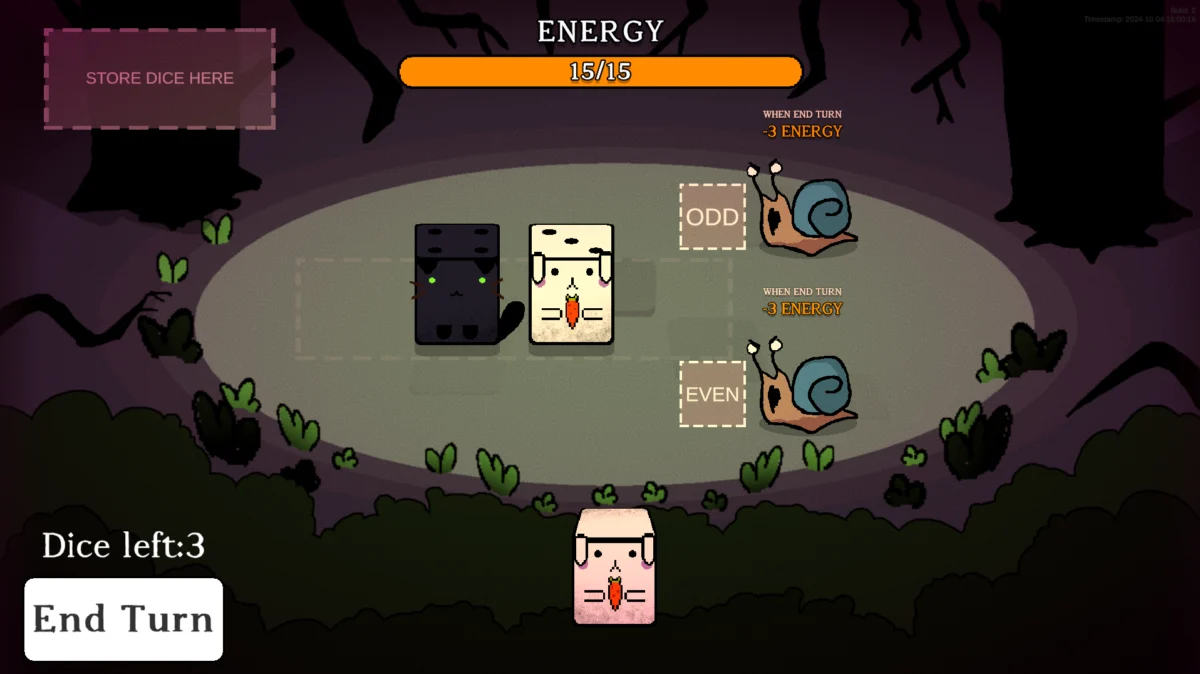
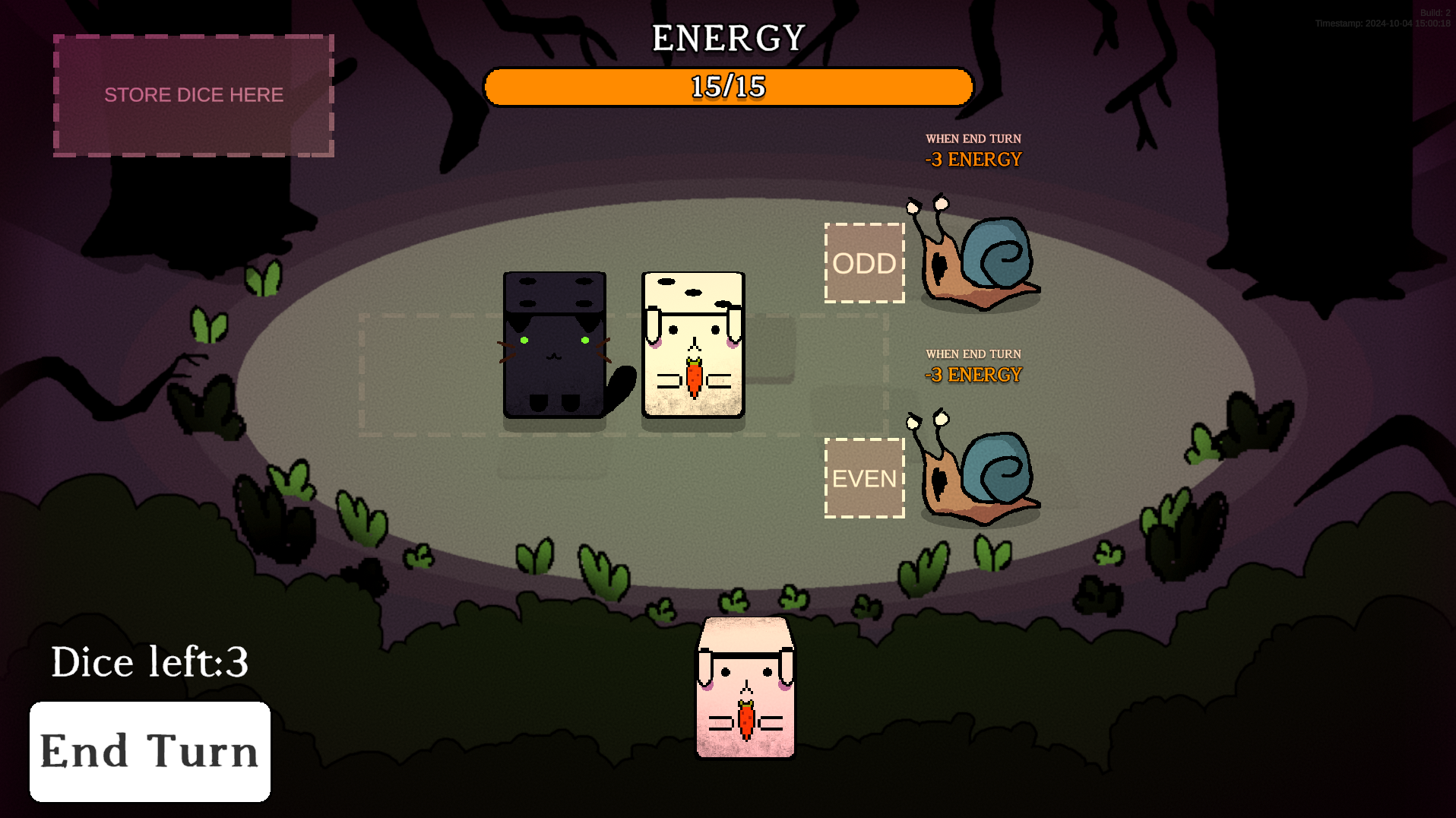
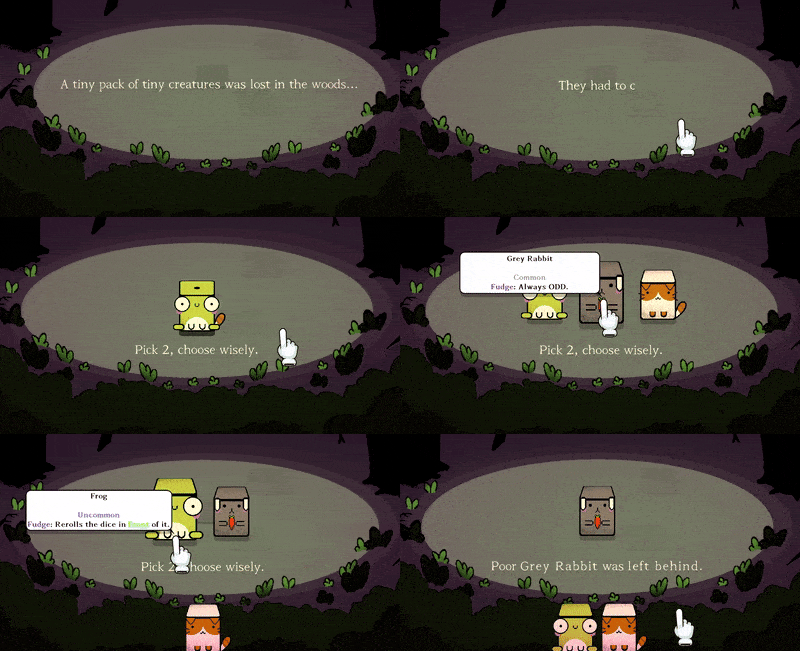
- TINY PACK: A standout entry that masterfully blends dice-based mechanics with deck-building strategy. By guiding a group of creatures through a forest, players must rely on RNG-mitigation strategies. Its pixel art aesthetic captures the essence of a woodland odyssey, making it one of the most mechanically robust entries of the jam.
- Combo Critters: Taking a more traditional approach to combat, Combo Critters offers a strategic card-battling system. It distinguishes itself by emphasizing synergy; players must curate their deck to create powerful combinations, effectively managing their team of tiny monsters to overcome complex AI opponents.
- Critter Switcher: This roguelike title tasks players with navigating a lush, pixelated garden. The focus here is on exploration and assembly, as the player seeks to find their "posse." It serves as a testament to how the "Tiny Creatures" theme can be effectively married to the procedural generation inherent in the roguelike genre.
Puzzles and Platformers
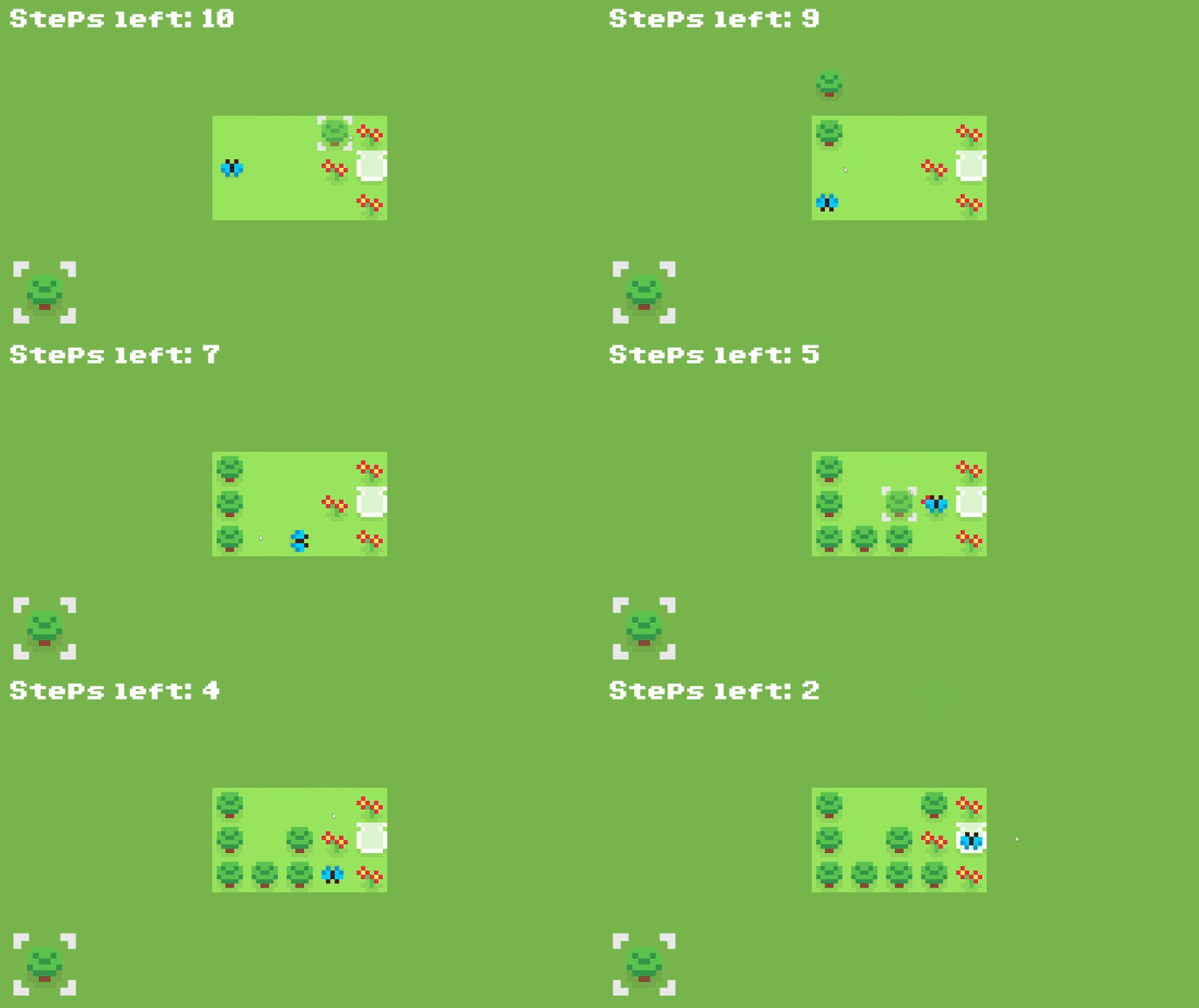
- Butterjar: A masterpiece of efficiency, this puzzle-platformer packs 13 levels into a 10-minute experience. It highlights the "micro-game" philosophy—providing a concise, satisfying loop without the need for extensive exposition.
- Candyween: Leaning into the seasonal spirit of October, this isometric puzzler features a witch’s cat navigating a world of ghosts and dogs. Its visual polish and clear, intuitive goals make it an accessible entry for casual players.
- GO BLO: A crowd-management puzzle game where the objective is to amass a following of blue people. The mechanics shift as the crowd grows, requiring the player to think about spatial awareness and pathfinding in increasingly complex levels.
Narrative and Incremental Experiences
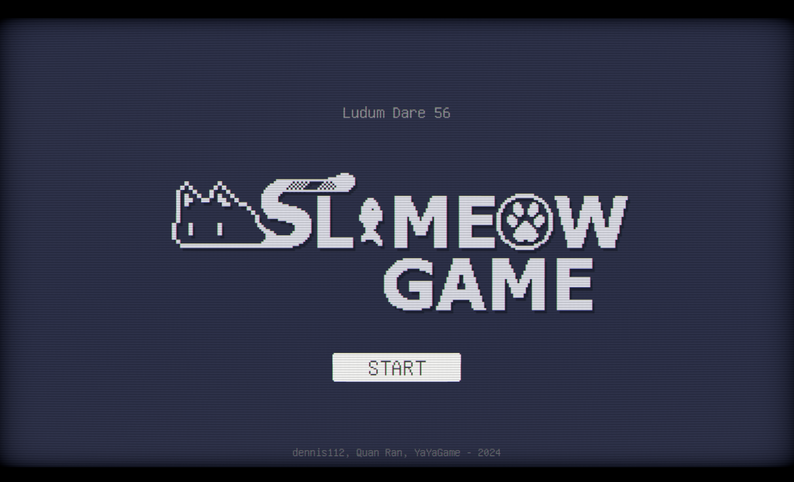
- Slimeow Game: An interesting hybrid of tower defense and incremental design. The gameplay loop—collecting fish to breed more slimeows to defend a pond—is deeply addictive, proving that the incremental genre is a perfect fit for the "tiny" scale of the jam.
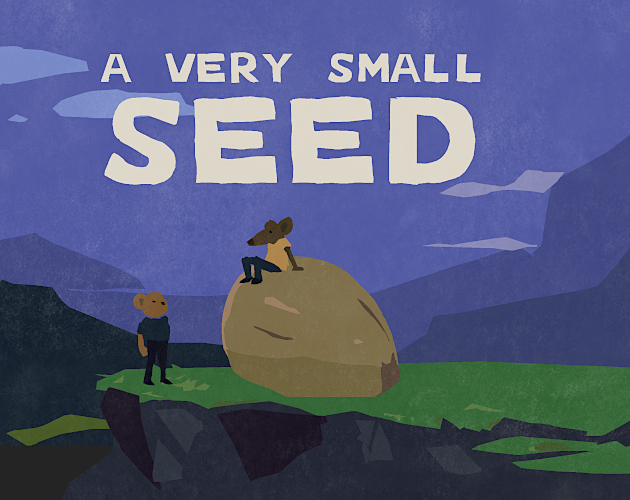
- A Very Small Seed: A poignant, hand-drawn adventure that focuses on the emotional weight of a journey. By centering the story on two tiny creatures, the developer creates a sense of fragility and wonder that is often missing from more combat-focused titles.
- Would You Still Love Me?: This title takes the theme in a psychological direction. It challenges the player with the narrative prompt of a partner transforming into a tiny creature, grounding the "Tiny Creatures" theme in human relationships and existential dread.
- Tiny Apple: For those who prefer a minimalist experience, Tiny Apple provides a one-button idle simulation. It proves that a game doesn’t need complex controls to evoke a sense of accomplishment or thematic consistency.
Supporting Data and Technical Constraints
The success of Ludum Dare 56 is measured not just in the quality of the games, but in the infrastructure required to support them. Browser-based play remains the gold standard for game jams, as it removes the barrier to entry for judges and players alike.
According to data from itch.io, the majority of top-rated submissions utilized accessible engines like Godot, Unity, or custom HTML5 frameworks. This technological reliance reflects a broader industry trend: the move toward lightweight, portable, and cross-platform development. The "Tiny Creatures" tag itself currently serves as a massive repository of experimental design patterns, providing an invaluable resource for researchers studying how creative constraints influence game design.
Official Perspectives: The Value of Constraints
In the aftermath of the event, the sentiment among the organizers at itch.io remains overwhelmingly positive. The "Tiny Creatures" theme was chosen specifically because it is evocative but broad enough to prevent design stagnation.
"The beauty of a 48-hour window is that it strips away the ego of development," one veteran participant noted in the forums. "You don’t have time to overthink your code or obsess over high-fidelity textures. You are forced to focus on the ‘fun’ of the mechanic. If the core loop isn’t engaging within the first minute, the game fails."

The event also serves as a critical networking hub. For many solo developers, the feedback loop—where participants are encouraged to play and rate each other’s games—is the most valuable aspect of the jam. It creates a meritocratic system where the ingenuity of the design outweighs the budget of the developer.
The Long-term Implications for Indie Development
What happens to these "tiny" games after the jam concludes? Historically, many of the most successful titles on platforms like Steam or Nintendo Switch began as Ludum Dare entries. The jam acts as a laboratory for the industry, where ideas are stress-tested in front of a knowledgeable audience.
- Iterative Growth: Successful jam games often transition into full-scale production. Developers take the core mechanical loop—which they now know is fun—and expand upon it with better assets, deeper narratives, and extended level design.
- Skill Acquisition: The pressure of a 72-hour deadline is the ultimate "crash course" in project management. Developers learn to scope their projects, prioritize features, and handle critical bugs under fire.
- Community Building: Ludum Dare continues to be the primary engine for social cohesion in the indie scene. By participating, developers signal their commitment to the craft, often finding collaborators for future, more ambitious projects.
Conclusion
Ludum Dare 56 has once again demonstrated that the indie game development scene is in a state of robust health. The "Tiny Creatures" theme provided a whimsical and flexible framework for developers to flex their creative muscles, resulting in a bounty of content that showcases the potential of rapid prototyping.
Whether through the tactical depth of TINY PACK, the emotional resonance of A Very Small Seed, or the clever puzzles of Butterjar, these games remind us that the size of the project does not dictate the magnitude of the experience. As the community looks forward to the next iteration of the jam, the lessons learned from this weekend—focus, iteration, and creative constraint—will undoubtedly continue to shape the next generation of indie classics.
Readers are encouraged to visit the Ludum Dare 56 tag on itch.io to explore the full library of submissions and support the developers who contributed to this incredible weekend of creation.