Bridging the Gap: itch.io Unveils Steam Shortcuts and Headless Launching in v26.20.0
The digital landscape for independent gaming has long been bifurcated: on one side, the sprawling, feature-rich infrastructure of platforms like Steam; on the other, the curated, creator-focused haven of itch.io. For years, players who enjoy the best of both worlds have faced a disjointed experience, forced to juggle multiple clients and fragmented libraries. Today, with the release of version v26.20.0, the team at itch.io has taken a significant step toward unifying these experiences, introducing long-awaited features that promise to integrate their catalog more seamlessly into the broader PC gaming ecosystem.
The update, which is currently rolling out to all users of the itch.io desktop app, introduces two primary pillars of functionality: native Steam shortcut synchronization and a powerful "headless" launching system. These tools are designed to reduce friction for the end-user while providing a robust framework for power users and developers alike.
The Evolution of the itch.io Desktop App: A Chronology
To understand the weight of this update, one must look at the iterative growth of the itch.io client. Unlike its competitors, which prioritize platform lock-in, itch.io has historically focused on portability, DRM-free accessibility, and developer freedom.
- Early Development: The initial iterations of the itch app focused primarily on secure downloading and basic library management. It served as a functional container for the site’s vast, eclectic library.
- The Rise of the "Butler": The introduction of Butler, the app’s underlying engine, allowed for efficient patching and data management. It turned the app from a simple downloader into a sophisticated management tool.
- Expansion of Features: Over the intervening years, the team added features like cloud saves, automatic prerequisite installation, and sandboxing. Each update moved the app closer to a professional-grade launcher.
- The v26.20.0 Milestone: Released in the current quarter, this version marks the most aggressive attempt yet to make itch.io a "first-class citizen" in a Steam-dominated hardware space, particularly with the advent of the Steam Deck and the rise of handheld PC gaming.
Streamlining the Experience: Steam Shortcuts
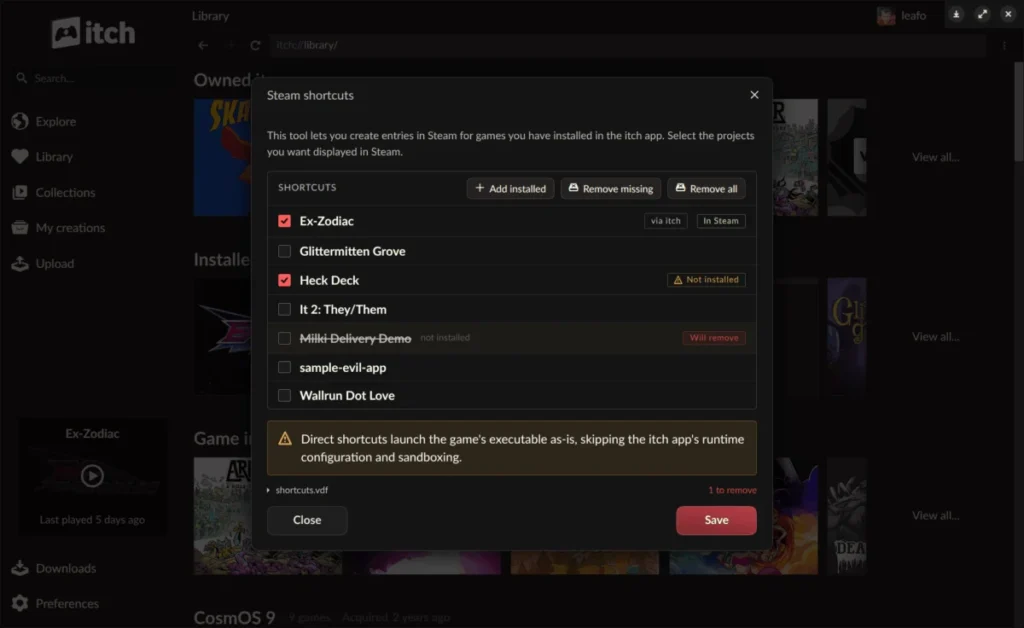
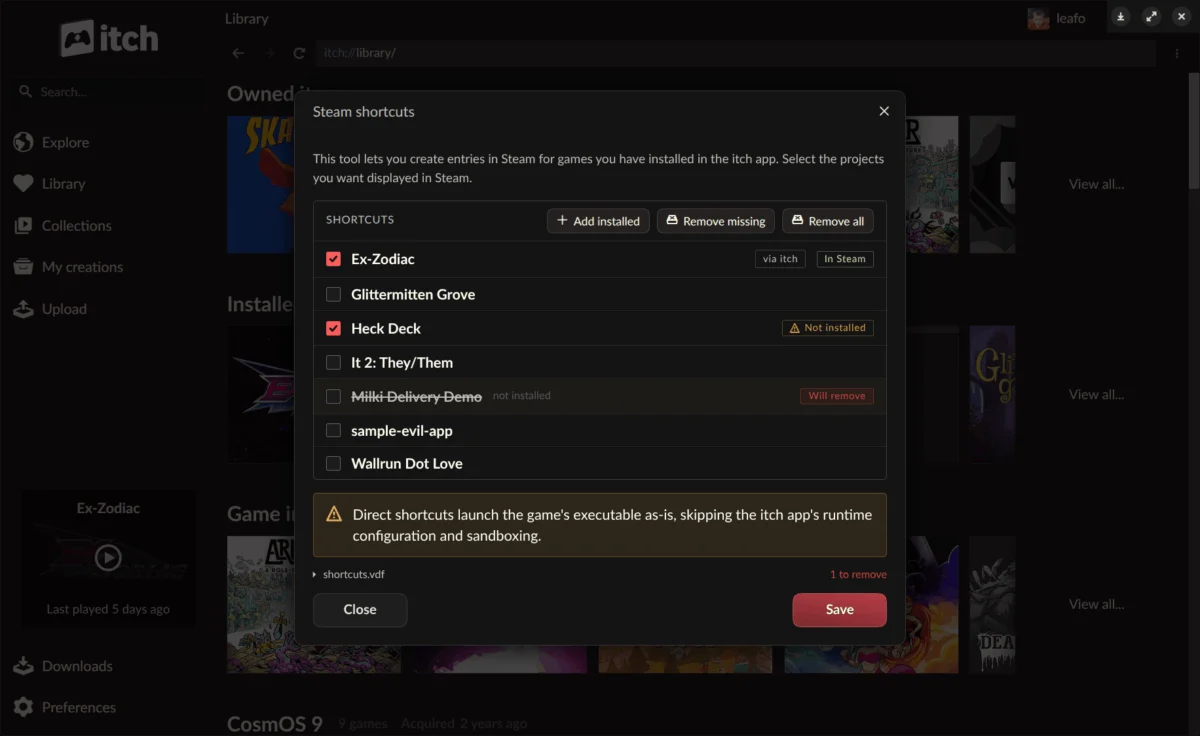
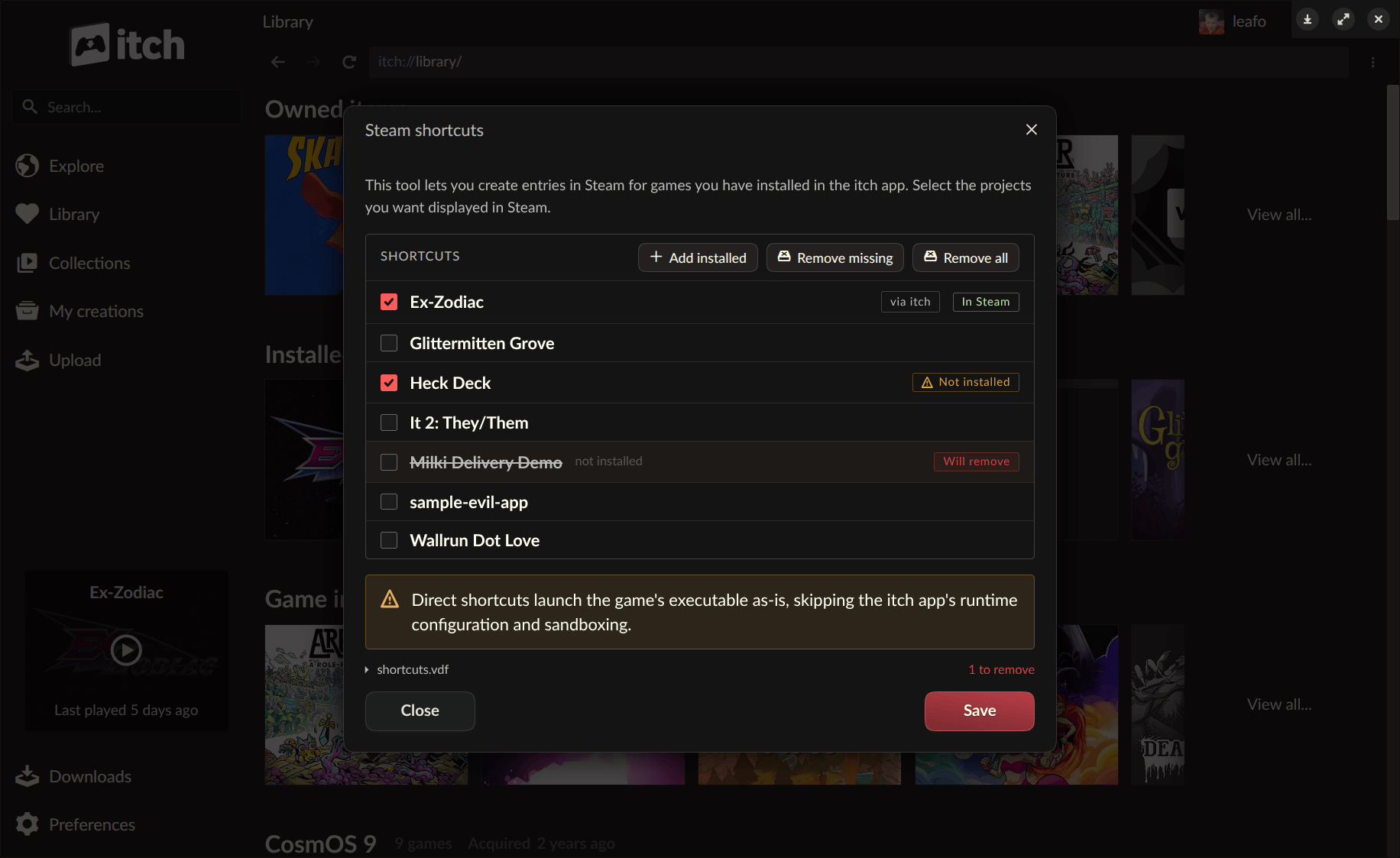
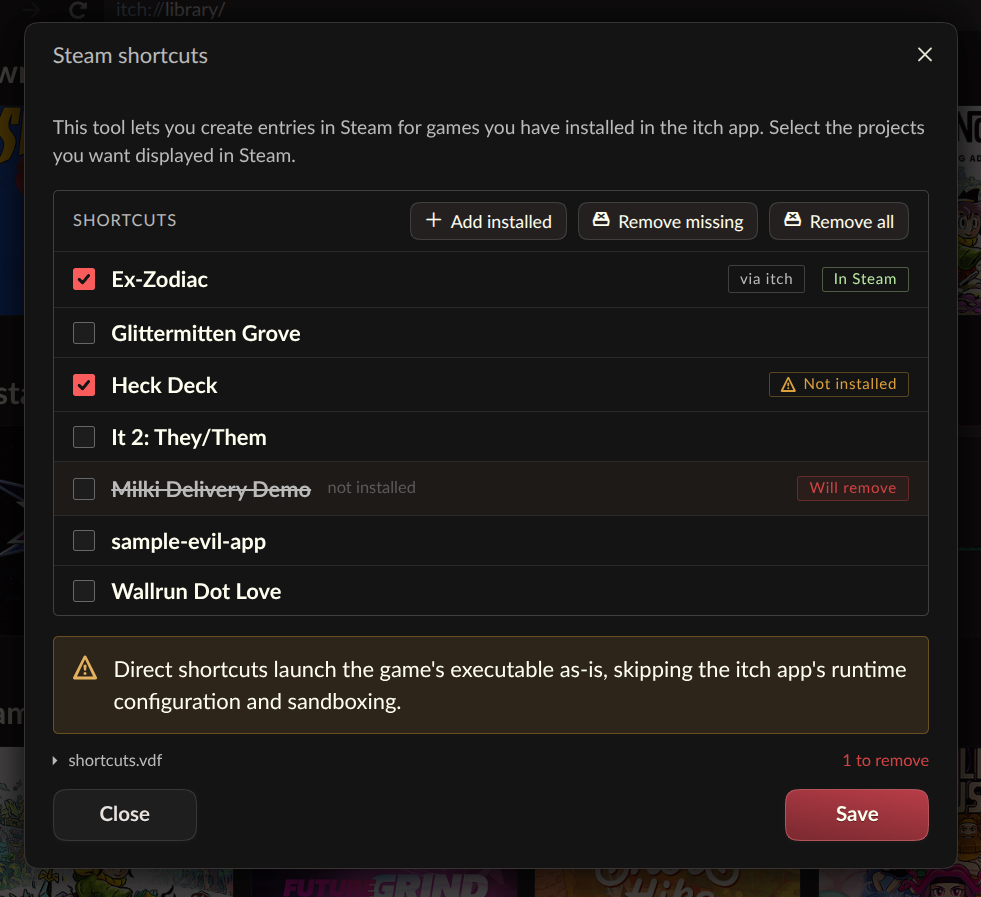
The headline feature of v26.20.0 is the ability to export installed itch.io games directly into the Steam library. For users who rely on Steam’s Big Picture mode or who frequently play on devices like the Steam Deck, this is a transformative addition.
Previously, accessing an itch.io title meant exiting a game session, closing the current interface, and launching the itch app. With this update, users can navigate to their preferences within the itch.io app or right-click any installed title to create a Steam shortcut. Once synchronized, these titles appear in the user’s Steam library, neatly organized into a dedicated "itch.io" collection.
This implementation is not merely a cosmetic link. By leveraging the new headless runner mode, these shortcuts act as a bridge. The user clicks the game in their Steam library, and the itch app handles the heavy lifting—such as verifying local files, managing play-time tracking, and applying user-configured launch arguments—all without forcing the user to interact with the itch.io interface directly.
The Engine Room: Headless Launching Explained
The technological backbone of this integration is the new "headless" launch capability. By introducing a command-line interface (CLI) approach to launching—specifically via the command itch-setup --run-game <gameId>—itch.io has provided a modular solution that extends far beyond Steam.
This feature allows the app to trigger games in the background. It maintains the integrity of the user’s settings, including:
- Sandboxing: Ensuring the game runs in a secure environment as defined by the user.
- Prerequisites: Automatically checking for and installing dependencies (like DirectX or Visual C++ redistributables) before launch.
- Telemetry: Maintaining accurate play-time tracking, a feature often lost when running standalone executables.
- API Handshakes: Ensuring that games requiring a secure API key from the itch.io servers receive it, even when the UI is hidden.
This "headless" mode is a significant boon for the open-source community. Developers building custom launchers, script-based libraries, or niche gaming OS projects now have a documented path to integrate itch.io titles natively into their own ecosystems. The team has provided comprehensive documentation via their Butler integration guide, signaling a commitment to interoperability.
Bridging the Gap: Linking Existing Folders
Recognizing that many itch.io users are power users who prefer to manage their own file structures, the update also includes a "Link existing folder" feature. This is an "escape hatch" for games that may have been downloaded manually or installed through other means. By registering an existing folder with the itch app, users can bring "orphan" games back into the fold of the app’s management tools without the need for a redundant, bandwidth-heavy re-download.
The team has kept this feature intentionally lean. It does not perform an exhaustive file-by-file integrity check; instead, it trusts the user’s directory, allowing for rapid integration. This serves as a perfect companion to the headless launching feature, allowing for a fully customized, user-maintained library that still benefits from the app’s launch-time infrastructure.
Implications for the Gaming Community
The release of v26.20.0 has sparked a lively debate within the community regarding the philosophy of game distribution. While many users have praised the integration, others have expressed concerns about the reliance on Steam, even for the purpose of shortcut management.
The DRM-Free Debate
A vocal segment of the itch.io user base prioritizes DRM-free experiences. Some users noted that they avoid Steam entirely to support companies that advocate for open, unrestricted software. The developers addressed this by clarifying that the integration is purely a convenience layer—the games remain DRM-free and managed by the itch.io app, even when launched via a Steam shortcut. The shortcut is essentially a "remote control" for the itch app, not a migration to Steam’s DRM servers.
The Linux and Handheld Frontier
The timing of this update is strategic. With the proliferation of Linux-based handhelds, the ability to easily manage non-Steam titles is vital. Linux gamers, who often rely on tools like Lutris or Wine/Proton, have expressed strong interest in the update. The community feedback suggests that future iterations might benefit from deeper integration with custom Wine versions, allowing users to select specific environment settings for Windows-only games that might otherwise be temperamental.
Security and Maintenance
The update also includes a series of security hardening measures. As the app gains the ability to execute commands via the headless interface, the developers have prioritized robust validation to prevent potential exploits. The release notes on GitHub provide a granular breakdown of these security patches, reflecting a maturing approach to software lifecycle management.
Official Stance and Future Outlook
In their official communications, the itch.io team has emphasized that this update is a response to years of user requests. By choosing to build a flexible, command-line-driven solution rather than a rigid, proprietary API, they have ensured that the app remains a neutral tool in the user’s library management strategy.
The reception has been largely positive, with long-time supporters highlighting how the app is evolving from a mere download client into a "perfect" launcher for smaller, experimental, and independent titles. While requests for mobile support and broader OS compatibility (such as native Mac updates) continue to circulate in the forums, the consensus is that version v26.20.0 is a substantial leap forward.
As the industry continues to consolidate around massive, walled-garden ecosystems, the efforts of the itch.io team to create bridges rather than walls are more significant than ever. By allowing independent titles to live side-by-side with mainstream blockbusters—while still maintaining the independence of the itch.io library—they are ensuring that the indie spirit remains visible, accessible, and playable, regardless of the launcher a player chooses to use.
The update is available immediately via the itch.io website, and existing users will receive the patch automatically. For those interested in the technical minutiae, the full, comprehensive changelog remains available on their GitHub repository, offering a transparent look at the work of the developers and the global community of translators who made this release possible.