The Future of Android: Unlocking Next-Gen Development with the Pixel 11 Ecosystem
The "Made by Google" event has long served as a North Star for the Android ecosystem, but the unveiling of the Pixel 11 Pro Fold and Pixel Watch 5 marks a definitive shift in how software and hardware intersect. By prioritizing adaptive design, edge-based artificial intelligence, and sophisticated gesture controls, Google is not merely launching devices; it is providing a blueprint for the next decade of mobile computing. For developers, this evolution presents both a mandate and a massive opportunity: the data indicates that users of foldable devices are 14 times more likely to engage in high-value interactions compared to standard smartphone users, making adaptive optimization a commercial imperative.
Main Facts: The New Hardware and Software Horizon
At the core of the latest announcements is the Pixel 11 Pro Fold, a device designed to challenge the status quo of mobile multitasking. Google’s strategy here is to eliminate the friction between "folded" and "unfolded" states, ensuring that applications move seamlessly across diverse screen sizes and unique postures.

Complementing the hardware is Wear OS 7, which arrives on the Pixel Watch 5. This iteration of the operating system focuses on battery efficiency—offering a 10% improvement over its predecessor—and "glanceable" UI patterns. Finally, the introduction of Gemini Nano 4 on the Pixel 11 series marks a pivotal moment for on-device AI. By shifting intensive processing from the cloud to the local NPU (Neural Processing Unit), developers can now build applications that leverage sophisticated AI without latency or the privacy concerns inherent in cloud-based data transit.
Chronology: A Roadmap of Adaptive Evolution
The journey to the current ecosystem began years ago, but the timeline leading to the Pixel 11 release showcases a rapid acceleration of capabilities:

- Foundation Phase: Google introduced the initial Jetpack Window Manager libraries, laying the groundwork for handling device folds and hinges.
- The Compose Transition: With the widespread adoption of Jetpack Compose, the developer community moved away from rigid XML layouts toward declarative, responsive UI components.
- The AI Integration: Following the introduction of early LLMs on-device, the development of the ML Kit GenAI Prompt API enabled developers to begin testing natural language inputs directly within apps.
- The "Made by Google" 2026 Milestone: The launch of the Pixel 11 series and Wear OS 7 provides the stable environment necessary for these technologies—adaptive layouts, gesture frameworks, and Gemini Nano 4—to reach mass-market scale.
Supporting Data: Why Adaptivity Matters
The economic argument for investing in adaptive design is compelling. According to internal metrics shared by the Android Developer team, the "foldable user" is a distinct demographic that exhibits significantly higher engagement levels.
- Monetization: Foldable users spend approximately 14x more on apps and in-app services than standard smartphone users, suggesting that high-end users are drawn to the productivity and screen real estate these devices provide.
- Performance Gains: Developers like Flo Health reported that by adopting Jetpack Compose state primitives and Window Size Classes, they were able to reduce their state-preservation code by roughly 30%. This not only improved stability but also fixed long-standing lifecycle and analytics correctness issues.
- Efficiency: The shift to Wear OS 7 has yielded a 10% battery life improvement, allowing for more background processing and "Live Updates" without compromising the all-day battery life expectation of the user.
Official Perspectives: Industry Leaders Weigh In
The transition to these new form factors is not without its technical hurdles, yet early adopters have found the path to be clearer than expected. Ryan Shea, Android Engineering Manager at Notability, emphasizes that the goal is "native feel" over "simple stretching." By utilizing Material 3 Window Size Classes, Notability ensured that their canvas zoom and note-taking interfaces behave predictably across every rotation and split-screen configuration.

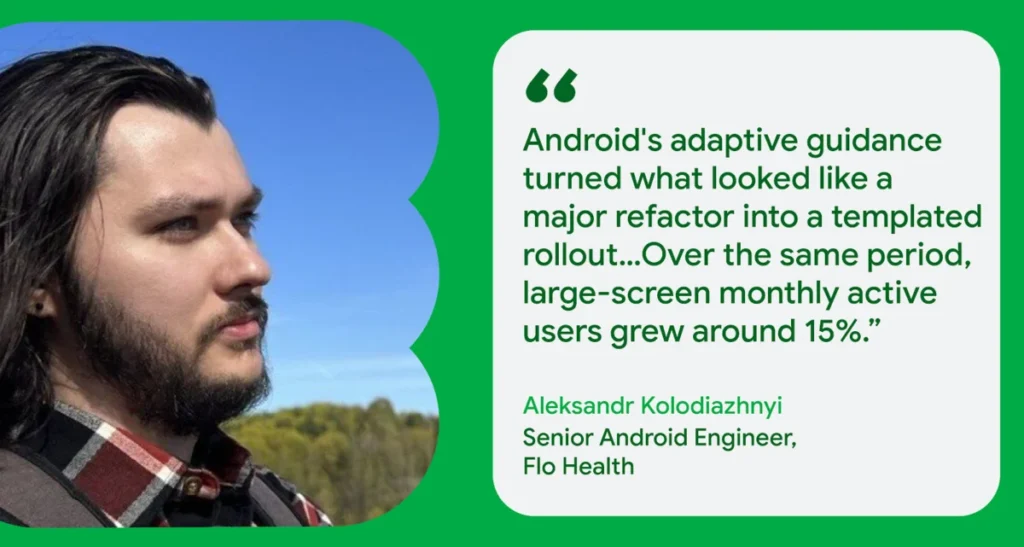
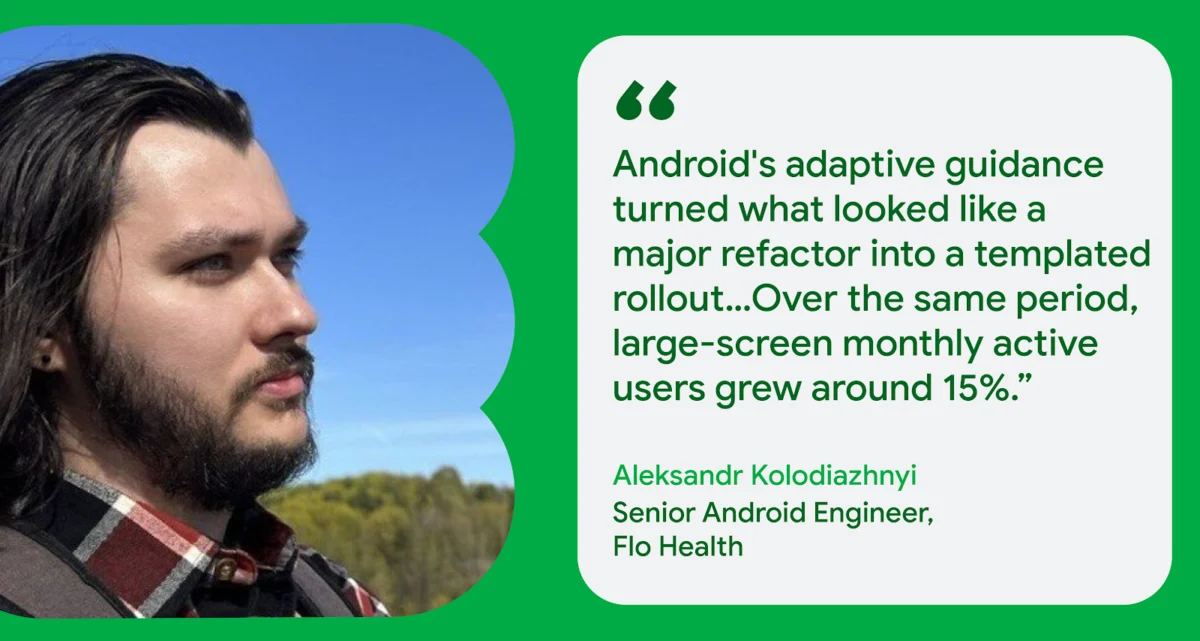
Similarly, the team at Flo Health noted that the Android team’s latest adaptive guidance turned what was once a "daunting major refactor" into a "templated rollout." Aleksandr Kolodiazhnyi, Senior Android Engineer at Flo Health, highlighted that the integration of Compose primitives allowed them to fix legacy architectural flaws while simultaneously enabling the app to feel at home on the expansive display of the Pixel 11 Pro Fold.
Implications for the Developer Ecosystem
The Shift to "Agentic" Development
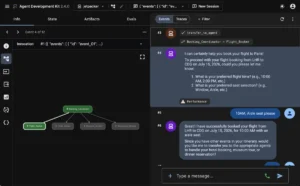
Perhaps the most transformative news for developers is the introduction of Android Skills. This represents a move toward AI-augmented coding, where developers can use AI agents to handle complex workflows. By prompting agents with specific "skills"—such as the CameraX skill for display scaling or the Adaptive skill for dynamic Compose layouts—developers can bypass the manual, tedious tasks of boilerplate UI adjustment. This is not just a convenience; it is a fundamental shift in how software is maintained.

Mastering the Foldable Posture
The Pixel 11 Pro Fold introduces specific hardware-software requirements. Developers are now expected to implement "fold-aware" code. This includes utilizing FoldingFeature updates to trigger tabletop postures—where the phone is partially folded. In this state, the UI must intelligently split: primary controls migrate to the bottom half of the screen, while the content (or camera viewfinder) occupies the upper half.
Wearables: Beyond the Touchscreen
Wear OS 7 is pushing the industry toward "touch-free" interactions. Through the new gesture framework, developers can map actions like a "double-pinch" to specific media controls or notification dismissals. The introduction of Jetpack Glance and RemoteCompose for Wear Widgets allows for richer, more expressive content that replaces the older, more limited Tiles framework. This ensures that a user’s interaction with the watch is reduced to a single, intuitive gesture.

AI at the Edge: Gemini Nano 4
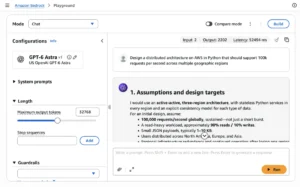
With the ML Kit GenAI Prompt API, the "cloud-or-nothing" era of AI is ending. Developers now have access to a model supporting over 140 languages with advanced features like "thinking mode" and "structured output." The implication is clear: apps that process data locally will have a competitive advantage in both speed and user trust. By keeping AI workflows on-device, apps can react in milliseconds, providing an experience that feels like a natural extension of the hardware rather than a remote service.
Conclusion: Shaping the Next Generation
The Pixel 11 and Wear OS 7 ecosystem represents a sophisticated alignment of hardware capability and software flexibility. Google has provided the tools—from the CameraViewfinder library for handling complex screen transitions to the ML Kit for edge AI—but the success of these devices will ultimately rest on the developers.

As we look toward the remainder of 2026, the mandate for developers is to stop building for "the screen" and start building for "the user’s context." Whether it is a user opening a document on a foldable tablet, checking a delivery status on their wrist, or asking an AI to summarize a local file without an internet connection, the technology is now available to make these interactions feel seamless.
For those ready to begin, the Android developer portal and the new GitHub repository for Android Skills serve as the primary gateways. By adopting these frameworks today, developers are not just preparing for the next update—they are defining the standards for the next generation of mobile computing. The "Made by Google" vision is ambitious, but with the right architectural approach, it is a vision that is well within the reach of any developer willing to lean into the adaptive, intelligent, and gesture-driven future of Android.