Engineering the Future: Advancements in AAV Gene Therapy Workflows and Vector Innovation


The landscape of gene therapy is currently undergoing a paradigm shift, driven by the rapid evolution of adeno-associated virus (AAV) vector technologies. As these viral vectors move from experimental curiosities to the backbone of life-saving clinical interventions, the demand for precision, reproducibility, and scalability has never been higher. To address these critical challenges, a new GEN Learning Lab session, featuring industry luminaries Dr. Guangping Gao and Thomas Quinn, delves into the technical bottlenecks and breakthroughs defining the next generation of AAV development.
The State of the Industry: Main Facts and Current Challenges
AAV vectors have established themselves as the premier delivery vehicles for gene therapies due to their favorable safety profiles and the ability to achieve long-term transgene expression in non-dividing cells. However, the path from bench to bedside remains fraught with technical hurdles. The current state of AAV development is characterized by three primary challenges: efficient capsid design, scalable manufacturing, and rigorous quality control.
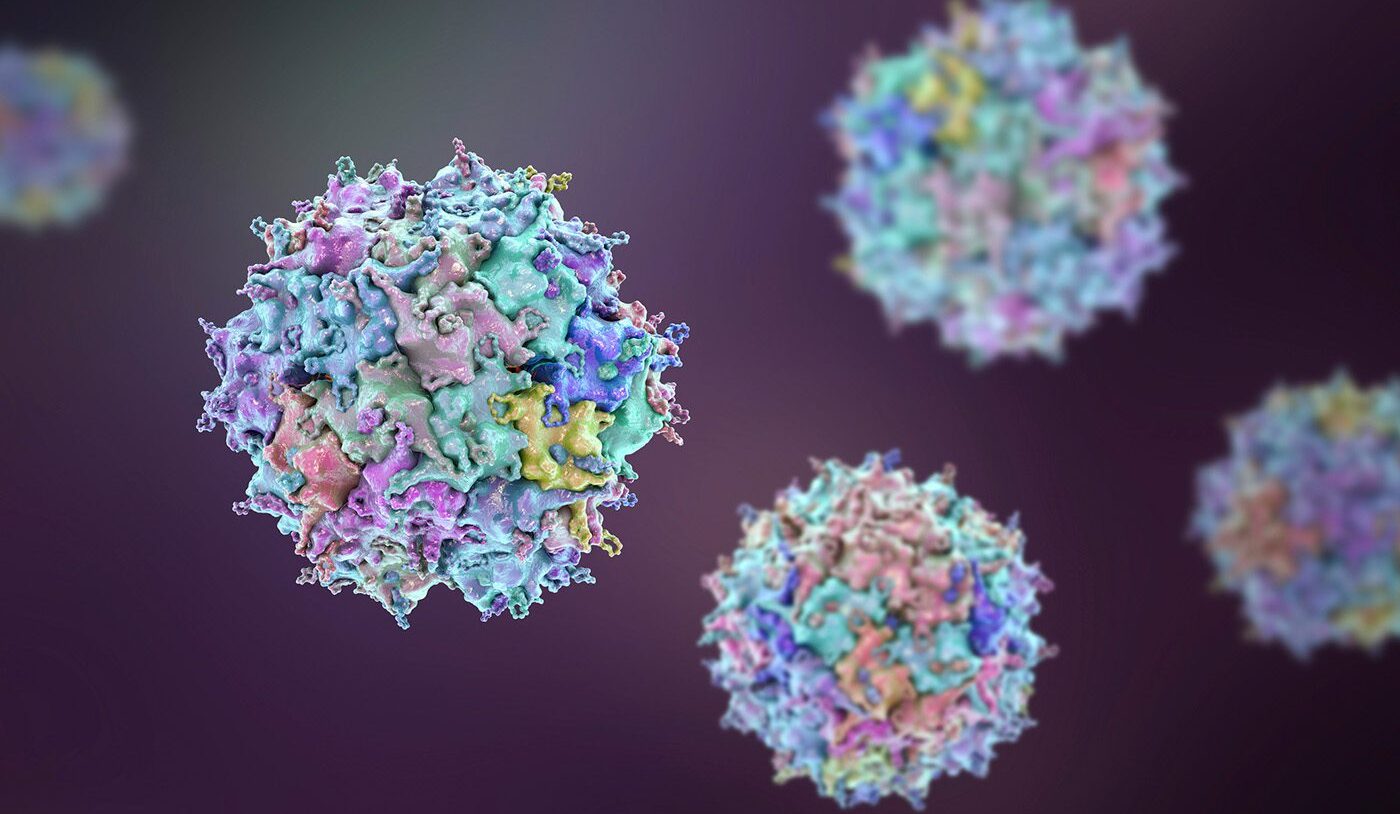
Vector engineering has transitioned from selecting naturally occurring serotypes to rational design and directed evolution. By modifying the capsid—the protein shell that encapsulates the genetic payload—researchers are now able to enhance tissue tropism, evade pre-existing neutralizing antibodies, and improve the overall efficiency of gene delivery. Yet, these innovations are only as effective as the manufacturing processes that support them. Standardizing workflows is no longer a secondary concern; it is the prerequisite for clinical success.
A Chronology of AAV Evolution
The trajectory of AAV from a laboratory tool to a commercial therapeutic is a testament to persistent scientific innovation.
- 1960s – The Discovery Phase: AAV was first identified as a contaminant in adenovirus preparations. At the time, it was deemed a "defective" virus because it required a helper virus to replicate.
- 1980s – The Tool Development Era: Researchers began to recognize the potential of AAV as a vector, focusing on its lack of pathogenicity in humans and its ability to integrate into the host genome.
- 1990s – The Early Clinical Trials: The first human clinical trials using AAV-based vectors began, though they faced significant limitations regarding vector yield and purity.
- 2012 – A Regulatory Milestone: Glybera became the first gene therapy approved in the European Union, signaling that AAV-mediated therapies were a viable commercial reality.
- 2017 to Present – The Industrialization Era: With the FDA approval of Luxturna and Zolgensma, the field shifted focus from proof-of-concept to large-scale, reproducible manufacturing. Today, the focus has moved to "AAV 2.0," where advanced analytics and automated workflows are the primary drivers of progress.
The Technical Pillars of Modern AAV Workflows
The GEN Learning Lab discussion highlights that the quality of an AAV vector is determined long before it enters a clinical trial. The panelists emphasize that optimizing the "upstream" process—the generation of the viral particles—is inextricably linked to the success of "downstream" purification.
Innovations in Purification and Recovery
Purification remains one of the most significant cost and time drivers in AAV production. The transition from legacy ultracentrifugation methods to modern chromatography-based techniques has allowed for higher purity levels and greater consistency. Removing "empty" capsids—viral shells that lack the therapeutic genetic material—is a critical requirement for regulatory approval, as empty capsids can trigger immune responses without providing therapeutic benefit. Advanced purification strategies now leverage state-of-the-art resins and membrane technologies that provide high-resolution separation, ensuring that the final product is both potent and safe.
The Science of Titration and Characterization
How do we know how much therapeutic agent is actually in a vial? Accurate titration is essential for determining the dosage that will be both safe and effective in a human patient. The industry is currently moving toward more robust, standardized methods for measuring viral genomes (vg/mL) and capsid titers. By utilizing next-generation sequencing (NGS) and digital droplet PCR (ddPCR), researchers can now characterize the integrity of the viral genome with unprecedented accuracy, ensuring that the delivered payload is intact and free from host cell DNA contamination.
Expert Perspectives: Dr. Guangping Gao and Thomas Quinn
The inclusion of Dr. Guangping Gao, a pioneer in the field of gene therapy and a key architect of modern AAV vectors, brings a historical and forward-looking perspective to the discussion. His work at the University of Massachusetts Medical School has been instrumental in characterizing AAV serotypes and developing vectors for systemic delivery.
Joining him is Thomas Quinn, who provides an industrial perspective on the implementation of these technologies. Together, they articulate a vision where the "black box" of AAV production is replaced by transparent, validated, and modular workflows. Their dialogue centers on the concept of "Process Analytical Technology" (PAT), which allows manufacturers to monitor the health of the viral production process in real-time, rather than relying on end-point testing alone.
Implications for the Future of Gene Therapy
The implications of these advancements are profound. By streamlining the development process, the industry can reduce the time-to-market for rare disease therapies, which have traditionally been difficult to commercialize due to high manufacturing costs.
Democratizing Access
Standardization is the key to democratization. When workflows become standardized, they become transferable between laboratories and manufacturing facilities. This reduces the "tribal knowledge" required to produce high-quality AAV, allowing more academic institutions and small biotech firms to move their research toward clinical application.
Next-Generation Design
The future of AAV does not stop at current serotypes. We are entering an era of "synthetic" capsids, where artificial intelligence and machine learning models are used to predict capsid behavior before they are even synthesized in the lab. This "in silico" approach promises to reduce the number of trial-and-error experiments, significantly accelerating the pipeline for therapies targeting the central nervous system, the liver, and the heart.
Supporting Data and Technical Considerations
Data indicates that the failure rate in AAV manufacturing is largely due to batch-to-batch variability. In a high-stakes clinical environment, a 10% difference in vector quality can lead to a significant difference in therapeutic outcome. The experts in the GEN Learning Lab discuss the integration of high-throughput screening assays that allow developers to test hundreds of variants in a single study.
Key data points to watch in modern AAV workflows include:
- Genome Titer to Capsid Titer Ratio: A critical metric for assessing the percentage of "full" vs. "empty" particles.
- Impurity Profile: Identifying and quantifying residual host cell proteins and host cell DNA, which must be kept below strict regulatory thresholds.
- Aggregation Index: A measure of how viral particles clump together, which can influence both the efficacy and the immunogenicity of the treatment.
Conclusion: A New Standard for Excellence
The advancements discussed in this GEN Learning Lab represent more than just technical improvements; they represent a fundamental maturation of the gene therapy field. By integrating capsid engineering, standardized purification, and rigorous characterization, the scientific community is moving closer to the goal of "off-the-shelf" gene therapies that are as reliable as traditional pharmaceuticals.
As the industry continues to scale, the collaborative efforts of experts like Dr. Gao and Thomas Quinn serve as a guide for researchers and manufacturers alike. By adopting these best practices, the field can ensure that the next generation of gene therapies not only reaches the patients who need them most but does so with the highest standards of safety, efficacy, and consistency.
This report was produced with the support of Takara Bio, a company dedicated to providing innovative tools and technologies to support the advancement of gene therapy research and manufacturing.