Instant Entertainment: A Curated Guide to the Best Browser-Based Games of the Season
In an era where AAA titles often demand massive downloads, day-one patches, and significant hardware overhead, the humble browser game is experiencing a renaissance. For the weekend gamer, the barrier to entry—the time between clicking a link and experiencing a new world—has become the most critical metric. Whether you are looking for a quick five-minute distraction or a deep, atmospheric narrative, browser-based gaming on itch.io has evolved into a vibrant ecosystem of innovation and accessibility.
This week, we explore a collection of recently released and updated browser titles that prove you don’t need a high-end gaming PC to experience high-quality design. From the quiet melancholy of sci-fi visual novels to the chaotic strategy of physics-based platformers, these titles represent the best of the current independent scene.
The Evolution of the Browser Gaming Experience
The "lazy weekend" phenomenon—where players seek low-friction, high-reward entertainment—has driven a shift in independent game development. Browser games, once relegated to simple Flash animations, are now powerful applications leveraging HTML5, WebAssembly, and robust engines like Defold and Godot.
Developers are increasingly utilizing game jams—such as the Made With Defold Jam 2024 and the legendary Ludum Dare 56—to prototype and polish unique mechanics. This cycle of rapid development has created a "fresh and fast" culture where players can jump into a project within seconds. This curation highlights games that prioritize immediate engagement while retaining the depth and polish typically reserved for standalone software.
Featured Titles: A Chronology of Creative Gameplay
The following selection captures the diversity of recent releases, illustrating how developers are pushing the boundaries of what a web browser can handle.
1. The Atmospheric Narrative: Dead Names
Dead Names offers a poignant exploration of loss through the lens of a science fiction visual novel. Set against the backdrop of a perpetually frozen winter in a dystopian future, the game utilizes a distinctive pixel-art aesthetic delivered via a Game Boy ROM format. Its focus on LGBTQIA themes and deep atmospheric storytelling makes it a standout for players who prefer emotional resonance over high-octane action.

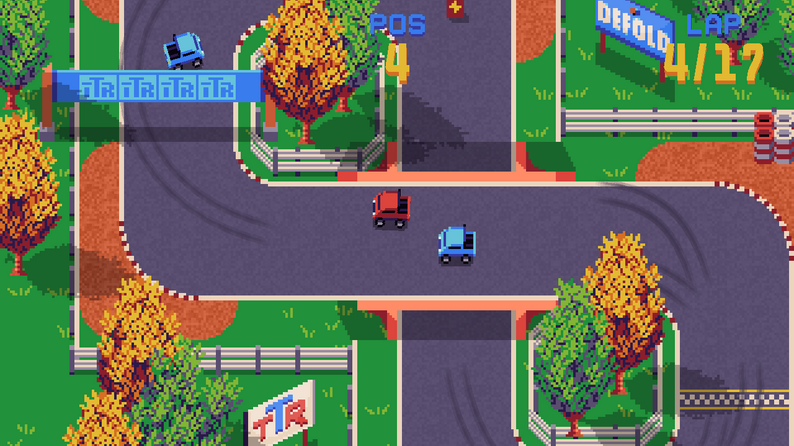
2. High-Octane Competition: Tiny Truck Racing
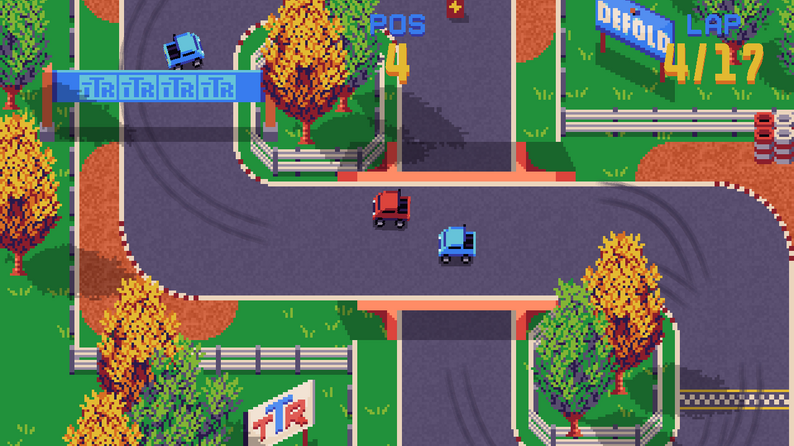
Born from the Made With Defold Jam 2024, Tiny Truck Racing serves as a masterclass in arcade-style mechanics. Players navigate miniature trucks across intricate pixel-art tracks. With three distinct modes—Single Race, Tournament, and Time Trial—and the strategic use of nitro boosts, the game offers a fast-paced, competitive experience that fits perfectly into a short gaming session.
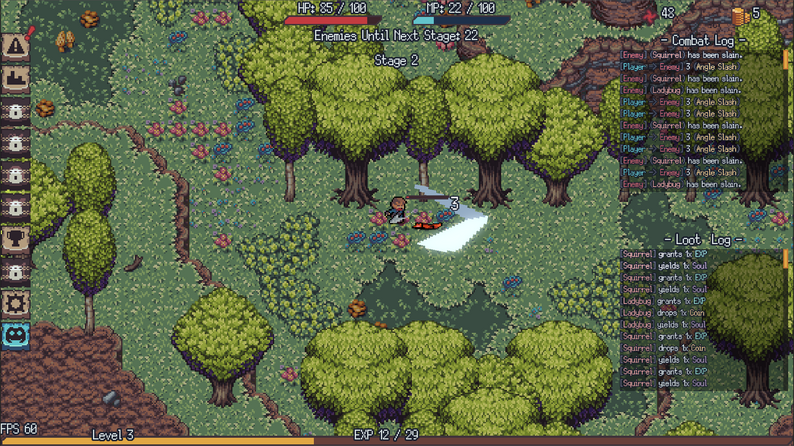
3. The Automation Craze: Nomad Idle
For the player who enjoys the satisfaction of progress without constant active input, Nomad Idle has recently received a significant update. This auto-battler tasks players with constructing character builds to dismantle waves of adversaries. The depth comes from the management of stats, equipment crafting, and passive skill selection. While the game runs autonomously, the option to intervene with specific skills adds a layer of agency that elevates it above traditional "clicker" games.
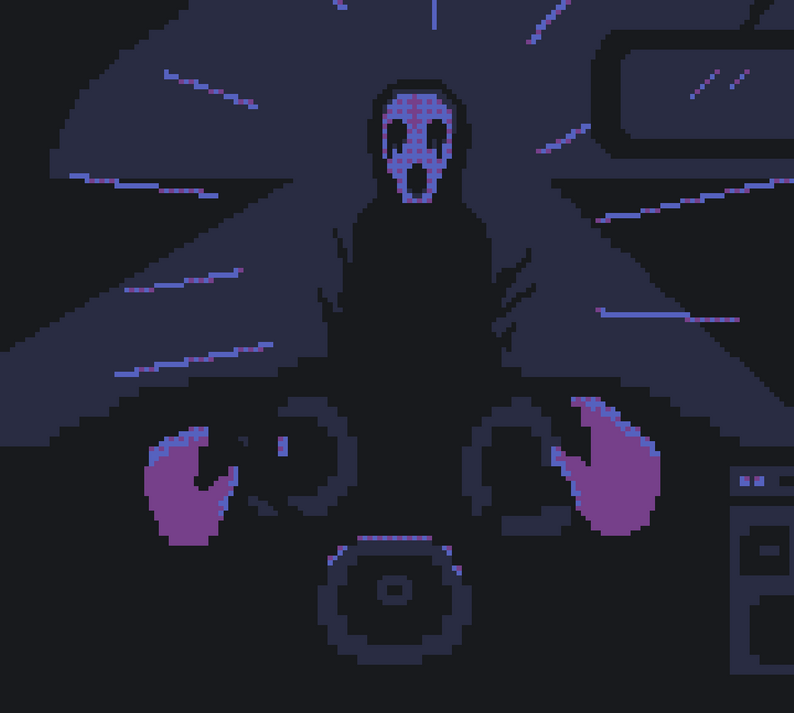
4. Psychological Depth: Laura’s Room
Developed for the 12th iteration of the GBJAM, Laura’s Room leans into the aesthetic of the original Nintendo Game Boy to craft a tense, psychological horror experience. The player assumes the role of Danni, a protagonist fleeing from an unknown threat along a rain-slicked road. The limitations of the hardware-inspired aesthetic actually serve the horror genre well, forcing the player to focus on the sound design and claustrophobic atmosphere.
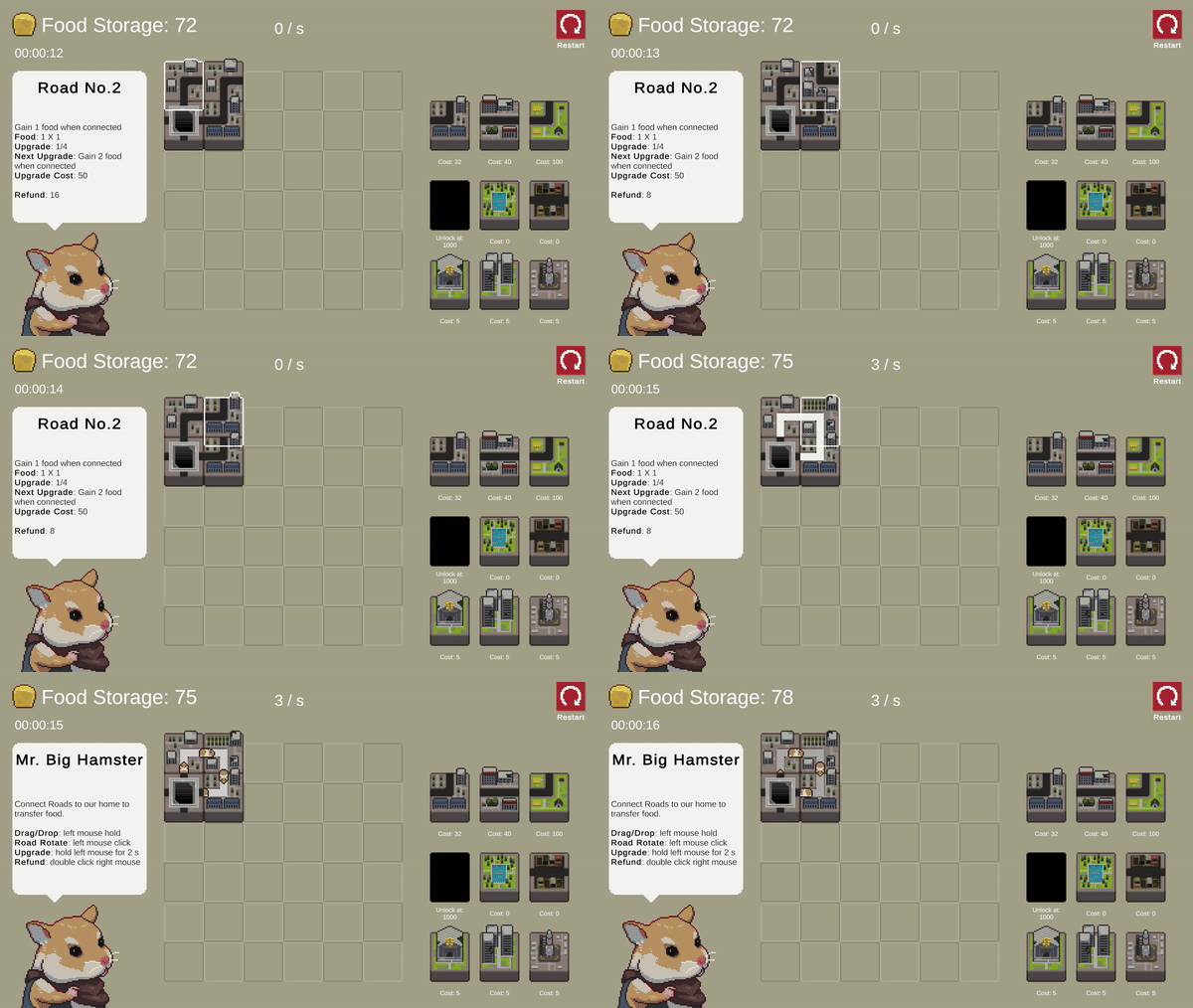
5. Survival and Strategy: Hamster Shelter
Created during Ludum Dare 56, Hamster Shelter tasks players with managing a colony of rodents in a post-apocalyptic setting. The gameplay revolves around logistics: building roads and ensuring the transport of food. Because the simulation functions in the background, it provides a uniquely relaxing experience that feels rewarding without being demanding.
6. Mechanical Innovation: Mouse Mouse
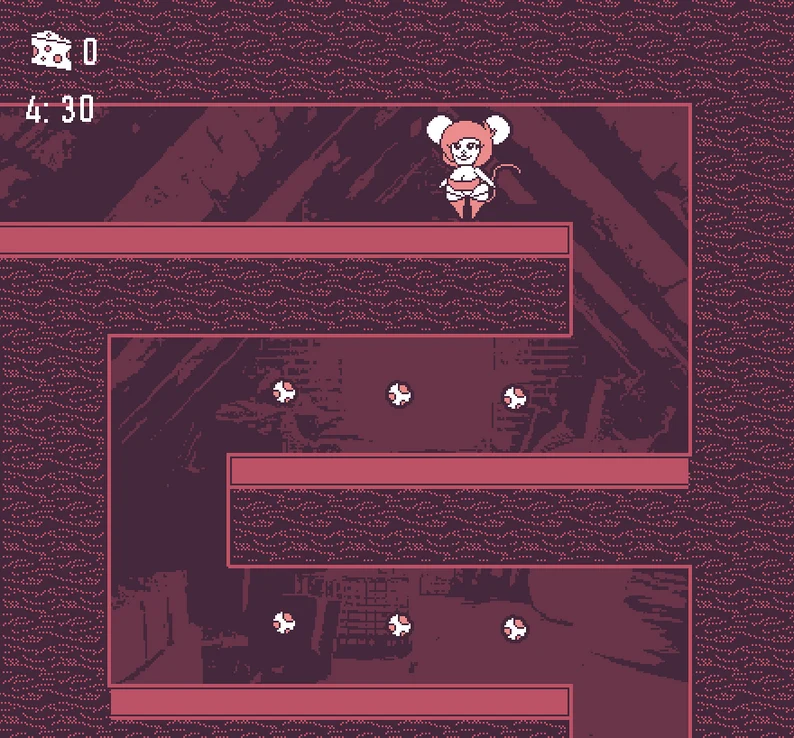
Mouse Mouse is a testament to the power of the 48-hour game jam. This platformer forces players to control a mouse protagonist using their own computer mouse, creating a physical connection between the player’s hand and the on-screen movement. It is a brilliant, albeit frantic, subversion of traditional platforming mechanics that rewards precision and speed.
7. Spooky Simulation: Play With Me
Also stemming from Ludum Dare 56, Play With Me revitalizes the virtual pet genre with a darker, retro-inspired twist. Players interact with three peculiar creatures trapped within a forgotten toy. Each creature features its own minigames, resulting in a gameplay loop that is simultaneously eerie and addictive.
8. Physics-Based Chaos: Jelly Gang
Rounding out the list is Jelly Gang, a puzzle platformer that challenges the player to manage a group of 30 squishy, physics-based characters. The unique hook is the "focus region"—a radius around the mouse cursor where the characters become responsive to user input. Managing this crowd in a puzzle environment requires a high degree of spatial awareness and strategic planning.
Supporting Data: The Impact of Game Jams
The prevalence of Ludum Dare 56 titles in this collection is no coincidence. Game jams act as an incubator for creativity. By imposing strict time constraints (often 48 to 72 hours), developers are forced to distill their ideas to their most essential components.
Data from itch.io’s traffic trends suggest that games released during or immediately following major jams see significantly higher engagement rates. Players are drawn to the novelty of "jam" games, often viewing them as a window into the raw creative process. This trend has created a virtuous cycle: developers get the visibility they need to iterate on their projects, and the community receives a steady stream of fresh, experimental content.
Official Responses and Community Feedback
The interaction between developers and the itch.io platform management has become a hallmark of the community’s health. Following the recent spotlight on these titles, community members—including developers like aplovestudio—expressed appreciation for the visibility provided to indie creators.
However, the process of curation is not without its inquiries. A notable discussion arose regarding the selection criteria for featured games. In an exchange on the platform, developer Yogurtthehorse reached out to inquire about why their specific project, Headquarters, was not featured despite its popularity during the jam.
The official response from the platform’s leadership, notably from site founder leafo, clarified that there is "no particular reason" behind specific selections beyond the sheer volume of high-quality submissions. "There’s just a lot of interesting games from LD!" the response noted. This transparency reinforces the egalitarian nature of the platform, where quality and community reception are the primary drivers of success, rather than opaque editorial gatekeeping.
Implications: The Future of Browser Gaming
The success of these browser titles carries significant implications for the broader gaming industry:
- Accessibility as a Feature: As high-end gaming becomes increasingly expensive, browser-based games offer a "democratic" entry point. They remove the barriers of hardware requirements and installation time.
- The Rise of "Micro-Experiences": Players are increasingly valuing "micro-experiences"—games that respect their time by delivering a complete, high-quality loop in under an hour.
- Platform Agnosticism: The ability to play across different operating systems (Windows, macOS, Linux, and even mobile browsers) ensures that these games reach the widest possible audience.
As we look toward the future, it is clear that browser games are no longer a "lesser" category. They are a primary testing ground for the industry’s most innovative design concepts. Whether you are looking for a relaxing simulation like Hamster Shelter or a strategic challenge like Jelly Gang, the browser remains the most exciting frontier for independent game design.
If you find yourself with a free hour this weekend, consider visiting the itch.io "New & Popular" browser games section. By participating in these communities, playing these titles, and leaving feedback for the creators, you are not just consuming content—you are helping to sustain one of the most vibrant and creative ecosystems in the digital world.