Empowering the Future of AI: Google Announces the 3rd Annual Women in Machine Learning Symposium 2023
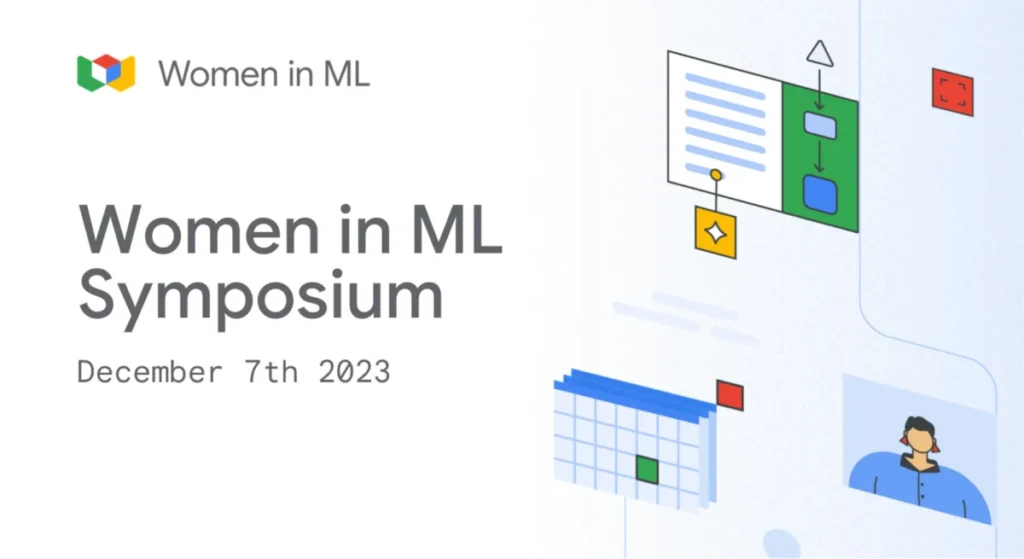
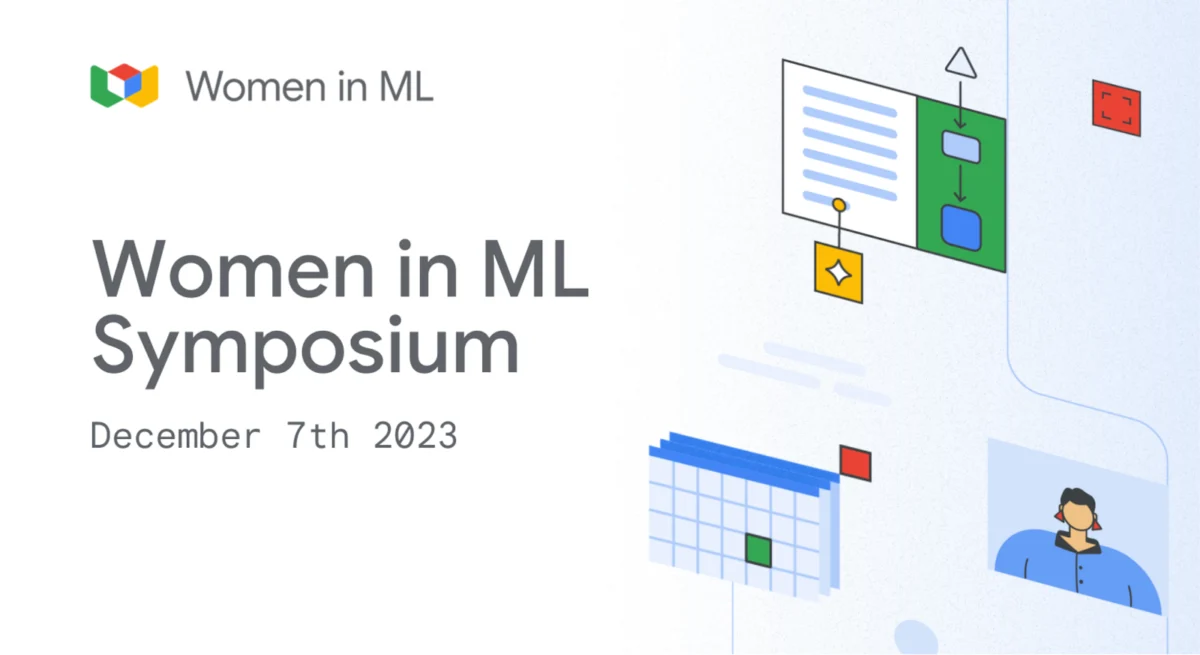
SAN FRANCISCO, CA — As artificial intelligence and machine learning (ML) continue to redefine the boundaries of human capability and industrial innovation, ensuring diversity and inclusion within these foundational sectors has never been more critical. In alignment with this mission, Google has officially announced the return of its flagship event for technologists, researchers, and enthusiasts alike: the third annual Women in Machine Learning (WiML) Symposium.
Scheduled for December 7, 2023, the virtual event will run from 9:30 AM to 1:00 PM PT. Spearheaded by Sharbani Roy, Senior Director of Product Management at Google, the symposium has rapidly evolved into a premier global platform designed to spotlight women leaders, foster collaborative networks, and democratize access to cutting-edge education in AI and ML.
Open to practitioners of all skill levels—from curious beginners taking their first steps into data science to seasoned industry veterans designing large-scale neural networks—the 2023 symposium promises a comprehensive curriculum covering everything from foundational concepts to the latest breakthroughs in generative AI.
Main Facts
The Women in Machine Learning Symposium 2023 is structured as a high-impact, half-day virtual conference tailored to the rapidly accelerating needs of the modern tech landscape.
- Date and Time: December 7, 2023, from 9:30 AM to 1:00 PT.
- Format: Fully virtual, global accessibility via live streams and interactive digital modules.
- Target Audience: Inclusively designed for individuals of all backgrounds and expertise levels interested in Machine Learning and Artificial Intelligence.
- Key Focus Areas: Generative AI, privacy-preserving machine learning, hardware accelerators, ML frameworks, and cross-industry practical applications.
- Featured Organizations: Key insights, panel discussions, and keynotes led by technical experts from Google, Google Health, NVIDIA, Adobe, and other leading technology institutions.
- Cost and Registration: Free to attend, with mandatory pre-registration hosted through Google’s official AI developer events portal.
The event addresses a persistent industry challenge: closing the gender gap in technology sectors while accelerating technological literacy in transformative sub-fields like generative models and privacy-centric data science.
Chronology: The Evolution of the WiML Symposium
To understand the significance of the 2023 event, it is essential to trace the trajectory of Google’s ongoing commitment to inclusive AI education and community building.
The Foundation and Pre-2022 Landscape
Long before the launch of the dedicated symposium series, Google engaged in various grassroots and institutional efforts—such as sponsorship of the broader WiML workshops at major academic conferences like NeurIPS. However, recognizing a gap in accessible, industry-wide platforms that directly connected women engineers with product builders, Google conceptualized a dedicated annual event series tailored to practical development and career growth.
The 2022 Milestone
The second annual Women in Machine Learning Symposium, held in late 2022, served as a watershed moment for the initiative. Building upon the foundational lessons of its predecessor, the 2022 event drew thousands of global participants. It successfully demystified complex topics such as Responsible AI, TensorFlow deployments, and MLOps. The overwhelmingly positive feedback from the 2022 attendee demographic laid the groundwork for a more ambitious, multidisciplinary agenda in 2023.
The Road to December 7, 2023
Planning for the third annual symposium began in early 2023, coinciding with a massive global surge in interest surrounding generative artificial intelligence following the widespread public adoption of Large Language Models (LLMs). Recognizing this paradigm shift, the organizing committee—led by Sharbani Roy—pivoted the 2023 agenda to directly address the opportunities and ethical considerations presented by generative tools, hardware optimization, and privacy preservation.
Supporting Data: The Current State of Women in AI
While initiatives like Google’s WiML Symposium are vital, they operate against a backdrop of stark statistical realities within the global technology and AI workforce. Understanding the supporting data illuminates why targeted interventions remain crucial.
Workforce Demographics
According to recent industry studies by the World Economic Forum (WEF) and various global labor market analysts, women represent roughly 26% to 30% of the overall artificial intelligence workforce. This figure drops significantly when examining specialized, highly technical roles such as core machine learning research scientists, senior algorithmic developers, and AI infrastructure architects, where women often account for less than 20% of the headcount.
The Educational Pipeline
The gender disparity originates early in the educational pipeline. While enrollment in undergraduate Computer Science and STEM programs has risen, women earning degrees in computer and information sciences hover around the 20% mark globally. Furthermore, academic research paper authorship in top-tier AI conferences (such as NeurIPS, ICML, and CVPR) demonstrates a persistent publishing gap, with female first-authors traditionally accounting for a minority of accepted papers.
The Economic and Innovation Imperative
Data consistently shows that diverse teams build better, more equitable products. A 2022 study by McKinsey & Company highlighted that companies in the top quartile for gender diversity on executive teams were more likely to experience above-average profitability. In the context of AI—where algorithmic bias can profoundly impact societal outcomes in healthcare, finance, and criminal justice—diverse representation among developers and decision-makers is not merely a social goal, but an absolute operational necessity.
Official Responses and Leadership Perspectives
The announcement of the 2023 symposium has drawn enthusiastic responses from leadership across the tech industry, emphasizing the collaborative spirit required to drive meaningful change.
In her official announcement statement, Sharbani Roy, Senior Director of Product Management at Google, underscored the core ethos of the event:
"We’re back with the third annual Women in Machine Learning Symposium on December 7, 2023! Join us virtually from 9:30 am to 1:00 pm PT for an immersive and insightful set of deep dives for every level of Machine Learning experience."
Roy further emphasized the intentional design of the agenda, noting that the curriculum is carefully calibrated to ensure that whether an attendee is writing their first line of Python code or managing enterprise-grade MLOps pipelines, they will walk away with actionable insights.
Industry partners participating in the event have echoed these sentiments. Representatives from NVIDIA and Adobe noted that collaborative cross-industry platforms are essential for sharing best practices in areas as complex as generative model deployment and ethical AI governance. By pooling insights from healthcare (via Google Health) to creative technology (via Adobe) and hardware acceleration (via NVIDIA), the symposium provides a uniquely holistic view of the modern AI ecosystem.
Implications: Shaping the Next Era of Artificial Intelligence
The convening of thousands of technologists at the Women in Machine Learning Symposium 2023 carries profound implications for the future direction of the AI industry.
1. Democratizing Access to Advanced AI Tools
By offering free, virtual access to world-class technical sessions led by experts from Google and partner organizations, the symposium breaks down geographical and financial barriers to entry. Aspiring developers from underrepresented regions or non-traditional educational backgrounds gain direct exposure to state-of-the-art frameworks, open-source tools, and methodologies that might otherwise remain inaccessible.
2. Prioritizing Ethical and Privacy-Preserving AI
As governments worldwide grapple with regulatory frameworks for artificial intelligence—and as public concern regarding data privacy mounts—sessions focused on privacy-preserving AI are exceptionally timely. Training models securely without compromising user data is the holy grail of modern enterprise AI. The knowledge disseminated at this symposium equips a diverse cohort of engineers to build systems that respect user privacy by design.
3. Fostering Mentorship and Career Mobility
Beyond the technical lectures, events of this scale serve as vital networking hubs. Mentorship and sponsorship are frequently cited as the most critical levers for career advancement in tech. By connecting early-career practitioners with seasoned leaders from Google Health, Adobe, and NVIDIA, the symposium helps build the professional relationships necessary to elevate women into senior technical and leadership roles across the industry.
4. Cultivating Inclusive Algorithmic Design
Ultimately, the most profound implication of empowering women in machine learning is the direct impact on the algorithms themselves. When development teams reflect the diversity of the global user base, products are less likely to exhibit systemic biases, more likely to address underserved market needs, and better equipped to serve society equitably.
Conclusion and How to Participate
As artificial intelligence continues to permeate every facet of modern enterprise, education, and daily life, initiatives like the Women in Machine Learning Symposium stand as beacons of progress, collaboration, and empowerment.
Whether you are a data scientist looking to master the latest generative frameworks, a software engineer curious about hardware accelerators, or a student eager to break into the world of AI, the 2023 symposium offers a welcoming and deeply educational environment.
Registration Details:
- Event Date: December 7, 2023
- Time: 9:30 AM – 1:00 PM PT
- Action Required: Interested participants are encouraged to RSVP today through the official Google AI Developer portal to secure their virtual seat, explore the comprehensive agenda, and take the next step in their machine learning journey.