Unlocking the Genetic Mystery: AI and Fruit Flies Identify BRSK1 as a Driver of Rare Neurodevelopmental Disorders
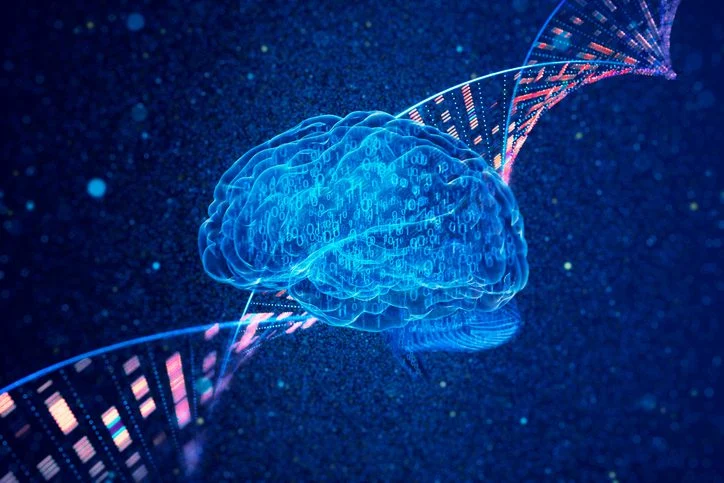
For families navigating the often-harrowing odyssey of undiagnosed rare diseases, the "diagnostic odyssey" is frequently marked by years of medical testing, inconclusive reports, and mounting uncertainty. Genomic sequencing, while revolutionary, often returns results labeled as "variants of uncertain significance" (VUS), leaving parents without a name for their child’s condition and clinicians without a roadmap for care.
A breakthrough study, recently published in the American Journal of Human Genetics, offers a new paradigm for solving these medical mysteries. By integrating artificial intelligence (AI), human genomics, and functional modeling in Drosophila melanogaster (fruit flies), researchers have officially linked variants in the BRSK1 gene to a complex, spectrum-spanning neurodevelopmental disorder. This discovery not only provides a definitive diagnosis for ten affected individuals across seven families but also illuminates the biological mechanisms by which BRSK1 mutations disrupt the intricate scaffolding of the developing human brain.
The Main Facts: A New Genetic Chapter
The study, titled "Monoallelic variants in BRSK1 are associated with a neurodevelopmental disorder with or without epilepsy," was spearheaded by an interdisciplinary team from Baylor College of Medicine, the Duncan Neurological Research Institute at Texas Children’s Hospital, and the Texome Project.
The researchers identified that heterozygous mutations—where one copy of the gene contains a variation—in the BRSK1 gene are the primary drivers of a clinical profile characterized by developmental delays, ADHD, autism spectrum disorder, anxiety, and, in several cases, epilepsy. Crucially, the research highlights a phenomenon known as "variable expressivity," where individuals—even those within the same family carrying the identical genetic mutation—exhibit a wide range of symptom severity, suggesting that environmental factors or secondary genetic modifiers may play a role in how the disorder manifests.
Chronology of Discovery: From Texome to the Laboratory
The discovery followed a rigorous, multi-year process that moved from clinical observation to high-tech computational analysis and, finally, to bench science.
Phase 1: The Clinical Starting Point
The research began with a single patient enrolled in the Texome Project, an initiative dedicated to providing high-quality genetic testing to medically underserved populations in Texas. Despite comprehensive whole-genome sequencing, the initial analysis failed to pinpoint the genetic cause of the child’s neurodevelopmental symptoms. The clinical team remained committed to finding an answer, eventually turning to AI-powered diagnostics.
Phase 2: AI-Driven Prioritization
The team utilized AI-MARRVEL, a sophisticated artificial intelligence tool designed to integrate massive datasets—including clinical information, genomic variants, and literature—to prioritize candidate genes. AI-MARRVEL flagged a rare, previously unlinked variant in the BRSK1 gene. Once a potential culprit was identified, the researchers utilized GeneMatcher, a global platform that allows clinicians and scientists to share patient data, to search for similar cases. Their search proved successful: they identified nine additional individuals globally who shared similar BRSK1 variants, creating a cohort of ten subjects across seven unrelated families.
Phase 3: The Fruit Fly Model
To confirm that these variants were indeed causing disease, the team transitioned to Drosophila melanogaster. By engineering fruit flies to carry the human-derived BRSK1 mutations, researchers could observe the gene’s function in a living, complex organism. The findings were conclusive: the BRSK1 gene is vital for the nervous system, and its dysfunction directly correlates to the behavioral and physical deficits observed in human patients.
Supporting Data: The Biological Mechanism
The functional study of BRSK1 revealed why mutations in this gene are so damaging to human neurological health. The gene encodes a kinase, a type of enzyme that acts as a "molecular switch," controlling the activity of other proteins.
The Role of sff (Sugar-Free Frosting)
In the fruit fly, the equivalent of the BRSK1 gene is known as sff (sugar-free frosting). The name, while whimsical, belies the gene’s critical importance. Dr. Mingxi Deng, a postdoctoral fellow in the Bellen lab and first author of the study, noted that sff is primarily expressed in neurons, mirroring the expression pattern of BRSK1 in humans.
When the researchers disabled the sff gene in flies, the results were striking:
- Neurological Impairment: The flies exhibited significant movement difficulties and were hyper-sensitive to external stressors that normally trigger seizure-like behaviors.
- Structural Defects: The flies showed reduced survival rates and, crucially, displayed structural abnormalities at the neuromuscular junction.
- Microtubule Disruption: The researchers found that the BRSK1 variants failed to normalize levels of "Futsch," a protein essential for organizing microtubules. Microtubules act as the "bones" of a neuron, providing the structural integrity necessary for brain development and communication.
Partial Rescue Experiments
In a critical test, the researchers attempted to "rescue" the impaired flies by introducing a normal human version of the BRSK1 gene. This successfully corrected the behavioral and neurological defects. However, when the team introduced the specific BRSK1 variants found in the human patients (specifically p.Ile202Val, p.Arg237Cys, and p.Thr406Ile), the rescue was only partial. This confirmed that the variants do not necessarily eliminate the protein entirely, but rather reduce its function, leading to the "leaky" or incomplete biological activity that manifests as a neurodevelopmental disorder.
Official Responses and Expert Perspective
Dr. Hugo Bellen, a lead author of the study and a prominent figure in genetic research, emphasized that this work represents a triumph of translational science.
"This work improves our understanding of the genetic causes of neurodevelopmental disorders and highlights the power of combining AI-driven gene discovery with experimental studies in model organisms," Dr. Bellen stated. By bridging the gap between computational prediction and laboratory validation, the team has provided a definitive answer to families who had previously been left in the dark.
Dr. Mingxi Deng added, "Microtubule disruption has been linked to several neurodevelopmental and neurological disorders. Our findings suggest that reduced BRSK1 function interferes with the cellular machinery needed for healthy brain development and communication between neurons."
The researchers underscored that the diagnostic success here serves as a template for future rare disease research. By using AI to narrow the field of candidates and model organisms to test those candidates, the speed at which rare diseases are being discovered and categorized is accelerating at an unprecedented rate.
Implications: A New Era for Rare Disease Diagnosis
The implications of this study reach far beyond the ten individuals identified in the cohort.
1. Clinical Diagnostic Utility
For the families involved, the identification of BRSK1 as the causative agent is a significant milestone. It provides a "molecular diagnosis," which can help clinicians offer more accurate prognoses, genetic counseling for future family planning, and, eventually, more targeted therapeutic interventions. It also helps validate the parents’ experiences, replacing the uncertainty of an "undiagnosed" label with a concrete medical reality.
2. Scientific Understanding of Brain Development
The study provides a new lens through which to view neuronal polarization and synaptic function. By proving that BRSK1 is a key regulator of the internal scaffolding of nerve cells, researchers have identified a new pathway for study. This could eventually lead to pharmacological research aimed at stabilizing microtubule function in individuals with similar genetic deficits.
3. The Power of Collaborative Science
The success of this study is a testament to the power of global collaboration. Without the Texome Project’s commitment to underserved communities, the AI-MARRVEL tool’s ability to parse complex genomic data, and the GeneMatcher platform’s ability to connect rare disease researchers across continents, the BRSK1 connection might have remained hidden.
4. Future Directions
While this study answers the "why" behind the patients’ conditions, many questions remain. Why does the same genetic variant result in epilepsy for one child and merely ADHD for another? How can we better model these "variable expressivity" factors in the laboratory? Future research will focus on the interplay between BRSK1 and other genetic modifiers, as well as the potential for identifying therapeutic agents that can boost or compensate for the reduced activity of this vital kinase.
In conclusion, the identification of BRSK1-associated neurodevelopmental disorder is a shining example of how modern medicine is evolving. By marrying the cold logic of artificial intelligence with the biological reality of living models, the medical community is finding ways to turn "uncertainty" into "understanding," one gene at a time. For the families affected, this research is not just a scientific achievement; it is a vital step toward a future where no child is left without a diagnosis.