Beyond the Keynote: Apple’s Hidden Roadmap for iOS 27 and the Future of the Ecosystem
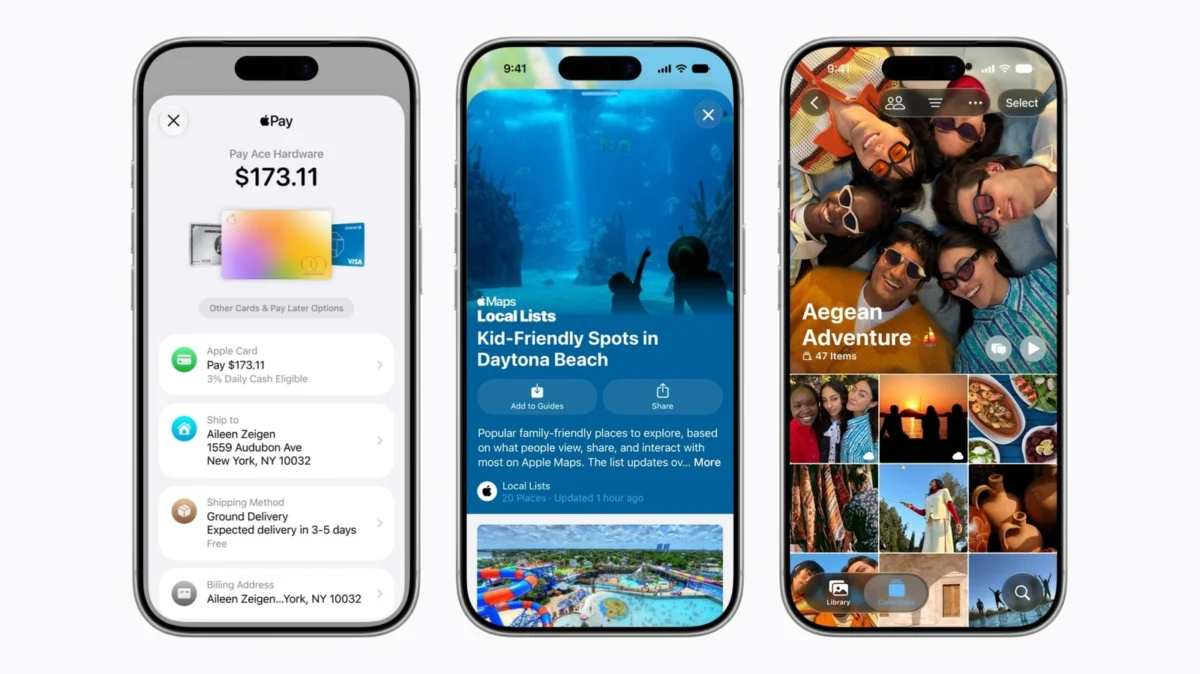
While the dust settles following the high-octane spectacle of WWDC 2026, where Apple showcased its sweeping vision for "Apple Intelligence" and the next generation of its operating systems, the tech giant appears to have kept its most strategic cards close to its chest. Despite a presentation packed with features, industry insiders and developers have begun to peel back the layers of the iOS 27 developer beta, revealing that the version presented on stage was merely the tip of the iceberg.
According to deep-dive reporting by Mark Gurman in his Power On newsletter, Apple is quietly incubating at least three significant, unannounced features—a modular watch face for the broader Apple Watch lineup, a radically customizable Camera app, and an expanded ecosystem for third-party chatbot integration within Siri. These revelations suggest that Apple is pacing its software rollout to align with hardware launches slated for later this year, potentially setting the stage for an autumn season defined by refinement and deep personalization.
The Chronology of the Reveal: From WWDC to the Developer Beta
The narrative of iOS 27 began in early June 2026, when Apple executives took the stage in Cupertino to outline a future defined by generative AI. However, as the developer beta hit the servers, the delta between the keynote’s promises and the code’s reality became apparent.
- Pre-WWDC Speculation (May 2026): Early reports emerged suggesting Apple was exploring a “modular” approach to its camera interface, moving away from the rigid, one-size-fits-all design that has defined the iPhone experience for over a decade.
- The WWDC 2026 Keynote (June 2026): Apple focused heavily on systemic AI integration, privacy-first data processing, and cross-device synergy. Notably, the presentation lacked granular details regarding specialized hardware features, leaving room for later announcements.
- Post-Keynote Analysis (Mid-June 2026): Following the release of the initial developer beta, testers began identifying "placeholder" code and hidden UI elements that point toward a broader strategy for third-party AI integration and specialized interface customization.
The Three Pillars of the "Hidden" iOS 27 Update
1. The Modular Watch Face: Democratizing the Ultra Aesthetic
For years, the "Modular Ultra" watch face has been the crown jewel of the Apple Watch Ultra lineup, prized by power users for its high information density. Gurman’s reporting indicates that Apple is preparing to bring a version of this aesthetic to the standard Apple Watch series.
This move is strategically significant. As Apple attempts to blur the lines between its premium rugged wearables and its mainstream offerings, the inclusion of a simplified, highly customizable modular face suggests a shift toward a "data-first" user experience. By allowing users to place complex complications on a standard display, Apple is acknowledging that modern smartwatch users are increasingly viewing their devices as central hubs for real-time health, weather, and calendar data, rather than just notification centers.
2. The Customizable Camera App: Ending the "One-Size-Fits-All" Era
The most anticipated hardware-adjacent software change involves the Camera app. For years, the iPhone’s camera interface has remained largely static, prioritizing accessibility over individual workflow. The upcoming update promises to shatter this paradigm.
Expected to debut alongside the iPhone 18 Pro, the new Camera app will likely allow users to curate their interface. Imagine a professional photographer who wants the "Exposure" and "White Balance" sliders front and center, while a casual user might prefer "Portrait Mode" and "Filter" shortcuts. By allowing users to dictate exactly which functions appear and where they are placed, Apple is positioning the iPhone 18 Pro as a modular professional tool, directly challenging the dominance of traditional mirrorless camera interfaces.
3. Siri’s Open-Door Policy: The Multi-LLM Future
Perhaps the most ambitious project hidden in the iOS 27 code is the expansion of Siri’s chatbot integration. While Apple Intelligence is the native brain of the device, Apple is building a framework that allows Siri to act as a concierge for third-party models.
Currently, the beta allows for a seamless toggle between Apple’s proprietary intelligence and ChatGPT. However, evidence suggests this is a foundation for a much wider ecosystem. Future updates are expected to include direct hooks for Google’s Gemini, Anthropic’s Claude, and potentially other specialized models. This represents a pivot in Apple’s philosophy: moving from a "walled garden" to an "orchestrator" of AI services, where the user can choose the right model for the specific task at hand—whether it be creative writing, deep data analysis, or complex coding.
Supporting Data: The Technical Underpinnings
The current iOS 27 developer beta provides a glimpse into the architecture of these features. Developers have noted that the Siri integration layer is built using a modular API, which simplifies the process of "plugging in" new LLMs (Large Language Models). This is a departure from Apple’s historical approach of building proprietary, closed-loop solutions.
Furthermore, the Camera app customization is rumored to utilize a new "SwiftUI-based dynamic overlay" system. This would allow Apple to update the camera interface via software patches without requiring a full OS overhaul, ensuring that future hardware advancements—such as new sensor arrays—can be integrated into the user interface with minimal friction.
Official Responses and Corporate Strategy
Apple has remained characteristically silent regarding unannounced features, adhering to its long-standing policy of not commenting on rumors or future product roadmaps. However, during the WWDC Q&A sessions, executives emphasized that "Apple Intelligence is an evolving platform." This phrase, while vague, serves as the company’s acknowledgement that its AI strategy is not a static point in time, but a continuous release cycle.
From an investor’s perspective, these "hidden" features are vital. They suggest that Apple is not merely reacting to the AI boom but is methodically building an infrastructure that can support any number of future AI models, thereby insulating the company against the rapid obsolescence of any single LLM.
Implications: A New Era of Personalization
The implications of these features extend far beyond convenience; they signal a fundamental shift in how Apple views its relationship with the user.
The Shift Toward Prosumerism
By allowing users to customize their Camera app and watch faces, Apple is acknowledging the "prosumer" segment—users who demand deep control over their devices. This is a departure from the "Steve Jobsian" ethos of "we know what’s best for you," moving toward a "we provide the tools for you to build your own experience."
The Neutrality of the AI Platform
By integrating ChatGPT, and potentially Gemini and Claude, into Siri, Apple is positioning itself as a neutral arbiter in the AI wars. By being the hardware gateway through which all these services pass, Apple retains the most valuable asset: the user interface and the privacy-preserving layer that sits between the user and the cloud.
Challenges on the Horizon
Despite the excitement, risks remain. A highly customizable Camera app could lead to interface bloat, potentially alienating the very users who flocked to Apple for its simplicity. Similarly, giving Siri the ability to offload queries to third-party chatbots creates a complex privacy challenge: how does Apple ensure its "Privacy Promise" holds up when data is passed to external servers?
Conclusion: The Long Game
As we look toward the fall of 2026, the picture of iOS 27 becomes clearer. It is not just an update about AI; it is an update about flexibility. By keeping these features in the shadows during the initial keynote, Apple managed the narrative effectively, allowing the world to digest the massive shift toward Apple Intelligence before introducing the practical, granular improvements that will define the daily experience of the iPhone 18 Pro and the next-generation Apple Watch.
The "hidden" cards Apple is holding are not just features; they are the next phase of the company’s evolution. As the industry races to build the smartest AI, Apple is quietly building the most versatile platform—one that respects the user’s desire for choice, customization, and control. The coming months will undoubtedly prove that what was shown at WWDC was merely the invitation to a much larger, more personalized digital future.